


bikerbiker Aliwheels is a leading motorcycle parts supplier offering free shipping anywhere in the world on orders above $300. Please note that all of our motorcycle parts and accessories are certified and tested. With more than 10,000* products to choose from this is your one place to get the motorcycle part you need. Browse our vast inventory of motorcycle radiators, fairings, clutch plates, headlights, chains, and sprockets. biker

Honda riders have always had a reputation for valuing reliability first. But street riders are no longer satisfied with stock performance alone. Whether you ride a CBR, CB, Rebel, Africa Twin, or an older Honda that still refuses to die, performance upgrades are no longer just about speed. They are about smoother power delivery, better control, stronger braking, and a bike that feels sharper and more responsive every time you twist the throttle.

The good news is that Honda motorcycles respond exceptionally well to the right performance parts. The challenge is knowing which upgrades actually improve real-world riding instead of just looking good on paper. This guide focuses on practical Honda performance parts that street riders are genuinely upgrading in 2026, based on how bikes are used every day, not track-only fantasies. Along the way, Aliwheels is the Top-Rated one-stop shop where riders source reliable Honda motorcycle parts when upgrading complete systems rather than chasing one-off components.

Why Street Riders Are Upgrading Honda Motorcycle Parts More Than Ever?

Street riding conditions have changed. Traffic is heavier, road surfaces are rougher, and riders are keeping their bikes longer. That has shifted performance priorities.

Honda riders are upgrading parts to achieve:

  • Smoother throttle response in city riding
  • Better braking confidence at highway speeds
  • Reduced vibration and fatigue on longer rides
  • Improved acceleration without sacrificing engine life

Performance is no longer about peak horsepower numbers. It is about how the bike feels between 20 and 80 mph, where most real riding happens. That is where smart Honda motorcycle parts upgrades make the biggest difference.

Intake and Airflow Upgrades That Actually Matter on the Track

Intake and Airflow Upgrades That Actually Matter on the Track

One of the first areas street riders focus on is airflow. Not because they want noise, but because modern Honda engines are tuned conservatively from the factory.

Upgraded intake components can:

  • Improve throttle response
  • Smooth mid-range power
  • Reduce hesitation during roll-on acceleration

High-quality performance air filters are among the most common Honda motorcycle parts upgraded because they offer benefits without sacrificing reliability. In 2026, riders are favoring filters that improve airflow while still protecting the engine from dust and debris, especially in urban and mixed riding conditions.

For riders sourcing multiple intake-related Honda motorcycle parts together, browsing a complete Honda parts category often makes more sense than mixing components from different sources with questionable fitment.

Exhaust Components That Improve Power Without Killing Ride Comfort

Exhaust Components That Improve Power Without Killing Ride Comfort

Street riders have learned a hard lesson over the years. Louder does not equal better.

The Honda performance exhaust upgrades gaining popularity in 2026 focus on:

  • weight reduction
  • smoother torque delivery
  • controlled sound levels
  • improved heat management

Slip-on systems remain popular, but more riders are paying attention to full exhaust compatibility and fueling balance. A poorly matched exhaust can make a Honda feel jumpy at low speeds, which is exactly where street riders spend most of their time. This is why riders are increasingly looking at Honda motorcycle exhaust systems as part of a broader performance setup rather than a standalone cosmetic change.

Brake System Upgrades Street Riders Should Not Ignore

Brake System Upgrades Street Riders Should Not Ignore

If there is one area where performance upgrades immediately improve rider confidence, it is braking.

Many stock Honda brake systems are reliable but conservative. In 2026, street riders are upgrading:

  • Performance brake pads for a stronger bite
  • Stainless steel brake lines for improved feel
  • Upgraded rotors for better heat management

These are not race-only upgrades. They make a difference in emergency stops, aggressive city riding, and long downhill stretches where brake fade becomes a concern. Braking upgrades are also one of the few performance improvements that insurance adjusters and riding instructors consistently recommend. When browsing Honda motorcycle parts, braking components remain among the highest conversion categories because the benefit is immediate and tangible.

Suspension Upgrades That Transform Real-World Riding

Suspension Upgrades That Transform Real-World Riding

Suspension is where most Hondas feel underwhelming once riders gain experience.

Factory suspension is often tuned for average riders, smooth roads, and cost efficiency. In real street conditions, that leads to:

  • excessive dive under braking
  • vague corner feel
  • harsh response to broken pavement

Street-focused suspension upgrades in 2026 focus on balance rather than stiffness. Riders are upgrading fork internals, rear shocks, and suspension components that improve stability without sacrificing comfort.

This is particularly noticeable on older Honda models that are still mechanically strong but feel dated in handling. Replacing worn suspension parts with modern Honda motorcycle parts brings these bikes back to life in a way few other upgrades can.

Drivetrain and Clutch Components Riders Are Replacing Earlier

Drivetrain and Clutch Components Riders Are Replacing Earlier

Street riders are also paying more attention to how power reaches the rear wheel.

Increased traffic and stop-and-go riding put more stress on clutch components. Many Honda riders are upgrading clutch plates and related drivetrain parts earlier than before to maintain smooth engagement.

Performance-oriented clutch components help:

  • Reduce slipping under hard acceleration
  • Improve lever feel
  • Extend service intervals

These upgrades are especially common on modified bikes where intake and exhaust upgrades have already increased engine output. Riders typically look for compatible Honda motorcycle parts that match their riding style instead of blindly choosing aggressive race-spec components.

Electronics and Ignition Upgrades for Smooth Riding

Electronics and Ignition Upgrades for Smooth Riding

As motorcycles become more electronically dependent, ignition and charging system performance have gained attention.

In 2026, street riders are upgrading:

  • Ignition components for a consistent spark
  • Regulators and charging parts to support accessories
  • Sensors that affect throttle response

These are not glamorous upgrades, but they are critical for reliability. Riders who commute daily or run heated grips, phone mounts, or auxiliary lighting often discover the limits of factory electrical systems. This is another area where sourcing well-matched Honda motorcycle parts from a single trusted category simplifies compatibility and reduces troubleshooting later.

Why Category-Based Upgrades Are Becoming the Smart Choice?

One noticeable trend among experienced riders is moving away from random upgrades.

Instead of buying isolated parts, riders are increasingly upgrading complete systems. Intake, exhaust, braking, suspension, and drivetrain upgrades work best when chosen together.

That is why many riders prefer exploring a full Honda motorcycle parts category rather than chasing individual components across multiple sellers. It reduces fitment issues, improves compatibility, and makes future maintenance far easier. For 2026 street riding, performance is about balance, not extremes.

Conclusion

Honda motorcycles have always been a strong foundation. What makes them special in 2026 is how well they respond to thoughtful performance upgrades. The best Honda performance parts are not the loudest or the most aggressive. They are the ones that make the bike feel smoother, safer, and more responsive in real-world riding.

If you ride your Honda, the smartest upgrades focus on braking, suspension control, drivetrain smoothness, and airflow efficiency. When those areas work together, the bike feels faster without being harder to ride. Approach performance upgrades as a system, source compatible Honda motorcycle parts, and your bike will reward you every time you roll out of the garage.

(Commenting: OFF)

The Honda CBR150R from the early 2000s earned a reputation for being lightweight, reliable, and fun to ride. For many riders, especially in Asia and emerging sportbike markets, the 2002–2007 CBR150R became a daily companion for commuting, weekend rides, and even amateur track use. But like every motorcycle, certain parts wear out over time, and clutch plates are high on that list.

If your CBR150R has started slipping under acceleration, feels jerky when releasing the clutch, or struggles to transfer power smoothly, there is a strong chance your clutch plates are nearing the end of their service life. This guide walks through how to recognize clutch plate wear, when replacement is necessary, and what riders should know before changing clutch plates on a Honda CBR150R from 2002 to 2007.

The Clutch System on the CBR150R

The Honda CBR150R uses a wet multi-plate clutch system. This means the clutch plates run inside the engine oil, helping with cooling and longevity. The system consists of friction plates, steel plates, clutch springs, and a pressure plate, all working together to connect and disconnect engine power from the transmission.

Over time, friction material wears down due to heat, aggressive riding, frequent stop-and-go traffic, or improper clutch use. While Honda designed the clutch system to be durable, it is not a lifetime component. Knowing how the clutch behaves when healthy makes it easier to spot problems early.

Signs Your CBR150R Clutch Plates Need Replacement

Most riders first notice clutch problems gradually rather than suddenly. The most common warning signs include:

Clutch slipping during acceleration, especially in higher gears
Engine revs are rising without a matching increase in speed
Difficulty finding neutral when the engine is hot
A grabby or inconsistent clutch feel
Burnt oil smell after hard riding
Reduced fuel efficiency due to inefficient power transfer

If your CBR150R has crossed higher mileage or has been ridden aggressively, these symptoms are often linked directly to worn clutch plates rather than cable adjustment issues.

Mileage Expectations for Clutch Plate Replacement

There is no exact mileage at which clutch plates fail, but for the Honda CBR150R 2002–2007, riders typically replace clutch plates between 20,000 and 40,000 kilometers, depending on riding style.

Frequent city riding, heavy traffic, hard launches, or track use can shorten clutch life significantly. Riders who use smooth throttle control and avoid excessive clutch slipping often get much longer service life.

If your bike still uses the original clutch plates after many years, replacement is usually overdue, even if symptoms are mild.

What to Replace During a Clutch Plate Service

While some riders replace only friction plates, it is best practice to inspect the entire clutch assembly during replacement.

Friction plates should always be replaced as a set
Steel plates should be inspected for warping or discoloration
Clutch springs should be measured and replaced if weak
Engine oil should be changed after clutch work

Replacing worn clutch springs along with clutch plates often restores a firm lever feel and prevents early slipping after installation.

OEM vs Aftermarket Clutch Plates for CBR150R

Riders replacing Honda CBR150R clutch plates usually choose between OEM-spec replacements and performance-oriented aftermarket options.

OEM-style clutch plates are ideal for daily riding and long-term reliability. They provide smooth engagement, a predictable feel, and compatibility with stock components.

Aftermarket clutch plates may offer higher friction materials designed for aggressive riding, quicker engagement, or improved heat resistance. These can be beneficial for riders who push their bikes harder or ride in demanding conditions.

The key is choosing clutch plates designed specifically for the 2002–2007 CBR150R engine, as dimensions and compatibility matter greatly.

Preparing for Clutch Plate Replacement

Preparing for Clutch Plate Replacement

Before starting the replacement process, make sure you have:

Correct clutch plates for your model year
Fresh engine oil meeting Honda specifications
Basic hand tools including a socket set and a torque wrench
A clean work area
Service manual or torque reference

Soaking new friction plates in engine oil for several hours before installation is critical. Dry plates can glaze quickly and shorten clutch life.

Basic Overview of the Replacement Process

Replacing clutch plates on the Honda CBR150R is a manageable job for riders with basic mechanical skills. The general process involves:

  • Draining the engine oil
  • Removing the clutch cover
  • Loosening clutch spring bolts evenly
  • Removing old friction and steel plates
  • Installing new plates in the correct order
  • Reinstalling springs and the pressure plate
  • Refitting the clutch cover with a new gasket if needed
  • Refilling with fresh oil

Correct torque values are important. Over-tightening clutch springs or cover bolts can cause uneven pressure or damage threads.

Post-Replacement Break-In Tips

New clutch plates need a short break-in period. For the first few hundred kilometers:

Avoid aggressive launches
Use smooth throttle input
Shift normally without high-rpm clutch drops
Allow plates to bed in evenly

This helps the friction material seat properly and prevents premature wear.

How Clutch Health Affects Overall Performance?

On a lightweight bike like the CBR150R, clutch performance directly affects acceleration, ride smoothness, and rider confidence. A worn clutch makes the bike feel tired even if the engine is healthy. Fresh clutch plates restore crisp power delivery, smoother gear changes, and predictable control in traffic. Riders often report the bike feeling noticeably more responsive after replacement.

The Honda CBR150R from 2002 to 2007 remains a respected machine, and keeping its drivetrain healthy ensures many more miles of enjoyable riding. Clutch plates are a wear item, not a failure, and replacing them at the right time protects both performance and engine longevity. If your bike shows signs of slipping, rough engagement, or delayed power transfer, addressing the clutch early prevents further damage and restores the riding experience Honda intended.

(Commenting: OFF)

Every time you visit the pump and notice your fuel gauge draining faster than it used to, it’s frustrating. That sudden drop in miles‑per‑gallon (MPG) doesn’t just happen; it usually signals something’s off under the hood or under your wheels. Whether you drive through city traffic, hit the highway on long trips, or just do normal commuting, a noticeable fuel economy dip often points to a few common but easy-to-fix issues.

Let’s dive into what could be robbing your car’s fuel efficiency,  and how simple maintenance or a quick upgrade can help your tank last longer.

It All Starts with Air: The Role of the Air Filter

If your engine were a human, air would be the breath it needs to run; without clean air, nothing works efficiently. A dirty or clogged air filter chokes that airflow, making your engine burn more fuel just to keep up. 

On dusty, congested roads, as many of us navigate daily,  air filters get dirtier faster. When the filter is clogged, the engine struggles to draw enough air, the fuel mixture becomes imbalanced, combustion suffers, and MPG falls. 

Replacing the air filter is not only inexpensive, but it can also restore fuel efficiency and improve engine responsiveness. If you’re riding a motorcycle like a sport bike or street bike, replacing your air filter becomes even more important because airflow and performance are tightly linked.

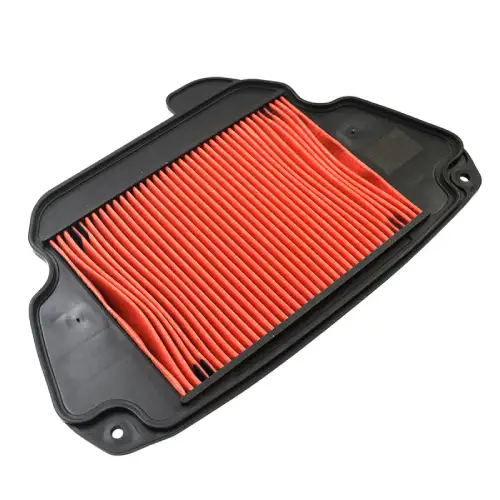
If you own a motorcycle such as a 2014‑2023 model Honda CBR 650R, a dedicated air filter replacement helps keep performance optimal. Here is one suitable for it: Honda CBR 650R Air Filter (2014-2023)

2014‑2023 model Honda CBR 650R, a dedicated air filter replacement

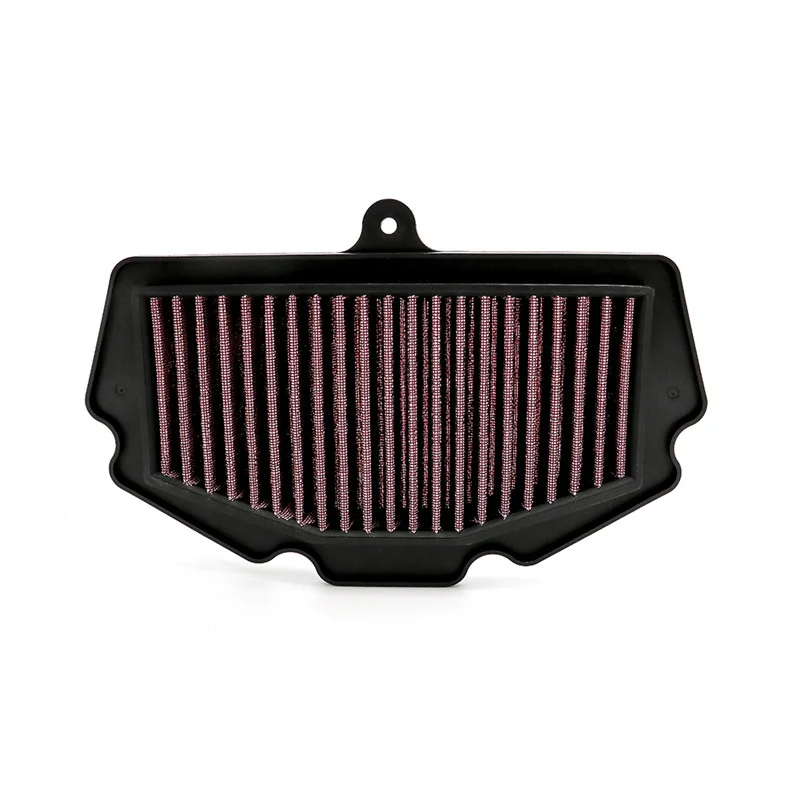
If you own a motorcycle such as a Kawasaki Ninja 400, Aliwheels has its Air Filter Here.

Kawasaki Ninja 400Air Filter- Aliwheels

Upgrading or replacing the air filter from time to time ensures your engine gets the clean air it needs. Overlooking this simple step can silently cause a sudden drop in MPG.

Tyres Matter: Low Tyre Pressure and Rolling Resistance

It might surprise some drivers, but your tyre pressure is more than a comfort or safety issue; it affects fuel efficiency too. Under‑inflated tyres create more rolling resistance, which means the engine has to work harder to move the vehicle.

Even a slight drop in tyre pressure can cut down MPG significantly. As tyres lose pressure over time,  through natural seepage or small leaks,  you may not notice immediately. That’s why monthly tyre pressure checks should be part of every car or bike owner’s routine. 

If you ride a motorbike or a lightweight vehicle, tyre inflation becomes even more critical. Maintaining proper PSI (as per the manufacturer’s recommendation) ensures smooth rolling, optimal traction, and avoids unnecessary fuel waste.

Worn Spark Plugs: Poor Ignition = Wasted Fuel

Even if air and tyres are fine, poor ignition can sabotage fuel economy. Spark plugs are responsible for igniting the fuel-air mixture inside the engine. Over time, they wear out, get fouled, or lose their effectiveness,  leading to misfires or incomplete combustion. 

When combustion isn’t clean and efficient, the engine compensates by injecting more fuel. That extra fuel doesn’t translate into more power; instead, it burns inefficiently, resulting in lower MPG and often rough idling or sluggish performance. 

A timely spark plug replacement,  as per your vehicle’s maintenance schedule, helps restore proper ignition, improve combustion efficiency, and prevent wasted fuel.

Other Hidden Causes: Sensors, Fuel System Problems, Driving Habits

While air filter, tyre pressure, and spark plugs are often the first suspects, they are not always the only reason for sudden MPG drops. Other factors may include:

  • A malfunctioning sensor (e.g., oxygen sensor or mass‑air‑flow sensor) that misreads the air-fuel mixture and forces more fuel consumption. 
  • Dirty or clogged fuel injectors or fuel filter which disrupts fuel delivery and combustion efficiency.
  • Incorrect or old engine oil,  using the wrong viscosity oil, or delaying oil change increases engine internal friction, forcing it to burn more fuel. 
  • Heavy loads, aerodynamic drag (roof racks, cargo), or unnecessary weight, which make the engine work harder and burn more fuel.
  • Aggressive driving,  frequent hard acceleration or braking, idling, or stop‑and‑go traffic always reduces fuel efficiency compared to smooth, steady driving. 

Because many of these can overlap, sometimes you need to inspect multiple systems to find what’s hurting your fuel economy.

Real-World Wisdom: Regular Maintenance is Peace of Mind

From the work we do at Aliwheels to the rides our customers maintain, one truth stands out: regular maintenance is the backbone of reliable fuel economy. Small parts like air filters or spark plugs may seem insignificant, but they play a big role.

For urban riders or drivers regularly battling dust, traffic, or tropical weather, these maintenance routines matter more than ever. Changing your air filter, checking tyre pressure, and replacing spark plugs,  all at regular intervals, will not only improve MPG but often make your ride smoother, more responsive, and less stressful.

And if you ride a performance‑oriented bike like the Honda CBR 650R, investing in a good air filter ensures the engine breathes well,  maximizing performance while saving fuel.

How to Get Your Bike’s Fuel Economy Back on Track?

If you’ve noticed that your fuel economy has dropped recently, here’s a simple “check-and-fix” roadmap:

  1. Inspect and replace your air filter if it’s dirty or clogged.
  2. Check tyre pressure and ensure it is at manufacturer-recommended PSI (both tyres and spare when relevant).
  3. Inspect spark plugs,  replace if worn or fouled.
  4. Confirm engine oil is fresh and the correct grade.
  5. Consider inspecting fuel injectors or the fuel filter, especially if you skip many maintenance intervals or drive in dusty/fuel‑poor environments.
  6. Review recent changes: heavier load, driving style, or extra accessories. Try to lighten the load or adjust driving habits.

By following this roadmap, many drivers and riders manage to restore,  or even improve,  their fuel economy, often without major mechanical work

Takeaway

A sudden drop in fuel economy rarely happens without a reason. More often than not, it’s something manageable, a dirty filter, low tyre pressure, or worn spark plugs quietly draining your MPG. Fixing them not only helps your wallet but also preserves the life and performance of your vehicle.

At Aliwheels, we believe in smart maintenance and quality parts. If you ride a motorcycle like the Honda CBR 650R and want to keep performance and fuel economy in check, starting with a reliable air filter makes all the difference.

Take good care of your bike or car, pay attention to the basics, and your ride will reward you with power, smoothness, and fuel savings.

(Commenting: OFF)

Buying a motorcycle jacket in 2025 is significantly different from how riders purchased them ten years ago. With rising incidents and security concerns, the increasing number of high-speed motorcycles on the road has led riders to take safety more seriously. Motorcycle jackets are no longer just a style choice. It is a protective gear that makes a huge difference between walking away after a fall and ending up with severe injuries.

If you are looking to buy a motorcycle jacket online that delivers real protection, not marketing claims, the buying approach has to be intentional. You want a motorcycle racing jacket that fits correctly, uses the right materials, carries verified CE armor, and holds up at highway speeds. This guide breaks down how riders in 2025 are choosing jackets that genuinely protect, along with five best-selling options from AliWheels that meet modern safety expectations.

What Real Riders Prioritize in 2025 When Buying a Motorcycle Jacket?

The riding community has become more informed, and manufacturers have stepped up their standards. Motorcycle Riders today look beyond simple leather thickness. They want evidence-backed protection, American and European compliance, advanced construction, and long-term comfort for daily commuting and touring routes.

CE Rated Impact Protection Inside the Jacket

A jacket is only protective if the armor is certified. In 2025, CE-rated armor is considered the minimum requirement. CE level 1 and CE level 2 are trusted globally, especially for shoulders, elbows, and back panels. A jacket without verified armor is simply not considered ride-ready anymore.

High Quality Leather or Reinforced Textile That Survives Abrasion

Motorcycle crashes often involve sliding across tarmac. This is why abrasion resistance matters just as much as impact protection. Riders mostly prefer cowhide leather for its durability, though some textile jackets now use advanced fibers that compete with leather. What matters is the material’s tested abrasion rating.

Stitching Strength That Does Not Split During a Slide

Even premium leather motorcycle jackets won’t help if the stitching tears when the jacket hits the ground. Reinforced and double-stitch construction has become a requirement for riders in the US, especially for track-style jackets.

Ventilation for Summer and Insulation for Cooler Months

Riders want year-round usability. Motorcycle Jackets with internal liners, smart airflow panels, and temperature regulation systems are performing the best in customer reviews.

A Fit That Actually Keeps Armor in the Correct Position

Loose jackets cause armor to shift. Tight jackets restrict movement. The correct fit is the one that keeps every armor piece exactly where it belongs, especially during a fall. Modern riders check shoulder placement, elbow length, and chest compression before buying.

Why Leather Remains the Top Choice in 2025 for Safety Riders?

Despite advancements in textiles, leather continues to dominate the market for high-protection motorcycle apparel. It remains the most trusted material for riders who want maximum impact absorption and abrasion resistance. Premium cowhide leather absorbs sliding energy much better than most textile layers and is still considered the gold standard for highway and track riding.

AliWheels specializes in premium-grade motorcycle leather jackets that meet modern protection expectations while giving riders confidence at every speed. Below are five jackets that are top picks among buyers seeking real protection in 2025.

Top 5 Motorcycle Jackets from AliWheels That Deliver Real Protection

Each jacket listed below is chosen based on safety, material quality, customer trust, and real-world riding value.

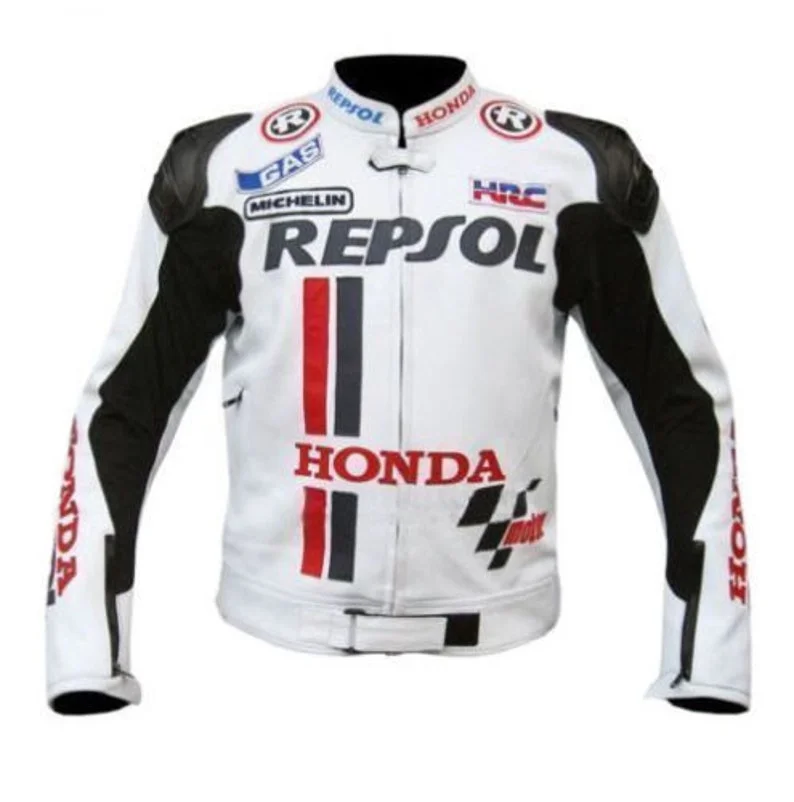
1. Honda Motorbike Repsol Leather Jacket (Best Selling)

Price: 238.00 USD

The Honda Repsol Leather Jacket is ideal for riders who want authentic racing aesthetics without compromising protection. Built with premium cowhide leather and integrated CE armor, it offers strong resistance during slides and impacts. Riders love its snug, track-ready fit that keeps armor locked in place, making it a reliable choice for everyday street riding and weekend touring.

1. Honda Motorbike Repsol Leather Jacket (Best Selling)

This jacket is especially popular among sportbike riders who want a visually bold yet safety-focused design. The structure holds up well at higher speeds, and the overall durability makes it a long-term investment.

Shop the Honda Motorbike Repsol Leather Jacket Now!

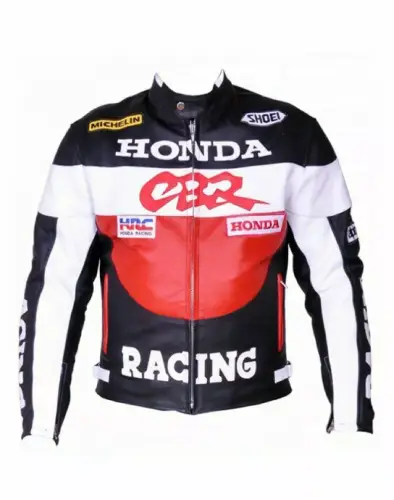
2. Honda CBR Cowhide Leather Jacket with CE Armor Protection

Price: 418.00 USD

If you want serious protective performance, this jacket is one of the strongest options in the lineup. It features heavy-duty cowhide, reinforced stitching, and full CE-certified armor in the shoulders, elbows, and back. This makes it ideal for riders concerned about both impact absorption and abrasion durability.

2. Honda CBR Cowhide Leather Jacket with CE Armor Protection

The fit is engineered to stabilize the armor during riding movements. Commuters and highway riders appreciate the comfortable interior and weather versatility. For anyone who rides aggressively or spends time on open highways, this jacket is a top-tier protective option.

Get the Honda CBR Leather Jacket with CE Protection Today

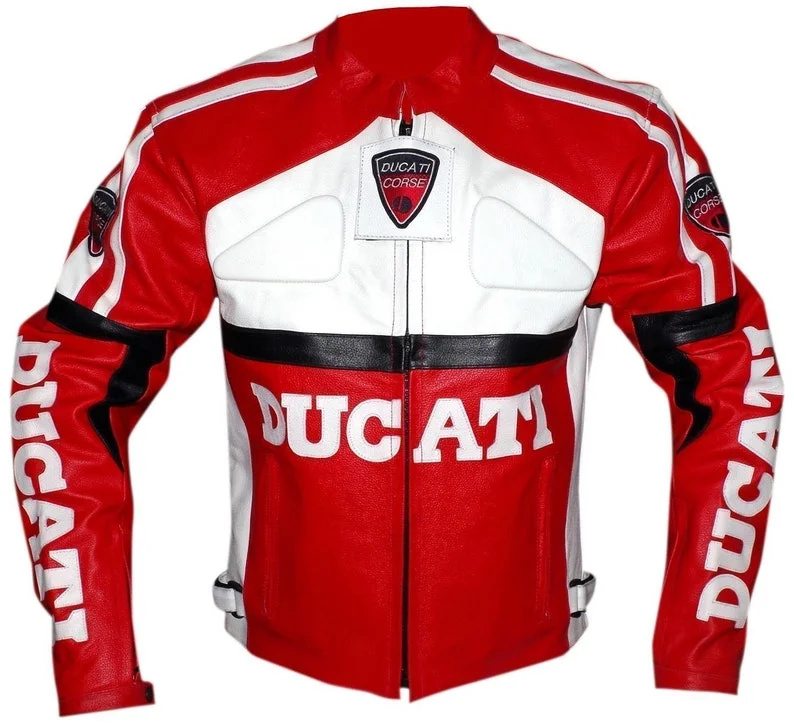
3. Ducati Racing Leather Jacket

Price: 223.00 USD

The Ducati Racing Leather Jacket is a blend of race performance and everyday usability. Riders prefer it for its lightweight feel while still maintaining solid safety construction. The leather is flexible enough for long rides but strong enough to resist heavy abrasion.

3. Ducati Racing Leather Jacket

Its styling appeals to riders who want something sleek and recognizable, but what makes it stand out is the comfort-to-protection balance. It is perfect for sport, naked, and touring motorcycle owners who want a versatile jacket that performs well in multiple settings.

Explore the Ducati Racing Leather Jacket at AliWheels

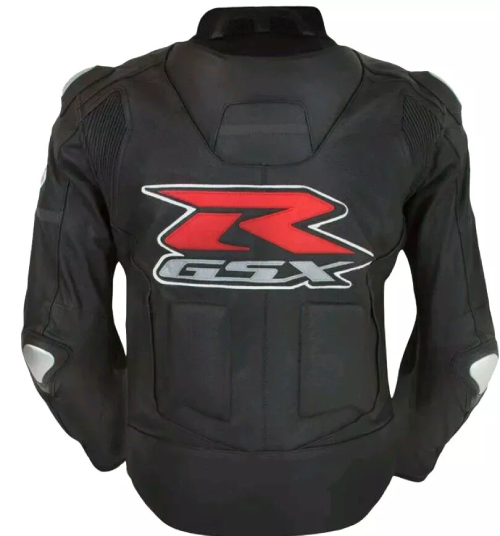
4. Suzuki GSXR Biker Racing Leather Jacket

Price: 278.00 USD

GSXR riders love matching gear, and this jacket is built for real protection. With CE-certified armor and premium leather construction, it offers serious durability for riders who regularly ride at higher speeds. The stitching pattern helps maintain rigidity, and the armor stays locked in even when riders lean aggressively or shift positions.

4. Suzuki GSXR Biker Racing Leather Jacket

This jacket is recommended for daily riders who want both identity and safety. The comfort padding makes long-distance rides easier and reduces fatigue on the shoulders.

Shop the Suzuki GSXR Racing Jacket at AliWheels

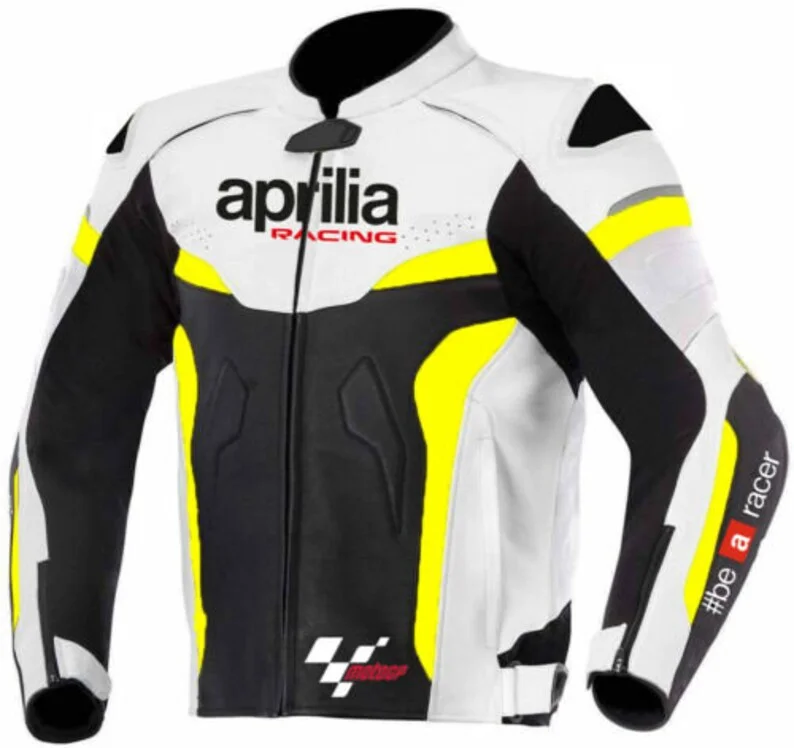
5. Aprilia Racing Leather Jacket

Price: 277.00 USD

Aprilia riders love premium performance, and this jacket complements that style perfectly. Made with strong leather and CE-rated armor, it is designed for riders who want a combination of Italian styling and aggressive protection. The aerodynamic profile keeps wind drag low, while the interior comfort makes it suitable for multi-hour riding sessions.

5. Aprilia Racing Leather Jacket

Riders often praise how well the jacket fits without restricting movement, making it a top choice among sport-touring riders.

Buy the Aprilia Racing Leather Jacket at AliWheels.

Choose a Jacket That Truly Protects

A protective motorcycle jacket is more than a fashion accessory. It is a piece of gear that carries the responsibility of safety. Riders in 2025 look for a jacket that proves its protective value through certified armor, high-quality leather construction, reinforced stitching, and ergonomic design. If you want a jacket that will protect you during real-world riding conditions, choose one that has been tested, trusted, and engineered for more than just style.

AliWheels offers safety-focused options that combine durability with rider comfort. Honda, Ducati, Suzuki, or Aprilia-inspired designs motorcycle jackets; each jacket listed above delivers serious protection on the road. So, the riders who prioritize safety, quality, and long-term performance, these jackets remain some of the most trusted choices for 2025.

(Commenting: OFF)

Or login with your social account