


bikerbiker Aliwheels is a leading motorcycle parts supplier offering free shipping anywhere in the world on orders above $300. Please note that all of our motorcycle parts and accessories are certified and tested. With more than 10,000* products to choose from this is your one place to get the motorcycle part you need. Browse our vast inventory of motorcycle radiators, fairings, clutch plates, headlights, chains, and sprockets. biker

Free Shipping over $300

Support 24/7

Secure Payments

Hot Offers

A Harley is more than a bike. It is a commitment. Experienced riders reap decades of solid performance from their bikes. When riders fail to maintain their bikes, they end up with costly repairs. The upside to this is that Harleys are sturdy. By adopting proper maintenance practices, quality Harley Davidson Parts and using high-quality Harley-Davidson parts , you can ensure long-term reliability.

Here are the things that all the veteran Harley Davidson fans do to keep their bikes in good condition.

Harleys Have Special Needs

A Harley V-twin is not an inline-four or a European parallel twin. All the above features contribute to the engine architecture, which, combined with the air-cooled construction and higher power, results in many special maintenance requirements.

More work is done by oil in an HD engine. The oil for the gearbox is combined or distinct from the oil for the primary chaincase (depending on the model). Knowing the lubrication system of your particular model is very important.

Each of the Twin Cam, Milwaukee-Eight, Evolution, and Sportster engines has its own wear and service intervals. Know your particular engine. Read the service manuel. This is the most helpful document you will ever have for your bike.

The oil engine is important

Engines with air cooling tend to be running hotter than those with liquid cooling. Oil deteriorates more quickly when heated.

Harley recommends their own Screamin’ Eagle or Syn3 oils. They are designed with the high temperatures and wet-clutch operating modes in mind. Automotive oils that are non-generic are not the best choice.

Service intervals are depending upon the model and riding circumstances. In normal use, experienced HD riders will change oil every 3,000 to 5,000 miles. The lower end of that range is safer when you’re riding in hot summer temperatures or if you’re riding a lot in urban areas.

Change the oil filter at the time of oil change. Every time. Harley oil filters pick up a lot of dirt. The cost of a new filter is a few dollars. A rebuild engine can be very expensive.

Also, check the drain plug for metal particles. A little of the fine metal residue may be normal. Not chunks or shavings.

Maintaining Primary Chain and Tensioners

This is one of the least known parts of older Harleys.

Clutha basket is operated by the primary chain. Operates in a separate oil bath in the main chain case. With time the chain stretches and the tensioner wears.

A loose primary chain will make a distinct ‘clunk’ noise on light deceleration, especially when idling. This is often confused by the transmission noise.

Check primary chain tension on a regular basis. The manufacturer’s service manual gives guidelines on acceptable freeplay. If it’s too loose, it will wear the tensioner shoe. If it’s too tight, it stresses the bearings.

At each service check the main chaincase oil level. This is in addition to the engine oil used on most Big Twin models. Must use its own fluid, usually HD Primary Chaincase Lubricant or other equivalent.

Failure of the main causes the tensioner to fail, which results in chain damage, and then in the loss of the inner cover of the main. This is the costly result of the low cost of a fluid change.

Transmission Fluid Changes

Most Harley-Davidsons have separate engine oil systems for the five-speed and six-speed transmissions.

Transmission fluid deteriorates with age. Worn fluid is no longer effective at lubricating gear surfaces. Shifting becomes notchy. In severe situations, gear wear occurs prematurely.

Replace the transmission fluid every 10,000 to 15,000 miles or once a year. Obtain the proper specification fluid for the model year.

Check the magnetic drain plug when draining. It collects ferrous wear particles from the gears. It is okay to have some traces of leftover. The gears are wearing out at a rate that exceeds normal wear when they are heavily built up.

Ensuring proper belt drive inspection and tension.Proper belt drive inspection and tension.

Most modern Harleys have a final drive belt instead of chain. This is a real plus. Belts do not need any lubrication, are clean and last long when well-maintained.

They’re not low-maintenance, however.

Check the belt for cracks, fraying or broken teeth. Use a finger to rub both sides and look around the perimeter at each service.

Use a belt tension gauge or deflection method outlined in the service manual to verify belt tension. A belt that is not the right tension will cause both the belt and pulleys to wear more quickly.

Maintain cleanliness of the belt and insure that it is not contaminated with oil. If oil gets into the belt, it will cause deterioration of rubber material and belt slip under load.

The replacement of belts is an anticipated maintenance task. Budget for it. A snipped belt on the highway is a lot worse than a scheduled belt change in the garage.

Brake System Service

HD brake systems are hydraulic, and generally require little day to day maintenance. Reliability, however, needs to be maintained over time and involves regular attention.

As time goes on, brake fluid absorbs water. In a high mileage Harley, old fluid can rust in the bores of the calipers and in the master cylinder. Seals fail. Pistons stick.

Change the brake fluid every 2 years. If not otherwise specified for your particular model, use DOT 4. Never combine different types of fluids.

Check brake pad wear every oil change. HD bikes are heavy. Wear on pads higher than lighter motorcycles. Change pads before they get to the minimum thickness.

Look for scoring, deep grooves or minimum thickness marks on the rotor surface. Heavy cruisers suffer substantial thermal stress over time from rotors.

Air Filter and Breathing

Keep a clean air filter and it’s inexpensive insurance. A dirty filter costs power, uses more fuel and may cause running problems.

Stock HD air filters are paper based. Change every 10,000 miles or once a year, or more frequently in dusty environments.

For aftermarket air cleaner, see manufacturer’s service instructions. Some employ oiled gauze filters which require cleaning and re-oiling instead of replacement.

Check the air box or cleaner housing for cracks, loose bolts or broken gaskets. If there is an air leak between the filter and throttle body, it will result in lean running and possible fault codes.

Electrical System Health

Electrical System Health

Harleys have had a mixed reputation for electrics over the decades. Newer models are significantly better. But attention to the electrical system prevents most issues.

Keep battery terminals clean and tight. Corroded terminals cause starting problems and voltage drops throughout the system.

Check the charging voltage regularly with a multimeter. At 3,000 RPM, you should see 13.5 to 14.8V at the battery. Harleys use a regulator-rectifier just like other bikes. They fail. Watch for early warning signs like flickering lights or a battery that drains faster than usual.

Inspect wiring connectors annually. Vibration is significant on a V-twin. Connectors can loosen over time. Look for chafed insulation where wires route near frame edges or exhaust components.

Genuine vs Aftermarket Parts

This debate is ongoing in the Harley community. Here is the honest answer.

For safety-critical components, quality matters more than brand loyalty. A brake pad that meets the correct friction specifications will stop your bike reliably. One that does not will not.

For components that affect engine performance and longevity, using parts that match OEM specifications protects your engine’s warranty and performance.

Sourcing Harley-Davidson parts from a reputable supplier ensures correct fitment and accurate specifications. Cheap parts from unknown sources may list correct part numbers but fail quality checks on material and manufacturing tolerance.

Buy smart. Not necessarily OEM every time. But never just cheap.

Build a Service Log

This sounds basic. Most riders still do not do it.

Write down every service item with the date and mileage. Oil changes, filter changes, fluid flushes, brake work, belt replacements, tire changes. Everything.

A service log helps you predict upcoming maintenance. It also adds real value when selling the bike. A documented, well-maintained Harley commands a higher price and sells faster.

Use a notebook, a phone app, or a spreadsheet. The format does not matter. Consistency does.

Conclusion

Harleys that last 100,000 miles or more are not rare. They are the result of consistent, attentive maintenance by owners who understand their machines.

The cost of regular maintenance is always less than the cost of neglect. Every fluid change, every inspection, and every quality part replacement is an investment in the ride you paid for.

Take care of it. It will take care of you.

Find quality Harley Davidson parts at AliWheels for every service your bike needs.
(Commenting: OFF)

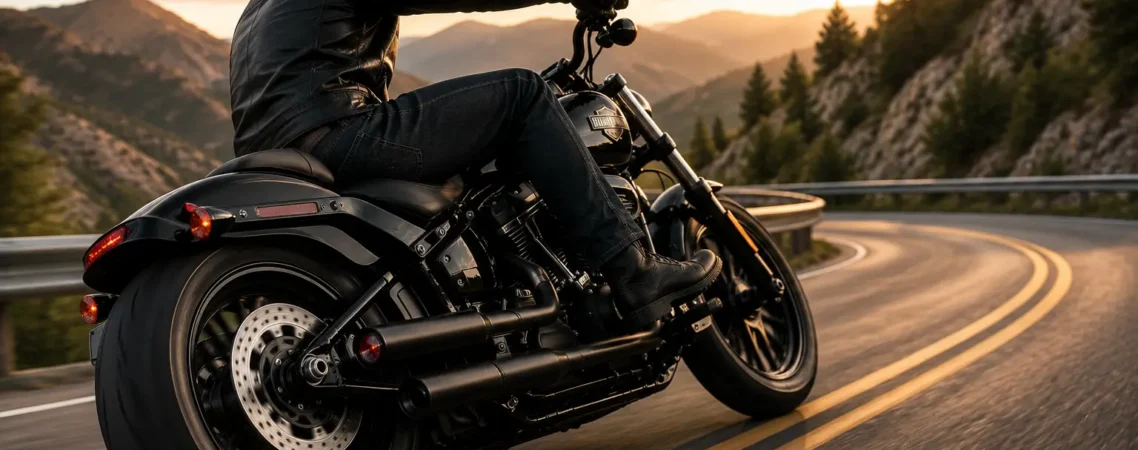
The Harley Softail lineup is often praised for its clean design, hidden rear suspension, and classic Harley stance. Models like the Street Bob, Low Rider S, Fat Boy, Breakout, and Heritage Classic look planted and aggressive straight from the factory. The search trends show Harley Softail handling problems, Softail suspension upgrade, and why does my Softail feel unstable reveal a different reality once riders start pushing these bikes beyond casual cruising.

What follows is not theory or marketing language. This is based on real rider feedback, common owner complaints, and the upgrades Softail riders consistently say made the biggest difference in how their bike actually feels on the road.

Why Stock Softail Handling Feels Off to Many Riders?

The most common misconception among new Softail owners is assuming weight equals stability. In practice, stock Softail suspension is tuned for comfort, appearance, and cost control, not aggressive riding or imperfect roads.

Riders searching Harley Softail cornering issues or Softail feels unstable at speed often describe similar sensations. Excessive front-end dive under braking, rear-end wallowing in corners, and vague feedback at highway speeds. None of this means the Softail is poorly engineered. It means the factory setup prioritizes a smooth ride over precise control.

Once riders upgrade their pace or ride longer distances, these limitations become impossible to ignore.

Riders Notice Front Suspension Upgrades Immediately

Among all Harley Softail handling upgrades, front suspension changes receive the most consistent praise. Stock forks are soft and lightly damped, which works fine at relaxed speeds but breaks down under real-world conditions like uneven pavement, braking into corners, or quick direction changes.

Riders who upgrade fork springs or install cartridge kits frequently report a dramatic improvement in confidence. Brake dive is reduced, steering feels more predictable, and the front tire communicates better through the bars. This is why keywords like Softail fork upgrade and Harley Softail front suspension improvement continue to trend.

What matters most is proper spring rates matched to rider weight. Many riders discover their Softail finally feels stable once the front end stops collapsing under load.

Rear Shock Upgrades Transform the Bike

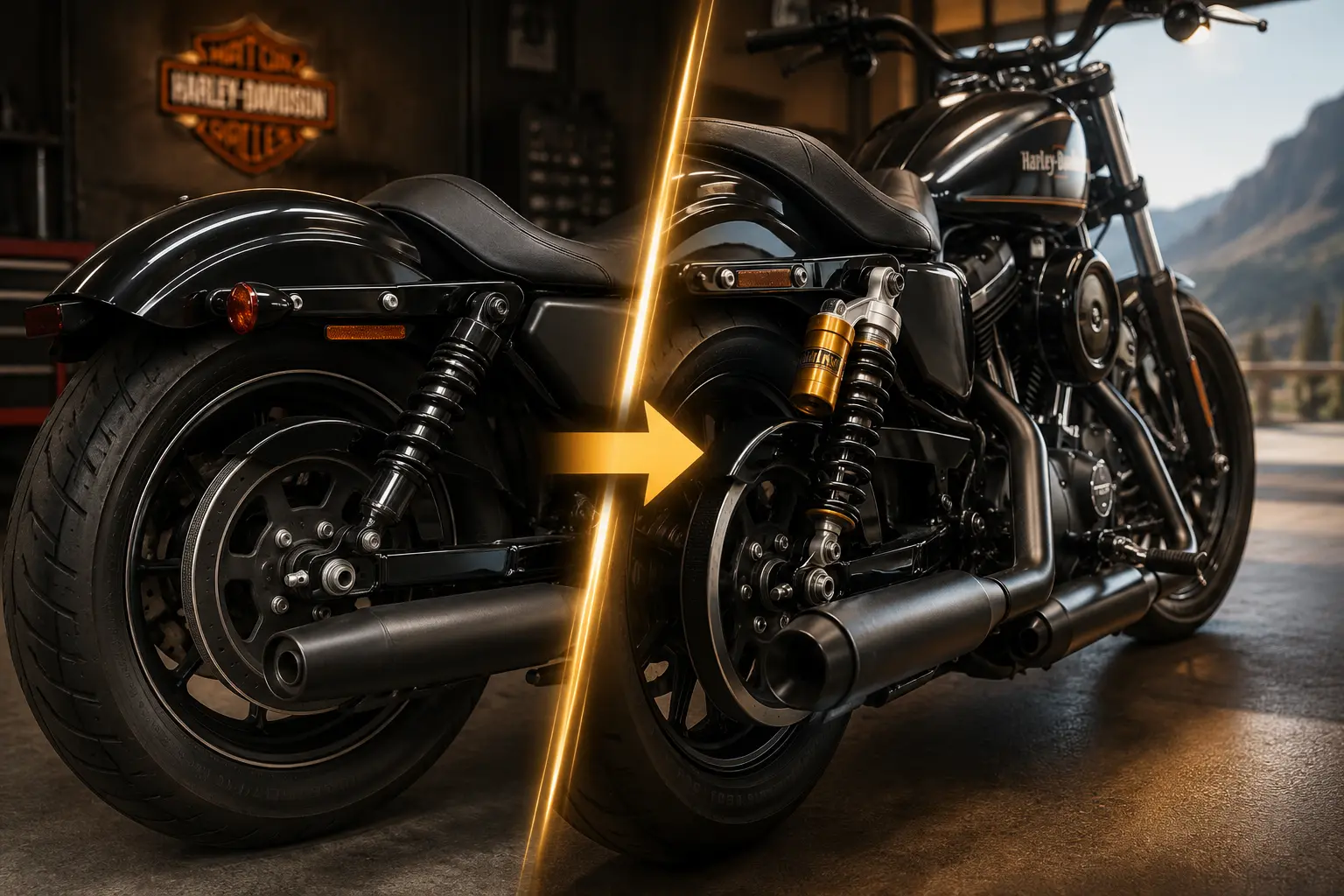
The hidden rear shock is one of the Softail’s visual strengths and one of its handling weaknesses. Searches for Harley Softail rear shock upgrade and Softail rear suspension problems often come from riders frustrated by a harsh ride combined with poor cornering support.

Upgrading the rear shock improves more than comfort. Riders report better traction on corner exit, less chassis movement mid-corner, and improved control during quick transitions. A quality rear shock also helps the bike track straighter at highway speeds, addressing complaints related to Softail stability at speed.

Many riders say this single upgrade made their Softail feel like an entirely different motorcycle.

Rear Shock Upgrades Transform the Bike

Tires and Handling Feedback

Tires are often overlooked until handling issues appear. High-intent searches like best tires for Harley Softail handling exist because factory tires are chosen for longevity and straight-line stability, not feedback or grip.

Riders switching to performance-oriented cruiser tires consistently report better turn-in, improved wet grip, and more predictable behavior near the limits. Tires alone will not fix suspension flaws, but combined with suspension upgrades, they unlock the Softail’s true potential.

Handlebar and Ergonomic Changes Improve Control

Another insight that appears repeatedly in rider feedback is the impact of ergonomics on handling. Searches such as Harley Softail handlebar upgrade and Softail riding position control highlight this.

Bars that are too wide, too high, or poorly angled reduce leverage and feedback. Riders who switch to bars that better match their height and riding style often feel more connected to the front wheel. This translates to better low-speed control and more confidence during spirited riding.

Ergonomics do not add performance on paper, but they significantly affect how well a rider can use the performance that already exists.

Swingarm and Chassis Stability Concerns

Some Softail riders experience vague rear-end movement during aggressive riding, leading to searches like Softail chassis flex or Harley Softail wobble. While true chassis flex is rare, worn bushings and factory tolerances can contribute to imprecise feedback over time.

Upgrading swingarm components or ensuring proper alignment often tightens the bike’s feel. Riders describe the rear end feeling more planted and predictable, especially during fast sweepers or uneven pavement.

Brakes and Handling Confidence

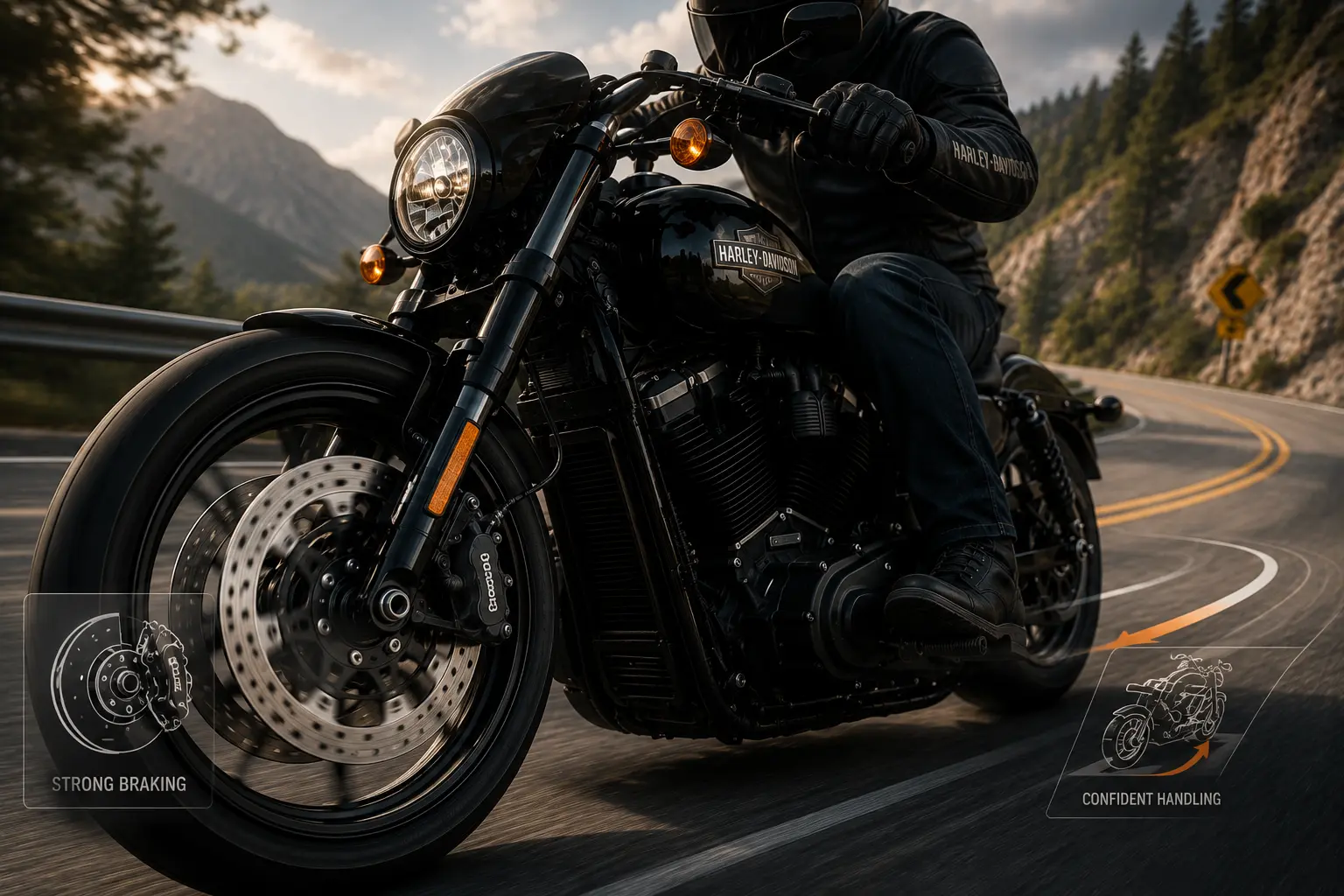
Handling is not just about turning. It is also about how confidently a bike slows down. Many riders searching for a Harley Softail brake upgrade do so because poor braking feel undermines corner entry confidence.

Steel braided brake lines and higher-quality brake pads improve lever feel and consistency. Riders often report smoother trail braking and better control entering corners, which directly improves overall handling perception.

Brakes and Handling Confidence

Real Rider Feedback on Upgrade Order

One of the most valuable patterns in rider feedback is upgrade sequencing. Riders who chased exhausts and engine mods first often felt disappointed. Those who focused on Softail suspension upgrades, tires, and ergonomics consistently report the biggest gains in satisfaction.

This aligns with search behavior around best first upgrade for Harley Softail and Softail upgrades that actually matter. Handling upgrades deliver benefits every time the bike moves, not just during hard acceleration.

Where Riders Source Reliable Harley Softail Parts?

As riders progress from researching to buying, trust becomes critical. Many Softail owners look for suppliers that understand fitment, riding styles, and real-world performance needs. Aliwheels has become a reliable source for Harley parts, including suspension components, brake upgrades, and handling-focused accessories that align with what riders actually need, not just what looks good in a catalog.

Having access to properly matched parts reduces trial and error and helps riders build a setup that works as intended.

The Bigger Picture on Softail Handling

The Harley Softail is not a flawed platform. It is simply misunderstood. From the factory, it is tuned for broad appeal. With the right handling upgrades, it becomes precise, confident, and surprisingly capable.

Riders who invest in suspension, tires, and ergonomics consistently describe a bike that feels lighter, more stable, and easier to control. That is why Harley Softail handling upgrades remain one of the highest-intent search topics among cruiser riders. Similarly, Aliwheels remains the first choice of Harley owners when it comes to reliable Harley Davidson Parts. No matter the model, Aliwheels has almost every single part of Harley available. Check out the following link. 

When handling improves, trust follows. And once a rider trusts the bike, the entire riding experience changes for the better. That is what Aliwheels exists for. 

(Commenting: OFF)

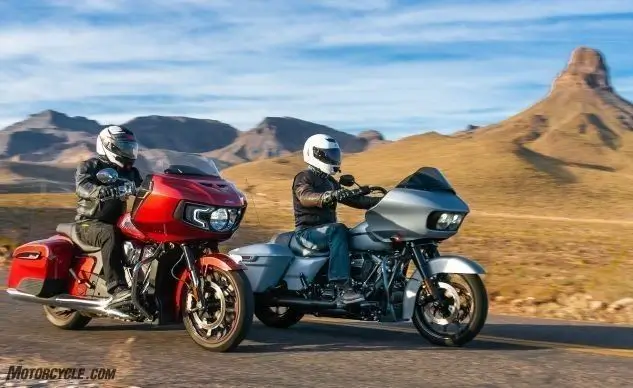
If you are choosing between the Indian Challenger and the Harley Road Glide, chances are you are not comparing horsepower numbers anymore. You are thinking about how the bike feels after hours on the highway, how stable it stays at speed, and whether engine heat becomes a constant distraction in traffic or warm climates.

Both are premium American touring motorcycles built for long-distance riding. Both have loyal followings. Yet riders who test or own them often report very different experiences when it comes to stability and heat management.

This comparison breaks down what actually matters on the road, not on a spec sheet, so you can decide which bike fits your riding style and expectations.

Why Stability and Heat Matter More Than Specs

When touring bikes cross 800 pounds with fuel and luggage, small design choices become big factors. Stability affects confidence during crosswinds, lane changes, and high-speed cruising. Heat affects comfort, fatigue, and how long you enjoy the ride before wanting to get off the bike.

Searches like Indian Challenger stability issues, Road Glide highway wobble, and Harley heat management problems continue to grow because riders are trying to solve real-world discomfort rather than chase peak numbers.

Indian Challenger Stability: Sport Touring Personality

The Indian Challenger was designed with aggressive touring in mind. It uses a frame-mounted fairing, inverted front forks, and a more modern chassis layout compared to most traditional cruisers.

How It Feels at Speed

Riders often describe the Challenger as planted and predictable at highway speeds. The frame-mounted fairing reduces steering input from wind, which helps the bike stay composed when passing trucks or riding in gusty conditions. This design is a big reason why many riders feel confident pushing the Challenger harder through sweeping turns.

Common rider observations include:

  • Strong straight-line stability at 70 to 90 mph
  • Minimal steering correction in crosswinds
  • More sportbike-like front-end feedback for a touring bike

For riders coming from performance cruisers or sport touring backgrounds, the Challenger often feels familiar and reassuring.

Harley Road Glide Stability: Balanced and Proven

The Road Glide has earned its reputation over decades. Its frame-mounted sharknose fairing was introduced specifically to improve high-speed stability compared to fork-mounted designs.

Harley Road Glide Stability: Balanced and Proven

How It Feels at Speed

The Road Glide delivers a calm, balanced ride that feels stable without being aggressive. It does not beg to be pushed hard, but it excels at steady cruising and long-distance comfort.

Typical rider feedback includes:

  • Excellent highway stability during long touring days
  • Predictable steering with a heavier feel than the Challenger
  • Slightly more body movement over rough pavement due to softer stock suspension

Some riders report minor front-end wander at very high speeds or when suspension is worn, which is usually resolved with suspension upgrades rather than being a design flaw.

Heat Management: Where the Differences Become Clear

Heat is where these two bikes start to feel very different, especially in stop-and-go traffic or warm weather riding.

Indian Challenger Heat Experience

The Challenger uses a liquid-cooled PowerPlus engine, which helps manage heat more effectively than traditional air-cooled V-twins.

Rider Experience

Most Challenger owners report:

  • Less radiant heat on legs during city riding
  • Faster cooldown after traffic stops
  • More consistent engine temperature in summer conditions

However, heat is not eliminated entirely. Exhaust routing and rear cylinder proximity can still create warmth during extended low-speed riding, but overall, the Challenger performs better in heat-heavy environments.

Search interest around Indian Challenger heat issues exists, but complaints are generally milder compared to air-cooled touring bikes.

Harley Road Glide Heat Experience

The Road Glide uses Milwaukee-Eight engines that are air-cooled with oil cooling assistance. Harley has made improvements over the years, but heat remains a common rider concern.

Rider Experience

Road Glide owners often mention:

  • Noticeable heat on inner thighs in traffic
  • Increased discomfort during summer touring
  • Heat buildup during long idle periods

That said, many riders adapt with airflow management, heat shields, exhaust upgrades, and riding gear choices. Heat issues are real, but they are also manageable with the right setup.

This is why searches like Harley Road Glide heat problems and Road Glide heat fix continue to rank strongly.

Suspension and Weight Distribution Comparison

Stability and heat are closely tied to suspension and weight distribution.

Indian Challenger

  • Inverted front forks offer better feedback
  • Stiffer stock suspension improves control
  • Slightly higher center of gravity due to engine layout

The Challenger favors riders who want sharper handling and less float at speed.

Harley Road Glide

  • Traditional touring suspension prioritizes comfort
  • Lower center of gravity helps low-speed balance
  • Softer factory setup absorbs road imperfections better

Many Road Glide riders upgrade suspension early to improve stability without sacrificing comfort.

Which Bike Handles Wind Better?

Both bikes use frame-mounted fairings, which dramatically reduce wind-induced steering input.

  • The Challenger cuts through wind with a more aggressive feel
  • The Road Glide feels heavier but steadier during long highway stretches

Riders who frequently face crosswinds or ride open highways tend to appreciate both designs, but preferences vary based on riding style.

Which Bike Handles Wind Better?

Ownership, Upgrades, and Long-Term Comfort

This is where aftermarket support becomes important.

The Road Glide benefits from massive aftermarket availability. Riders can fine-tune suspension, heat management, braking, and comfort with ease. Reliable Harley parts from trusted suppliers like Aliwheels allow Road Glide owners to address known pain points without guesswork. From heat shields to suspension upgrades, having access to quality components makes a noticeable difference.

The Indian Challenger has a growing aftermarket, but options are still more limited. Some riders appreciate the Challenger feeling dialed-in from the factory, while others miss the ability to customize as deeply.

Which One Is Right for You?

Choose the Indian Challenger if:

  • You prioritize modern performance and sharper handling
  • Heat management is a top concern
  • You enjoy a sport-touring feel in a touring package

Choose the Harley Road Glide if:

  • Long-distance comfort matters more than aggressive handling
  • You want proven touring stability
  • You value deep aftermarket support and customisation options

Neither bike is objectively better. They simply serve different rider personalities.

Final Thoughts

The Indian Challenger vs Harley Road Glide stability and heat comparison comes down to riding style, climate, and expectations. The Challenger feels modern, controlled, and cooler. The Road Glide feels traditional, comfortable, and endlessly customizable.

Understanding how stability and heat affect your daily rides is more important than chasing peak numbers. Riders who match the bike to their real-world needs end up happier and ride longer.

If you choose the Road Glide and plan to refine its ride, sourcing dependable parts from established suppliers like Aliwheels helps ensure upgrades improve comfort and reliability rather than compromise them.

In the end, the best touring bike is the one that keeps you riding when the road gets long, the weather gets hot, and the miles keep coming.

(Commenting: OFF)

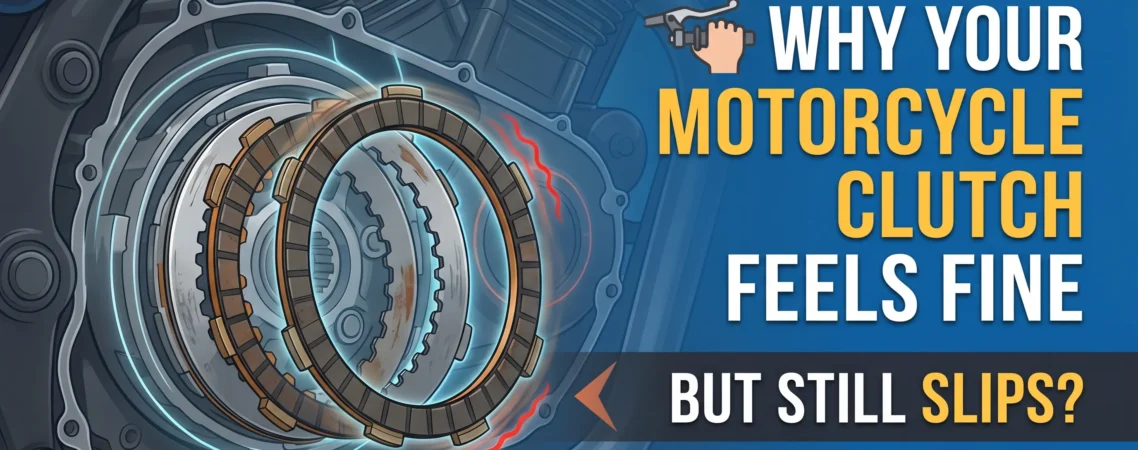
Clutch slip is one of the most confusing motorcycle problems riders face. The lever feels normal. Engagement seems smooth. There are no scary noises. Yet under hard acceleration, uphill riding, or highway roll-ons, the engine revs climb faster than the bike moves.

Many riders assume a slipping clutch should feel obviously broken. In reality, clutch slip often starts subtly and hides behind normal lever feel. By the time it becomes obvious, damage is already happening.

Understanding why this happens can save you money, frustration, and a ruined ride.

Clutch feel and clutch grip are not the same thing

The clutch lever tells you almost nothing about how well the clutch plates are gripping. Lever feel is influenced by the cable or hydraulic system, springs, and pressure plate movement. Actual power transfer happens deep inside the clutch pack.

A clutch can feel perfectly smooth at the lever while the friction plates are no longer able to hold torque under load. This disconnect is why riders often misdiagnose early clutch problems.

If your bike accelerates normally at low throttle but slips when you open it up, the clutch is already struggling.

Worn friction plates do not fail all at once

Clutch friction plates wear gradually. Early wear reduces grip only under higher torque situations. This means cruising feels fine, city riding feels fine, but aggressive acceleration exposes the weakness.

Sportbikes, high-torque twins, and heavily loaded touring bikes are especially prone to this type of wear pattern. Riders who ride gently most of the time may not notice until a highway pass or uphill climb reveals the slip.

By then, the plates are already beyond their ideal service life.

Oil choice plays a bigger role than most riders realize

One of the most overlooked causes of clutch slip is engine oil. Motorcycles with wet clutches rely on oil that balances lubrication and friction. Automotive oils often contain friction modifiers that are great for cars and terrible for motorcycles.

Even some motorcycle-labeled oils are optimized for fuel economy rather than clutch grip. Riders often change oil brands and weeks later notice slipping, never connecting the two.

If clutch slip appears shortly after an oil change, this should be the first thing you investigate.

Weak clutch springs can hide behind smooth engagement

Clutch springs apply pressure that forces the friction plates together. Over time, heat cycles weaken these springs. When spring pressure drops, the clutch cannot hold torque even if the plates still look usable.

Because spring weakness does not affect lever smoothness much, riders rarely suspect it. The clutch engages smoothly, does not chatter, and feels normal until load increases.

Replacing worn springs is often cheaper and simpler than replacing the entire clutch pack, but it is frequently skipped.

Cable and hydraulic adjustment can cause partial disengagement

Improper clutch adjustment is another silent culprit. Too little free play can keep the clutch slightly disengaged even when the lever is released. This creates constant micro-slip that accelerates wear.

Hydraulic clutches can suffer from similar issues if air, contamination, or failing seals prevent full pressure release. The lever may feel fine, but the clutch never fully clamps down.

This is especially common after bar changes, lever swaps, or aftermarket clutch installs.

Heat damage changes friction behavior

Repeated hard launches, heavy traffic riding, towing loads, or riding in extreme heat can glaze clutch plates. Glazed plates still work at low torque but lose grip as temperature rises.

This creates a vicious cycle. Slip generates heat, heat reduces friction, and reduced friction causes more slip. Riders often mistake this for a tuning or fueling issue because the problem worsens as the bike gets hotter.

Once glazing occurs, performance rarely returns without replacing or resurfacing components.

Aftermarket parts can introduce compatibility issues

Not all aftermarket clutch components are created equal. Mixing friction plates, steels, and springs from different brands can change stack height and pressure characteristics.

Incorrect stack height may allow smooth engagement but insufficient clamping force. This leads to slip that is hard to diagnose without measuring components.

Sourcing correct-fit clutch components from reliable suppliers like Aliwheels helps reduce these mismatches and ensures parts are designed to work together under real riding conditions.

Riding style accelerates slip without obvious warning

High torque at low RPM is especially hard on clutches. Lugging the engine, aggressive roll-ons in high gears, and frequent stop-and-go riding all increase clutch stress.

New riders often blame themselves. Experienced riders often blame the bike. In reality, modern engines make more torque than older clutches were designed to handle, especially after intake, exhaust, or tuning changes.

Even mild power upgrades can push a marginal clutch over the edge without changing how it feels at the lever.

Why slip shows up first at highway speeds

Many riders notice clutch slip first during highway riding. This is because aerodynamic drag increases rapidly with speed. Holding high speed requires sustained torque, not just brief bursts.

At highway speeds, a weak clutch cannot recover between loads. The slip becomes consistent and obvious, even though city riding still feels normal.

This pattern is a key diagnostic clue that separates clutch problems from fueling or ignition issues.

When replacement becomes unavoidable?

Once a clutch starts slipping consistently, no adjustment or oil change will reverse the damage. Continued riding only accelerates wear and can damage steel plates and the clutch basket.

Replacing components early often means replacing friction plates and springs only. Waiting too long can require a full clutch rebuild, including steels and basket components.

This is why addressing early symptoms matters.

Final thoughts

A slipping clutch rarely announces itself loudly at first. It hides behind smooth lever feel, normal engagement, and everyday rideability. By the time it becomes undeniable, the damage is already done.

Paying attention to subtle changes in acceleration, load behavior, and oil choice helps catch the problem early. Choosing properly matched components from trusted sources like Aliwheels ensures your clutch is built to handle real-world riding, not just short test rides.

A healthy clutch does not draw attention to itself. It simply transfers power cleanly, mile after mile, without drama.

(Commenting: OFF)

Or login with your social account