


bikerbiker Aliwheels is a leading motorcycle parts supplier offering free shipping anywhere in the world on orders above $300. Please note that all of our motorcycle parts and accessories are certified and tested. With more than 10,000* products to choose from this is your one place to get the motorcycle part you need. Browse our vast inventory of motorcycle radiators, fairings, clutch plates, headlights, chains, and sprockets. biker

A squeaky motorcycle chain is more than just an annoying sound. It is one of the earliest warnings your bike gives before real wear, power loss, or expensive drive train damage shows up. Many riders ignore it or try quick fixes that mask the noise but shorten chain life even faster.Understanding why chain squeak happens and how to properly stop it can dramatically extend chain and sprocket life, improve throttle smoothness, and save money long term.

Why Motorcycle Chains Start Squeaking in the First Place?

Why Motorcycle Chains Start Squeaking in the First Place


Why Motorcycle Chains Start Squeaking in the First Place

A chain squeak almost always comes from friction. That friction can be caused by dryness, contamination, misalignment, or wear, often a combination of all four.

Modern motorcycle chains are sealed with O-rings or X-rings, which trap grease inside each link. When the outer surfaces dry out or collect grit, metal starts rubbing where it should glide. That rubbing produces the high-pitched squeak riders hear most clearly at low speeds.

Another common cause is incorrect chain tension. A chain that is too tight places constant stress on the rollers and sprockets. A chain that is too loose slaps and vibrates, creating noise and uneven wear. Both conditions shorten lifespan quickly.

Alignment issues also play a role. Even a slightly misaligned rear wheel can force the chain to run at an angle, increasing friction across every rotation.

Why Spraying Random Lubricant Often Makes Things Worse?

Many riders grab whatever spray is nearby and coat the chain heavily. This sometimes quiets the noise temporarily, but it often attracts dirt, road dust, and moisture.

Heavy, sticky lubricants trap debris. That debris acts like sandpaper, grinding away at chain rollers and sprocket teeth. The squeak may disappear, but wear accelerates.

Chains do not need to be drenched. They need the right lubricant, applied correctly, and only after proper cleaning.

The Correct Way to Clean a Motorcycle Chain

Stopping chain squeak starts with cleaning, not lubrication.

Use a motorcycle-specific chain cleaner or a mild petroleum-based cleaner that is safe for O-ring chains. Avoid harsh degreasers or solvents, as they can damage the sealing rings.

A soft chain brush helps remove grime from between the rollers and side plates. Rotate the rear wheel slowly and clean the entire chain evenly. Focus on removing dirt, not scrubbing aggressively.

Once clean, wipe the chain dry with a lint-free cloth. This step is crucial. Lubricant applied to a dirty or wet chain will not bond properly.

The Correct Way to Clean a Motorcycle Chain

Choosing the Right Chain Lubricant

Not all chain lubes are created equal. The best lubricants penetrate the rollers, resist fling-off, and do not attract excessive dirt.

Dry or semi-dry chain lubes work well for daily riding and dusty environments. They reduce buildup and keep the chain cleaner longer. Wet lubes offer better protection in rain but require more frequent cleaning.

The goal is a thin, even coating. Apply lubricant to the inside of the chain while rotating the wheel, allowing centrifugal force to distribute it outward during riding.

After application, let the lube set for at least 15 to 30 minutes before riding. This reduces fling and improves effectiveness.

Proper Chain Tension Makes a Huge Difference

Chain squeak often comes back quickly if tension is incorrect.

Always check tension according to your motorcycle manufacturer’s specifications. Measure slack at the tightest point of the chain, not just anywhere along its length.

A chain that feels quiet after lubrication but still feels jerky during acceleration often has uneven wear or tight spots. This is a sign the chain is nearing the end of its service life.

Adjust tension gradually and recheck alignment markings carefully. Better yet, use a straight edge or alignment tool instead of relying solely on swingarm marks.

Alignment Is More Important Than Most Riders Think

Rear wheel alignment affects more than handling. It directly impacts chain noise and wear.

Misalignment causes the chain to ride improperly on sprocket teeth, increasing friction and heat. This leads to squeaking, uneven wear, and premature stretching.

If you notice squeak returning quickly after cleaning and lubrication, alignment should be checked before assuming the chain is worn out.

Riding Habits That Quiet Chains and Extend Life

How you ride matters more than most riders realize.

Aggressive throttle inputs, hard launches, and abrupt downshifts place massive stress on the chain. Over time, this creates tight spots and uneven wear that no amount of lubrication can fix.

Smooth throttle transitions and proper gear selection reduce shock loads. This keeps the chain moving evenly and reduces internal stress on O-rings.

Riding in heavy rain or dusty conditions requires more frequent maintenance. Moisture washes away lubricant, while dust contaminates it.

Chains that are cleaned and lubed consistently after harsh riding conditions last significantly longer.

When Squeak Means Replacement Is Coming?

Sometimes squeak is not a maintenance issue but a wear signal.

If a chain squeaks immediately after proper cleaning, lubrication, correct tension, and alignment, internal wear may be too advanced. O-rings harden over time and lose their ability to retain grease.

Look for stiff links, uneven stretch, or hooked sprocket teeth. These signs indicate the entire chain and sprocket set should be replaced together.

Replacing only the chain or only the sprockets often leads to continued noise and accelerated wear.

Why Quality Parts Matter for Chain Longevity?

Chain life depends heavily on manufacturing quality. Inferior chains stretch faster, lose lubrication sooner, and develop noise earlier.

Investing in a high-quality chain and sprocket set pays off in smoother operation, quieter riding, and longer service intervals.

Reliable suppliers like Aliwheels help riders source properly matched chains and sprockets that meet OEM standards. Using the right parts ensures maintenance efforts actually deliver results instead of fighting underlying quality issues.

Building a Simple Chain Maintenance Routine

Stopping chain squeak permanently is about consistency, not effort.

  • A simple routine works best:
  • Clean the chain every 500 to 800 kilometers depending on conditions.
  • Lubricate after cleaning or riding in rain.
  • Check tension and alignment regularly.
  • Inspect for wear during routine maintenance.

This approach keeps the chain quiet, smooth, and efficient while maximizing lifespan.

Ensuring Chain Squeak and Longevity

Chain squeak is not just noise. It is feedback.

Ignoring it shortens chain life and affects how your bike feels under acceleration and deceleration. Addressing it properly improves ride quality, safety, and long-term reliability.

With the right cleaning method, proper lubrication, correct adjustment, and quality parts, most chains can run quietly and smoothly for tens of thousands of kilometers.

A quiet chain is a healthy chain, and a healthy chain makes every ride better.

(Commenting: OFF)

If you ride or store a motorcycle near the ocean, rust is not a possibility. It is a certainty unless you actively prevent it. Searches like motorcycle rust prevention, motorcycle rust in coastal climates, and how to stop motorcycle corrosion are rising because coastal riders face a unique combination of salt air, humidity, and temperature swings that accelerate corrosion far faster than inland environments.

Many riders believe rust only affects neglected bikes. In reality, even well-maintained motorcycles can show corrosion within months when exposed to salty air. This guide explains why coastal climates are so aggressive, which parts rust first, and how riders actually prevent motorcycle rust long term.

Coastal Climates Destroy Motorcycles Faster

Salt is the real enemy. Ocean air carries microscopic salt particles that settle on metal surfaces, even if your bike never touches seawater. Combined with high humidity, this creates a constant electrochemical reaction that attacks exposed steel, fasteners, welds, and even aluminum components.

Riders searching why motorcycles rust near the ocean often underestimate how far salt travels inland. Even bikes stored several miles from the coast experience accelerated corrosion.

Heat cycles make the problem worse. Metal expands and contracts, allowing moisture to creep into seams, bolt threads, and electrical connectors. Over time, this causes surface rust, pitting, and eventually structural damage.

Parts That Rust First on Motorcycles

Understanding vulnerable areas is key to effective motorcycle rust prevention. Coastal riders consistently report corrosion starting in the same places.

Fasteners and bolts rust first because they are often untreated steel. Exhaust systems corrode quickly, especially welds and mounting points. Brake rotors develop surface rust overnight. Frames can rust at weld joints, especially where paint coverage is thin.

Electrical connectors are another hidden issue. Salt corrosion causes intermittent electrical problems that riders often misdiagnose as battery or sensor failure.

Washing Alone Is Not Enough

Many riders think frequent washing prevents rust. Washing helps, but it is only part of the solution. Rinsing removes surface salt, but moisture left behind accelerates corrosion if not properly dried.

Riders searching how often should I wash my motorcycle near the ocean usually get incomplete advice. The key is not just washing, but drying and protecting afterward.

After washing, compressed air or a blower helps remove trapped moisture. Riding immediately after washing also helps heat evaporate remaining water from crevices.

Protective Coatings That Actually Work

Long-term rust prevention requires barriers between metal and salt air. This is where many riders fail by choosing the wrong products.

Corrosion inhibitors designed for motorcycles form a thin protective film that repels moisture and salt. These products are widely discussed in best motorcycle rust protection searches for a reason. They work when applied regularly.

Wax-based frame and engine protectants are especially effective in coastal climates. Unlike grease, they do not attract dirt and remain stable under heat.

For chrome and polished metal, protective wax or sealant slows oxidation significantly. Bare aluminum benefits from corrosion-specific sprays rather than standard polish.

The Importance of Proper Storage

Storage plays a huge role in preventing motorcycle rust in coastal climates. Outdoor storage without protection almost guarantees corrosion.

A breathable motorcycle cover is essential. Non-breathable covers trap moisture and worsen rust. Indoor storage is best, but even garages near the coast require ventilation to reduce humidity.

Desiccant packs or dehumidifiers inside storage areas help control moisture levels. Riders searching best way to store motorcycle near ocean often overlook humidity control entirely.

Electrical System Protection

Electrical corrosion causes some of the most frustrating issues for coastal riders. Salt corrodes terminals, connectors, and grounding points.

Dielectric grease applied to connectors creates a moisture barrier without affecting conductivity. Battery terminals should be cleaned and protected regularly.

Riders who ignore this step often experience starting issues, sensor errors, and charging problems that appear unrelated to rust at first glance.

Exhaust and Brake Care in Coastal Areas

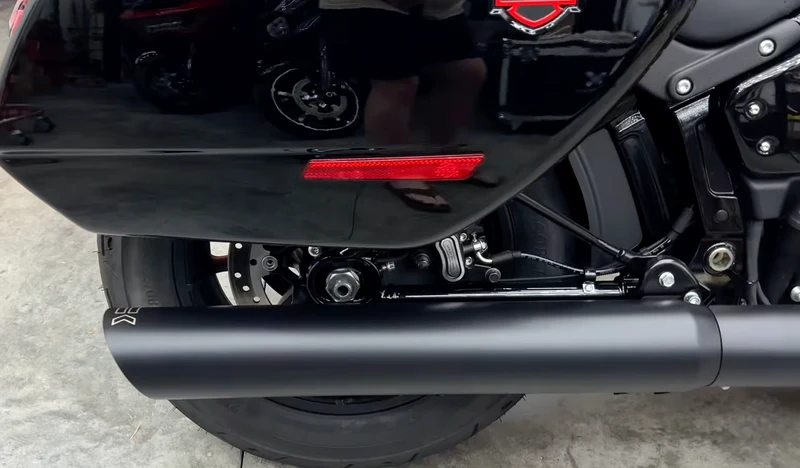
Exhaust systems are constantly exposed to heat and moisture, making them highly vulnerable. Stainless steel exhausts resist rust better, but welds and fasteners still corrode.

Applying high-temperature anti-corrosion coatings to exhaust components significantly extends their lifespan. Brake rotors benefit from light surface cleaning after washing, followed by a short ride to dry them completely.

Riders searching motorcycle brake rust overnight quickly learn that coastal humidity accelerates surface corrosion dramatically.

Fastener Upgrades That Make a Difference

One of the most effective long-term solutions is replacing vulnerable fasteners with stainless steel or coated hardware. This is especially important for exposed areas like fairings, exhaust mounts, and engine covers.

Reliable parts suppliers such as Aliwheels offer corrosion-resistant motorcycle hardware and replacement components designed to withstand harsh environments. Using quality parts reduces both cosmetic and structural rust issues over time.

Riding Frequency Matters More Than You Think

Motorcycles that sit unused rust faster than those ridden regularly. Riding heats components, evaporates moisture, and reduces salt buildup.

Even short rides help prevent corrosion. Riders searching does riding prevent motorcycle rust are often surprised how effective regular use can be compared to static storage.

Long-Term Rust Prevention Strategy

Preventing rust is not a one-time task. Coastal riders who succeed follow a routine. Regular rinsing to remove salt, thorough drying, protective coating application, and periodic inspection form the foundation.

Ignoring rust early leads to expensive repairs later. Surface corrosion spreads quickly in salty air, turning cosmetic issues into structural problems.

Final Thoughts

Living near the ocean does not mean accepting a rusty motorcycle. With the right approach, motorcycle rust prevention in coastal climates is completely manageable.

The key is understanding that salt exposure is constant, even when your bike looks clean. Protection, not just cleaning, makes the difference. Investing in proper storage, corrosion-resistant parts, and quality maintenance products keeps your motorcycle reliable, safe, and visually clean for years.For riders sourcing durable replacement parts and protective components, Aliwheels remains a reliable option, especially for motorcycles exposed to harsh coastal environments. Rust prevention is not about perfection. It is about consistency and smart choices that protect your bike where it matters most.

(Commenting: OFF)

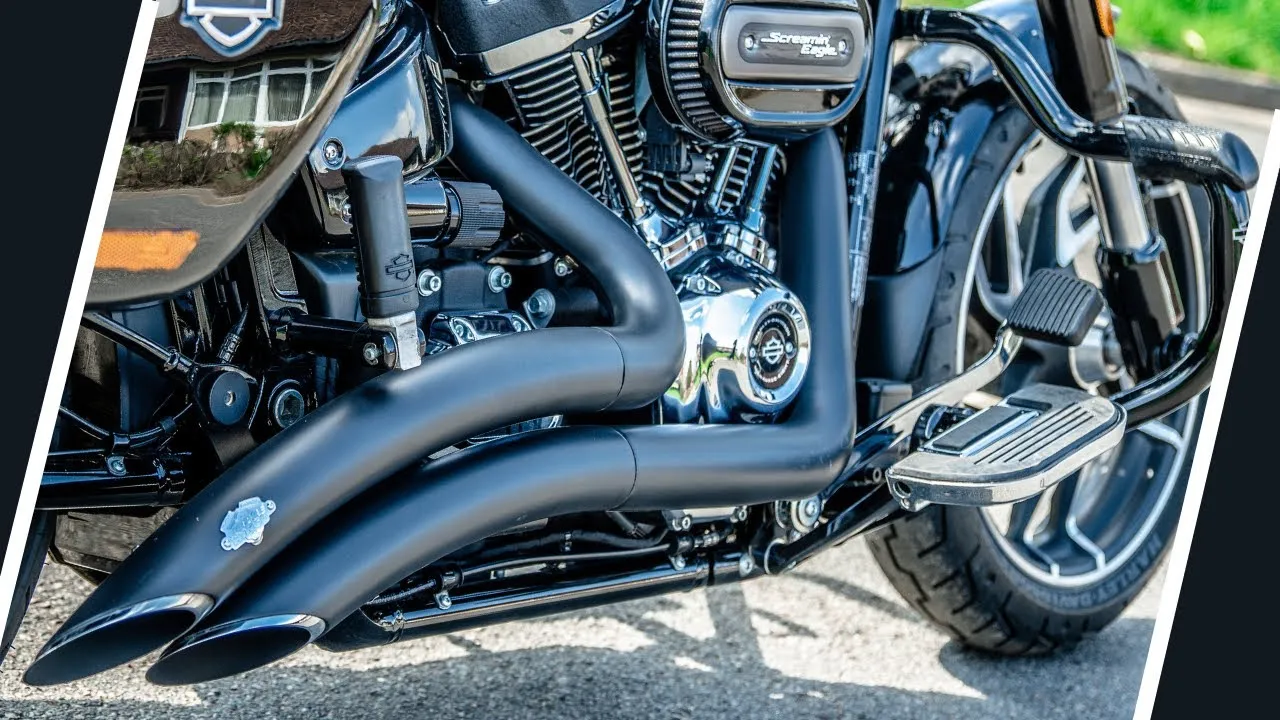
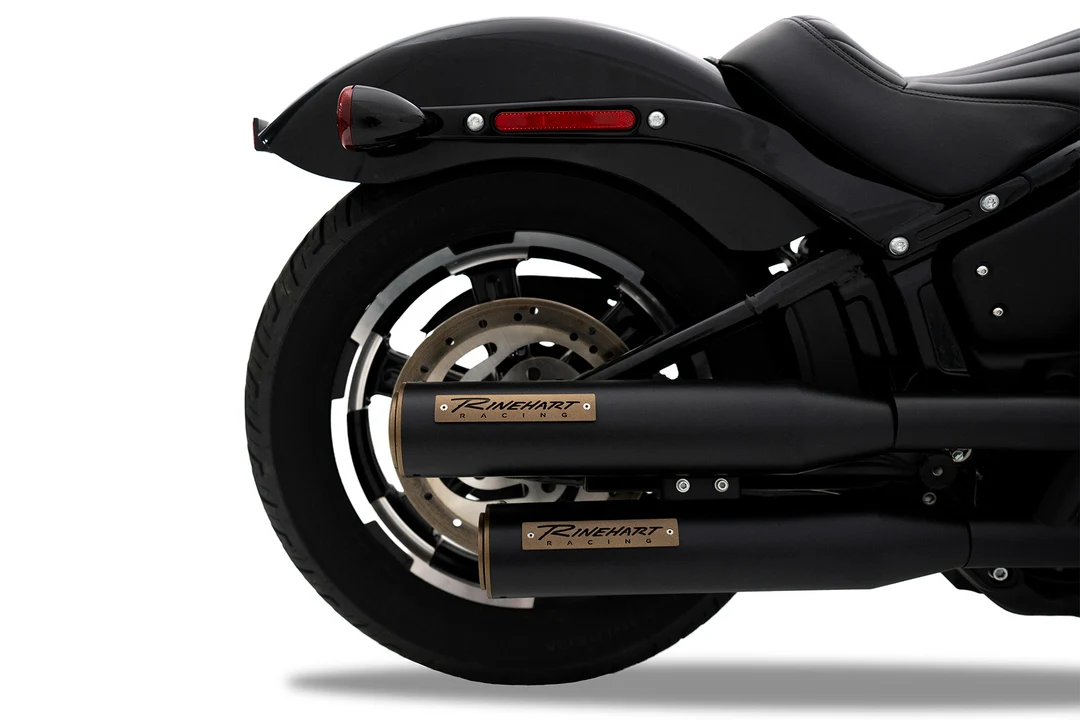
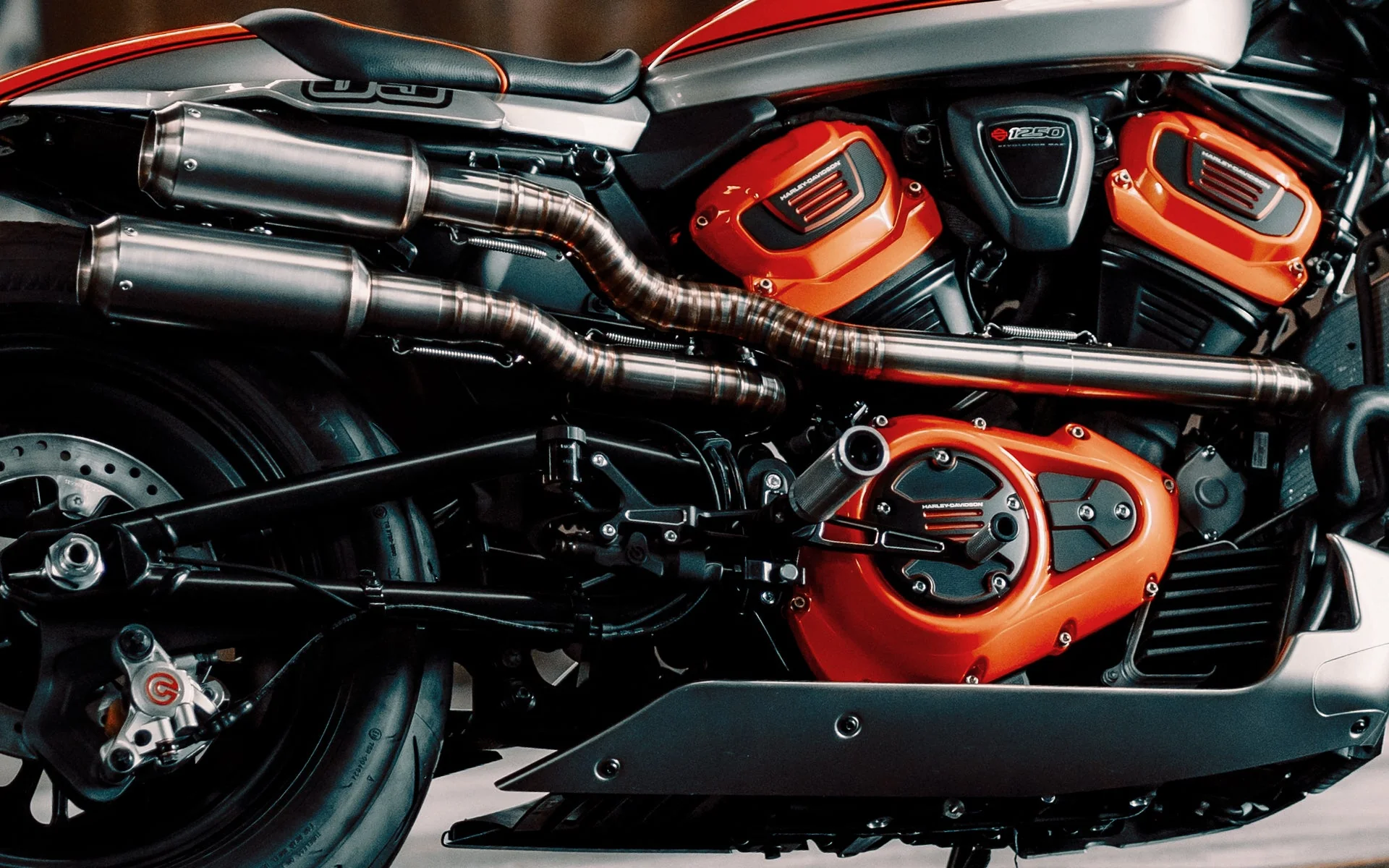
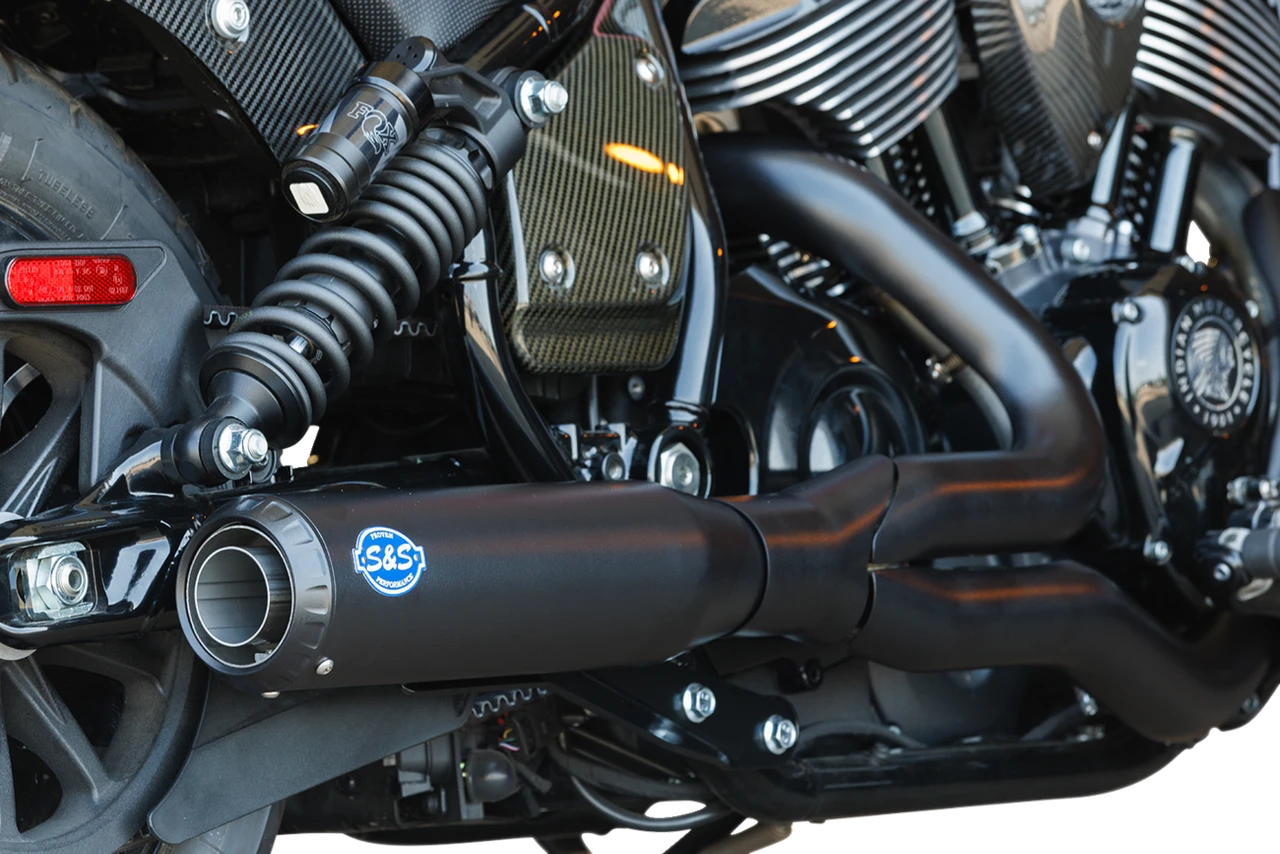
An aftermarket exhaust is often the first modification riders make. It promises better sound, lighter weight, and a more aggressive feel. On paper, it looks like an easy win. In reality, many riders install a new exhaust and slowly realize something feels off. The bike is louder, yes, but also rougher, twitchier, and harder to ride smoothly.

What most people do not expect is that the wrong exhaust can quietly ruin rideability without ever breaking anything.

Rideability is more than power and sound

Rideability is how easy and predictable a motorcycle feels in real-world riding. Smooth throttle response, usable torque at everyday speeds, stable cruising, and predictable engine braking all matter more on the street than peak horsepower.

Many exhaust systems are designed with dyno charts in mind rather than daily riding. They optimize high RPM flow and aggressive acoustics, often at the expense of low-end fueling and midrange smoothness. That tradeoff rarely shows up in marketing but becomes obvious in traffic, corners, and long rides.

Loss of low-end torque is the most common complaint

One of the first things riders notice after installing certain exhausts is weaker low-end pull. The bike feels flat below midrange RPM, requiring more throttle and more revs to move smoothly.

This happens because exhaust backpressure plays a role in torque delivery. Removing too much restriction, especially on engines tuned for street use, can hurt cylinder scavenging at lower RPMs. The result is an engine that feels eager at high revs but lazy everywhere else.

For street riders, commuters, and tourers, that tradeoff is almost always a downgrade.

Throttle response becomes jerky and unpredictable

Another frequent issue is abrupt throttle response. Riders describe it as snatchy, on-off, or overly sensitive at low speeds. Smooth corner exits become harder. Slow-speed maneuvers feel awkward. Riding in traffic turns tiring.

This is not just a rider adjustment problem. Many exhausts change airflow enough that the stock fueling no longer matches engine behavior. Without proper tuning, the ECU struggles to deliver smooth transitions, especially in the lower gears.

On modern ride-by-wire bikes, this can feel even worse because throttle maps amplify inconsistencies.

Excessive noise causes fatigue, not excitement

Loud exhausts are fun for about ten minutes. After that, the reality sets in.

Excessive volume and harsh frequencies create rider fatigue. Helmet resonance increases. Long rides become mentally draining. Passengers complain. Neighbors complain. Law enforcement notices.

More importantly, extremely loud exhausts often mask useful engine feedback. Subtle changes in RPM, traction, and throttle feel get lost behind noise, making the bike harder to ride smoothly.

A good exhaust enhances sound character. A bad one overwhelms everything else.

Heat management gets worse, not better

Many riders assume aftermarket exhausts reduce heat. In practice, some make it worse.

Thin-wall materials, poor routing, and missing heat shields can push heat closer to the rider’s legs and seat. In stop-and-go traffic or hot climates, this becomes uncomfortable quickly.

Poor exhaust design can also increase heat near sensors and wiring, contributing to long-term reliability issues that are hard to trace back to the exhaust itself.

Check engine lights and fueling issues creep in

Modern motorcycles rely heavily on exhaust sensors to manage fueling and emissions. Some aftermarket exhausts disrupt this balance.

Missing or poorly placed bungs, incompatible catalytic converter designs, or incorrect flow characteristics can confuse the ECU. Riders experience check engine lights, inconsistent idle, or poor cold starts.

While some of these issues can be resolved with tuning, many riders never tune at all, assuming the exhaust is truly plug-and-play. Months later, they are dealing with problems they never expected.

Midrange dips make bikes harder to enjoy

Dyno charts often highlight peak gains, but they rarely emphasize midrange dips. Some exhausts create noticeable torque holes right where riders spend most of their time.

The bike may feel strong at wide-open throttle but weak during casual acceleration. Passing maneuvers take more planning. Rolling on the throttle feels less satisfying than stock.

This mismatch between expectation and reality is one of the biggest reasons riders quietly regret certain exhaust upgrades.

Weight savings that do not justify the compromise

Yes, aftermarket exhausts are usually lighter. But weight savings alone do not guarantee better rideability.

Dropping a few kilograms does not help if the engine feels rough, the throttle is inconsistent, and the bike becomes louder than enjoyable. Many riders later admit they would have preferred the stock exhaust with better fueling and smoother delivery.

Ride quality matters more than numbers.

The tuning myth riders fall into

A common assumption is that tuning will fix everything. While proper tuning helps, it cannot fully compensate for poor exhaust design.

If the exhaust fundamentally shifts the powerband away from street usability, tuning can only do so much. Riders then spend more money chasing smoothness that never fully returns.

This is why exhaust choice matters more than most people realize.

Choosing an exhaust that preserves rideability

The best exhausts are designed around how motorcycles are actually ridden. They focus on smooth flow, balanced backpressure, controlled sound levels, and compatibility with factory electronics.

Well-matched systems improve character without disrupting drivability. They sound better without shouting. They feel stronger without sacrificing control.

Sourcing quality exhaust components and related parts from reliable suppliers like Aliwheels helps riders avoid compatibility issues and poorly engineered options that prioritize noise over function.

Final thoughts

A motorcycle exhaust should enhance the riding experience, not dominate it. When a modification makes the bike harder to ride, more tiring to live with, or less predictable in everyday situations, it has failed its purpose.

The most satisfying motorcycles are not the loudest or the most aggressive. They are the ones that feel effortless, responsive, and enjoyable mile after mile.

Sometimes, the best upgrade is the one you barely notice, except for how much better the bike feels when you ride it.

(Commenting: OFF)

Comfort over long miles is where Harley riders start to separate passion from practicality. Many riders fall in love with the look of a cruiser, only to realize after a few hundred miles that style alone does not carry you comfortably across states. This is why searches around touring Harley vs cruiser comfort, best Harley for long distance riding, and Harley cruiser long ride comfort continue to grow.

On paper, both touring Harleys and cruisers promise freedom. In real-world riding, their comfort over long distances feels very different. This guide breaks down those differences in a way that actually helps riders choose the right platform for their riding habits.

What Long-Distance Comfort Really Means?

Before comparing platforms, it is important to define comfort beyond just seat softness.

True long-mile comfort includes:

  • Riding posture that reduces fatigue
  • Suspension that absorbs road imperfections
  • Wind protection at highway speeds
  • Stability when fully loaded
  • Reduced vibration over time

This is where Harley touring comfort vs cruiser comfort becomes a meaningful discussion rather than a visual one.

Riding Position and Ergonomics

Cruisers place riders in a relaxed, low stance. Forward controls, low seats, and pulled-back handlebars create an easygoing posture that feels great for short rides.

Over long miles, this posture can become a drawback. Limited leg movement, pressure on the lower back, and weight concentrated on the tailbone add up over time.

Touring Harleys are different. Floorboards allow riders to shift foot position. Seats offer better lumbar support. Handlebars place the rider upright with less strain on the shoulders and wrists.

Real-world difference:

  • Cruisers feel comfortable for the first hour
  • Touring bikes feel better after the third hour
  • Touring ergonomics reduces cumulative fatigue

This is why riders often search touring Harley ergonomics vs cruiser after their first long trip.

Seat Design and Support

Seat design is one of the biggest comfort differences.

Most cruiser seats are for looks first. They are narrow, low profile, and visually clean. While comfortable initially, they often lack long-term support.

Touring Harley seats are wider, thicker, and shaped to distribute weight evenly. Passenger comfort is also significantly better.

Key observations:

  • Cruiser seats create pressure points over distance
  • Touring seats reduce lower back strain
  • Touring models support the rider and passenger equally

Many cruiser owners eventually upgrade seats to improve comfort. Aliwheels is a reliable source for Harley parts when riders look for touring-grade seat upgrades that actually improve ride quality.

Suspension and Road Absorption

Suspension is where comfort over long miles is truly won or lost.

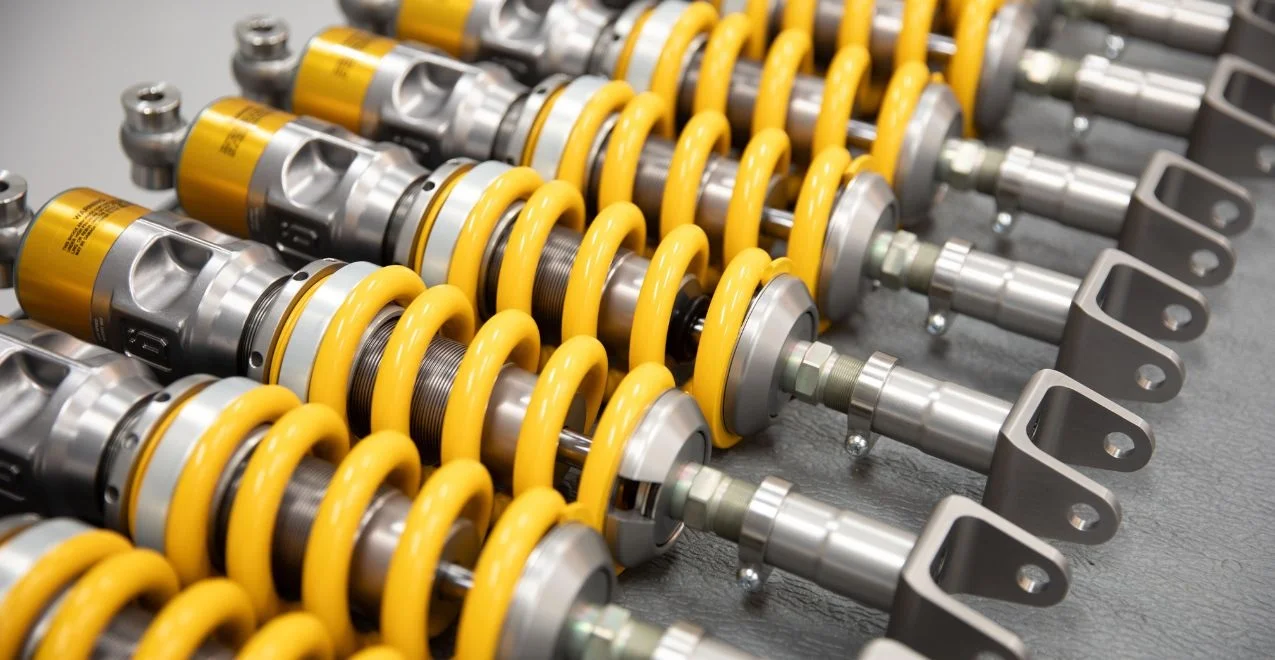
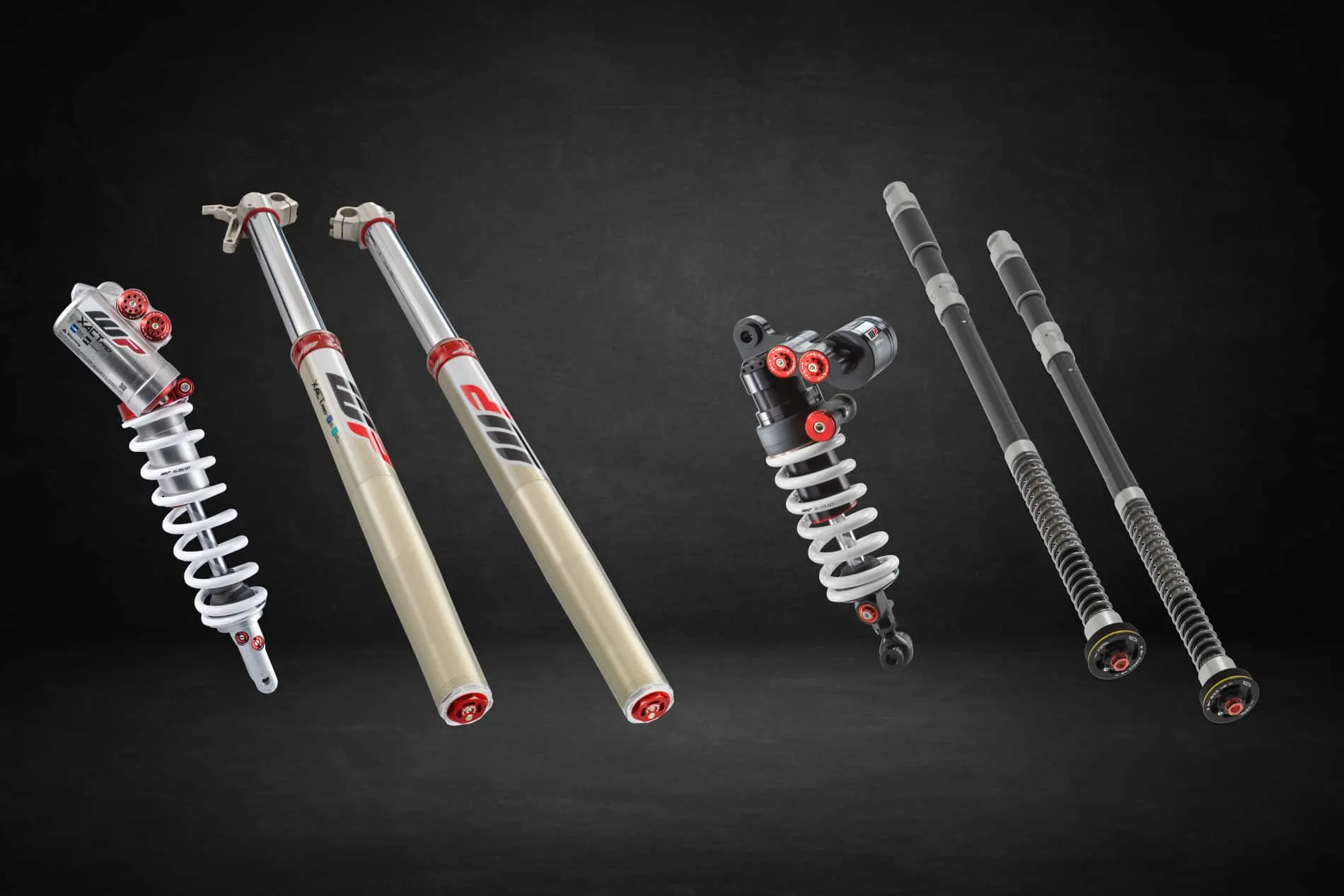
Cruisers typically have shorter suspension travel. This leads to a firmer ride and more feedback from uneven pavement, expansion joints, and potholes.

Touring Harleys use longer travel suspension tuned for load carrying and highway stability. The bike stays composed even with luggage and a passenger.

Real world results:

  • Cruisers transmit more road shock to the rider
  • Touring bikes smooth out long highway stretches
  • Touring suspension reduces fatigue on rough roads

This explains rising searches for Harley cruiser suspension comfort and touring Harley long ride comfort.

Wind Protection and Fatigue

New riders often underestimate Wind fatigue.

Cruisers offer minimal wind protection unless aftermarket windshields are installed. At highway speeds, wind pressure on the chest and helmet quickly leads to neck and shoulder fatigue.

Touring Harleys are built with wind management in mind. Fairings, windshields, and deflectors reduce buffeting and keep airflow controlled.

Real world difference:

  • Cruiser riders fight the wind constantly
  • Touring riders stay relaxed at highway speed
  • Reduced wind equals longer riding endurance

This is a major reason bethe st Harley for highway comfort searches almost always favor touring models.

Stability and Load Handling

Long-distance riding often means carrying luggage.

Cruisers are not designed to handle heavy loads. Added weight can affect balance, braking, and suspension performance.

Touring Harleys are engineered for it. Saddlebags, top cases, and passengers do not destabilize the bike. The frame and suspension remain predictable even when fully loaded.

Rider feedback consistently shows:

  • Touring bikes feel planted under load
  • Cruisers feel less stable when packed
  • Touring bikes inspire confidence on long trips

Vibration and Engine Comfort

Engine vibration plays a large role in long-mile comfort.

Cruisers often transmit more engine vibration through the seat and handlebars, especially at sustained speeds.

Touring Harleys are tuned for smoother highway cruising. Rubber mounting, counterbalancing, and gearing reduce vibration over time.

This difference becomes noticeable after several hours of riding and contributes to overall fatigue.

Customization Can Narrow the Gap

Cruisers can be made more comfortable, but it takes deliberate upgrades.

Common cruiser comfort upgrades include:

  • Touring style seats
  • Suspension upgrades
  • Windshields or fairings
  • Floorboard conversions

Aliwheels is widely trusted by riders for sourcing reliable Harley parts that help cruisers handle longer miles without sacrificing their character.

Even with upgrades, touring Harleys still offer an advantage straight from the factory.

Which Harley Is Right for Your Miles?

Choose a cruiser if:

  • Most rides are under two hours
  • You value styling and simplicity
  • You ride solo more often
  • Comfort upgrades are planned gradually

Choose a touring Harley if:

  • You ride long distances regularly
  • Highway comfort matters
  • You ride with a passenger
  • You carry luggage often

This aligns with high intent searches like touring Harley vs cruiser for long rides and Harley comfort comparison for long distance.

Touring Harley vs cruiser: Final Verdict

The touring Harley vs cruiser comfort over long miles debate comes down to honest riding habits. Cruisers win on looks and simplicity. Touring Harleys win where endurance matters.

For riders who regularly chase the horizon, touring models deliver comfort that reduces fatigue, increases confidence, and makes every mile more enjoyable. With quality components and upgrades from trusted sources like Aliwheels, both platforms can be refined, but the touring Harley remains the clear choice for long-distance comfort.

(Commenting: OFF)

Or login with your social account