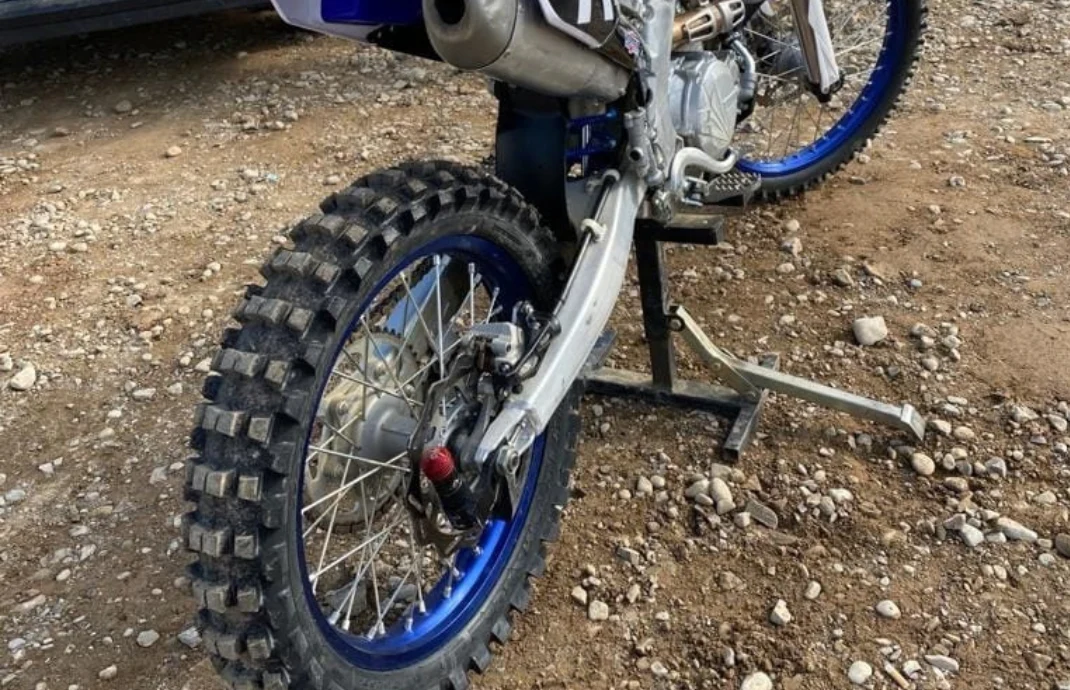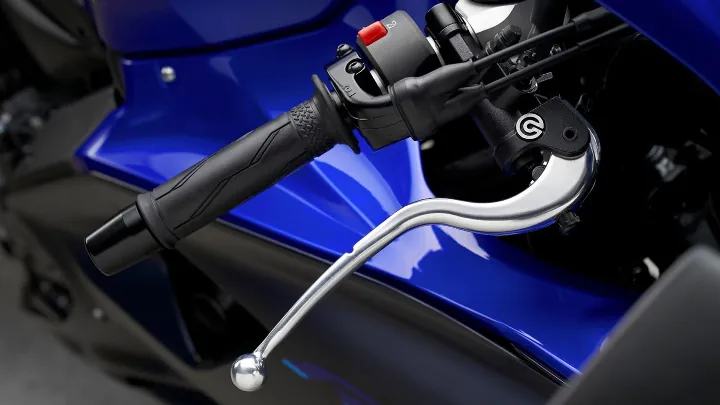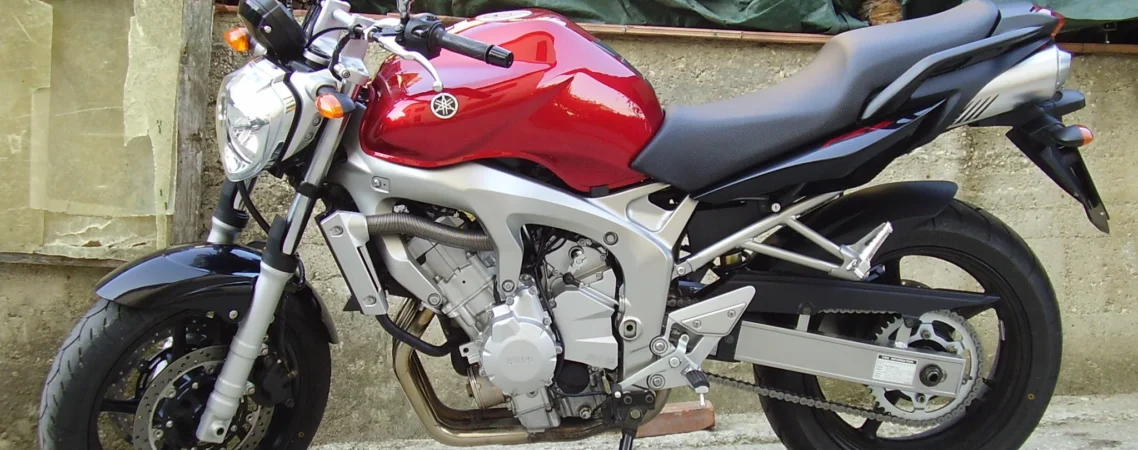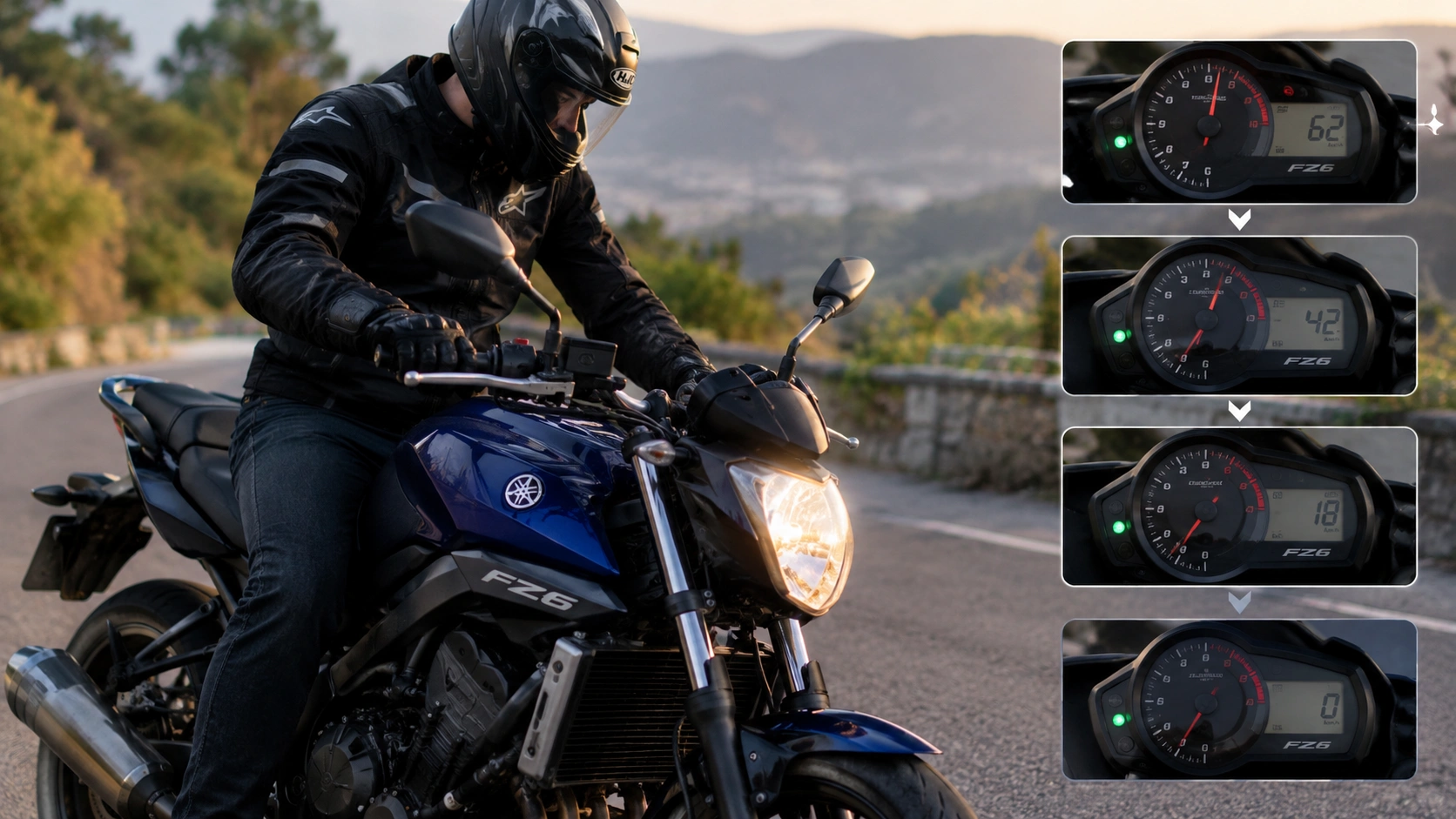



bikerbiker Aliwheels is a leading motorcycle parts supplier offering free shipping anywhere in the world on orders above $300. Please note that all of our motorcycle parts and accessories are certified and tested. With more than 10,000* products to choose from this is your one place to get the motorcycle part you need. Browse our vast inventory of motorcycle radiators, fairings, clutch plates, headlights, chains, and sprockets. biker

Free Shipping over $300

Support 24/7

Secure Payments

Hot Offers

Aliwheels is a leading motorcycle parts supplier offering free shipping anywhere in the world on orders above $300. Please note that all of our motorcycle parts and accessories are certified and tested. With more than 10,000* products to choose from this is your one place to get the motorcycle part you need. Browse our vast inventory of motorcycle radiators, fairings, clutch plates, headlights, chains, and sprockets.

Free Shipping over $300

Support 24/7

Secure Payments

Hot Offers

The Yamaha FZ-07 (sold as the MT-07 in most international markets) is genuinely one of the best naked middleweights ever produced. The 689cc parallel twin is responsive, characterful, and well-matched to the nimble chassis. Every experienced rider who has spent time on one says the same thing: the engine and frame are class-leading. The front suspension is not.

This is not a secret. Yamaha made a deliberate cost decision on the FZ-07’s front suspension to hit the bike’s aggressive pricing. The result is a standard fork that is widely acknowledged in the FZ-07 community, including on the dedicated FZ07.org forum with thousands of documented rider experiences, as undersprung for most adult riders and prone to significant brake dive under hard braking.

The good news is that this is one of the most well-documented and fixable issues in modern middleweight motorcycles. Here is the complete guide to understanding, diagnosing, and upgrading the Yamaha FZ-07 front fork suspension.

Find Yamaha FZ-07 suspension and front fork components at Aliwheels Yamaha Motorcycle Parts and Motorcycle Suspension and Frame categories. 

The FZ-07 Front Fork: What You Are Starting With

The Yamaha FZ-07 (2014-2016) uses 41mm conventional (right-side up) fork tubes with a damper rod design. The stock spring rate is approximately 0.65 kg/mm, and the fork oil level is set at 162 mm from the top of the tube.

For context, that spring rate is appropriate for a rider of approximately 150 to 165 lbs under road conditions. The FZ-07 attracts a broad rider demographic, and many FZ-07 owners weigh significantly more than this threshold. For those riders, the stock springs produce excessive sag, inadequate spring support under load, and pronounced dive under braking.

As Progressive Suspension’s product engineers noted when launching their FZ-07 suspension system, Yamaha intentionally tuned the FZ-07 to feel acceptable when new and degrade quietly — because manufacturers expect most riders to never service their suspension. The result is a fork that many riders live with for years without realising how much improvement is available.

The Specific Symptoms of FZ-07 Front Fork Problems

Understanding which symptom points to which issue saves money by directing the repair at the right component.

Excessive fork dive under braking. The front end compresses heavily when you apply the brakes, particularly from speed. The nose pitches forward dramatically. This is the most commonly reported FZ-07 front suspension complaint and is caused by springs that are too soft for the rider’s weight.

Spongy, vague front end feel through corners. The front end does not feel planted. Mid-corner bumps cause the front to move around more than expected. Again, primarily a spring rate issue — insufficient spring support means the fork is already near its travel limit at normal operating sag, leaving little suspension travel for cornering loads.

Front end bobbing or bouncing on deceleration. After braking, the fork rebounds quickly and the bike bounces through the speed change. This indicates a damping issue — either the original fork oil has degraded and thinned with age and heat cycling, or the damping is genuinely insufficient for the rider’s weight and riding style.

Fork seal leaks. Oil visible on the fork tubes indicates the seals have failed. This is a maintenance issue distinct from the performance issues above but should be addressed at the same service opportunity as any other fork work.

General instability at highway speed. Vague, wandering front end feel at highway speeds can have multiple causes including tyre pressure and head bearings. However, degraded front suspension contributes to this symptom and is worth addressing in any comprehensive diagnosis.

Yamaha FZ-07 front fork problems symptoms

The Upgrade Options: From Simple to Comprehensive

There is a spectrum of FZ-07 front fork upgrades ranging from a straightforward fork oil change to a complete cartridge conversion. Here is what each level achieves and what it costs in time and money.

Level 1: Fork Oil Replacement (Minimum $30, Maximum Improvement for the Money)

If the FZ-07 has not had its fork oil changed and has accumulated significant mileage, fresh oil at a slightly higher weight is the first step. Stock is 10-weight oil. Moving to 15-weight oil increases damping force, which directly addresses the bounce-and-dive symptoms.

Most FZ-07 owners who have never changed their fork oil report meaningful improvement from this alone. It does not address the spring rate issue for heavier riders, but it is the right starting point before any other investment.

Level 2: Fork Spring Replacement ($80 to $150)

Replacing the springs with a rate matched to the rider’s weight is the most cost-effective significant upgrade available for the FZ-07. Race Tech, Hyperpro, and Progressive Suspension all manufacture spring kits specifically for the FZ-07.

For riders between 165 and 200 lbs, a 0.80 kg/mm spring rate is the typical recommendation. For riders above 200 lbs, 0.90 to 1.0 kg/mm is appropriate. These figures come from the FZ07.org suspension forum where more than a decade of rider experience has produced reliable weight-to-spring-rate correlations.

Spring replacement combined with fresh higher-weight fork oil addresses both the spring rate and the damping issues simultaneously. This is the most commonly recommended upgrade across FZ-07 community consensus.

Level 3: Cartridge Conversion ($300 to $500)

Companies including Progressive Suspension and Andreani manufacture fork cartridge kits that convert the FZ-07’s basic damper rod fork internals to a higher-performance cartridge design. These provide fully adjustable compression and rebound damping — a significant step up from the stock non-adjustable design.

The cartridge conversion is the correct choice for riders who use the FZ-07 on track days, for aggressive sport riding, or for riders who have already done the spring upgrade and want further refinement. For everyday street and touring use, spring replacement and fresh oil deliver 80% of the available improvement at 20% of the cartridge conversion cost.

Setting Sag: The Step Most Riders Skip

Every suspension upgrade should be followed by a proper sag measurement and adjustment. Sag is the amount the fork compresses under the rider’s weight. Correct sag for the FZ-07 is approximately 30 to 35mm of rider sag at the front.

Measuring sag requires two measurements: the fork tube exposed with no weight (static sag measurement) and with the rider in full riding gear sitting normally on the bike. The difference is rider sag. If it exceeds 35mm, preload needs increasing. If it is below 25mm, preload needs reducing.

The FZ-07 stock fork has a preload adjuster on top of each fork leg that can be adjusted with a suitable tool. Setting sag correctly after spring replacement ensures the upgrade performs as intended.

Yamaha FZ-07 fork sag adjustment

What About the Rear Suspension?

The FZ-07’s rear suspension has similar issues to the front. The stock rear shock is underdamped and undersprung for the same reasons as the front. Progressive Suspension’s FZ-07 suspension system addresses both ends simultaneously, and most experienced FZ-07 owners who have addressed the front suspension eventually upgrade the rear as well for balanced handling improvement.

Read more on the Aliwheels blog: When to Replace Motorcycle Fork Oil and Shocks.

Conclusion

The Yamaha FZ-07 front fork is the most documented and most agreed-upon weak point of an otherwise outstanding motorcycle. It is also one of the most fixable. Fork oil at the right weight combined with springs matched to your body weight is the upgrade that transforms the FZ-07’s road behaviour for the majority of riders at accessible cost. The cartridge conversion is the next level for riders who want maximum performance at the front end.

Set your sag correctly after any spring work. Address the rear at the same time if budget allows. And ride the FZ-07 the way it was meant to be ridden once the suspension actually suits the person on it.

Frequently Asked Questions

Q: What fork oil weight should I use in the Yamaha FZ-07?

A: The stock specification is 10-weight fork oil at 162mm from the top of the tube with the spring removed. For riders experiencing excessive dive and bounce, 15-weight oil at the same level increases damping noticeably. Some riders running aggressive spring upgrades use 15-weight oil at a slightly higher level (140 to 150mm) for further damping increase. Do not exceed 20-weight oil without professional guidance as this can overload the stock damper rod design.

Q: How do I know if I need springs, new fork oil, or both?

A: If the fork dives excessively under braking — this is a spring rate issue. If the fork bounces and rebounds too quickly after braking — this is a damping/oil issue. If both symptoms are present, address both simultaneously. Most high-mileage FZ-07s benefit from both fresh oil and upgraded springs at the same service.

Q: Is the Yamaha MT-07 front fork the same as the FZ-07?

A: Yes. The MT-07 is the same motorcycle as the FZ-07 sold in international markets under the MT-07 designation. The suspension specification is identical. All spring rates, oil specifications, and upgrade components for the FZ-07 apply directly to the MT-07.

Q: How long does the Yamaha FZ-07 fork oil service take as a DIY job?

A: For a rider with basic mechanical skills and access to a paddock stand, a full fork oil change with spring replacement takes approximately 3 to 4 hours for the first attempt. Subsequent services are typically faster. The most involved step is removing the fork legs from the triple clamps, which requires the front wheel, brake caliper, and fender to be removed first.

Q: Will upgrading the FZ-07 front suspension change the bike’s handling character?

A: Yes, and for the better. Correctly sprung and damped suspension makes the FZ-07’s front end feel more planted, more precise, and more confidence-inspiring in corners. Riders who upgrade consistently report the bike feels more connected and easier to ride smoothly rather than fighting the front end’s movement. The handling character improves — it does not change to something unfamiliar.

(Commenting: OFF)

The Yamaha XSR700 is amongst the most rewarding middleweights available. A punchy parallel twin, agile chassis, and classic styling. However, chain noise is one of the common complaints in the forums and XSR700 owners’ groups. The good thing about chain noise challenge: Most of the causes of chain noise can be identified and fixed.

Below is a comprehensive explanation of the causes of your Yamaha XSR 700 drive chain noise and what can be done about it.

What Normal Chain Sound Looks Like?

When approaching a problem, understand what normal feels like.

Under normal riding, a well-adjusted, clean, and properly lubricated chain on the XSR700 is almost silent. Under hard acceleration, there may be a slight mechanical sound. That is normal.

What is NOT normal: Slaps, clunks, grinds, tics, rattles, or loud chain contact noises at a slow speed or when braking.

If you are hearing any of those noises, there is something wrong with your chain.

Incorrect Chain Tension 

This is the most likely reason for chain noise on the XSR700. And it is the most frequently overlooked.

The XSR700 service manual says chain slack is 35 to 45mm when measured midway down the lower chain run on the side stand. This is the preferred measurement for this bike.

If the chain is too slack, it will slam against the swingarm. A rhythmic “slapping” or “clattering” noise will be heard, particularly during deceleration as the chain is allowed to go slightly slack.

A chain that’s too tight is likewise not a problem. Produces whining or high-pitched tension noise during acceleration. It also places a huge amount of strain on the back wheel bearing, gearbox output shaft bearing, and chain.

Tension checks and adjustments should be performed every 500-1000 km or following any work done to the rear suspension.

Test the tension always with the suspension loaded. The different chain positions result in different slack readings. The minimum slack you get is determined by the tightest point in the chain’s path.

Turn the wheel back and test for slack at various points on the chain. Fit to the narrowest place. This is critical.

Dry or Contaminated Chain 

A dry chain is a loud chain. The rollers roll against the teeth of the sprocket and not against some lubricated surface.

This produces a fast ticking or grinding noise, which worsens as traffic speeds up. Almost like gravel in a wheel well at high speeds.

In dry weather, lubricate the chain every 500-800 km. More often in the rain. Each time following the bike’s wash.

Apply a good quality chain lubricant for O-ring or X-ring chains. The XSR 700 comes with a sealed chain from the factory. The rubber O-rings can be damaged by harsh solvents or by the use of the wrong lubricant. Worn seals allow the factory lubricant to leak out of the chain rollers. After this grease has worn out, the chain starts to wear at an exponential rate.

Contamination is another issue with the chain. When road grit, sand, or old dried lubricant builds up on the chain, it blocks fresh oil from reaching the rollers. Also serves as an abrasive to grind against the sprocket teeth.

Use a chain cleaner or kerosene to clean the chain. Clean up with a brush to get rid of accumulated dirt. Rinse, dry, and then reapply lubricant.

Dry or Contaminated Chain

Worn Sprocket Teeth

The chain cannot wear alone. It’s used with the front and rear sprockets.

As the sprocket teeth are worn, they are not symmetrical, but rather begin to take on a hooked or shark-fin shape. If the sprockets are worn, the new chain will skip, rattle, and wear out quickly.

Pay close attention to the front sprocket. Smaller, spins quicker, and wears much faster than the back. Disassemble the front sprocket cover and inspect the tooth profile. If the teeth are not symmetrical, but appear pointed or curved, the sprocket is worn.

It is easier to see the condition of the rear sprocket visually. Examine the side profile of the tooth. Hooked teeth are a sign of replacement.

Replace both sprocket sets if one of the sprockets is worn. A new chain on an old sprocket life will be significantly reduced.

Chain Guide and Slider Wear 

A loose chain is not a stretched chain. Chain stretch is the amount of stretch in the chain’s links due to the wear on the internal pins and bushings.

When the chain is stretched, it won’t fit properly on the sprocket teeth. The rollers do not sit in the valleys of the sprocket teeth but instead sit on the tips of the teeth. This leads to skipping, rattling, and eventually to damage of the sprocket.

Use a chain wear indicator to measure chain length. Most good tools are inexpensive and easy to use. If the chain is overextended, it needs to be replaced.

Yamaha has a chain length measurement method listed in the service manual for the XSR 700, with the original stock 520-size chain. Measure 20 links of the chain. When the measurement is above the service limit, change the chain.

A chain may appear to be in good condition, but be worn out.

The Wear of chain guides and sliders is caused by the following reasons:

The XSR 700 comes with a chain slider on the swingarm and a guide on the front. These plastic parts help keep the swingarm from coming in contact with the chain and direct the swingarm’s movement.

Dirty switters permit the chain to come into contact with the bare swingarm. This sound is a scraping or knocking and depends on the speed of the chain. It may seem like the sound is originating from the back of the bike, but it’s not easy to pinpoint exactly where.

Check the swingarm slider on top. Slider worn out completely if scoring can be seen on the swingarm from underneath it.

The replacement of the sliders is very cost-effective. Continuing contact does not create a damaged swingarm.

Misalignment of the Rear Wheel

It’s important to note that rear wheel alignment will directly influence the behavior of the chains. If the wheel is not aligned, the chain runs at an angle across the face of the sprocket. This produces lateral wear, noise, and fast wear of the components.

After any adjustment to the chain tension, verify alignment. All XSR 700 swingarms come with alignment marks on both sides. The adjusters should be in the same position on both sides of these marks.

The swingarm marks should be used in conjunction with a laser or string alignment method to ensure that they are as accurate as possible, particularly if aiming for maximum tire wear and chain life.

A slightly angled chain gives a faint, continuous rubbing noise. Can easily be confused with other problems.

Countershaft Sprocket Nut Loosening

This is not as common as you may think, but it is noteworthy.

A nut and a tab washer or locking mechanism are used to secure the front sprocket to the XSR 700. If this loosens, the sprocket can move laterally or rotationally.

The noise produced is a metallic clunking or an odd ticking sound that isn’t affected by chain tension or lubrication.

Periodically, check on the front sprocket nut torque, particularly after the first few hundred kilometers on a new sprocket and/or chain installation. The service specification of torque is mentioned in your manual.

Countershaft Sprocket Nut Loosening

When to Replace the Full Chain Kit?

If the chain or sprockets are worn, then the chain continues to make noise even after the tension, cleaning, and lubrication are adjusted.

Change the chain and two sprockets as a set. Do not use an old sprocket at the same time as a new chain or a new sprocket with an old chain. The wear profiles don’t match. Noise and very quick wear will occur after 1 km.

To choose the right replacement for your Yamaha XSR 700 drive chain, you have to use the proper size specification. The XSR 700 uses a 520-size chain. Compare the link count with the service manual for your year.

Under normal riding conditions, quality sealed chains last much longer than standard O-ring chains. This extra expense for a quality chain is more than made up for by the longer service life and lower maintenance rate.

Conclusion

Chain noise on the XSR 700 is almost always a maintenance issue rather than a design flaw. Tension, lubrication, and component wear cover the vast majority of cases.

The XSR 700’s parallel twin transmits a fair amount of torque through that chain. Keeping it in proper condition is not optional if you want reliable, trouble-free riding.

Inspect it regularly. Lube it consistently. Replace it on time. Your drivetrain will reward you with smooth, quiet, long-lasting performance.

Shop the correct replacement Yamaha XSR 700 drive chain at AliWheels for your 2018 to 2020 model.

(Commenting: OFF)

Spend enough time around Yamaha MT-09 or Kawasaki Z900 owners, and you will notice a pattern. The riders who are happiest with their bikes did not start with horsepower mods. They started underneath the bike.

That might sound backwards to anyone shopping spec sheets, but it makes perfect sense once you live with these machines.

Search behavior reflects this shift. Phrases like MT-09 suspension upgrade, Z900 handling problems, and MT-09 feels unstable appear far more often than “how to add horsepower.” Riders are not chasing speed. They are chasing confidence.

And most of them find it by fixing the suspension first.

Why the MT-09 and Z900 Feel Wild Right Out of the Box?

On paper, the MT-09 and Z900 are incredible value motorcycles. Strong engines, lightweight frames, aggressive styling, and approachable pricing. That price point, however, comes with compromises.

Suspension is where manufacturers save money.

Owners often describe the stock setup using the same words:

  • Bouncy
  • Nervous
  • Vague at speed
  • Harsh over bumps
  • Unsettled when pushed
  • Searches like MT-09 unstable at high speed and Z900 suspension too soft exist because riders experience this immediately, often within the first few rides.

The engines are not the problem. The chassis cannot keep up with them.

The Moment Riders Realize Power Is Not the Issue?

Many MT-09 and Z900 riders initially assume the bike feels sketchy because they are riding too aggressively or because the bike has too much power.

That assumption fades quickly.

The instability shows up even during moderate riding:

  • Front-end movement on the corner entry
  • Rear squat under acceleration
  • Poor feedback mid-corner
  • Fatigue on rough roads
  • This is why MT-09 handling upgrade and Z900 ride quality improvement are high-intent searches. Riders are not trying to go faster. They are trying to feel planted.

Once suspension is upgraded, something interesting happens. The bike feels calmer, smoother, and paradoxically faster without touching the engine.

Why Adding Power First Makes the Bike Feel Worse?

This is where regret comes in.

Riders who install exhausts, tunes, or intake mods before addressing suspension often report:

  • More wheelspin
  • More front-end lift
  • Worse mid-corner stability
  • Reduced confidence at speed
  • Search phrases like MT-09 too twitchy after mods and Z900 feels worse after exhaust show up because added power exaggerates existing suspension flaws.

The engine was already ahead of the chassis. Making it stronger widens the gap.

That is why experienced owners say the same thing again and again: suspension first, power later.

What Changes When Suspension Is Addressed?

Once riders upgrade suspension components, the bike feels fundamentally different.

Common improvements include:

  • Stable corner entry
  • Predictable mid-corner behavior
  • Controlled acceleration
  • Better braking feel
  • Reduced rider fatigue
  • Searches like best suspension upgrade MT-09 and Z900 rear shock replacement exist because riders want to replicate that transformation.

It is not subtle. Riders often describe it as finally feeling what the bike was meant to be.

Front Forks: Where Confidence Begins

The stock forks on both bikes are designed to be comfortable for casual riding, not aggressive cornering.

Riders complain about:

  • Excessive dive under braking
  • Poor rebound control
  • Harshness over sharp bumps
  • Upgraded springs, cartridges, or valving make an immediate difference. This is why MT-09 fork upgrade and Z900 front suspension mods rank consistently in owner searches.

Once the front end communicates clearly, riders trust the bike again.

Rear Shock: The Most Overlooked Upgrade

If there is one component riders wish they had replaced earlier, it is the rear shock.

Symptoms of a weak rear shock include:

  • Squat during acceleration
  • Wallowing mid-corner
  • Poor traction on rough pavement
  • Searches like Z900 rear shock upgrade and MT-09 rear suspension problem exist because riders feel this, but cannot always name it.

A quality rear shock transforms how power reaches the ground. Acceleration becomes smoother, more controlled, and more usable.

Why Suspension Upgrades Feel Like a Power Increase?

One of the most interesting rider observations is that improved suspension often feels like added horsepower.

Why?

Because:

  • More power reaches the tire
  • Less energy is wasted bouncing.
  • Throttle inputs feel clean.
  • The bike stays composed under load.
  • This explains searches as MT-09 feels faster after suspension and Z900 handling improvement without power mods.

The engine did not change. The bike simply stopped fighting itself.

Real-World Riding Is Where This Matters Most

On smooth racetracks, stock suspension can survive. On real roads, it struggles.

MT-09 and Z900 riders deal with:

  • Uneven pavement
  • Expansion joints
  • Mid-corner bumps
  • Variable traction
  • Suspension upgrades improve safety as much as performance. This is why MT-09 suspension safety upgrade and Z900 stable at highway speeds appear in rider forums.

Confidence is not about riding harder. It is about riding relaxed.

The Upgrade Order Experienced Owners Recommend

Talk to long-term owners, and a clear pattern emerges:

  1. Suspension
  2. Tires
  3. Brakes
  4. Ergonomics
  5. Power mods

This aligns perfectly with search trends like best first upgrade MT-09 and Z900 upgrade order.

Riders who follow this order rarely regret it. Those who do not usually circle back later.

conclusion

The MT-09 and Z900 are not flawed motorcycles. They are mismatched motorcycles. Incredible engines paired with budget suspension.

Owners who recognize this early enjoy their bikes more, ride them harder, and keep them longer.

Suspension does not add horsepower, but it unlocks what is already there. That is why MT-09 and Z900 riders upgrade suspension before power, and why almost none of them regret that decision.

Once the bike feels planted, everything else finally makes sense. Check out the MT-09 / Z900 quality parts at Aliwheels.com.

(Commenting: OFF)

For many years, Yamaha has been one of the most reputable brands in motorcycles. From sport bikes and cruisers to off-road and touring motorcycles, Yamaha is well known for producing dependable, performance-driven vehicles.  Because of outdoors exposure , and the inherent demands of riding, some Yamaha motorcycle parts will deteriorate more quickly than others. In addition to keeping your bike in top working order, replacing essential parts on time also helps to guarantee safety and peak performance.

In this blog, we’ll break down the top 5 most commonly replaced Yamaha motorcycle parts, why they matter, and how Aliwheels makes it easy to source genuine, high-quality replacements.

1. Clutch Plates

The clutch system is likely the most important part of your Yamaha, responsible for transferring power from the engine to the wheels. Clutch plates wear out slowly from friction and heat. Aggressive riding, city stop-and-go, or even long-distance touring driving can accelerate this wear.

Why They Matter?

Worn clutch plates cause slipping, uneven acceleration, and reduced power delivery.

They can damage the transmission if left unaddressed.

Replacement Tip: For smooth shifting and seamless performance, replace your clutch plates with OEM-spec Yamaha parts or trusted aftermarket substitutes available at Aliwheels.

2. Brake Pads

Your safety is more impacted by nothing else than the brakes. Yamaha motorcycles are built with tough braking systems, but brake pads are wear-and-tear items that wear down with each ride.

Why They Matter?

Worn brake pads reduced stopping power, putting you at risk while doing emergency braking.

Delaying replacement can ruin brake rotors, which means higher costs to repair.

Replacement Tip: Check brake pads often, particularly if you notice squealing sounds or vibration when you brake. Aliwheels stocks a variety of Yamaha motorcycle brake pads across various models to provide an exact fit and utmost safety.

3. Chain and Sprockets

Sprockets and the drive chain are crucial to transmitting power from the engine to the back wheel. Dirt exposure, absence of lubrication, and constant tension lead them to degrade with time.

Why They Matter?

A degraded chain could snap during a ride and lead to accidents.

Degraded sprockets create uneven power transmission and bad acceleration.

Replacement Tip: Replace the chain and sprockets as a set to ensure even running. Regular cleaning and oiling will extend their life. Aliwheels stocks durable Yamaha motorcycle chain and sprocket sets to keep your bike’s drivetrain in top shape.

4. Air Filters

Clean air is needed by your Yamaha engine to operate at peak efficiency. The air filter removes dirt, dust, and debris before they enter the combustion chamber. Filters get clogged and restrict airflow as time goes by, reducing efficiency and power.

Why They Matter?

An unclean air filter reduces fuel efficiency and acceleration.

In extreme scenarios, it can even harm your engine.

Replacement Tip: Replace your air filter as the service manual recommends or sooner if you commute in dirty environments. At Aliwheels, you can select OEM and performance air filters that keep your Yamaha breathing easy.

5. Spark Plugs

Small but mighty, spark plugs create the spark which ignites the air-fuel mixture in your Yamaha’s engine. Spark plugs foul, wear, or corrode with time, resulting in poor ignition and lost performance.

Why They Matter?

Fouled plugs cause rough idling, hard starting, and misfires.

They can reduce fuel economy and throttle response.

Replacement Tip: Check spark plugs and replace them regularly to get the best engine performance. Aliwheels offers genuine Yamaha spark plugs designed solely for your model and type of riding.

Bonus: Tires – The Unsung Hero

While not a “part” in itself, motorcycle tires must be included. They’re the sole contact between your Yamaha and the pavement. Worn-out tires are less responsive in the area of traction, handling, and safety. If your tread is badly worn or the rubber is brittle, it’s time to replace them.

How Replacing Yamaha Motorcycle Parts Works in Your Favor?

Aliwheels: How Replacing Yamaha Motorcycle Parts Works in Your Favor

Having replacements of these essential Yamaha motorcycle parts in hand has a number of benefits:

  • Safety: Trustworthy brakes, new tires, and sturdy chains minimize the chances of accidents.
  • Performance: Smooth takeoff, clean burning, and robust power transmission.
  • Longevity: Maintenance avoids expensive damage to the engine and transmission.
  • Confidence: Having your bike in its best condition provides peace of mind for each ride.

Why You Should Buy Yamaha Motorcycle Parts from Aliwheels?

At Aliwheels, we understand what riders look for: genuineity, performance, and peace of mind. Here’s why we are the first choice for Yamaha parts:

  • Genuine Fitment: We stock Yamaha motorcycle parts engineered to factory specifications.
  • Endless Choice: From clutch plates to air filters, you have everything you need under one roof.
  • Rider-Focused Support: Our team helps you choose the right parts for your bike.
  • Competitive Pricing: Good parts without sky-high prices.

Quick Delivery: Get your parts fast and get on the road.

If you’re serious about keeping your Yamaha in pristine condition, then don’t skimp on anything except for reliable, proven parts.

Clutch plates, brake pads, chains and sprockets, air filters, and spark plugs are the 5 most-replaced Yamaha motorcycle parts. These parts are essential for both safety and performance.

You can safeguard your bike, improve your rides, and make sure you’re getting the most out of your Yamaha by replacing them on schedule. AliWheels has been providing you with high-quality Yamaha Motorcycle parts that are created especially for your Yamaha motorcycle. Upgrade your Yamaha today with Aliwheels and maintain your asset like new.

(Commenting: OFF)

Or login with your social account