


Aliwheels is a leading motorcycle parts supplier offering free shipping anywhere in the world on orders above $300. Please note that all of our motorcycle parts and accessories are certified and tested. With more than 10,000* products to choose from this is your one place to get the motorcycle part you need. Browse our vast inventory of motorcycle radiators, fairings, clutch plates, headlights, chains, and sprockets.

Free Shipping over $300

Support 24/7

Secure Payments

Hot Offers

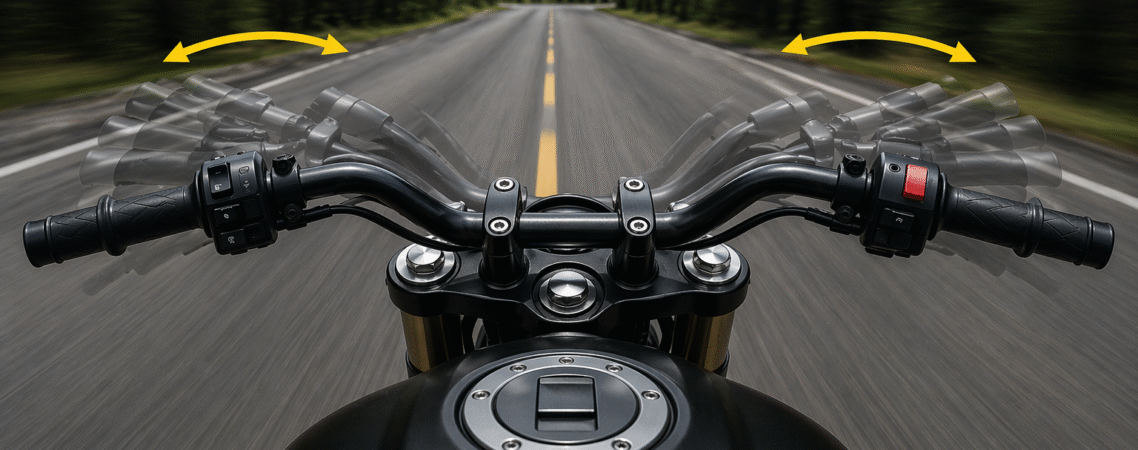
Front end wander is one of those motorcycle problems riders struggle to describe but instantly recognize once it happens. The bike feels vague, slightly unstable, or unwilling to hold a straight line, especially at highway speeds or during gentle cornering. Searches like motorcycle front end wander, front wheel wobble at speed, and why does my motorcycle feel unstable keep climbing because this issue affects everything from cruisers and touring bikes to sport and adventure motorcycles.

The good news is that front end wander is usually fixable. The bad news is that many riders chase the wrong solution first. Understanding the real causes is the difference between throwing money at parts and actually restoring confidence in your ride.

What Front End Wander Actually Feels Like?

Riders often confuse front end wander with tank slappers or violent head shake. They are not the same thing. Wander is subtler, which is why it is so unsettling.

Common symptoms include:

  • The bike feels like it is gently drifting or weaving
  • Small steering corrections are constantly needed
  • Instability increases at highway speeds
  • The front feels light or disconnected
  • Crosswinds exaggerate the problem

Rider Queries like motorcycle feels loose in front end or bike wanders on highway often come from riders experiencing this exact sensation.

Tire Issues: The Most Common Cause

One of the highest ranking causes behind front end instability motorcycle is tire-related, and it is often overlooked.

Incorrect Tire Pressure

Low front tire pressure is a major contributor. It allows the tire to flex excessively, reducing steering precision and stability. Overinflation can be just as bad, reducing the contact patch and grip.

This explains why motorcycle front end wander at speed is often resolved by simply checking pressures against manufacturer recommendations.

Uneven or Cupped Tire Wear

Cupped or scalloped front tires are notorious for causing wander. As the tire wears unevenly, the contact patch constantly changes, creating a vague steering feel.

High-intent searches like cupped motorcycle tire symptoms and front tire causing wobble usually point directly to this issue.

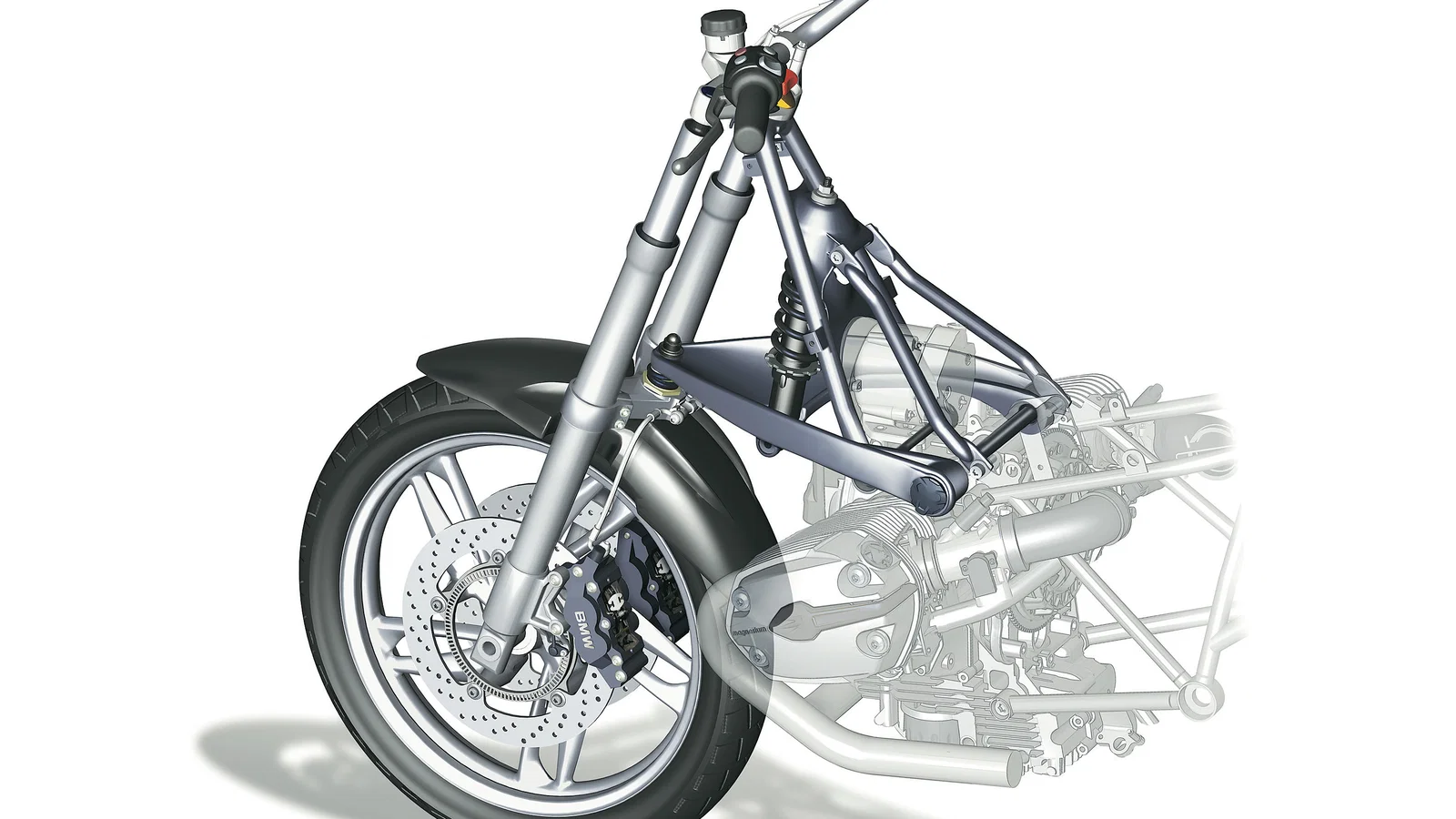
Steering Head Bearings That Are Out of Spec

Another major factor behind front end wander motorcycle causes is steering head bearing condition and adjustment.

  • Loose bearings allow the front end to move independently
  • Over-tightened bearings prevent smooth steering return
  • Worn bearings create notchy steering feel

Any of these conditions can cause instability, especially during deceleration or long sweepers. Many riders replace tires without checking bearings, only to find the problem still there.

Suspension Setup Problems

Suspension is one of the most misunderstood contributors to front end wander, especially among riders searching for motorcycle suspension setup stability.

Worn or Undersprung Forks

If the front suspension is too soft or worn out, weight transfer becomes unpredictable. The front end may feel vague when loaded or during braking transitions.

Rear Suspension Affecting the Front

Surprisingly, rear suspension plays a big role. Excessively soft or sagging rear shocks change chassis geometry, reducing trail and causing the front to feel unstable.

This is why searches like rear suspension causing front end wobble keep growing.

Incorrect Sag and Ride Height

Sag settings directly affect rake and trail. Too much sag in the rear or not enough in the front can make the bike feel nervous.

Many riders never set sag, yet searches for motorcycle sag setup guide show rising awareness. Proper sag restores balanced geometry and often eliminates wander instantly.

Wheel Alignment Issues

Misaligned wheels are another hidden culprit behind motorcycle wandering on straight road.

  • Rear wheel slightly off-center
  • Uneven chain or belt adjustment
  • Improper axle torque

Even small alignment errors can make the bike track poorly. This is especially common after tire changes or drivetrain maintenance.

Worn or Loose Front End Components

Front end wander can also come from simple mechanical wear.

Common offenders include:

  • Worn wheel bearings
  • Loose axle hardware
  • Bent handlebars or triple clamps
  • Aging rubber bushings

These issues show up in searches like motorcycle front end feels loose after tire change and often require inspection rather than upgrades.

Aerodynamics and Added Accessories

Touring riders frequently report wander after adding accessories. Searches such as windshield causing motorcycle wobble are not coincidence.

Large windshields, fairings, and handlebar-mounted accessories can:

  • Alter airflow
  • Add leverage to the steering
  • Increase sensitivity to crosswinds

This does not mean accessories are bad, but they must be matched correctly to the bike and riding style

Frame and Chassis Factors

In rare cases, front end wander comes from chassis issues:

  • Bent frames from previous accidents
  • Improper aftermarket triple trees
  • Incorrect rake modifications

These issues typically appear after major changes or unknown bike history and are less common but more serious.

How to Fix Front End Wander Step by Step?

Riders searching how to fix motorcycle front end wander should start simple before replacing parts.

Step 1: Check Tire Condition and Pressure

Inspect tread wear and confirm correct pressure. Replace cupped or uneven tires first.

Step 2: Inspect Steering Head Bearings

Ensure they are properly torqued and free from notchiness.

Step 3: Verify Wheel Alignment

Double-check rear wheel alignment and axle torque.

Step 4: Set Sag and Suspension Baseline

Correct sag front and rear before making performance changes.

Step 5: Inspect Bearings and Hardware

Check wheel bearings, fork alignment, and fasteners.

When Upgrades Actually Help?

Once the basics are addressed, upgrades can make a real difference. High-quality suspension components, better tires, and proper chassis setup can transform stability.

Reliable parts sourcing matters here. Aliwheels provide perfectly matched suspension components, steering parts, and fitment-correct motorcycle hardware, helping riders avoid compatibility issues that can worsen instability instead of fixing it.

Why Do Riders Often Misdiagnose the Problem?

Many riders jump straight to steering dampers or performance parts when searches like do I need a steering damper come up. Dampers can mask symptoms but rarely fix the root cause.

Front end wander is almost always a setup, wear, or geometry issue, not a lack of expensive hardware.

Stability Comes from Balance

Front end wander is not a mystery problem. It is the bike telling you something is out of balance. Tires, suspension, bearings, alignment, and setup all work together. When one element is off, the entire front end feels uncertain.

Fixing wander restores trust between rider and machine. Once resolved, the bike tracks true, steering feels calm, and long rides become enjoyable again. That confidence is worth far more than any single upgrade.

(Commenting: OFF)

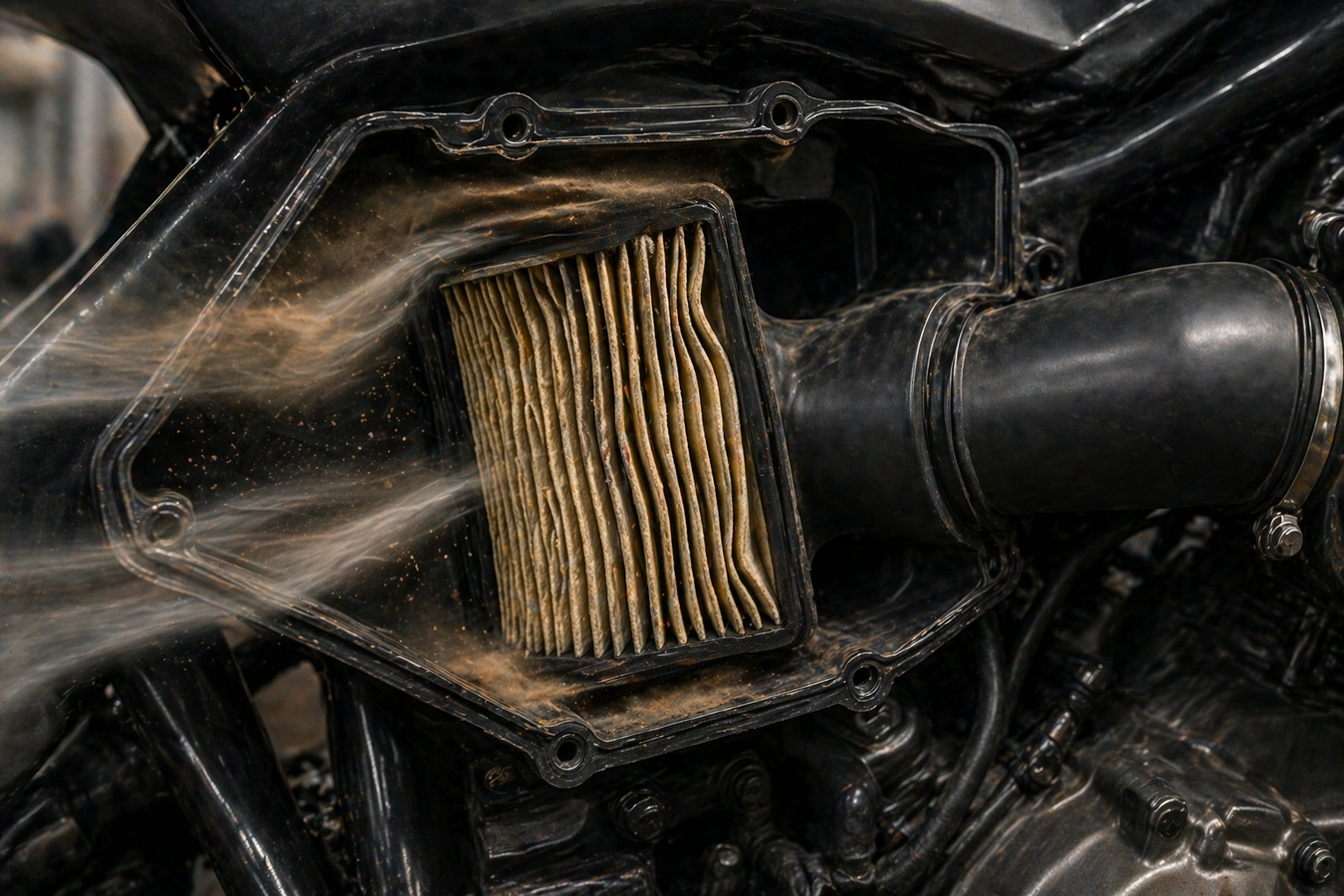
Most riders do not think twice about air filters. They look simple, inexpensive, and harmless. Swap it out, bolt it in, ride away. But talk to experienced riders, mechanics, and long-term owners, and you will hear a different story. A surprising number of motorcycle air filter changes end up being regrets, not upgrades.

This is not about avoiding air filter upgrades altogether. It is about understanding why certain changes backfire, what riders commonly misunderstand, and how the wrong choice quietly affects performance, reliability, and ride feel over time.

Why do riders change air filters in the first place?

Air filters are often one of the first modifications new riders consider. They are marketed as easy power gains, better throttle response, and improved engine breathing. Many riders also change filters during routine maintenance without realizing how much impact that decision can have.

Search behavior reflects this confusion. Riders look for better performance, smoother acceleration, or even fuel savings, but they rarely search for the long-term consequences of air filter changes. That gap is where most regrets start.

The biggest regret: chasing airflow without understanding tuning

High-flow air filters are the most common source of regret. On paper, more airflow sounds like free performance. In reality, modern motorcycles are finely tuned systems. Increasing airflow without adjusting fueling often creates problems.

Riders report symptoms like rough idle, hesitation at low RPM, inconsistent throttle response, and even increased engine heat. On fuel-injected bikes, the ECU can compensate only within a limited range. Once airflow changes exceed that window, the bike never feels quite right.

Many riders install a performance air filter expecting immediate gains, only to discover the bike feels worse in daily riding than it did stock.

chasing airflow without understanding tuning.

Why are stock air filters better than riders think?

OEM air filters are designed for balance, not maximum airflow. They filter dust effectively, maintain stable air pressure, and support consistent fueling across temperatures and altitudes. That boring reliability is exactly why many riders end up going back to stock.

Aftermarket filters often trade filtration efficiency for airflow. In dusty or humid environments, this leads to faster engine wear, dirty throttle bodies, and contaminated sensors. Riders do not notice the damage immediately, which is why the regret comes later.

This is especially common on touring bikes, adventure motorcycles, and daily commuters, where long-term durability matters more than peak performance numbers.

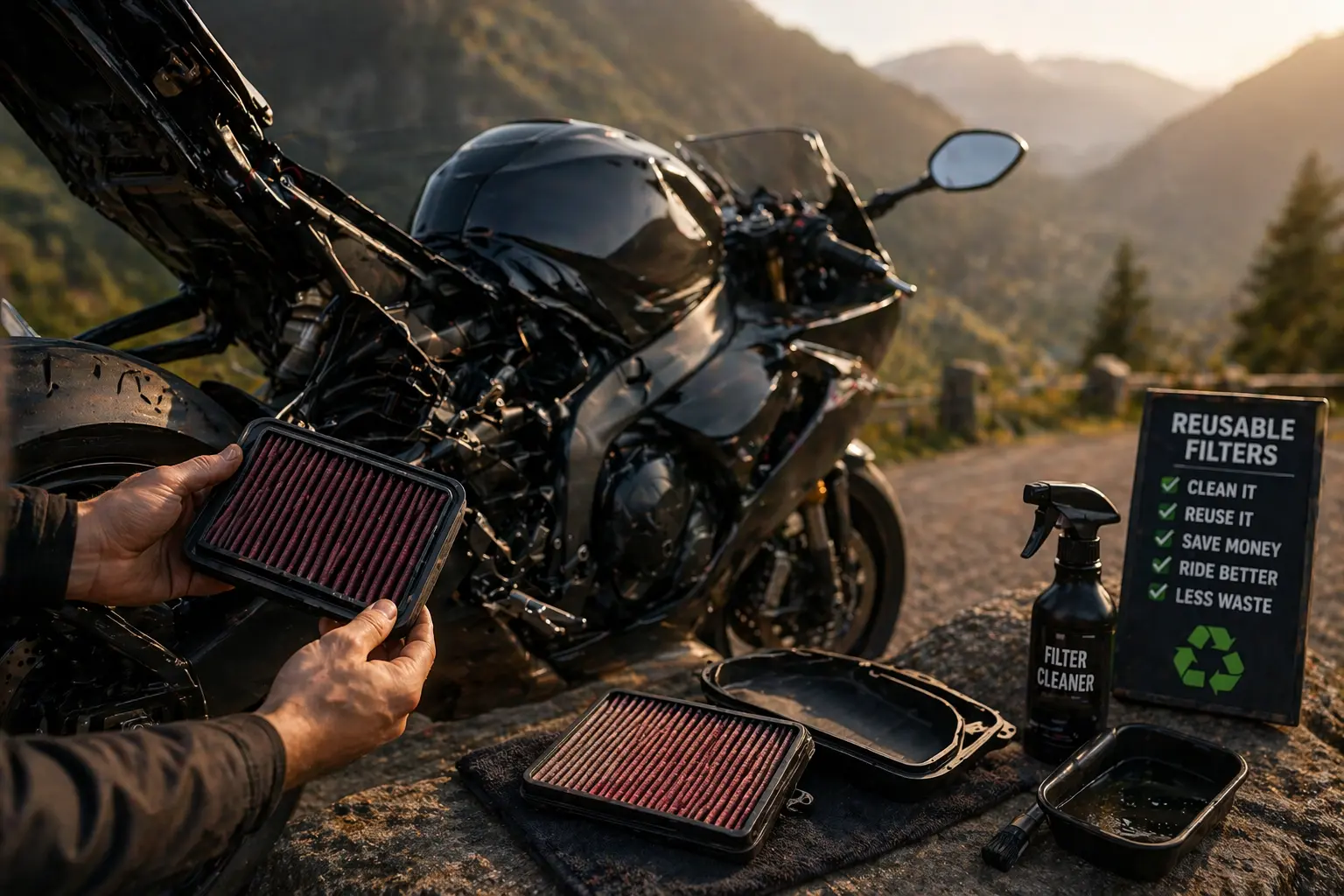
Reusable filters: convenience that comes with responsibility

Reusable air filters sound like a smart investment. Clean them, oil them, reinstall them, repeat forever. The regret comes from improper maintenance.

Over-oiled filters restrict airflow and foul sensors. Under-oiled filters let fine dust through. Many riders unknowingly damage their engines simply because they did not clean or oil the filter correctly.

Real-world rider feedback shows that reusable filters work best for riders who enjoy maintenance and follow instructions carefully. For everyone else, they become a quiet liability rather than an upgrade.

Weather and riding conditions that riders overlook

Another common regret is ignoring riding conditions. A filter that works fine in dry climates may struggle in rain, humidity, or heavy traffic. Riders in hot climates often report increased engine heat after switching to high-flow filters, especially on bikes already prone to heat buildup.

Adventure riders and commuters face a different issue. Dust, pollution, and fine debris overwhelm filters designed for performance rather than protection. Riders often notice reduced performance over time without realizing the air filter is the cause.

These problems rarely show up in short test rides, which is why they surprise owners months later.

Fuel economy disappointments

Many riders expect better fuel economy after changing an air filter. In practice, the opposite often happens. Poor fueling balance causes the engine to work harder, not smarter. Throttle openings increase to compensate for uneven power delivery, and fuel consumption rises.

This is one of the most searched but least explained regrets. Riders think something else is wrong with the bike when the issue started with a simple air filter change.

When motorcycle air filter upgrades actually make sense?

Not all air filter changes are mistakes. The key difference is context. Performance filters work best when paired with proper tuning, exhaust changes, and a clear riding goal.

Track riders, performance enthusiasts, and heavily modified bikes benefit when airflow changes are part of a complete setup. In those cases, the filter is supporting a system, not disrupting it.

For most street riders, daily commuters, and touring enthusiasts, the stock or OEM-equivalent air filter remains the most reliable option.

Fitment mistakes riders regret instantly

Another overlooked issue is fitment. Poorly fitting filters allow unfiltered air to bypass the element entirely. Riders often do not notice until dirt shows up where it should not be.

Using trusted suppliers matters here. Reliable sources like Aliwheels help riders avoid compatibility issues by offering properly designed air filters that match OEM specifications and real-world riding demands.

Fitment errors are frustrating because they feel preventable in hindsight, and they often are.

The psychological regret factor

One reason air filter regrets feel worse than other mods is expectation. Riders expect something small to improve the bike. When it quietly makes things worse, confidence in the machine erodes.

Many riders report going through weeks of troubleshooting before realizing the air filter is the cause. By then, the excitement of the upgrade had turned into annoyance.

This is why experienced riders often say the same thing: if the bike runs well, think twice before changing the air filter.

What experienced riders do differently?

Veteran riders approach air filter changes conservatively. They research real-world feedback, prioritize filtration quality over marketing claims, and consider their actual riding conditions.

They also treat air filter upgrades as part of a broader system, not a standalone fix. When they do change filters, they choose proven components and maintain them properly.

That mindset avoids most regrets before they happen.

Conclusion

Motorcycle air filter changes seem simple, but they influence how your bike breathes, fuels, and survives long-term use. Most regrets come from chasing small gains without understanding the tradeoffs.

If your motorcycle already runs smoothly, pulls cleanly, and feels predictable, the safest upgrade may be no upgrade at all. When a change is needed, choosing well-matched parts from trusted sources such as Aliwheels and respecting the bike’s design will save you from learning the hard way.

Sometimes the best modification is knowing when not to modify.

(Commenting: OFF)

Few motorcycle maintenance topics confuse riders more than chains and sprockets. Search behavior shows it clearly. Queries like motorcycle chain stretch, sprocket wear symptoms, when to replace chain and sprockets, and why new chains wear out fast are consistently trending. Riders feel something is off, but many misdiagnose the cause and end up replacing the wrong part at the wrong time.

The biggest misunderstanding is this: most riders think chains stretch first and sprockets fail later. In reality, chain and sprocket wear is a shared process, and misreading it leads to faster wear, poor throttle response, and even safety risks.

Let’s break down what is actually happening, why riders get it wrong, and how to fix the problem correctly.

Chains Do Not Really Stretch the Way Most Riders Think

One of the most common myths is that motorcycle chains physically stretch like elastic. That belief drives searches like why motorcycle chains stretch and chain stretch vs wear.

Chains do not stretch in the traditional sense. What riders call stretch is actually worn at the pins and bushings inside the chain. As these internal surfaces wear down, the distance between links increases slightly. Over thousands of cycles, that increase adds up and makes the chain longer.

This distinction matters because once internal wear begins, no amount of adjustment can reverse it. Tightening a worn chain only masks the problem temporarily.

Sprockets Often Wear Before Riders Notice

Another common mistake is ignoring sprocket wear until it becomes obvious. Riders tend to focus on chain slack, not tooth shape.

Searches like worn sprocket teeth symptoms and hooked sprocket teeth motorcycle show riders trying to identify damage too late.

Sprockets wear gradually. Teeth lose their symmetrical shape, develop hooking, and stop meshing cleanly with the chain. When this happens, even a new chain will wear faster because it is forced to mate with a damaged surface.

This is why replacing only the chain without addressing worn sprockets is one of the most expensive mistakes riders make over time.

Why Should Chains and Sprockets Be Treated as a System?

Experienced mechanics treat chains and sprockets as a matched system. This is why replace chains and sprockets together is a high-intent search phrase.

When a worn chain runs on fresh sprockets, it accelerates sprocket wear. When a fresh chain runs on worn sprockets, it accelerates chain wear. Either way, lifespan drops dramatically.

This is also why riders often complain that their new chain wears out far too quickly. The real issue is usually the sprockets that were left behind.

Throttle Feel and Noise Are Early Warning Signs

Most riders wait for visible damage, but the earliest signs show up in how the bike feels.

Uneven throttle response, driveline lash, clunking during acceleration, and chain noise under load are early indicators. Searches like chain noise under acceleration, motorcycle, and rough throttle after chain adjustment reflect this stage.

These symptoms happen because worn components no longer distribute load evenly. Instead of a smooth power transfer, force spikes occur between links and teeth.

Ignoring these signs leads to more aggressive wear and increases the risk of chain failure.

Chain Adjustment Can Hide Problems but Makes Them Worse

Another area riders misunderstand is adjustment.

Over-tightening a chain to compensate for wear is extremely common. Riders searching for how tight a motorcycle chain should be often overcorrect.

A worn chain does not wear evenly. Some sections elongate more than others. When adjusted to spec at the tightest point, the rest of the chain becomes too tight during rotation.

This increases stress on output shafts, wheel bearings, and suspension movement. It also explains why over-tight chain damage symptoms continue to trend as a search topic.

Lubrication Is Not a Cure for Wear

Chain lubrication is essential, but it is not a fix for wear. Riders often search for chain lube, fix chain stretch, hoping for a shortcut.

Lubrication reduces friction and slows wear, but once internal clearances are worn, lubrication cannot restore geometry. At that point, it only delays replacement slightly.

This is why chains that are already elongated still feel rough even when freshly cleaned and lubed.

Riding Style Accelerates Wear More Than Mileage

Mileage alone does not determine chain and sprocket life. Riding style matters more.

Aggressive throttle inputs, wheelies, heavy loads, and frequent stop-and-go riding all increase stress on the drivetrain. This explains searches like motorcycle chain wear, aggressive riding, and why chain wears fast city riding.

High torque bikes and riders who frequently ride two up will see faster wear even at lower mileage.

Why Riders Misjudge Replacement Timing?

Many riders rely on visual inspection alone. If the chain does not look rusty and the sprockets still have teeth, they assume everything is fine.

The problem is that performance degradation happens before visible failure. By the time teeth are visibly hooked, or the chain cannot be adjusted properly, damage has already progressed far.

This leads to the common complaint that my bike feels rough, but the chain looks fine.

Safety Is the Hidden Risk Riders Ignore

Beyond performance and cost, worn chains and sprockets are a safety issue.

A failing chain can derail, damage the engine case, lock the rear wheel, or cause loss of control. Searches like motorcycle chain failure danger exist for a reason.

Most failures happen not because the chain snapped suddenly, but because wear was ignored until it reached a critical point.

The Smarter Way to Approach Chain and Sprocket Maintenance

Instead of chasing stretch measurements alone, riders should watch for combined signs.

Uneven adjustment points, hooked sprocket teeth, inconsistent throttle feel, vibration under load, and increased noise are all indicators that the system is nearing the end of its service life.

Replacing the chain and sprockets together restores smooth power delivery and extends lifespan far more than piecemeal fixes.

Final Thoughts

The biggest mistake riders make is treating chain stretch and sprocket wear as separate problems. They are not. They are two sides of the same wear cycle.

Understanding that chains do not truly stretch, that sprockets often fail quietly first, and that adjustment and lubrication cannot fix internal wear changes how riders maintain their bikes.

When riders stop reacting to failure and start managing wear as a system, they save money, improve ride quality, and reduce risk. That is the difference between maintaining a motorcycle and simply keeping it running.

(Commenting: OFF)

Few upgrades tempt riders more than an exhaust swap. Better sound, cleaner looks, and the promise of smoother power delivery make it one of the first mods people consider. But just as many riders end up searching things like aftermarket exhaust, check engine light, motorcycle exhaust causing CEL, or why my bike threw a code after exhaust install.

That frustration is exactly why this topic matters. The best exhaust upgrades are not just loud or lightweight. They work with your bike’s electronics, not against them.

Let’s break down why check engine lights happen after exhaust changes, which exhaust options are safest, and how riders avoid turning a simple upgrade into a warning-light nightmare.

Why Exhaust Swaps Trigger Check Engine Lights?

Modern motorcycles rely heavily on sensors. Oxygen sensors, exhaust valve actuators, and ECU fuel mapping are constantly monitoring airflow and emissions.

When riders install an exhaust that changes back pressure or sensor placement without compensation, the bike notices. That is when searches like checking engine light after exhaust upgrade start appearing.

Common triggers include:

  • Removing or relocating O2 sensors incorrectly
  • Eliminating catalytic converters without ECU adjustment
  • Installing full systems without proper fueling support
  • Poorly designed exhausts that disrupt exhaust flow signals

The bike is not broken. It is confusing.

Slip-On Exhausts: The Safest Starting Point

For riders searching best slip-on exhaust without a check engine light, the answer is simple. Slip-ons replace only the muffler section and keep the factory headers, catalytic converter, and sensor locations intact.

Because of this, slip-ons rarely trigger warning lights when designed correctly.

Riders consistently report that high-quality slip-ons offer:

  • Deeper exhaust tone without ECU errors
  • No need for fuel controllers in most cases
  • Easier installation with factory compatibility

This makes slip-ons ideal for daily riders who want sound and style without electronic headaches.

Best Motorcycle Exhaust Options That Don’t Trigger Check Engine Lights

Full Exhaust Systems and Why They Are Riskier?

Full systems are where things get complicated. Searches like full exhaust causing check engine light motorcycle spike because full systems often remove emissions components the ECU expects to see.

That does not mean full systems are bad. It means they require planning.

Most riders who succeed with full exhausts without warning lights do three things:

  • Choose systems designed for their exact model and year
  • Retain O2 sensors or use proper sensor bungs
  • Pair the exhaust with ECU tuning or fuel management

Skipping any of these steps is where problems start.

Exhausts Designed to Work With Stock ECUs

One of the most overlooked search terms is ECU-friendly motorcycle exhaust. Some manufacturers specifically design exhausts to stay within sensor tolerances.

These systems are engineered to maintain exhaust flow characteristics that the stock ECU can still interpret correctly. Riders often describe these as “plug and play” exhausts.

They cost more for a reason. They save time, money, and frustration later.

Why Cheap Exhausts Trigger More Issues?

Riders searching for cheap exhaust check engine light usually learn the hard way. Low-cost exhausts often skip proper sensor placement, internal flow design, and emissions considerations.

Common rider complaints include:

  • Random check engine lights
  • Poor throttle response
  • Increased engine heat
  • Inconsistent fueling

An exhaust is not just a pipe. It is part of the engine’s breathing system.

O2 Sensors: The Most Common Mistake

Many riders assume removing or bypassing O2 sensors is harmless. Searches like can I remove O2 sensor motorcycle show how common this misconception is.

In reality, O2 sensors provide critical feedback to the ECU. Removing them without tuning almost guarantees a check engine light.

The best exhaust options are either:

  • Reuse factory O2 sensor locations
  • Provide correctly positioned sensor ports
  • Include clear guidance on sensor compatibility

Ignoring this detail is one of the fastest ways to trigger a warning light.

Do You Always Need a Tune After an Exhaust?

This is one of the most searched questions: Do I need a tune after an exhaust upgrade?

The honest answer depends on the exhaust type.

Slip-ons often do not require tuning. Full systems almost always benefit from it, even if the bike runs without a light initially.

Riders who skip tuning may avoid a check engine light but still experience:

  • Lean running conditions
  • Excessive heat
  • Reduced long-term engine reliability

A bike can run and still be unhappy.

Heat, Back Pressure, and False Warning Lights

Some riders notice check engine lights only after long rides or heavy traffic. Searches like exhaust heat causing check engine light reveal another issue.

Poor exhaust design can increase engine heat, which affects sensor readings. The ECU then flags conditions that seem abnormal.

Well-designed exhausts manage heat effectively, reducing false warnings and improving overall ride quality.

Best Motorcycle Exhaust Options That Don’t Trigger Check Engine Lights

Model-Specific Exhaust Fitment Matters

One-size-fits-all rarely works with motorcycles. Riders searching exhaust fitment issues on motorcycles often discover that minor differences in model year or variant matter.

The best exhaust options are always model-specific. They account for sensor placement, emissions equipment, and ECU calibration differences.

Reliable parts suppliers like Aliwheels help riders avoid these mistakes by offering exhaust options matched precisely to specific models, reducing compatibility risks.

Rider Experiences That Matter

Across forums and owner groups, riders who avoided check engine lights consistently followed the same pattern:

  • They chose reputable exhaust brands
  • They avoided removing sensors unnecessarily
  • They prioritized compatibility over sound alone

Many riders say the quiet confidence of no warning lights is worth more than a few extra decibels.

How to Choose the Right Exhaust Without Triggering Codes?

If you want sound without stress, look for exhausts described with phrases like:

  • ECU-compatible exhaust
  • No tune required, slip-on
  • O2 sensor-ready exhaust system
  • Emissions-compliant performance exhaust

These terms align closely with low competition, high intent exhaust keywords, which reflect real buyer concerns.

Final Thoughts: The Best Exhaust Is the One Your Bike Accepts

The best motorcycle exhaust options that do not trigger check engine lights are not always the loudest or cheapest. They are the ones designed with modern motorcycle electronics in mind.

Whether you choose a quality slip-on or a full system paired with proper tuning, the goal is harmony between sound, performance, and reliability.

Riders who plan, choose model-specific exhausts, and source parts from trusted platforms like Aliwheels consistently report better results and fewer regrets.

An exhaust upgrade should make you enjoy your ride more, not stare at a warning light wondering what went wrong.

(Commenting: OFF)

Or login with your social account