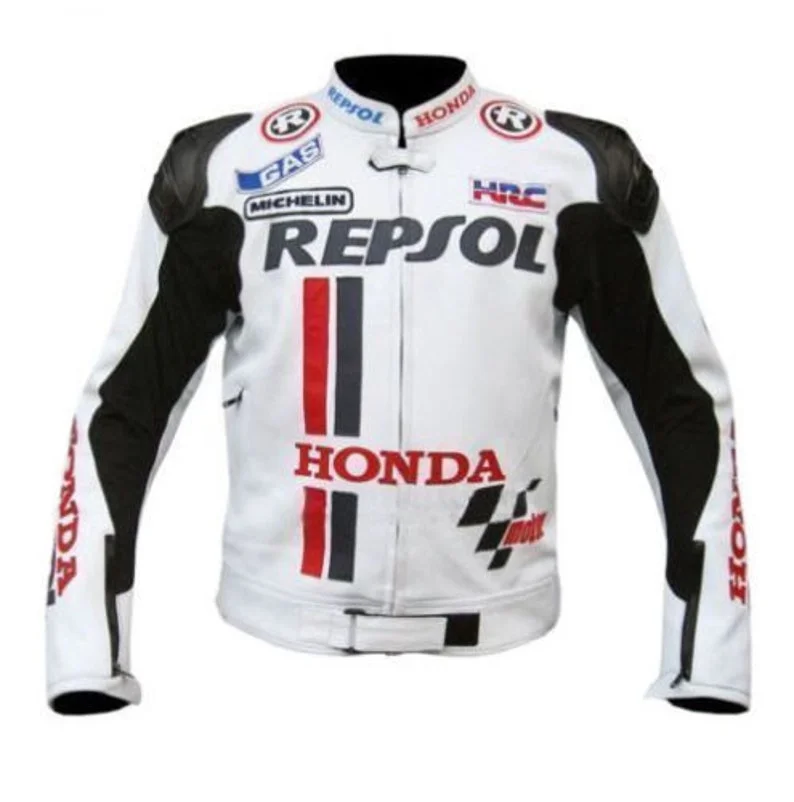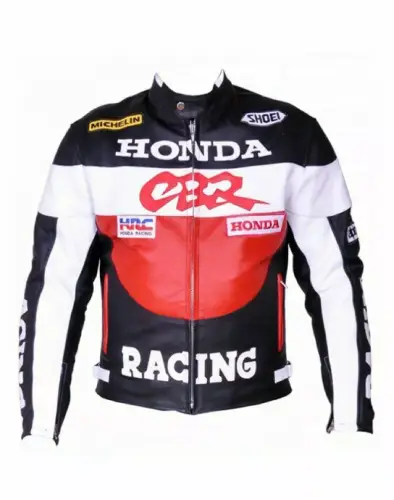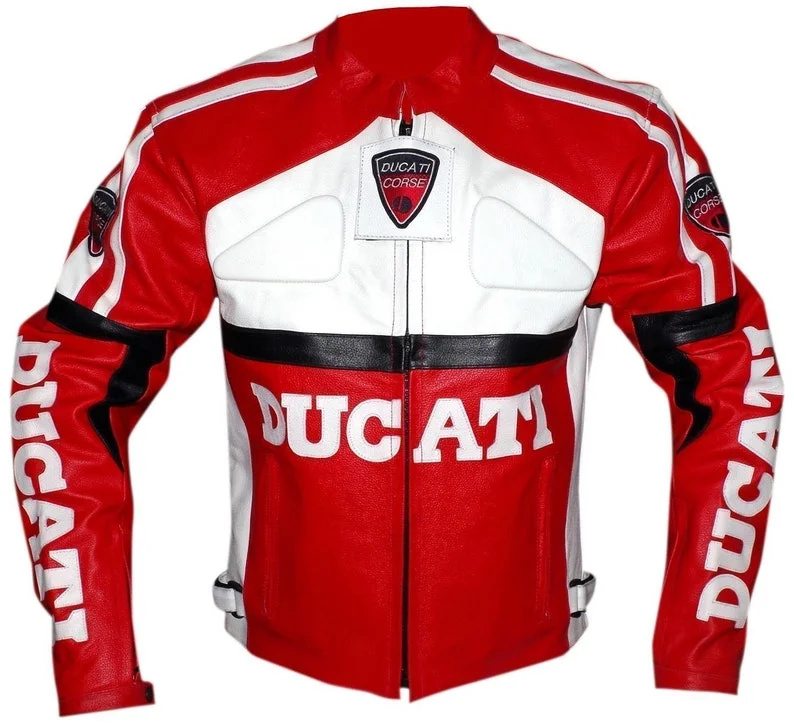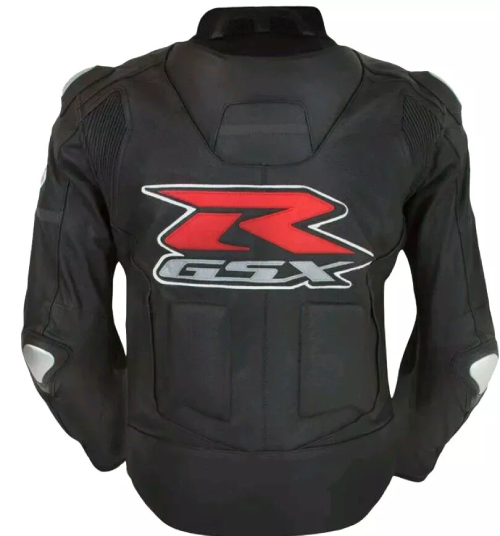



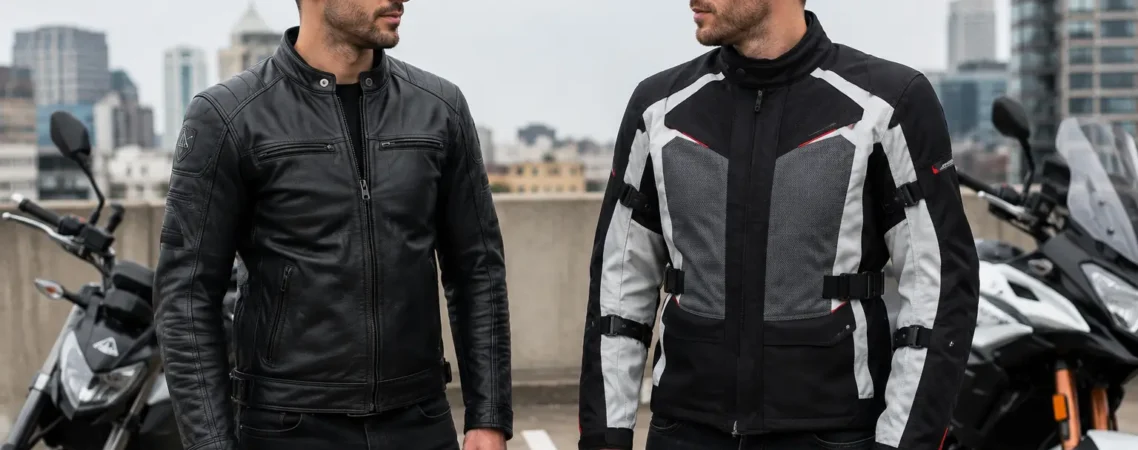
Walk into any motorcycle dealership, and you will get a different answer from every person you ask. The leather diehards insist nothing beats hide on the pavement. The textile converts points to waterproofing, armor pockets, and versatility. And somewhere in between, new riders are trying to make a decision that will affect their safety every single time they ride.
The honest answer is more nuanced than either camp admits. Leather and textile jackets each win in specific measurable ways. The right choice depends on how you ride, where you ride, and what you are most likely to encounter.
Here is the full breakdown. Browse Aliwheels’ Motorcycle Jackets and Vests category after reading to find CE-certified options for your riding style.
The Core Question: Abrasion Resistance Under Road Contact
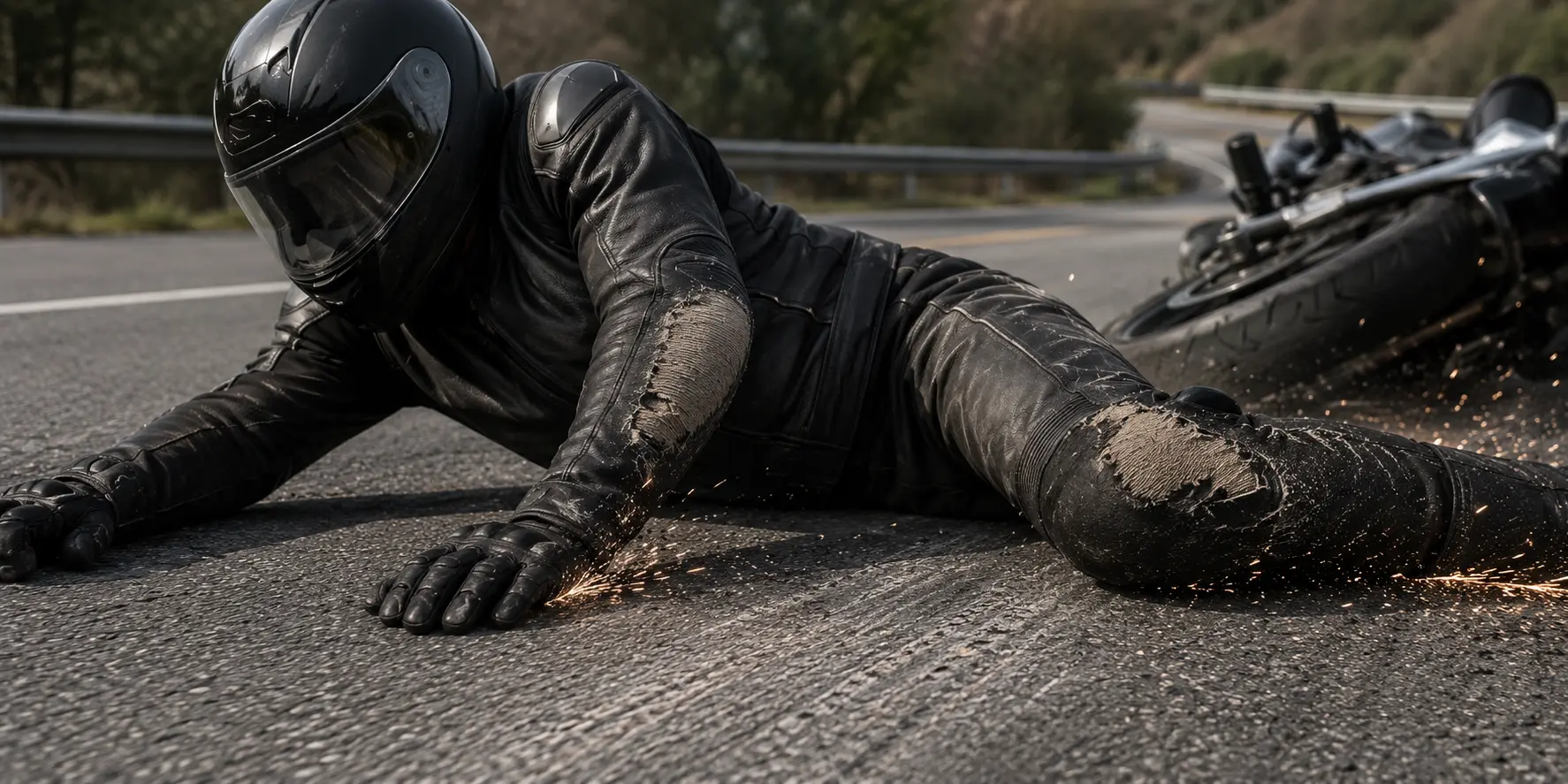
When a motorcycle goes down and the rider slides across pavement, the jacket’s job is to resist abrasion long enough to prevent road rash from penetrating skin. This is where leather has held its historical advantage and where the data still supports that advantage in specific scenarios.
According to the CE EN 17092 motorcycle garment standard testing methodology, abrasion resistance is measured in seconds of sustained contact against an abrasive surface. Full-grain leather from quality hides consistently outperforms standard textile weaves in this test at equivalent price points. However, high-specification technical textiles like 1000D Cordura, Kevlar blends, and Dyneema fabrics now match or exceed entry-level leather in abrasion resistance while offering additional benefits.
The key variable is specification. A quality textile jacket outperforms a cheap leather jacket. A quality leather jacket outperforms a cheap textile jacket. The material type matters less than the specification grade and certification level.
| Factor | Quality Leather | Quality Textile (1000D+) | Budget Leather | Budget Textile |
| Abrasion resistance | Excellent — proven on pavement | Very good — spec-dependent | Moderate — thin hide degrades fast | Poor — tears quickly |
| Impact protection | Depends on armor — not inherent | Depends on armor — not inherent | Minimal | Minimal |
| Waterproofing | Poor without treatment | Excellent with membrane | Poor | Variable |
| Ventilation in heat | Poor—heavy and hot | Excellent — mesh and vents | Poor | Good |
| Cold weather performance | Moderate—needs liner | Excellent — thermal liners | Poor | Good with liner |
| Weight | Heavy | Light to moderate | Heavy | Light |
| CE garment rating available | Yes—CE-A through CE-AAA | Yes—CE-A through CE-AAA | Rarely | Rarely |
| Long-term durability | Excellent with care | Very good | Poor | Moderate |
CE EN 17092: The Certification That Actually Makes Difference
The CE EN 17092 standard replaced the older EN 13595 standard and introduced a clearer garment-level rating system. Understanding it takes two minutes and prevents buying a jacket that looks protective but has never been independently tested.
| CE Class | What It Means | Who It Is For |
| Class A | Basic protection — passes minimum abrasion and impact thresholds | Casual urban riders, short commutes |
| Class AA | Intermediate protection — higher abrasion and impact resistance | Most street riders, commuters, weekend riders |
| Class AAA | Highest protection — significantly above AA in all zones | Sport riders, fast road riding, track days |
| Class B | Upper body only — vest or protector, not full jacket | Used with other protective layers |
Both leather and textile jackets are available in all CE classes. A CE-AAA textile jacket provides significantly more certified protection than a CE-A leather jacket, regardless of what the leather jacket looks like. Always check the CE class label inside the jacket before buying, not just the material description on the hang tag.
| The single most important thing to check: Look for the CE EN 17092 label inside the jacket with the class rating clearly marked. A jacket without this label has not been independently tested to any published protection standard, regardless of material. |
Where Leather Wins Outright?
Abrasion Performance at the Highest Specifications
At equivalent CE class ratings, full-grain leather from established motorcycle jacket manufacturers still delivers the most consistent abrasion performance in real-world crash scenarios. This is why you see leather still dominating racing at the highest levels where abrasion performance is the single most critical variable.
Long-Term Durability with Proper Care
A quality leather jacket that is cleaned and conditioned regularly can last 20 to 30 years of riding. Quality textile jackets typically have a functional lifespan of 8 to 15 years before seam integrity and coating performance degrade. For riders who want one jacket to last a very long time, leather has an edge.
Classic Aesthetic
This is not a trivial point. A jacket you enjoy wearing gets worn more often. Riders who love the look and feel of leather are more likely to gear up consistently than those wearing a jacket they find uncomfortable or unattractive. Gear compliance matters for actual protection.
Where Textile Wins Outright?
All-Weather Riding
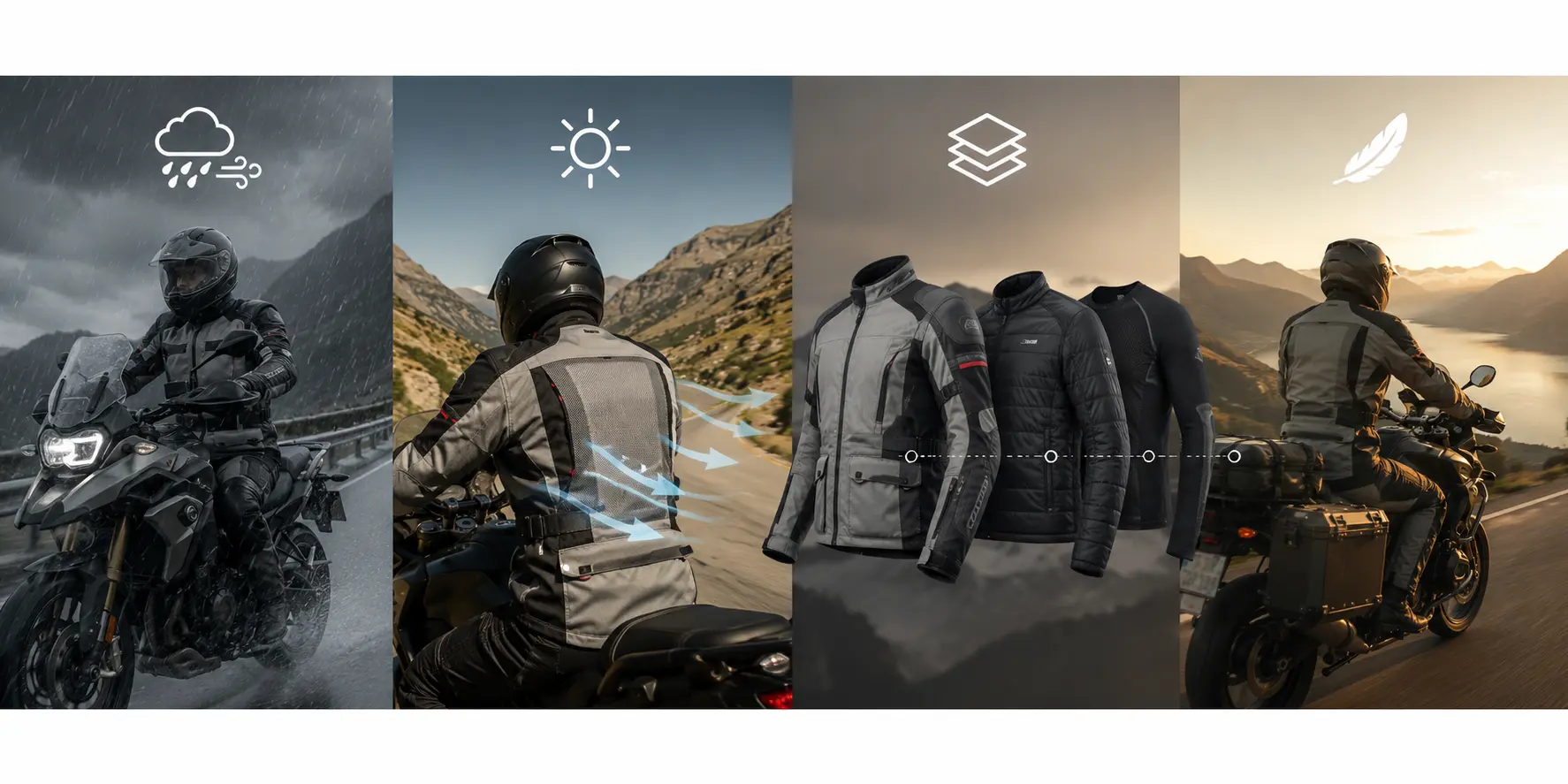
A quality textile jacket with a waterproof membrane, like Gore-Tex, Hipora, or equivalent, keeps you dry in rain that would soak through leather within minutes. For US riders who commute year-round or tour across variable weather zones, a textile jacket handles conditions that leather simply cannot manage without additional gear.
Ventilation in Summer Heat
Mesh textile jackets with zippered vents solve the problem leather cannot. Imagine riding in 90-degree summer heat without overheating. Leather jackets trap heat against the body. Quality mesh or perforated textile jackets maintain protection while allowing significant airflow. According to experts, ventilation is the top reason US riders in southern and southwestern states choose textiles over leather.
Modular Layering System
Most quality textile jackets include a removable thermal liner and a removable waterproof membrane as separate layers. One jacket covers three temperature ranges: hot summer with mesh only, mild weather with membrane, and cold weather with both liner and membrane. Leather achieves none of this without additional layers purchased separately.
Weight and Comfort for Long Distance
A quality textile touring jacket weighs significantly less than a leather equivalent and allows greater freedom of arm movement in the riding position. On a 500-mile touring day, that weight and mobility difference translates into less fatigue.
The Verdict: Which Should You Buy?
| Riding Profile | Best Choice | Why |
| Sport/track day rider | Leather CE-AA or AAA | Best abrasion performance at speed, purpose-built for this scenario |
| Year-round commuter | Textile CE-AA with membrane | Handles rain, cold, and heat that leather cannot manage alone |
| Summer city rider | Mesh textile CE-AA | Ventilation is critical—leather is dangerously hot in sustained summer heat |
| Long-distance tourer | Textile CE-AA with liner system | Weight, ventilation, and modular layering beat leather for multi-day trips |
| Weekend cruiser, dry climate | Either — CE-AA minimum | Either material works well when conditions are consistent and warm |
| New rider, budget-conscious | Textile CE-AA | More versatile, handles changing conditions while rider develops riding habits |
Complete your riding gear: Riding Gear | Motorcycle Gloves | Motorcycle Boots | Motorcycle Protection
Conclusion
Leather wins on abrasion performance at equivalent specification levels and on long-term durability. Textile wins on weather versatility, ventilation, weight, and modular layering. Neither material is inherently superior; what matters is the CE class rating, the specific fabric or hide specification, and whether the jacket matches how you actually ride.
The worst jacket is the one that stays in the garage because it is too hot, too heavy, or too inconvenient for the conditions you ride in. The best jacket is the CE-AA or CE-AAA certified option that matches your riding profile and gets worn every time you get on the bike.
Browse Aliwheels‘ full range of Motorcycle Jackets and Vests to find the right CE-certified option for your riding style and climate.
Frequently Asked Questions
Q: Is leather or textile better for motorcycle protection?
A: At equivalent CE class ratings, quality leather has a slight edge in abrasion resistance. However, a CE-AA textile jacket outperforms a CE-A leather jacket across almost every measurable protection metric. The CE class rating is more important than the material. Do not buy material. Buy a CE class rating that matches your riding intensity.
Q: Can a textile motorcycle jacket be as safe as leather?
A: Yes, at equivalent or higher CE class ratings. High-specification technical textiles including 1000D Cordura, Kevlar blends, and Dyneema fabrics match or exceed entry-level leather in abrasion resistance while typically offering better impact armor pockets, waterproofing, and ventilation. The key is buying a CE EN 17092-certified textile jacket, not an uncertified one.
Q: Do I need a back protector in my motorcycle jacket?
A: Yes. The back is a major impact zone in crashes and is not protected by abrasion-resistant outer materials alone. Quality motorcycle jackets include a back protector pocket. Fill it. CE Level 2 back protectors offer significantly better impact absorption than the foam inserts often included by default. This applies to both leather and textile jackets equally.
Q: How long does a motorcycle jacket last?
A: A quality leather jacket maintained with regular cleaning and conditioning can last 20 to 30 years. A quality textile jacket typically delivers 8 to 15 years of reliable protection before seam integrity and coating performance degrade. In both cases, inspect the jacket annually for seam separation, armor degradation, and abrasion-resistant material wear.
Q: Is a mesh motorcycle jacket safe for highway riding?
A: A CE-AA or CE-AAA mesh textile jacket provides legitimate highway protection in the impact and abrasion zones. The trade-off is that mesh jackets offer less abrasion protection than their solid textile equivalents at equivalent CE ratings — the open mesh structure reduces contact area. For sustained highway speeds above 70 mph, a solid textile or leather jacket at CE-AA or higher is a better choice than a mesh option at the same CE class.