



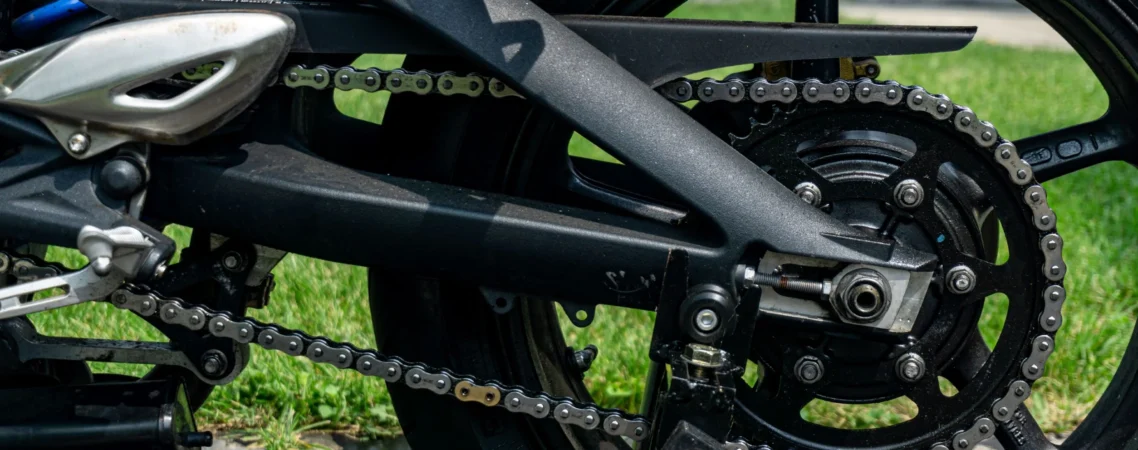
Few motorcycle maintenance topics confuse riders more than chains and sprockets. Search behavior shows it clearly. Queries like motorcycle chain stretch, sprocket wear symptoms, when to replace chain and sprockets, and why new chains wear out fast are consistently trending. Riders feel something is off, but many misdiagnose the cause and end up replacing the wrong part at the wrong time.
The biggest misunderstanding is this: most riders think chains stretch first and sprockets fail later. In reality, chain and sprocket wear is a shared process, and misreading it leads to faster wear, poor throttle response, and even safety risks.
Let’s break down what is actually happening, why riders get it wrong, and how to fix the problem correctly.
Chains Do Not Really Stretch the Way Most Riders Think
One of the most common myths is that motorcycle chains physically stretch like elastic. That belief drives searches like why motorcycle chains stretch and chain stretch vs wear.
Chains do not stretch in the traditional sense. What riders call stretch is actually worn at the pins and bushings inside the chain. As these internal surfaces wear down, the distance between links increases slightly. Over thousands of cycles, that increase adds up and makes the chain longer.
This distinction matters because once internal wear begins, no amount of adjustment can reverse it. Tightening a worn chain only masks the problem temporarily.
Sprockets Often Wear Before Riders Notice
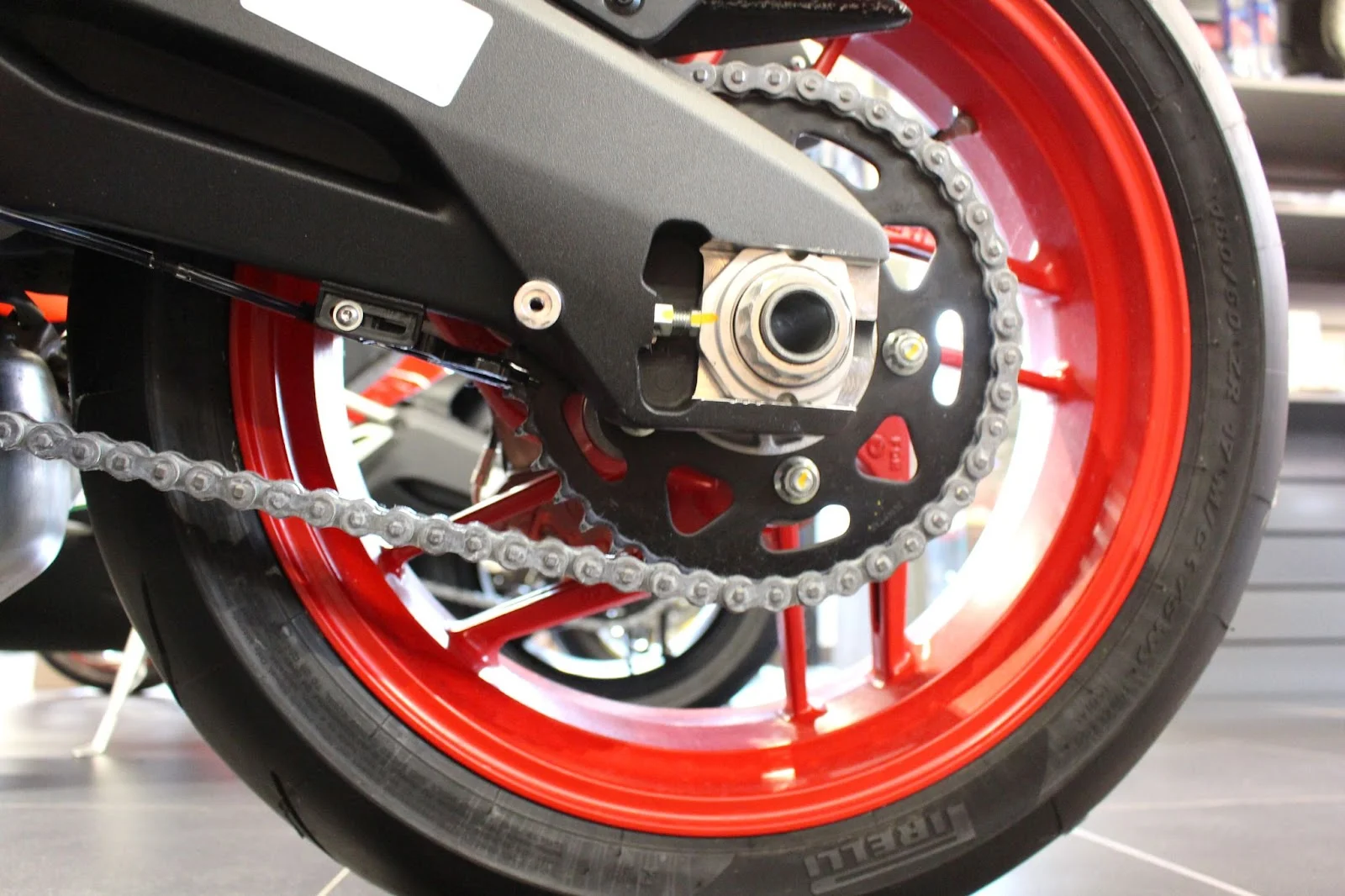
Another common mistake is ignoring sprocket wear until it becomes obvious. Riders tend to focus on chain slack, not tooth shape.
Searches like worn sprocket teeth symptoms and hooked sprocket teeth motorcycle show riders trying to identify damage too late.
Sprockets wear gradually. Teeth lose their symmetrical shape, develop hooking, and stop meshing cleanly with the chain. When this happens, even a new chain will wear faster because it is forced to mate with a damaged surface.
This is why replacing only the chain without addressing worn sprockets is one of the most expensive mistakes riders make over time.
Why Should Chains and Sprockets Be Treated as a System?
Experienced mechanics treat chains and sprockets as a matched system. This is why replace chains and sprockets together is a high-intent search phrase.
When a worn chain runs on fresh sprockets, it accelerates sprocket wear. When a fresh chain runs on worn sprockets, it accelerates chain wear. Either way, lifespan drops dramatically.
This is also why riders often complain that their new chain wears out far too quickly. The real issue is usually the sprockets that were left behind.
Throttle Feel and Noise Are Early Warning Signs
Most riders wait for visible damage, but the earliest signs show up in how the bike feels.
Uneven throttle response, driveline lash, clunking during acceleration, and chain noise under load are early indicators. Searches like chain noise under acceleration, motorcycle, and rough throttle after chain adjustment reflect this stage.
These symptoms happen because worn components no longer distribute load evenly. Instead of a smooth power transfer, force spikes occur between links and teeth.
Ignoring these signs leads to more aggressive wear and increases the risk of chain failure.
Chain Adjustment Can Hide Problems but Makes Them Worse
Another area riders misunderstand is adjustment.
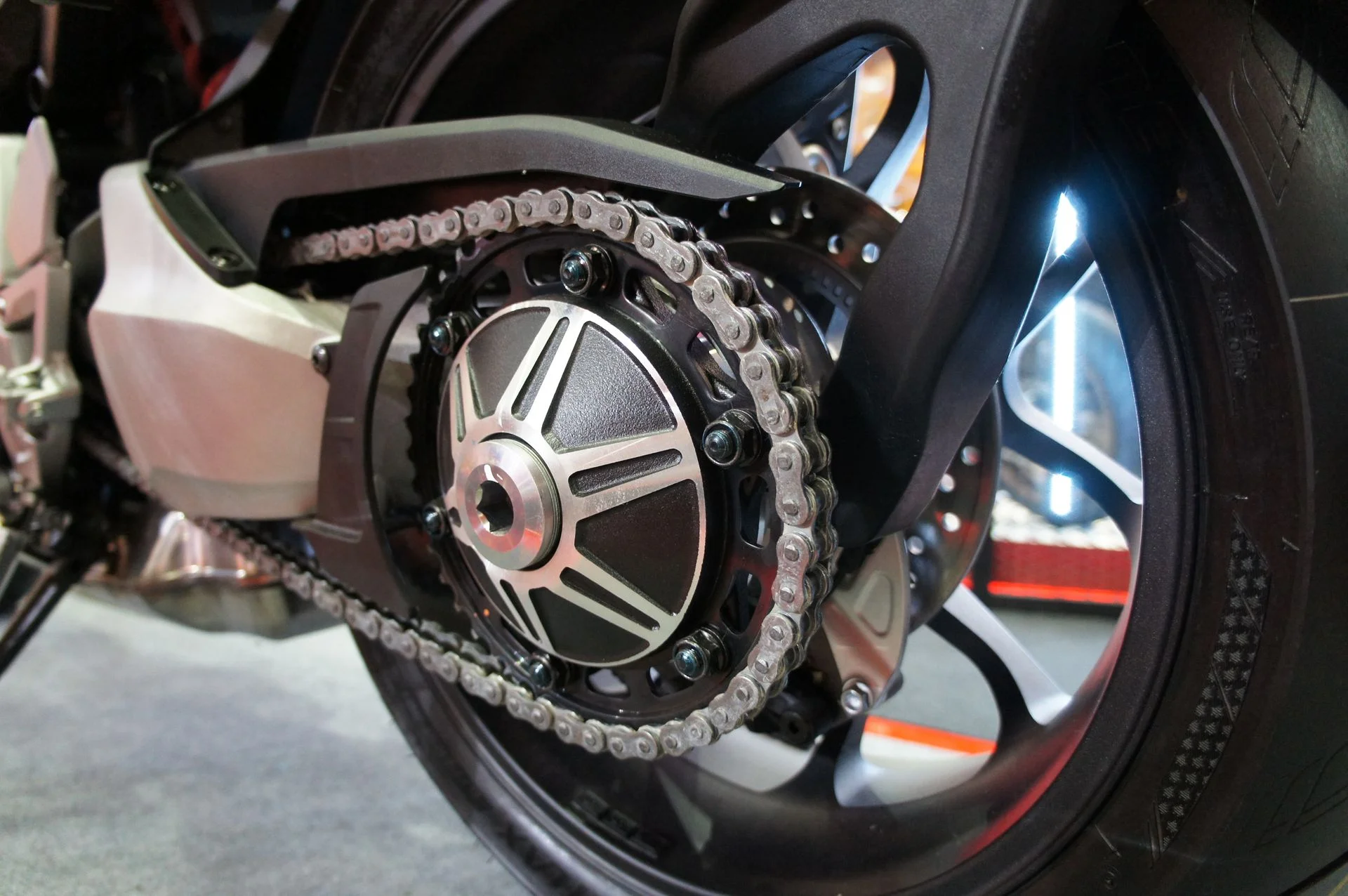
Over-tightening a chain to compensate for wear is extremely common. Riders searching for how tight a motorcycle chain should be often overcorrect.
A worn chain does not wear evenly. Some sections elongate more than others. When adjusted to spec at the tightest point, the rest of the chain becomes too tight during rotation.
This increases stress on output shafts, wheel bearings, and suspension movement. It also explains why over-tight chain damage symptoms continue to trend as a search topic.
Lubrication Is Not a Cure for Wear
Chain lubrication is essential, but it is not a fix for wear. Riders often search for chain lube, fix chain stretch, hoping for a shortcut.
Lubrication reduces friction and slows wear, but once internal clearances are worn, lubrication cannot restore geometry. At that point, it only delays replacement slightly.
This is why chains that are already elongated still feel rough even when freshly cleaned and lubed.
Riding Style Accelerates Wear More Than Mileage
Mileage alone does not determine chain and sprocket life. Riding style matters more.
Aggressive throttle inputs, wheelies, heavy loads, and frequent stop-and-go riding all increase stress on the drivetrain. This explains searches like motorcycle chain wear, aggressive riding, and why chain wears fast city riding.
High torque bikes and riders who frequently ride two up will see faster wear even at lower mileage.
Why Riders Misjudge Replacement Timing?
Many riders rely on visual inspection alone. If the chain does not look rusty and the sprockets still have teeth, they assume everything is fine.
The problem is that performance degradation happens before visible failure. By the time teeth are visibly hooked, or the chain cannot be adjusted properly, damage has already progressed far.
This leads to the common complaint that my bike feels rough, but the chain looks fine.
Safety Is the Hidden Risk Riders Ignore
Beyond performance and cost, worn chains and sprockets are a safety issue.
A failing chain can derail, damage the engine case, lock the rear wheel, or cause loss of control. Searches like motorcycle chain failure danger exist for a reason.
Most failures happen not because the chain snapped suddenly, but because wear was ignored until it reached a critical point.
The Smarter Way to Approach Chain and Sprocket Maintenance
Instead of chasing stretch measurements alone, riders should watch for combined signs.
Uneven adjustment points, hooked sprocket teeth, inconsistent throttle feel, vibration under load, and increased noise are all indicators that the system is nearing the end of its service life.
Replacing the chain and sprockets together restores smooth power delivery and extends lifespan far more than piecemeal fixes.
Final Thoughts
The biggest mistake riders make is treating chain stretch and sprocket wear as separate problems. They are not. They are two sides of the same wear cycle.
Understanding that chains do not truly stretch, that sprockets often fail quietly first, and that adjustment and lubrication cannot fix internal wear changes how riders maintain their bikes.
When riders stop reacting to failure and start managing wear as a system, they save money, improve ride quality, and reduce risk. That is the difference between maintaining a motorcycle and simply keeping it running.