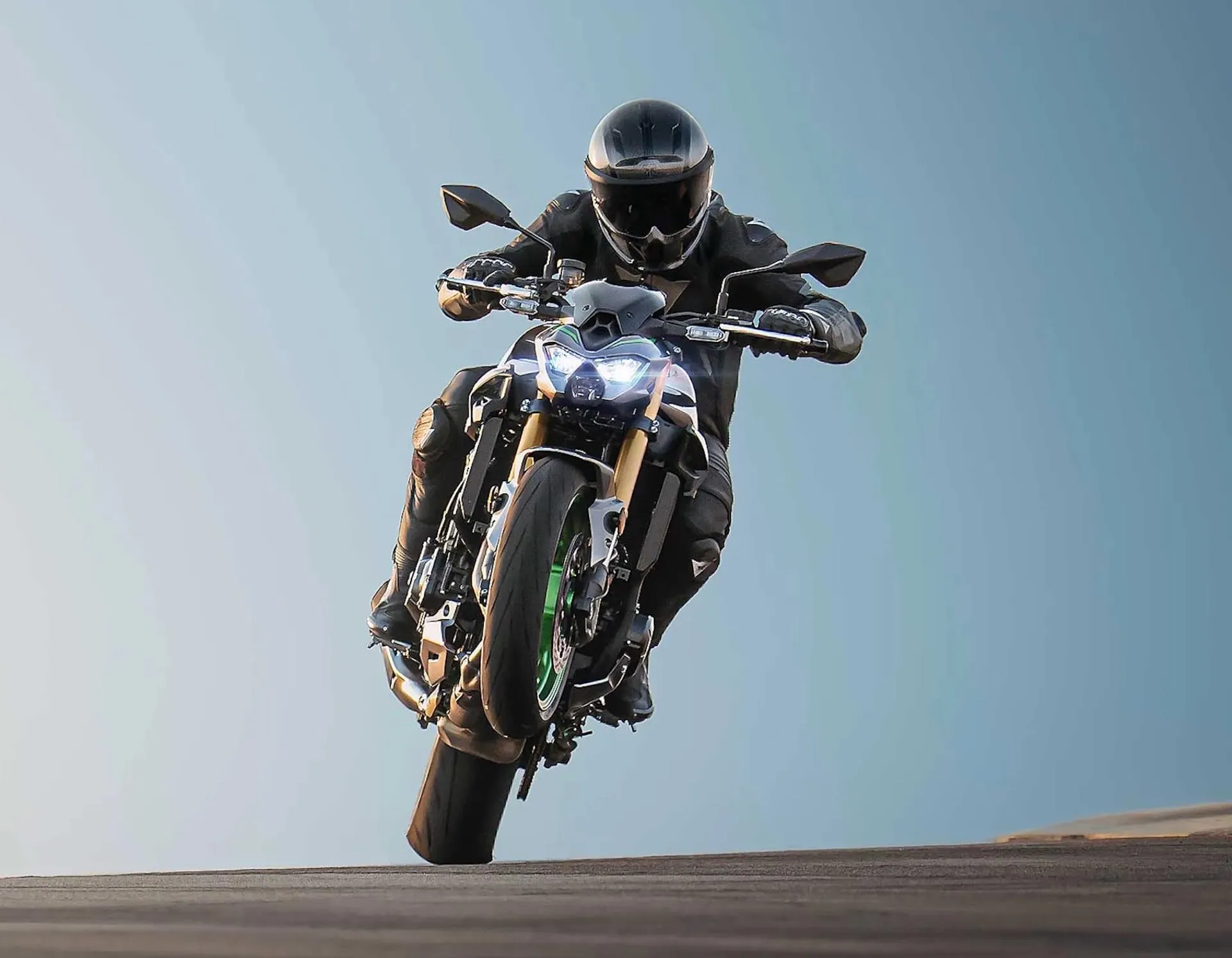



Pushing a Kawasaki hard on the track is one of the most addictive experiences a rider can have. The throttle response, the chassis balance, and the way the engine pulls through the mid and top end all encourage you to ride faster and longer. But track riding also exposes one weakness that street use often hides: heat management. Engines that feel perfectly fine on public roads can start running hotter than expected once lap after lap stacks up. High RPM, sustained throttle, reduced airflow in slower sections, and aggressive riding all combine to stress the cooling system. For Kawasaki owners who take their bikes to track days, understanding which parts actually keep the engine cool is not optional. It is the difference between consistent performance and mechanical trouble. This guide breaks down the Kawasaki motorcycle parts that genuinely matter when it comes to cooling, especially in track conditions, and how smart upgrades can protect both performance and engine life.
Why Track Days Push Kawasaki Engines Harder Than Street Riding?
Street riding gives engines time to recover. Traffic, stops, cruising speeds, and varying RPMs all allow temperatures to stabilize. Track riding removes those breaks entirely.
On the circuit, the engine lives in the upper rev range. Cooling fans rarely help at speed, oil temperatures climb quickly, and coolant works harder than it ever does on the street. Kawasaki sport and naked models are well engineered, but even the best factory setups are designed for mixed use, not sustained track abuse.
When riders search for Kawasaki motorcycle parts related to overheating, it is usually because they have experienced one of the following:
- Rising temperature warnings after a few sessions
- Power fading as heat builds
- Oil thinning and losing pressure
- Coolant pushing past safe limits
These are signs that the cooling system is reaching its threshold.
Radiators and Why Upgraded Units Matter on Track?
The radiator is the first line of defense against engine heat. Stock Kawasaki radiators are efficient for daily riding, but on track days, they can become a bottleneck.
Aftermarket high-capacity radiators improve cooling by increasing surface area and fluid volume. Thicker cores and improved fin designs allow more heat to dissipate as air passes through at speed. This is especially valuable on tighter tracks where airflow is inconsistent.
For riders running ZX series bikes or Z models on track, an upgraded radiator helps maintain stable temperatures session after session instead of creeping upward every lap.
Silicone Radiator Hoses and Coolant Flow Stability
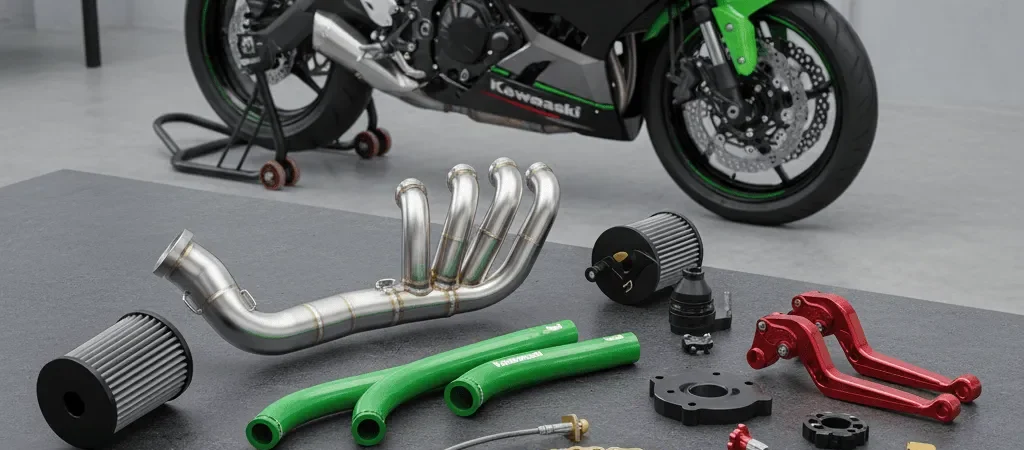
Rubber hoses work fine when new, but under track heat cycles, they soften, expand, and degrade faster. Silicone radiator hoses maintain their shape even at higher temperatures, ensuring consistent coolant flow.
Better flow means better heat transfer. Silicone hoses also resist pressure spikes that can occur during aggressive riding. This is one of those Kawasaki motorcycle parts upgrades that does not add horsepower but protects everything that makes horsepower possible.
On track bikes, reliability matters just as much as speed.
Thermostats and Why Some Riders Replace Them
Thermostats regulate when coolant starts flowing through the radiator. Stock units are calibrated for street riding, warm-up times, and emissions efficiency.
Track riders often choose lower temperature thermostats. These allow coolant to circulate earlier, keeping operating temperatures more stable during aggressive riding. The engine reaches optimal temperature sooner and stays there, instead of swinging between hot and hotter.
This upgrade is subtle but effective, especially for riders who notice temperature spikes early in sessions.
Oil Coolers and the Role of Engine Oil in Heat Control
Many riders focus only on coolant temperature, but oil temperature is just as critical. Oil does more than lubricate. It carries heat away from internal components like pistons, bearings, and crankshafts.
On Kawasaki sport bikes used for track days, oil temperatures can rise faster than coolant temperatures. An upgraded oil cooler increases oil capacity and improves heat dissipation, helping maintain proper viscosity and pressure.
Stable oil temperatures mean consistent throttle response, smoother power delivery, and reduced wear during long sessions.
Cooling Fans and Airflow Management
At speed, airflow does most of the cooling work. But during pit stops, slow laps, or technical sections, fans still matter.
High-performance cooling fans or upgraded fan controllers allow fans to activate sooner and run more efficiently. This helps prevent heat soak when the bike slows down or sits briefly between sessions.
Airflow management also includes ducting and shrouds that guide air directly through the radiator instead of letting it escape around it. Small changes here can make a noticeable difference.
High Performance Coolants and Why They Are Not Just Marketing
Not all coolants are the same. Performance-focused coolants transfer heat more efficiently than standard antifreeze mixes and often operate at lower pressure.
Track riders often choose coolants designed to reduce boiling points and eliminate steam pockets inside the cooling system. This improves heat transfer and prevents sudden temperature spikes under load.
While coolant alone will not fix an undersized system, it complements upgraded Kawasaki motorcycle parts by maximizing their effectiveness.
Water Pumps and Flow Consistency at High RPM
At sustained high RPM, coolant flow rate matters. A worn or marginal water pump can struggle to keep up with demand.
High-flow water pumps or upgraded impellers improve circulation through the engine and radiator. This helps prevent hot spots, especially in engines that spend long periods near redline.
For riders who track older Kawasaki models or high-mileage bikes, inspecting and upgrading the water pump is often overlooked but extremely important.
Preventive Maintenance That Keeps Cooling Systems Effective
Even the best parts fail if maintenance is ignored. Track riders should treat cooling system checks as routine, not optional.
This includes:
- Flushing coolant regularly
- Inspecting hoses and clamps
- Checking radiator fins for debris or damage
- Verifying fan operation
- Monitoring oil condition and temperature
Small issues become big problems quickly on the track.
Choosing the Right Cooling Upgrades for Your Kawasaki
Not every rider needs every upgrade. The right combination depends on riding style, climate, and bike model.
A beginner track rider may only need fresh coolant and better hoses. Experienced riders pushing lap times often benefit from radiators, oil coolers, and airflow improvements. The key is understanding how heat builds and addressing the weak points before they cause failures.
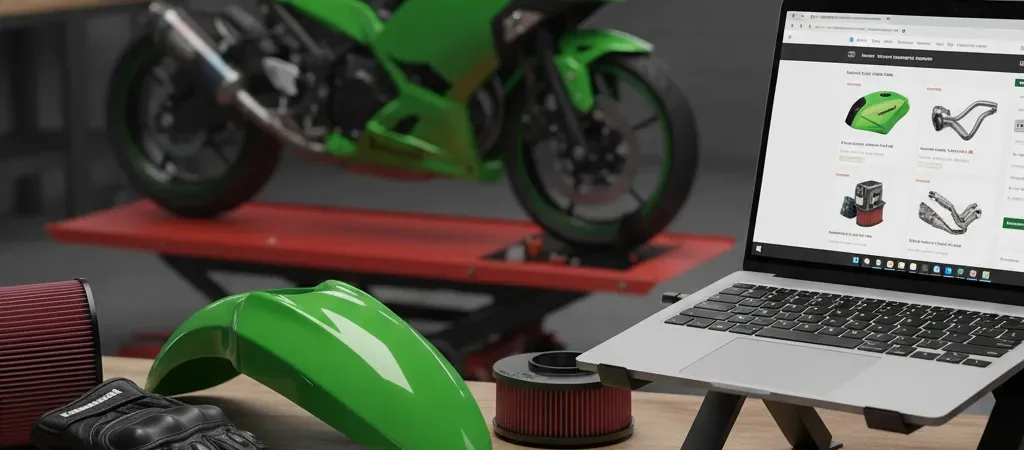
This is where selecting the right Kawasaki motorcycle parts matters. Cooling upgrades are not about chasing numbers. They are about consistency, reliability, and confidence when pushing the bike hard.
Conclusion
Track riding exposes the limits of both rider and machine. Kawasaki engines are known for durability and performance, but heat is the enemy of both. The right cooling-focused parts allow the engine to operate where it performs best without sacrificing longevity. Whether you ride occasional track days or push your Kawasaki hard every weekend, investing in cooling system upgrades pays off in smoother sessions, fewer mechanical surprises, and a bike that performs the same on lap ten as it did on lap one.