



Aliwheels is a leading motorcycle parts supplier offering free shipping anywhere in the world on orders above $300. Please note that all of our motorcycle parts and accessories are certified and tested. With more than 10,000* products to choose from this is your one place to get the motorcycle part you need. Browse our vast inventory of motorcycle radiators, fairings, clutch plates, headlights, chains, and sprockets.

Free Shipping over $300

Support 24/7

Secure Payments

Hot Offers

The Kawasaki Ninja H2R is not a street bike. It is a supercharged, track-only machine built for riders who push performance well beyond what most motorcycles are capable of, and that changes what riders actually need from their speedometer. Here is a complete guide to understanding and replacing this critical instrument.

Why the H2R Is a Different Category Entirely

Unlike most bikes where a speedometer simply confirms you are within legal limits, the H2R’s supercharged engine and extreme performance envelope make accurate speed data essential for how you ride the bike. Track riders pushing this machine near its limits rely on precise, real-time speed information to make split-second decisions about braking points, corner entry speed, and overall control at speeds far beyond typical street riding.

This is exactly why a malfunctioning or inaccurate speedometer on an H2R is not a minor inconvenience the way it might be on a commuter bike. It directly affects a rider’s ability to safely maximize the machine’s engineered performance.

What Can Go Wrong With the H2R’s Speedometer

As a track-focused machine, the H2R’s instrument cluster experiences a different stress profile than a typical street bike’s speedometer, and this shapes what tends to fail.
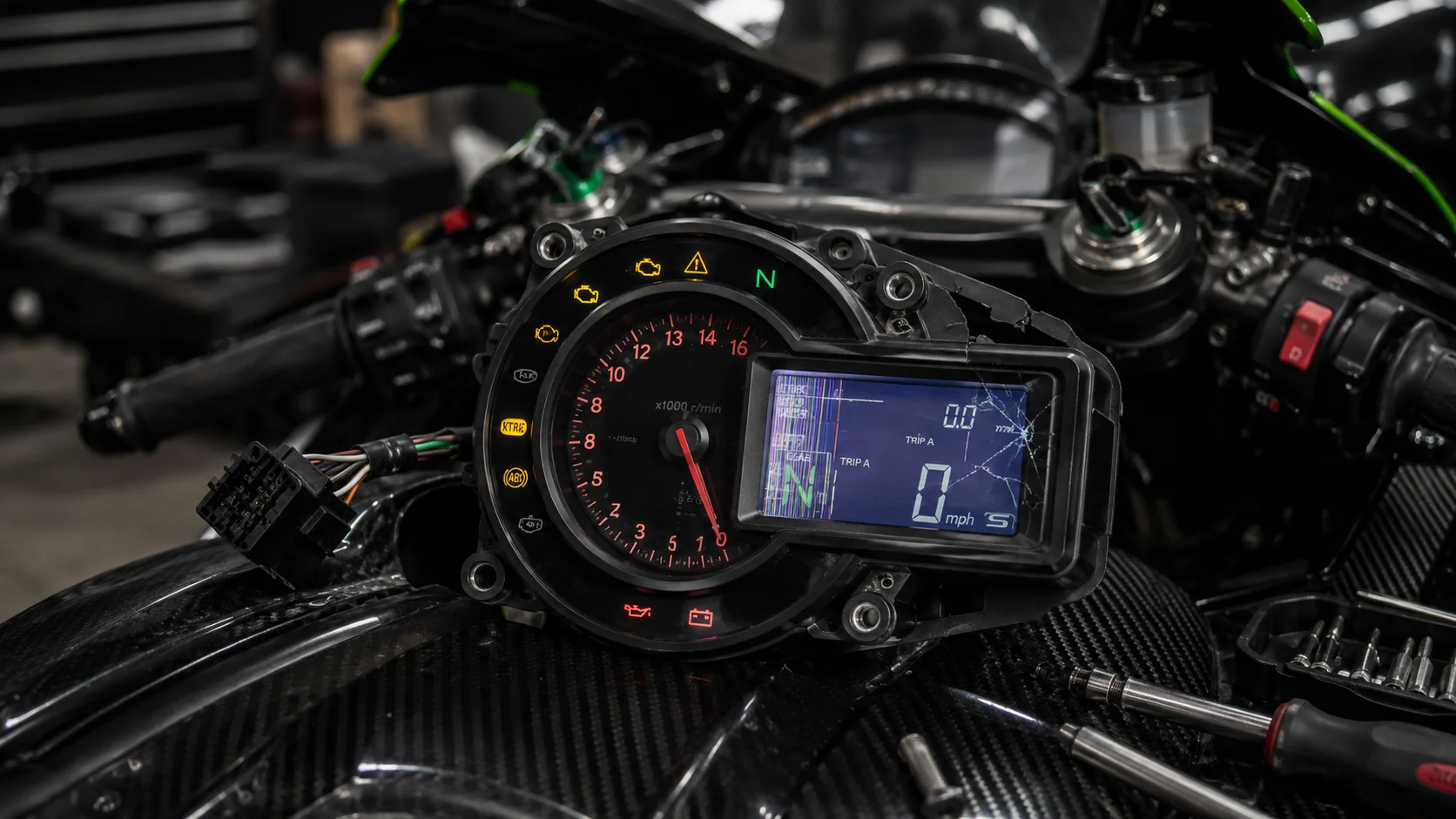
Damaged H2R speedometer

Vibration-related connector issues are a real concern given the extreme performance this bike is capable of. Sustained high-RPM operation and aggressive track use put more cumulative vibration stress on electrical connections than typical street riding ever would, which can gradually work connectors loose or cause intermittent readings over time.

Impact and mounting damage happens more frequently on track-focused machines than casual street bikes, given how these bikes get ridden and occasionally dropped during aggressive riding or track day incidents. A cracked housing or damaged mounting point compromises the entire unit’s reliability, even if the core electronics still technically function.

General wear from extreme use reflects simply how hard these bikes get ridden compared to a typical commuter motorcycle. Components rated for standard use see accelerated wear when consistently pushed to the kind of performance levels the H2R is designed for.

Why You Should Never Ignore Speedometer Issues on This Bike

Given the H2R’s genuinely extreme performance ceiling, riders need reliable, real-time speed data specifically for precision control when approaching the bike’s limits. An inaccurate or malfunctioning speedometer removes a critical piece of information exactly when a rider needs it most, during aggressive track riding where speed awareness directly informs braking and cornering decisions.

This is not a bike where “close enough” speed data is acceptable. If you notice any inconsistency, delay, or complete failure in your speedometer readings, addressing it before your next track session should be a genuine priority rather than something to defer.

Direct Replacement vs Generic Aftermarket Gauges

Given how specialized the H2R’s electronics and mounting are, a direct, purpose-built replacement matters more here than on many other bikes. A generic aftermarket gauge not specifically engineered for this model risks incompatible wiring, incorrect calibration, or a physical fit that does not properly integrate with the H2R’s cockpit layout.

A direct replacement for 2018–2023 models restores accurate function without calibration guesswork or a poor fit that could distract you during high-performance riding.

What Aliwheels Offers for the H2R

Aliwheels carries the Kawasaki Ninja H2R Speedometer for 2018-2023 model years, engineered with premium materials specifically to withstand the extreme demands of aggressive, track-focused riding. This direct replacement installs easily and restores accurate speed data, giving you full command of the bike’s performance without relying on faulty gauges.
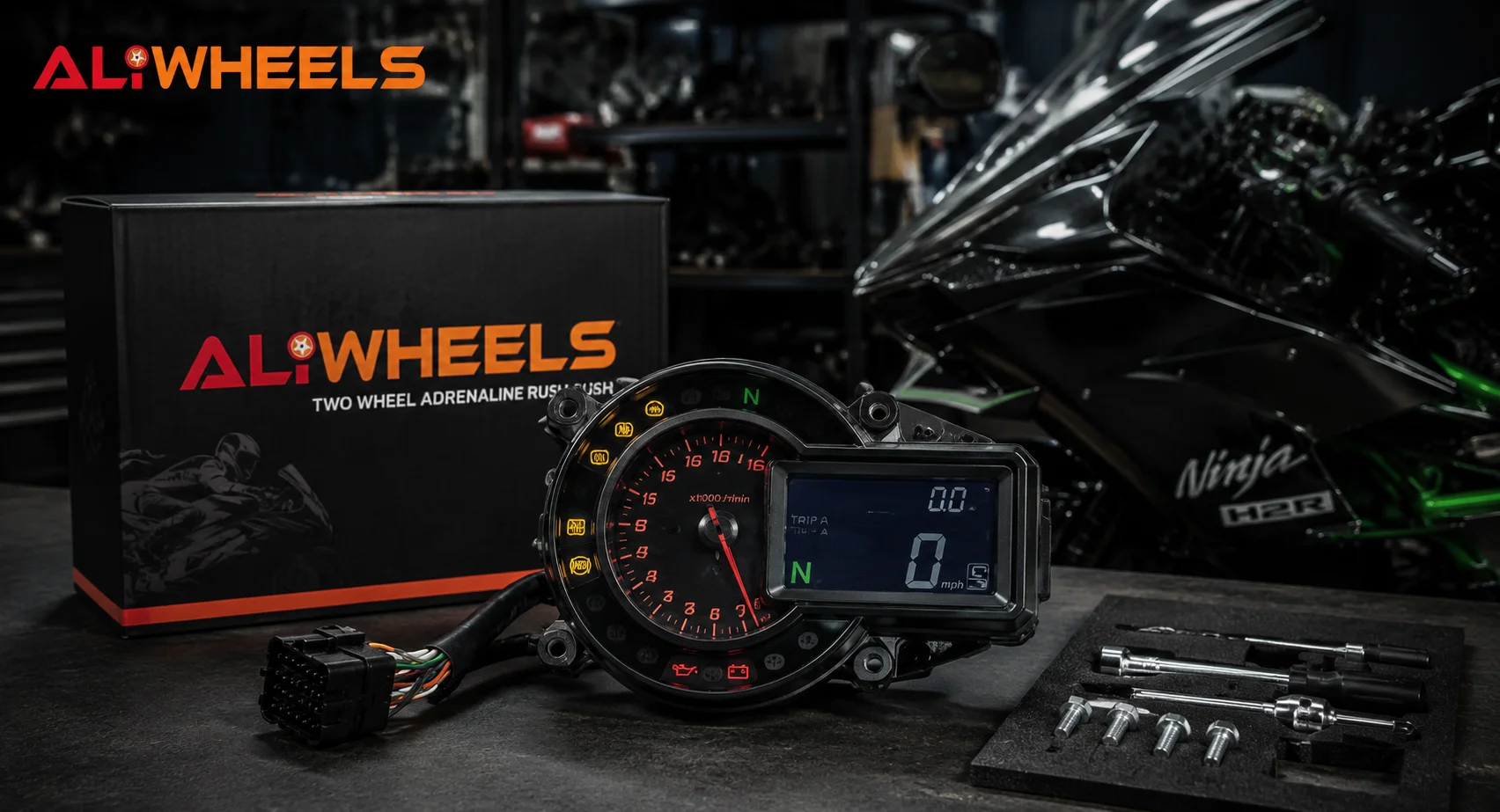
Aliwheels H2R speedometer kit

Browse our full Kawasaki motorcycle parts collection for additional fitment-matched components built for this platform’s unique performance demands.

Installation Considerations

Given the H2R’s specialized electronics, confirming proper connector compatibility before installation is essential. Take time to verify the replacement unit’s wiring matches your bike’s harness exactly before finalizing the physical mounting, since a properly matched electrical connection is just as important as accurate physical fitment for this particular component.

After installation, test the speedometer function in a controlled, low-speed environment before returning to aggressive track riding, confirming accurate, consistent readings across a range of speeds rather than assuming correct function immediately after installation.

Maintaining Your Speedometer for Track Use

Given how demanding this bike’s use case is, periodic inspection of your speedometer’s mounting and connections helps catch developing issues before they become a track-day problem. Check for any visible cracking around the housing after aggressive sessions, and confirm electrical connections remain secure given the accumulated vibration exposure from sustained high-performance riding.

Frequently Asked Questions

Why does speedometer accuracy matter so much on the H2R specifically?

The H2R’s extreme performance envelope means riders rely on precise, real-time speed data to make critical decisions about braking and cornering at speeds far beyond typical street riding, making accuracy a genuine safety factor rather than a minor convenience.

What commonly causes speedometer issues on the H2R?

Sustained high-performance riding causes vibration-related connector issues, while aggressive track sessions and incidents lead to mounting damage and accelerated overall wear.

Should I use a generic aftermarket gauge or a direct replacement?

Choose a direct, model-specific replacement over generic gauges, which often cause wiring incompatibilities or fitment issues in the H2R’s cockpit.

Does Aliwheels stock a speedometer for the Kawasaki H2R?

Yes, a direct fitment speedometer is available for 2018-2023 model years, engineered specifically to withstand aggressive, track-focused riding demands.

How do I know if my H2R speedometer needs replacing?

Watch for inconsistent readings, delayed response, or complete failure to display speed data. Given how critical accurate speed information is on this machine, address any of these signs before your next track session.

Browse our full Kawasaki motorcycle parts collection for fitment-matched components built for extreme performance riding.
(Commenting: OFF)

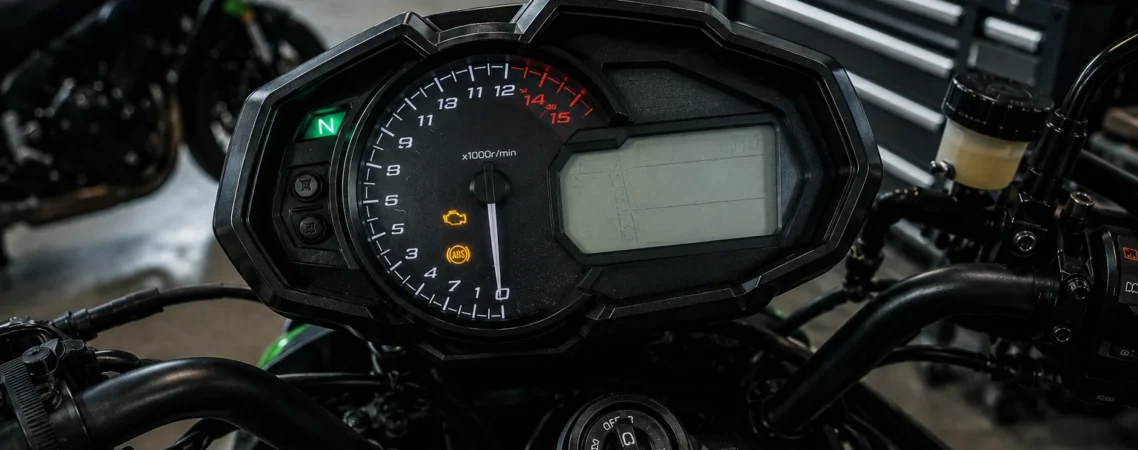
A Kawasaki speedometer that suddenly reads zero, jumps erratically, or shows an inaccurate speed reading is annoying. Moreover, It’s a real safety concern. And on many Kawasaki models, it traces back to a handful of well-documented mechanical causes. Let’s walk through what’s actually happening and how to fix it.

This Happens So Often on Cable-Driven Kawasaki Models

Bikes like the W800 use a mechanical, cable-driven speedometer system rather than a fully electronic sensor setup. This design pulls speed data from a gear connection at your wheel hub, transmitted through a cable to the speedometer housing itself. It’s a reliable system when properly maintained, but it has specific failure points that show up repeatedly across owner forums.

Causes of Kawasaki Speedometer Failure

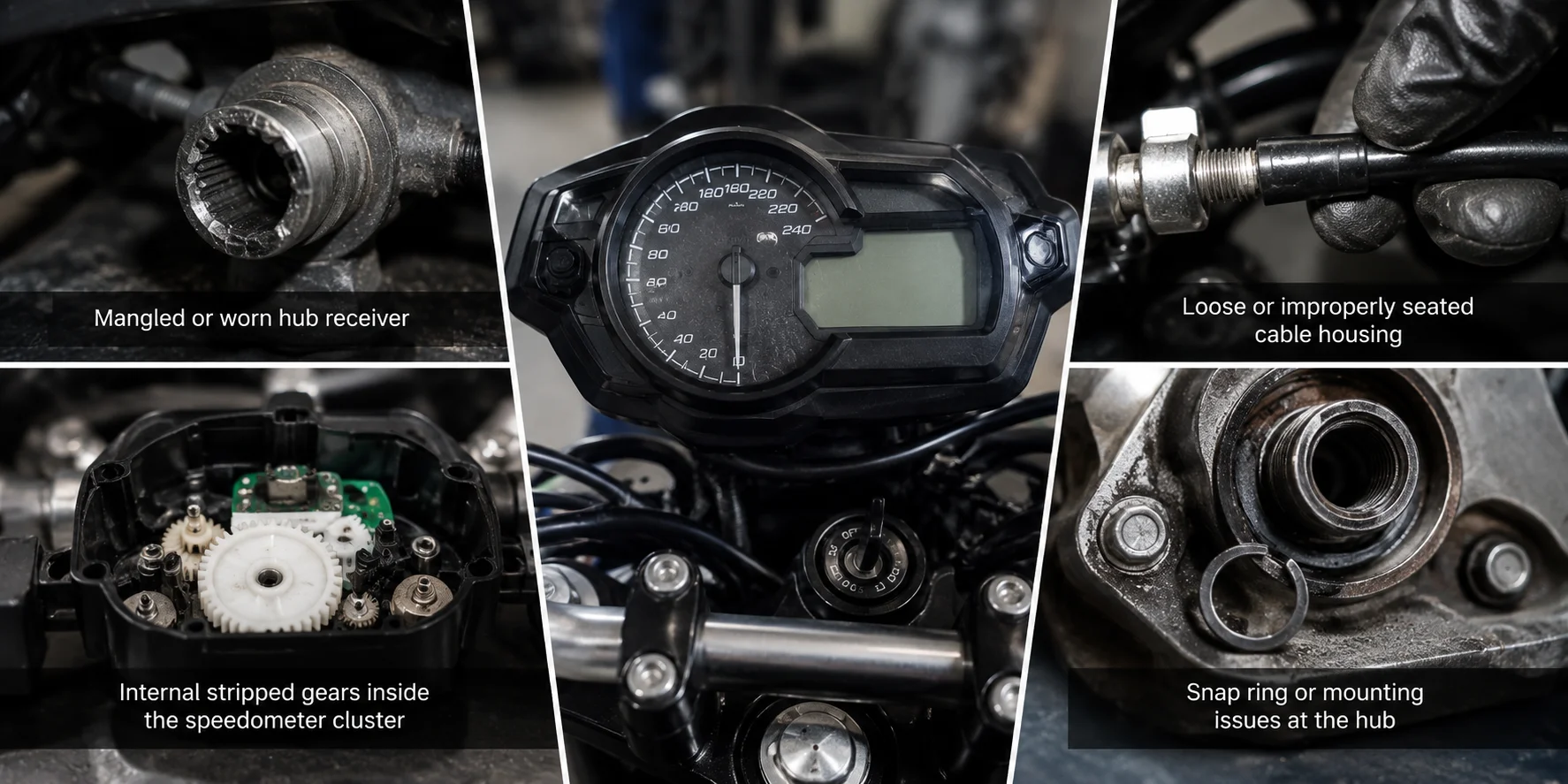
A mangled or worn hub receiver. The small gear-driven receiver inside your wheel hub can wear out or become misaligned over time, especially if it wasn’t perfectly aligned during a previous wheel or brake service. Owners describe finding this component visibly deformed once they investigate a dead speedometer.

A loose or improperly seated cable housing. If your cable housing isn’t fully connected at the speedometer end, the needle can behave erratically, jumping between speeds or reading incorrectly, even though the cable itself isn’t damaged.

Internal stripped gears inside the speedometer cluster. Sometimes the failure isn’t at the wheel end at all. A small internal gear inside the speedometer housing itself can strip over time, causing intermittent or complete failure while your odometer continues working normally, since they don’t always share the same failure point.

Snap ring or mounting issues at the hub. The receiver that connects your cable to the wheel hub is typically held in place with a snap ring. If this becomes loose, greasy, or improperly seated during a previous service, it can prevent the cable from spinning correctly.

Kawasaki speedometer failure causes

How to Diagnose a Speedometer’s Issue?

Start by checking whether your odometer and trip counter still function normally while your speedometer fails. If they do, this points toward an internal gear or needle mechanism issue within the speedometer cluster itself, rather than a problem at the wheel hub.

Next, disconnect your cable at the speedometer end and manually spin it while checking for resistance or binding. A cable that spins freely by hand but doesn’t transmit motion when connected suggests a problem at the connection point rather than the cable itself.

Finally, inspect the wheel hub receiver directly. This usually requires removing your rear wheel, depending on your specific model’s configuration. Look for visible deformation, excessive grease buildup, or a receiver that doesn’t sit flush and properly seated.

Mistakes During Reassembly

Several owners trace their speedometer problems back to previous wheel or brake service work, where the receiver wasn’t properly aligned with the meter gear in the brake assembly housing during reassembly. Taking a few extra minutes to confirm proper alignment during any wheel service prevents this issue from developing in the first place.

The Fix

Once you’ve identified whether your issue traces back to the housing, cable, or hub receiver, replacement is usually straightforward. For a fully failed or unreliable speedometer cluster, starting fresh with a properly fitted replacement eliminates uncertainty about internal wear you can’t easily inspect yourself.

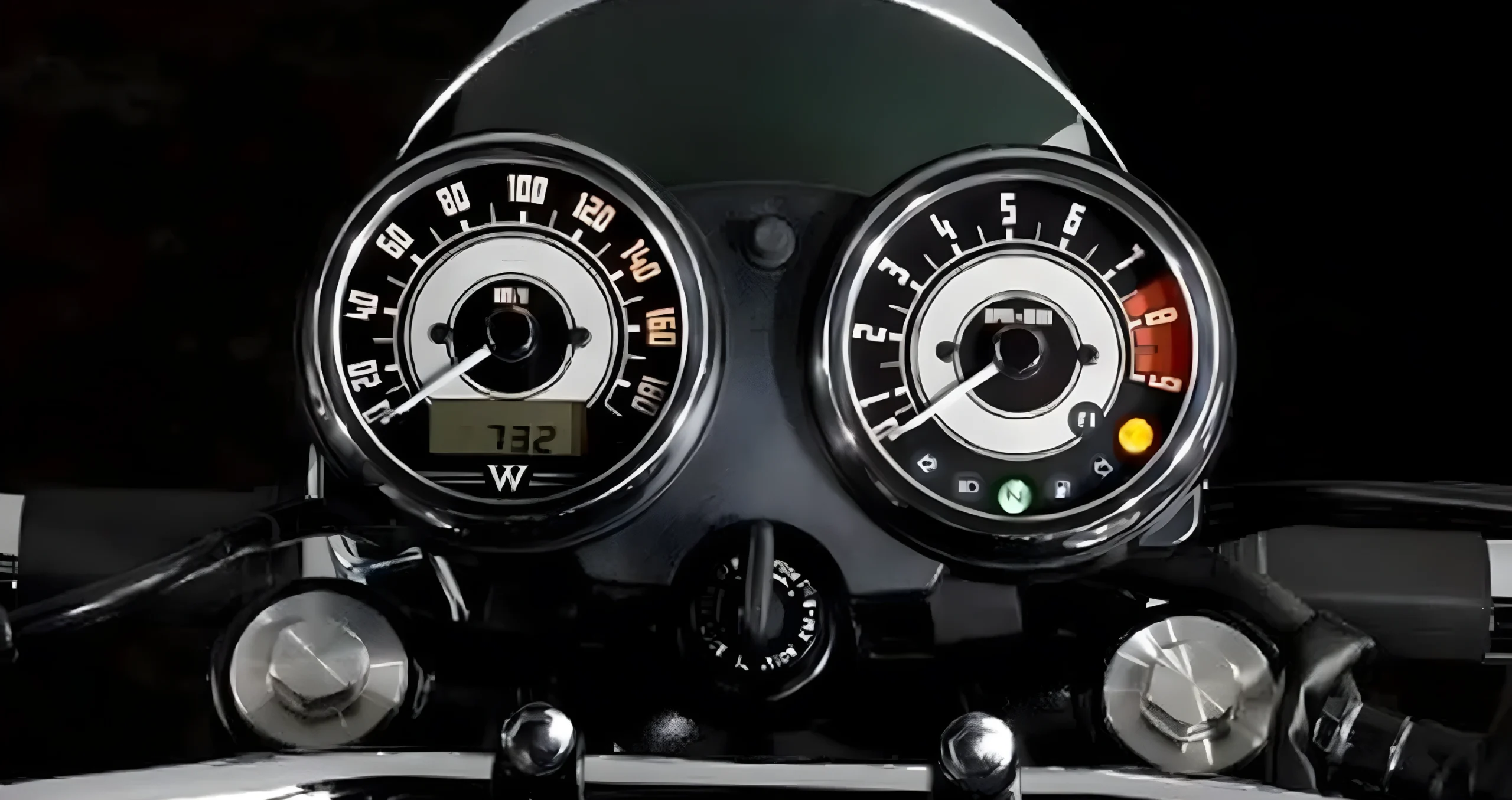
Aliwheels stocks the Kawasaki W800 Speedometer (2011-2023), which is an exact fitment replacement for your exact model. Replacing it with a brand new functional one saves you from guesswork that comes with trying to repair worn internal components yourself.

Installing an aftermarket Kawasaki Speedometer

  1. Disconnect your battery before beginning any electrical work.
  2. Remove any bodywork or housing panels surrounding your current speedometer cluster.
  3. Disconnect the speedometer cable from the back of the unit.
  4. Disconnect any electrical wiring connected to the cluster, such as warning lights or trip functions.
  5. Remove the mounting bolts securing the speedometer housing.
  6. Position your new speedometer unit and secure it with the provided hardware.
  7. Reconnect the cable, checking that it seats fully and spins freely by hand before final installation.
  8. Reconnect any electrical wiring and your battery.
  9. Test the speedometer at low speed in a safe area before riding normally, confirming smooth, accurate needle movement.

Most riders complete this replacement in under an hour. Perhaps the hub receiver inspection may take extra time if you’re addressing that component as well.

How to Prevent Future Speedometer Failures?

Whenever you have your wheel off for tire changes or brake service, take a moment to confirm the speedometer receiver seats properly and aligns correctly with the meter gear before reinstalling everything. A small amount of appropriate grease on the receiver, applied sparingly, helps maintain smooth engagement without attracting excessive dirt buildup over time.

Periodically check that your cable housing connection at the speedometer end sits fully seated, especially after any bodywork removal for maintenance access.

Frequently Asked Questions

Why does my odometer still work when my speedometer doesn’t?

These two functions sometimes rely on slightly different internal mechanisms within the speedometer cluster, so one can fail independently of the other, particularly with internal gear-related failures.

Can I repair a stripped internal gear myself, or do I need a replacement unit?

This depends on your comfort level with precision small-parts work and whether replacement gears are available for your specific model. Many riders find replacing the entire unit more reliable and less time-consuming than sourcing and installing individual internal components.

Is a wandering or jumping needle the same issue as a completely dead speedometer?

Not necessarily. A jumping needle often points toward a loose cable connection, while a completely dead speedometer more often indicates a hub receiver or internal gear failure. Diagnosing which symptom you have helps narrow down the actual cause.

How often should I inspect my speedometer cable and receiver?

Check them whenever you have your wheel off for other service work, and address any looseness or wear immediately rather than waiting for a complete failure while riding.

Browse our full Kawasaki motorcycle parts collection for additional fitment-matched components for your bike.

(Commenting: OFF)

Or login with your social account