


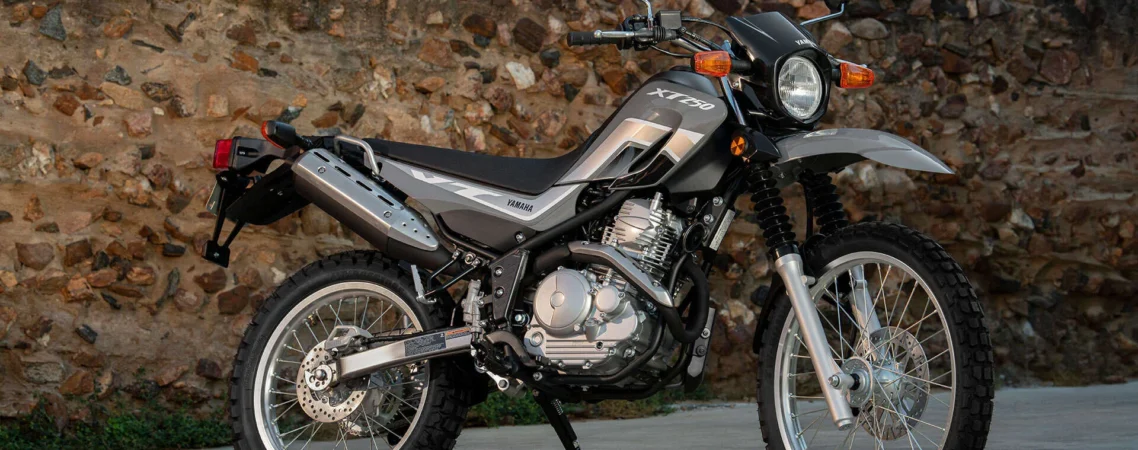
The Yamaha XT250 has earned a loyal following among dual-sport riders who want something simple, light, and genuinely capable on and off pavement. Yamaha also sells versions of this platform under the Serow and Tricker names, depending on your market and model year. All three share the same core engineering underneath slightly different bodywork and character.
This bike rewards owners who understand its straightforward, lightweight design. It is not trying to be a powerful adventure tourer. It is trying to be reliable, accessible, and fun, and it succeeds at exactly that when properly maintained.
This guide covers the problems XT250 owners run into most often, along with maintenance priorities that keep this platform running well for years. A quick, honest note before we start: parts availability for this specific model is genuinely more limited than for mainstream street bikes, so we will be direct about what is actually available rather than pointing you toward parts that do not exist.
The XT250 Platform Rewards Simplicity
The XT250 uses an air-cooled, single-cylinder engine, a straightforward five-speed transmission, and a genuinely simple overall design. This simplicity is a feature, not a limitation. Fewer complex systems mean fewer things that can fail, and the components that do exist are generally accessible for maintenance.
This matters for new dual-sport riders, especially. A bike this simple forgives mistakes more easily than a complex, electronics-heavy adventure bike would. It also means most maintenance tasks stay within reach of a reasonably confident home mechanic, rather than requiring specialized diagnostic equipment.
Fuel System Care: The Most Common Real-World Issue
This is genuinely the area where XT250 owners run into the most trouble, and it makes sense once you understand how these bikes get used. Many XT250s see seasonal riding, extended storage between rides, or genuinely infrequent use compared to a daily commuter bike.
Old fuel breaks down during storage periods. It leaves behind gum and varnish deposits that clog small passages in the fuel system, whether your bike runs a carburetor or fuel injection, depending on model year. Starting problems after a bike sat unused for weeks or months almost always trace back to this cause.
Watch for hesitation, rough idle, or difficulty starting after any extended period of non-use. If your XT250 sat through a winter without proper fuel system preparation, budget for a cleaning or fuel system service before assuming something more serious is wrong.
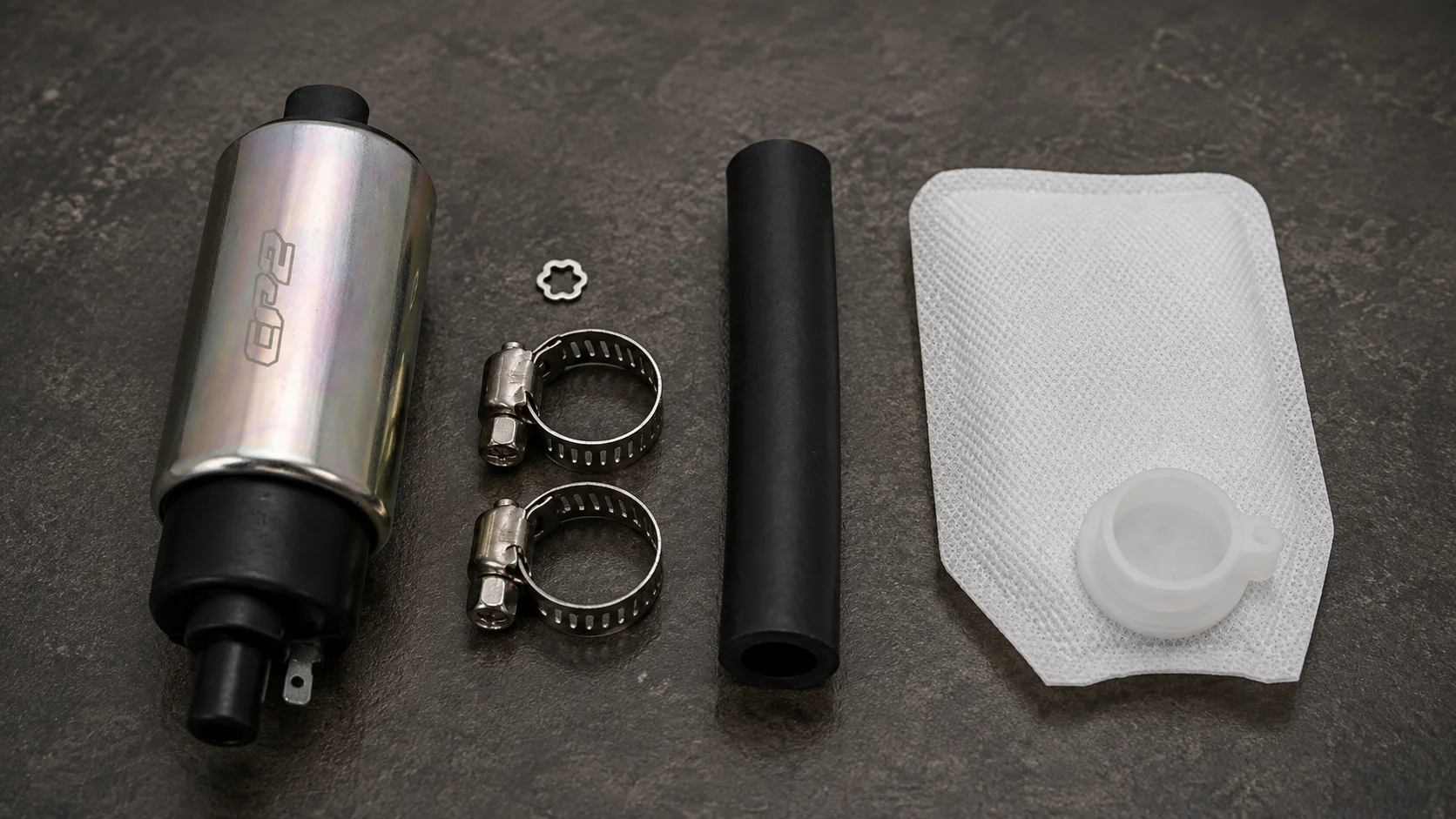
We stock a fuel pump for the Yamaha XG250 Tricker and XT250 Serow, covering both naming conventions across different markets. If your fuel pump has genuinely failed rather than just needing a cleaning, this gives you a direct replacement path without hunting through less reliable sources.
Storage and Long-Term Fuel Management
Given how much fuel system trouble traces back to storage periods, prevention matters more here than on a bike you ride daily. A fuel stabilizer added before any extended storage period keeps fuel from breaking down as quickly, and it costs far less than a fuel system cleaning after the fact.
If you know your XT250 will sit for more than a month, consider running the tank closer to empty first, or use a stabilizer and run the engine briefly to circulate treated fuel through the system. This small habit prevents the single most common complaint XT250 owners report.
Chain and Sprocket Maintenance
Like any chain-driven motorcycle, the XT250 needs regular chain maintenance to perform well and last. Off-road and dual-sport use accelerates chain wear compared to purely on-road riding, since dirt and debris work their way into the chain more readily during trail riding.
Check chain slack regularly, more often if you ride off-road frequently. Clean and lubricate the chain after any dirty or dusty ride, not just on a fixed schedule. A neglected, dry chain wears both itself and the sprockets faster than a well-maintained one, turning a simple maintenance task into a more expensive replacement.
Look at sprocket teeth periodically too. Worn teeth develop a hooked shape rather than a straight edge, and this visual check tells you clearly when replacement time has arrived, regardless of what your mileage log says.
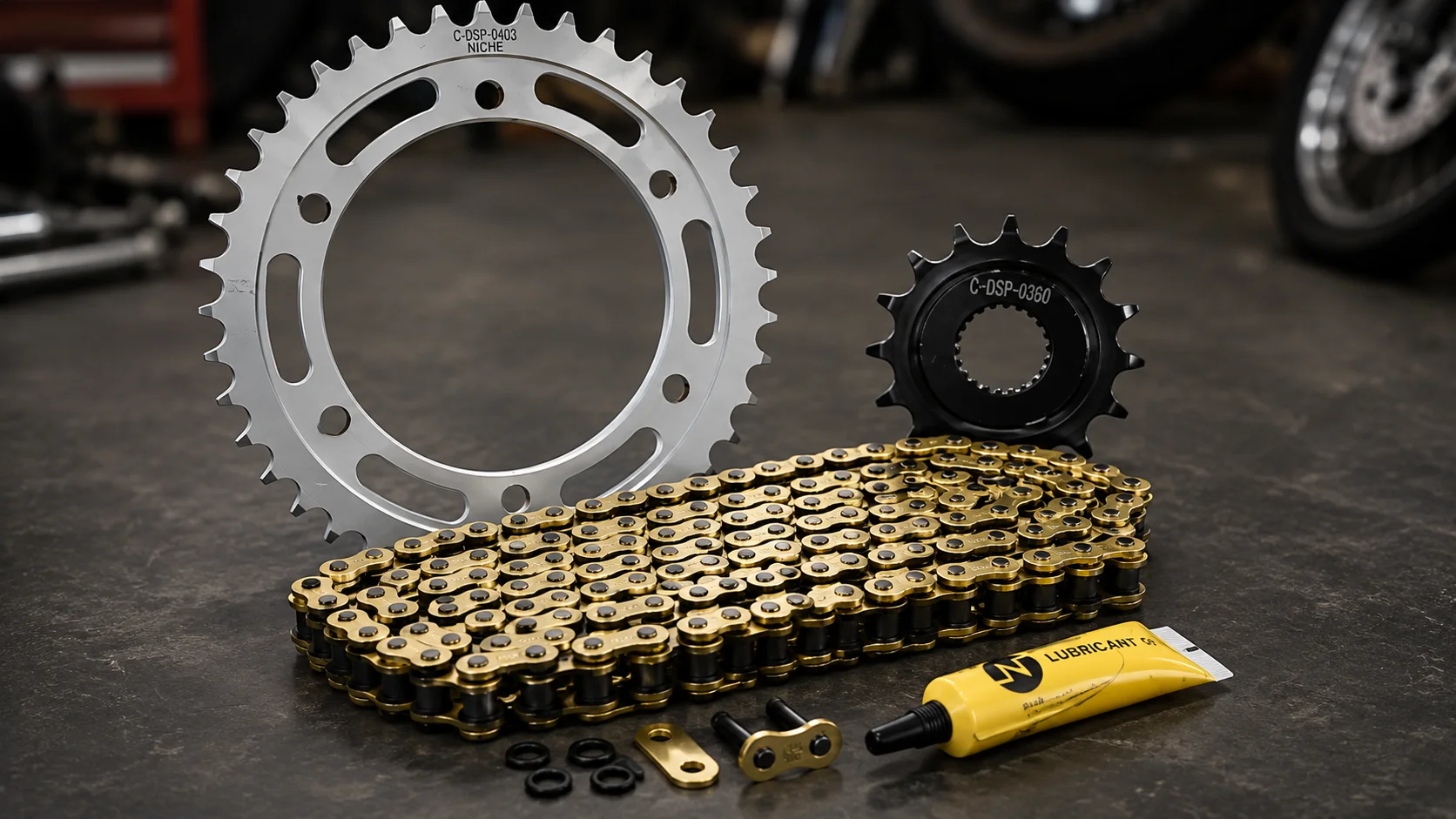
We stock a complete Yamaha XT250 Sprocket Chain Set for 2010 through 2023 models. If your drive system shows hooked teeth or excessive stretch, this direct replacement restores smooth power delivery without hunting for separate parts.
Suspension Setup for Mixed Riding
The XT250 ships with suspension tuned as a genuine compromise between street comfort and off-road capability. Depending on how you actually ride, this stock setup might already suit you well, or it might feel like it is fighting your intentions.
Riders doing mostly street riding sometimes find the stock suspension slightly soft or vague at higher speeds. Riders pushing hard off-road sometimes want more aggressive damping and travel than the stock setup provides. Understanding which category you fall into helps you decide whether suspension work is worth pursuing, rather than assuming the stock setup is simply wrong for everyone.
Start with basic adjustments if your suspension offers them, like preload settings matched to your weight. This costs nothing and often solves complaints that riders initially assume require expensive aftermarket components.
Air Filter Maintenance for Dusty Conditions
Dual-sport and off-road riding exposes the air filter to far more dust and debris than typical street riding. This makes air filter maintenance more important on the XT250 than it would be on a pavement-only commuter bike.
Check your air filter condition more frequently if you ride off-road regularly. A clogged filter restricts airflow, which hurts both performance and fuel efficiency. Depending on your filter type, cleaning and re-oiling extends its life significantly between full replacements, and this is a task well within reach of any owner comfortable with basic maintenance.
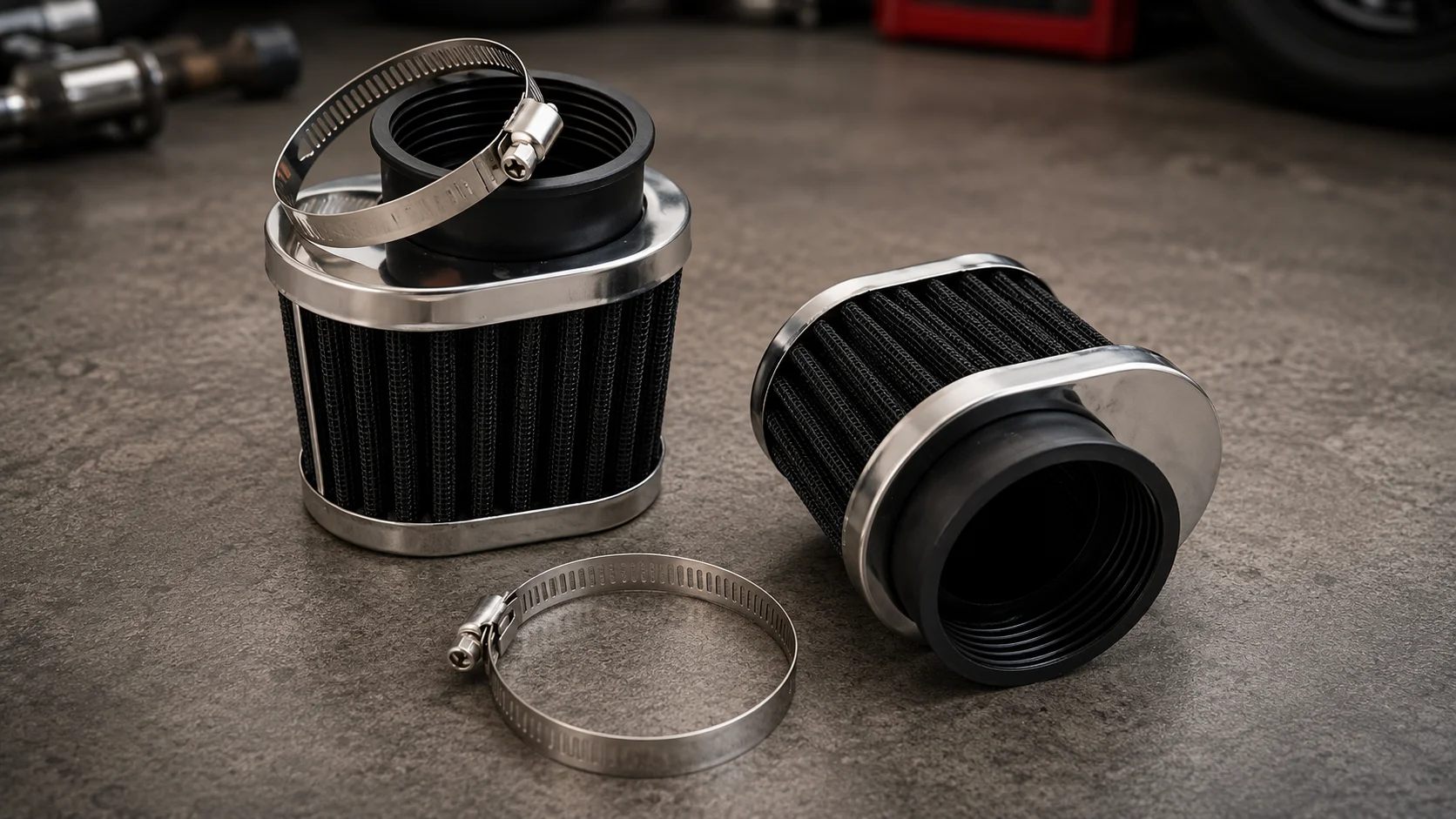
We stock a direct-fit Yamaha XT250 Air Intake Filter Cleaner Pod for 2010 through 2018 models. If your current filter is clogged or degraded from dusty rides, this replacement restores optimal airflow and protects your engine without fitment hassle.
Cold Weather Starting Considerations
Air-cooled, single-cylinder engines can present specific starting challenges in cold weather that liquid-cooled, multi-cylinder engines handle more gracefully. This is not a defect. It is simply a characteristic of this style of engine that owners benefit from understanding.
If your XT250 starts hard in cold weather, confirm your starting procedure matches Yamaha’s recommendations for your specific model year and fuel system type, since carbureted and fuel-injected versions may have different recommended cold-start approaches. Battery condition also matters more in cold weather, since cold temperatures reduce a battery’s effective cranking power regardless of how healthy it tested in warmer conditions.
Battery Care for Seasonal Riders
Given how often XT250 owners use their bikes seasonally rather than daily, battery maintenance deserves real attention. A battery that sits unused for weeks or months self-discharges gradually, and combined with any small parasitic draw from the bike’s electronics, this can leave you with a dead battery exactly when you finally want to ride.
A battery tender solves this completely. Connect it whenever the bike will sit for more than a couple of weeks, and you eliminate the surprise dead battery that catches so many seasonal riders off guard every spring.
Brake Maintenance Across Riding Conditions
The XT250’s disc brakes work well for its weight and intended use, but off-road riding introduces more dirt and grit into the braking system than pure street riding does. This affects both pad wear and how often you should inspect the system overall.
Check brake pad thickness more frequently if you ride off-road regularly, since dirt and grit accelerate wear beyond what typical street riding would cause. Check brake fluid condition periodically too, watching for the same moisture-contamination signs that affect any hydraulic brake system over time; clear to light amber fluid is healthy, dark or cloudy fluid needs attention.
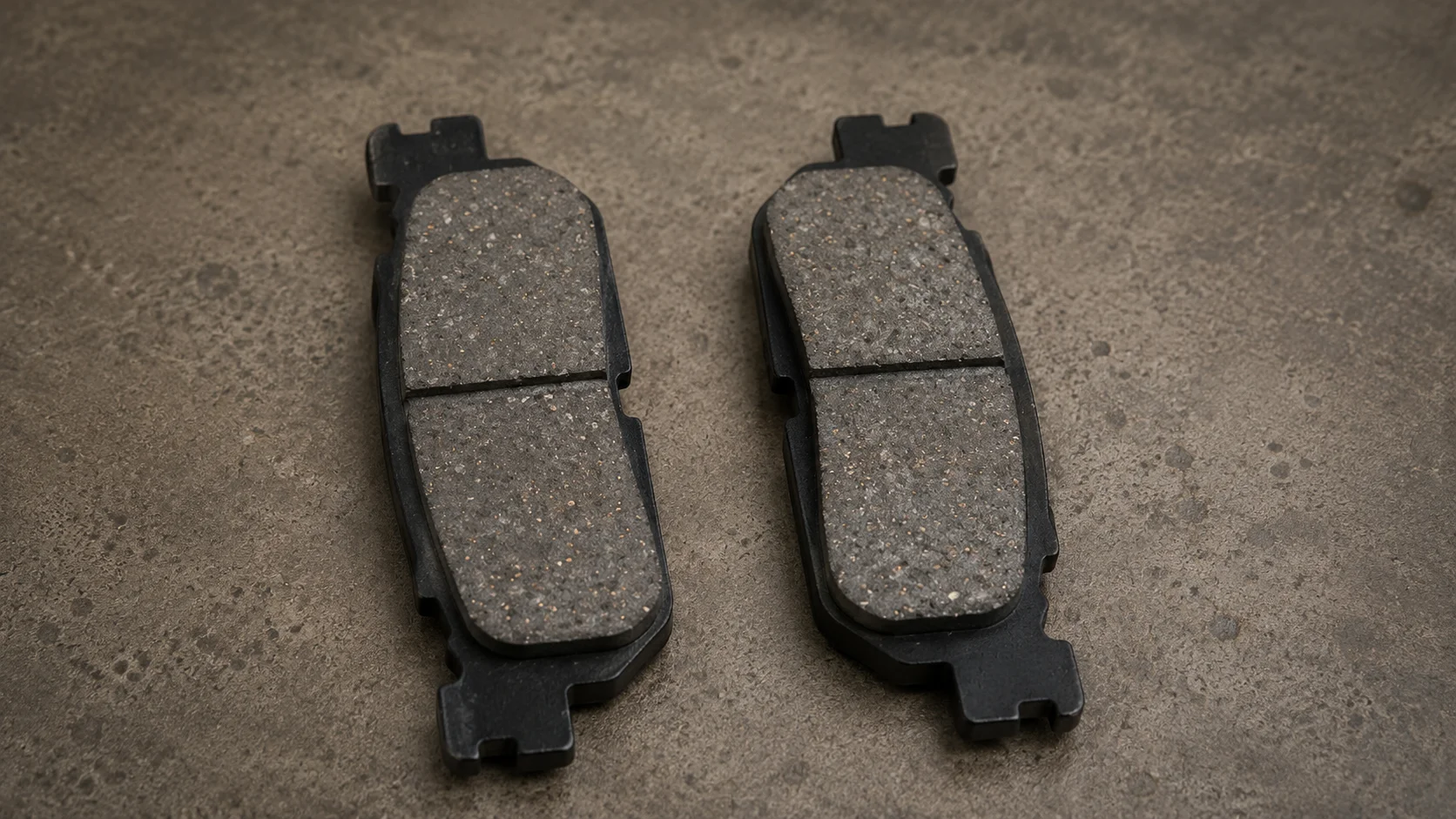
We stock direct-fit Yamaha XT250 Front Brake Pads for 2010 through 2024 models. If your current pads are worn down or contaminated from trail riding, this replacement restores dependable stopping power without guessing on fitment.
Being Realistic About Parts Availability
Here is something every XT250 owner should understand clearly. This is a smaller-volume model compared to mainstream street bikes, and that affects how easily you can source certain parts, especially model-specific bodywork or less common components.
Generic dual-sport parts, chains, sprockets, filters, and consumables are usually easy to find from multiple sources. Model-specific parts get harder to source the more specialized they are. If you cannot find exactly what you need through one source, checking parts shared across the XT250, Serow, and Tricker family sometimes widens your options, since these models share significant underlying engineering despite different names in different markets.
Building a Maintenance Routine That Fits How You Actually Ride
Everything covered here becomes easier to manage with a routine matched to your actual riding pattern, rather than a generic schedule borrowed from a different type of bike entirely.
If you ride seasonally, prioritize fuel system preparation before storage and battery maintenance during dormant periods above almost everything else on this list. If you ride off-road regularly, prioritize chain, air filter, and brake maintenance more frequently than the stock service intervals suggest, since dirt and debris accelerate wear across all three systems.
None of these tasks require special expertise. They require consistency, and building that habit protects a genuinely simple, reliable platform from the handful of problems that do come up.
What to Check Before Buying a Used XT250
If you are shopping for an XT250 rather than already owning one, a few checks protect you from inheriting someone else’s neglected maintenance. Ask directly about storage history, since long dormancy periods predict fuel system problems reliably on this platform specifically.
Check chain and sprocket wear closely, especially if the bike shows signs of regular off-road use. Test cold starting if possible, since this reveals both fuel system health and battery condition at once. Look at brake pad thickness and fluid condition, keeping in mind that off-road use accelerates wear beyond typical street-riding expectations.
The Bottom Line for XT250 Owners
The XT250 rewards owners who understand its simple, accessible design and maintain it consistently. Fuel system care matters more here than on most bikes, given how often these bikes see seasonal or infrequent use. Chain, air filter, and brake maintenance all deserve more frequent attention if you actually use the bike’s off-road capability regularly.
None of the problems covered here are complicated or alarming. They simply require the right attention at the right time, and this platform’s simplicity means most owners can handle that attention themselves without needing specialized tools or expertise. Start with fuel system care if your bike has seasonal use, since that addresses the most common real-world complaint on this platform.
Browse the complete range of genuine Yamaha Motorcycle Parts at Aliwheels