




bikerbiker Aliwheels is a leading motorcycle parts supplier offering free shipping anywhere in the world on orders above $300. Please note that all of our motorcycle parts and accessories are certified and tested. With more than 10,000* products to choose from this is your one place to get the motorcycle part you need. Browse our vast inventory of motorcycle radiators, fairings, clutch plates, headlights, chains, and sprockets. biker

Free Shipping over $300

Support 24/7

Secure Payments

Hot Offers

Aliwheels is a leading motorcycle parts supplier offering free shipping anywhere in the world on orders above $300. Please note that all of our motorcycle parts and accessories are certified and tested. With more than 10,000* products to choose from this is your one place to get the motorcycle part you need. Browse our vast inventory of motorcycle radiators, fairings, clutch plates, headlights, chains, and sprockets.

Free Shipping over $300

Support 24/7

Secure Payments

Hot Offers

The Yamaha XSR900 is one of those motorcycles that rarely stays completely stock for long. It combines the lively CP3 triple-cylinder engine with agile handling and timeless styling, giving owners a machine that’s just as enjoyable to personalize as it is to ride. Whether your goal is improved comfort, sharper performance, or a more distinctive appearance, the XSR900 provides an excellent foundation for tasteful upgrades.

One reason the aftermarket is so extensive is the motorcycle’s broad appeal. Some owners build minimalist café racers; others lean into a scrambler-inspired look, while many simply refine the factory package with practical accessories that make everyday riding more enjoyable. The XSR900 community, and you’ll quickly notice that certain upgrades appear again and again because they deliver genuine improvements rather than just changing the bike’s appearance.

This guide covers the most worthwhile Yamaha XSR900 accessories and upgrades, highlighting the modifications riders recommend most often, the parts currently available at Aliwheels, and where each upgrade makes a real difference. Some changes improve comfort, safety, or usability every time you ride. Others are primarily aesthetic, allowing you to give the XSR900 a style that’s uniquely your own.

Whether you’re replacing worn components, repairing accident damage, or planning your next customization project, you’ll find practical guidance to help you choose the right parts with confidence. Browse the complete Yamaha Motorcycle Parts collection at Aliwheels to explore XSR900-compatible replacement parts, accessories, and maintenance components.

Important: Know Your Yamaha XSR900 Generation Before Buying Parts 

The quickest way to waste money on motorcycle parts is to assume every Yamaha XSR900 is the same. It isn’t.

Yamaha has produced two very different versions of the XSR900. The 2016-2021 models were built on the original MT-09 platform, combining the first-generation CP3 triple with a lightweight chassis and retro-inspired styling that quickly attracted riders who loved to customize their bikes.

Everything changed in 2022. Yamaha redesigned the XSR900 from the ground up, introducing a stiffer Deltabox-style frame, the updated 890cc CP3 engine, a six-axis IMU, ride-by-wire throttle, multiple riding modes, improved suspension, and a completely new body design. While it carries the same name, the second-generation XSR900 is a fundamentally different motorcycle.

That difference has a direct impact on parts compatibility. Many accessories that fit a 2016-2021 model simply will not fit a 2022-onward bike. Windscreens, radiator guards, tail tidies, headlight brackets, frame sliders, body panels, and numerous other components use different mounting points, dimensions, and hardware between the two generations.

Before ordering any accessory or replacement part, take a moment to confirm your bike’s model year and check that the product is specifically listed for your generation. It is one of the simplest checks you can make, yet it prevents one of the most common and frustrating mistakes owners encounter.

Getting the fitment right from the beginning means less time returning parts and more time building an XSR900 that looks, fits, and rides exactly the way it should.

Drivetrain Upgrades — Sprockets

Yamaha XSR900 Front Drive Chain Sprocket 2022-2024

Few modifications change the character of the Yamaha XSR900 as much as a sprocket upgrade. It is one of the first performance changes many experienced owners make because it transforms how the bike accelerates without opening the engine or affecting reliability.

From the factory, the XSR900 is geared with highway riding in mind. The stock setup keeps engine speeds relaxed on long motorway journeys, but it can leave the lower gears feeling taller than necessary in city traffic and on twisty back roads.

That is why many riders choose to alter the final drive ratio. A larger rear sprocket or a smaller front sprocket shortens the gearing, allowing the engine to reach its power more quickly. The result is stronger acceleration, quicker throttle response, and a bike that feels noticeably more eager coming out of corners or pulling away from traffic lights.

The trade-off is modest. Shorter gearing increases engine RPM at cruising speeds and slightly reduces theoretical top speed, but for most street riders, that is rarely a concern. The improvement in everyday rideability is far more noticeable than the small sacrifice in maximum speed.

Before ordering replacement sprockets, always confirm compatibility with your XSR900’s model year and generation. Tooth count, chain length, and fitment can vary between models, so choosing the correct combination ensures proper installation and the performance gains you’re looking for.

Aliwheels stocks XSR900 sprockets for 2022-2024 models.

Windscreen — The Comfort Upgrade Non-Riders Don’t Understand

Yamaha XSR900 Windscreen 2020-2021

The XSR900 delivers an exhilarating riding experience, but there is one thing every owner notices on their first long highway ride: the wind. As a true naked motorcycle, it leaves the rider fully exposed, and once speeds climb above 65 to 70 mph, the constant pressure on your chest and helmet becomes increasingly tiring. The bike’s engine is happy to cover long distances. Your body may not be.

That is why a compact windscreen is one of the most practical upgrades you can make. Rather than trying to turn the XSR900 into a fully faired sport-tourer, a small flyscreen redirects enough airflow away from your upper body to reduce fatigue while preserving the clean, minimalist styling that defines the bike.

The difference is especially noticeable on motorway journeys. Instead of absorbing the full force of the wind, you’ll experience smoother airflow around your chest and helmet, making sustained highway cruising more comfortable without compromising the bike’s agile, naked-bike character. Buy Yamaha XSR900 Windscreen 2020-2021

Before ordering, always verify compatibility with your specific XSR900 generation. The mounting points and bracket designs differ between the 2016-2021 and 2022-onward models, so confirming fitment ensures a straightforward installation and the best possible result. 

Engine Cover — Protection and Aesthetics

Yamaha MT09 Engine Crankcase Cover

The Yamaha XSR900 puts its CP3 engine on full display, making the engine covers a key part of the bike’s overall appearance. Unlike a fully faired motorcycle, there’s very little bodywork to hide scratches or damage, so even a minor tip-over can leave the left-side crankcase cover looking worse for wear.

The left-side stator, or magneto, cover is particularly vulnerable. It is often one of the first engine components to contact the ground during a low-speed fall or parking-lot tip-over. While cosmetic damage is the most common result, a hard impact can also compromise the cover itself and require replacement.

The Yamaha MT-09/XSR900 Engine Crankcase Cover is compatible with 2016-2019 Yamaha XSR900 models and the corresponding MT-09 platform. It provides a direct replacement for a damaged factory cover or an easy way to refresh the engine’s appearance during a restoration or customization project.

Finished with a durable clear coating and UV protection, the cover is designed to resist fading from prolonged sun exposure while maintaining a clean factory-quality finish. It restores one of the most visible parts of the motorcycle and helps keep the engine looking as good as it performs.

Before ordering, always confirm your motorcycle’s model year. The redesigned 2022-onward XSR900 uses a different engine and chassis configuration, so engine covers are not interchangeable between the two generations.

Headlight Upgrade

Yamaha XSR900 LED Headlight 2016-2021

We’ve covered this modification in detail in a dedicated guide, but it’s worth mentioning here because it remains one of the highest-value upgrades for the Yamaha XSR900.

Replacing the factory headlight with a quality 5.75-inch LED unit improves both form and function. It preserves the XSR900’s signature round headlight styling while delivering a brighter, wider, and more focused beam than the standard halogen setup. Night riding becomes noticeably more comfortable, with better visibility through corners and improved conspicuity for oncoming traffic.

For riders who spend time on unlit roads or regularly commute after dark, few upgrades provide a more immediate improvement in everyday riding confidence.

Exhaust Upgrade: Unlocking the CP3 Sound

Yamaha XSR900 Exhaust System 2016-2020

Ask any XSR900 owner what makes the bike special, and the CP3 engine will almost always be the first answer. Yamaha’s crossplane-inspired triple has a distinctive character that sits somewhere between the smoothness of an inline-four and the punch of a twin. The soundtrack is a big part of that experience.

The factory exhaust is understandably quiet, designed to meet global noise and emissions regulations rather than showcase the engine’s personality. An aftermarket slip-on allows more of the CP3’s signature growl to come through without fundamentally changing the bike’s character.

The benefits extend beyond sound. Many riders report a more engaging riding experience thanks to reduced weight, improved exhaust note, and in some cases a slightly freer-revving feel. Significant performance gains typically require ECU tuning. While power gains are generally modest without additional tuning, the improvement in throttle response, engine note, and overall riding experience makes an exhaust upgrade one of the most rewarding modifications for the XSR900.

Before buying any exhaust system, always confirm compatibility with your motorcycle’s model year and generation, as the 2016-2021 and 2022-onward XSR900 use different exhaust layouts and mounting configurations.

Aliwheels has both options available. 

Shop Yamaha XSR900 Exhaust System 2016-2020 here.

Shop Yamaha XSR900 Exhaust System 2022-2025 here.

What Not to Spend Your Money On?

Not every aftermarket part transforms the Yamaha XSR900. Some upgrades look appealing on paper but deliver little real-world benefit unless they’re part of a larger build.

Aftermarket fuel controller on an Otherwise Stock Bike

A fuel controller is often marketed as a must-have performance upgrade, but for a stock XSR900, it rarely lives up to the hype. Yamaha’s factory ECU calibration is already well sorted for a standard intake and exhaust system, so adding a Power Commander on its own produces little measurable improvement in power or rideability.

If you’re planning a full performance package with a freer-flowing exhaust, upgraded air filter, and professional dyno tuning, a fuel controller becomes far more worthwhile. On an otherwise standard motorcycle, however, most riders are unlikely to notice enough difference to justify the cost.

Fender Eliminator Without Checking Local Regulations

A tail tidy is one of the most popular cosmetic modifications for the XSR900, giving the rear end a cleaner and more aggressive appearance. However, it isn’t always a straightforward decision.

Many states and countries have regulations covering rear fender length, number plate angle, reflector placement, and rear lighting height. Installing a fender eliminator that doesn’t comply with local requirements can result in inspection failures or unwanted attention from law enforcement.

Before removing the factory rear fender, take a few minutes to check the regulations where you ride. A cleaner-looking tail section isn’t worth creating legal headaches or compromising visibility for other road users.

The best XSR900 upgrades are the ones that genuinely improve the riding experience. Spend your budget on modifications you’ll appreciate every time you ride rather than accessories that only change how the bike looks in the garage.

Conclusion

The Yamaha XSR900 is one of those rare motorcycles that doesn’t need major changes to become a better machine. Yamaha gave it an outstanding foundation with the characterful CP3 triple, a capable chassis, and timeless retro styling. The best upgrades simply build on those strengths rather than trying to reinvent the bike.

If you’re deciding where to spend your budget first, focus on modifications that improve the riding experience every time you head out. A sprocket upgrade sharpens acceleration and makes the bike feel more responsive. A compact windscreen reduces fatigue on longer highway rides without compromising the naked-bike aesthetic. An aftermarket exhaust lets the CP3 engine deliver the soundtrack it deserves, while a quality LED headlight significantly improves visibility and confidence after dark.

Beyond those core upgrades, accessories such as engine covers, mirrors, and other cosmetic parts allow you to personalize the XSR900 without sacrificing its distinctive identity. 

Just remember to confirm your motorcycle’s generation before ordering, as many components are not interchangeable between the 2016-2021 and 2022-onward models.

Whether you’re maintaining, repairing, or customizing your bike, Aliwheels offers a growing range of Yamaha Motorcycle Parts designed to help you get the most from one of the most rewarding motorcycles in the modern retro category.

Frequently Asked Questions

Q: Are 2016-2021 XSR900 parts compatible with the 2022-onward models?

A: In most cases, no. Yamaha completely redesigned the XSR900 for 2022 with a new chassis, updated 890cc CP3 engine, revised electronics, and different mounting points. While certain drivetrain components may interchange if the specifications match, most bodywork, suspension, and accessory parts are generation-specific. Always confirm compatibility before ordering.

Q: What are the best first upgrades for the Yamaha XSR900?

A: Most owners begin with an exhaust slip-on, revised sprocket gearing, a compact windscreen, and an LED headlight. These upgrades noticeably improve the bike’s sound, throttle response, highway comfort, and night-time visibility without changing the XSR900’s core character.

Q: Do I need a new chain when changing sprockets?

A: It depends on the gearing change. Increasing the rear sprocket by more than two teeth often requires a longer chain or chain adjustment to maintain the correct tension. A one-tooth change at the front sprocket usually works with the existing chain if it is still within its service life. Whenever you replace sprockets, inspect the chain for wear and replace it if necessary.

Q: What type of windscreen fits the Yamaha XSR900?

A: The XSR900 does not use a universal factory windscreen mounting system. Most aftermarket flyscreens attach to the headlight brackets or use dedicated mounting hardware. Because Yamaha changed the front-end design for the 2022 generation, always choose a windscreen designed specifically for your model year.

Q: Is the Yamaha XSR900 a good motorcycle for customization?

A: Absolutely. The XSR900 has one of the strongest aftermarket communities in the modern retro segment. Its CP3 engine responds well to gearing and exhaust upgrades, while its minimalist styling makes it easy to personalize with bodywork, lighting, mirrors, and other accessories. Whether your goal is improved performance, greater comfort, or a unique appearance, the XSR900 provides an excellent platform.

A: An aftermarket exhaust remains the most common upgrade because it unlocks the distinctive sound of the CP3 triple. Sprocket changes are another favorite for improving acceleration and throttle response, while an LED headlight upgrade offers one of the best combinations of improved safety and modern styling.

Q: Which XSR900 generation has the largest aftermarket support?

A: Both generations are well supported, but the 2016-2021 models have been on the market longer, giving them a wider selection of established aftermarket parts. The 2022-onward generation is rapidly catching up as more manufacturers expand their product ranges for the redesigned platform.
(Commenting: OFF)

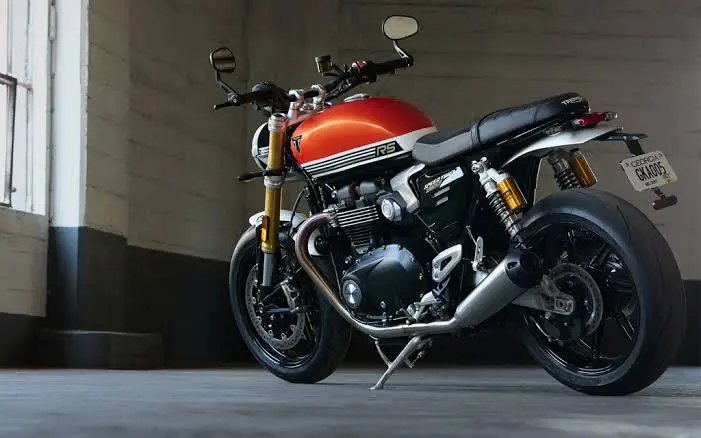
The Triumph Speed Twin 1200 strikes a rare balance. It delivers modern performance wrapped in timeless styling, making it just as appealing to riders who enjoy spirited back-road riding as it is to those who appreciate classic British design. Since its debut in 2019, it has built a loyal following, and many owners choose to personalize and maintain their bikes with carefully selected replacement and upgrade parts rather than leaving them completely stock.

Like any motorcycle that sees regular use, certain components wear faster than others. Lighting parts can suffer damage from road debris, bodywork is vulnerable to parking mishaps, and controls are often upgraded to improve comfort or add a personal touch. Choosing quality replacement parts keeps the Speed Twin looking sharp while preserving the riding experience that makes it such a popular modern classic.

In this guide, we’ll look at every Triumph Speed Twin 1200 part currently available at Aliwheels, explain which components owners replace most often, and highlight what to look for before ordering. Whether you’re repairing accident damage, refreshing a well-ridden machine, or planning your next upgrade, you’ll find the information you need to buy with confidence.

Browse the complete Triumph Parts collection for Speed Twin components and explore the wider Motorcycle Parts category for thousands of certified and tested replacement parts and accessories covering virtually every major motorcycle brand.

What Speed Twin 1200 Owners Commonly Replace First?

Spend a little time in the Speed Twin community and a clear pattern emerges. Most owners aren’t trying to transform the motorcycle into something completely different. They’re refining it. The factory package is already well balanced, so the most popular upgrades focus on comfort, practicality, and subtle styling improvements rather than major mechanical changes.

Ergonomics are usually the priority. The Speed Twin’s riding position is deliberately sporty for a modern classic, with slightly forward-leaning ergonomics that suit spirited riding. On longer journeys, however, some riders find more weight resting on their wrists than they’d like. As a result, handlebar adjustments and mirror upgrades are among the first modifications many owners make to improve comfort without changing the bike’s character.

Cosmetic upgrades are a close second. One of the Speed Twin 1200’s biggest strengths is its clean, uncluttered design, which also makes it an excellent platform for subtle personalization. Riders often replace mirrors, refresh bodywork, or add premium-finish accessories that complement the bike’s classic styling rather than overpower it.

Unlike heavily modified sportbikes, most Speed Twin builds follow a “less is more” approach. Carefully chosen replacement parts and tasteful upgrades enhance the motorcycle’s appearance and everyday usability while preserving the timeless design that made the Speed Twin 1200 so popular in the first place.

Triumph Speed Twin 1200 Handlebar Riser 2019-2023

Triumph Speed Twin 1200 Handlebar Riser 2019-2023

If there’s one upgrade that delivers an immediate improvement in everyday comfort, it’s a handlebar riser. The Speed Twin 1200’s riding position is intentionally sporty, but not every rider wants to lean as far forward as the factory setup encourages, especially on longer journeys.

A handlebar riser raises the bars in relation to the top triple clamp, bringing the grips closer to the rider and reducing pressure on the wrists, shoulders, and upper back. It’s a simple modification that makes a noticeable difference without changing the bike’s character or handling.

The Aliwheels handlebar riser is manufactured from black aluminum, complementing the Speed Twin 1200’s factory blacked-out cockpit and maintaining a clean, OEM-inspired appearance. Designed to fit all 2019-2023 models, it offers a direct-fit solution for riders looking to improve comfort without making permanent modifications.

Before installation, turn the handlebars fully from lock to lock and check that the throttle cables, clutch cable, brake hose, and electrical wiring have sufficient slack throughout the entire steering range. On most Speed Twin 1200 models, a moderate rise of around 20 to 30mm works with the factory cable routing. Taller risers may require longer throttle cables or an extended front brake line to ensure unrestricted steering movement.

For riders who regularly spend more than an hour in the saddle, this is one of the most worthwhile comfort upgrades available. It reduces fatigue, improves the natural riding position, and makes longer rides noticeably more enjoyable while preserving the Speed Twin’s responsive, engaging feel.

Triumph Speed Twin 1200 Rear-View Mirrors 2019-2023

Triumph Speed Twin 1200 Rear-View Mirrors 2019-2023

The factory mirrors on the Speed Twin 1200 do exactly what they’re meant to do, but they’re also one of the first components many owners replace. A different set of mirrors can subtly transform the bike’s appearance, giving the cockpit a cleaner, more refined look while still providing excellent rearward visibility.

The key is buying mirrors that are designed specifically for the Speed Twin’s mounting hardware. The bike uses M10 × 1.25mm mirror threads, but the thread direction differs on each side. The left mirror uses a standard right-hand thread, while the right mirror uses a reverse (left-hand) thread.

That reverse thread isn’t a manufacturing quirk. It’s an intentional safety feature that helps prevent the right mirror from gradually loosening under engine vibration while riding. If a replacement mirror uses the wrong thread direction, it may appear to install correctly but can work itself loose over time regardless of how tightly it’s fitted.

Before ordering, confirm both the thread size and thread direction rather than assuming all M10 mirrors are interchangeable. Choosing the correct fitment ensures secure installation, reliable adjustment, and long-term durability without the need for adapters or modifications.

For riders looking to personalize the Speed Twin 1200 without changing its timeless styling, a quality set of mirrors remains one of the simplest upgrades with the biggest visual impact.

Triumph Speed Twin 1200 Gas Tank Cover 2019-2023

Triumph Speed Twin 1200 Gas Tank Cover 2019-2023

The tank cover is one of the most prominent styling components on the Speed Twin 1200. Apart from the fuel tank itself, it’s the part riders see every time they climb on the bike, making it a major contributor to the motorcycle’s overall character and cockpit appearance.

Whether you’re replacing a damaged original or restoring the bike’s factory finish, a new tank cover has an immediate visual impact. Scratches from riding gear, minor tip-overs, and everyday wear become increasingly noticeable over time, especially on a motorcycle where clean, uncluttered styling is such a defining feature.

Constructed from durable black ABS plastic, this direct-fit replacement is designed for all 2019-2023 Speed Twin 1200 models. ABS is widely used throughout the motorcycle industry because it combines strength, impact resistance, and excellent surface finish while remaining lightweight enough for bodywork applications.

Fitment matters just as much as appearance. The tank cover sits where your knees naturally grip the motorcycle, so accurate molding, smooth edges, and proper alignment all contribute to rider comfort and overall aesthetics. A poorly fitting panel can create uneven gaps, interfere with riding position, or detract from the premium finish the Speed Twin is known for.

What Else Do Speed Twin 1200 Owners Typically Look For?

Beyond the three confirmed Aliwheels products, the Speed Twin 1200 community consistently discusses these upgrades in forum conversations on TriumphRat.net and Triumph-owner communities:

Exhaust systems are the most-discussed upgrade across all 1200cc Triumph models. The stock Speed Twin 1200 exhaust is visually clean but underwhelming sonically compared to what the 1200cc parallel twin is capable of. Aftermarket slip-ons from specialist Triumph exhaust manufacturers are the most common single modification. 

Brake fluid replacement is frequently flagged in the Speed Twin 1200 community as an overlooked maintenance item. Triumph recommends brake fluid replacement every two years on all models. A neglected fluid change on a performance bike used hard reduces braking feel and increases the risk of brake fade under extended hard use.

Grips wear faster than most riders expect on the Speed Twin 1200 in warm climates. The stock compound degrades with UV exposure. 

Conclusion

The Triumph Speed Twin 1200 is one of those motorcycles that doesn’t need dramatic modification to become a better bike. Triumph got the fundamentals right from the factory, combining a responsive 1200cc parallel twin with confident handling and timeless styling. Most owners simply refine the experience rather than reinvent it.

That is why the most popular upgrades focus on the areas riders interact with every mile. A handlebar riser improves comfort on longer journeys by reducing wrist and shoulder fatigue. A new set of mirrors gives the cockpit a cleaner, more individual look while maintaining clear rearward visibility. A replacement tank cover restores the bike’s prominent styling feature and instantly refreshes your view from the saddle.

Whether you’re replacing worn components or adding your own personal touch, choosing quality, model-specific parts ensures the Speed Twin retains the premium fit and finish it is known for. Every Triumph Speed Twin 1200 part available at Aliwheels is designed for the 2019-2023 model range, giving owners a straightforward way to maintain, restore, or personalize one of Triumph’s most accomplished modern classics.

Frequently Asked Questions

A: Comfort upgrades usually top the list. Handlebar risers are a popular first modification. They reduce wrist pressure and create a relaxed riding position. Mirror upgrades also help clean up the cockpit. For better sound, aftermarket exhaust slip-ons remain a top choice. Routine maintenance items such as fresh brake fluid are often overlooked but can noticeably improve braking feel.

Q: Does the Triumph Speed Twin 1200 use the same handlebars as the Street Triple 675?

A: No. The Speed Twin 1200 uses 1-inch (25.4mm) handlebars. However, the Street Triple 675 setup uses 7/8-inch (22mm) bars. Always check the handlebar diameter before buying grips, mirrors, bar-end accessories, or risers.

Q: What model years do these Speed Twin 1200 parts fit?

A: The parts featured in this guide are designed for Triumph Speed Twin 1200 models produced between 2019 and 2023. Always confirm your motorcycle’s model year before placing an order to ensure correct fitment.

Q: Is the Speed Twin 1200 tank cover a direct replacement?

A: Yes. The gas tank cover is designed as a direct-fit replacement for 2019-2023 models and installs using the original mounting points. No cutting, drilling, or modification is required.

Q: Can I install a handlebar riser myself?

A: In most cases, yes. Riders with basic mechanical experience can install a handlebar riser using standard hand tools. Before riding, always turn the handlebars fully from lock to lock. Confirm that all cables, brake hoses, and wiring have enough slack and do not bind.

Q: Are aftermarket mirrors as stable as the factory mirrors?

A: Quality aftermarket mirrors designed specifically for the Speed Twin 1200 provide excellent stability when installed correctly. Before installation, confirm the correct M10 × 1.25 thread size. Also, make sure to match the thread direction on both sides.

Q: Where can I find all available Triumph Speed Twin 1200 parts?

A: Aliwheels stocks a growing range of replacement and upgrade parts for the Triumph Speed Twin 1200. You can also browse the full Triumph parts catalogue to find additional model-specific accessories and replacement parts.

Q: Why do so many Speed Twin 1200 owners choose subtle upgrades instead of major modifications?

A: The Speed Twin 1200 leaves the factory with an excellent engine, chassis, and suspension package. Most owners prefer to enhance comfort and personalize the bike’s appearance rather than change its core character. Simple upgrades like handlebar risers and mirrors preserve classic styling while making the ride more comfortable.

(Commenting: OFF)

A motorcycle tail light that stops working is both a legal issue and a safety issue. In every US state, a functioning tail light and brake light are mandatory equipment. Other drivers see you by your tail light at dusk, in the rain, and in low-visibility conditions. When it fails, you become significantly harder to spot from behind.

The good news is that tail light failure on a motorcycle is almost always caused by one of seven things. Every single one of them is diagnosable at home with basic tools, and most are inexpensive to fix. Here is the complete diagnosis guide, cause by cause.

For replacement tail light assemblies across all major makes, browse Aliwheels’ Motorcycle Lighting category organized by make, model, and year.

Before You Start: Understanding Your Tail Light Circuit

Most motorcycles combine three functions in the rear light assembly: the running light that stays on whenever the ignition is on, the brake light that activates from the front brake lever and rear brake pedal, and often the turn indicators. These functions can fail independently. A running light that works but no brake light, or indicators working but no running light, are different faults pointing to different causes.

Knowing which function has failed narrows your diagnosis immediately. Before investigating anything, confirm exactly what does and does not work.

Cause 1 — Blown Bulb

The most obvious starting point. On motorcycles with conventional bulbs rather than LED assemblies, a blown filament stops the circuit. On dual-filament bulbs, the tail light and brake functions share one bulb with two separate filaments. One can fail while the other continues working.

Remove the bulb and inspect it visually. A broken filament is usually visible. If you cannot tell, test continuity with a multimeter across the relevant contacts.

Replace with the correct specification bulb for your model. Do not assume the same physical size is correct. Voltage rating, wattage, and base type all need to match your application.

Blown motorcycle tail light

Cause 2 — Blown Fuse

The tail light circuit on most motorcycles has a dedicated fuse. A sudden total failure of the tail light with no prior warning is often a blown fuse rather than a bulb or wiring fault.

Locate the fuse box, typically under the seat, in a side panel, or near the battery. Find the fuse for the tail light or rear lighting circuit. A blown fuse has a visibly broken wire inside the fuse body. Replace with an identical amperage fuse.

Critical: if the new fuse blows immediately or shortly after replacement, there is a short circuit in the wiring downstream of the fuse. Do not keep replacing fuses; trace and fix the short before fitting another.

Cause 3 — Corroded Wiring Connector

This is the most common tail light failure cause on motorcycles that are more than five years old, ridden in wet conditions, or stored without proper weatherproofing. The tail light connector sits at the rear of the bike in an area directly exposed to road spray, moisture, and temperature cycling.

Disconnect the tail light wiring connector and inspect the pins. Green or white oxidation on the metal contacts confirms corrosion. Even minor corrosion significantly increases contact resistance and can cause intermittent or total failure without any visible physical damage.

Clean corroded contacts with electrical contact cleaner and a small wire brush or contact cleaning tool. Apply dielectric grease to the pins before reconnecting. This is a free fix that resolves a large proportion of tail light failures on used bikes.

Cause 4 — Grounding Fault

Motorcycle electrical systems use the frame as the negative return path. The tail light assembly grounds to the rear frame or subframe through a dedicated ground wire or through its mounting hardware. When this ground path develops high resistance from corrosion, loose mounting bolts, or a broken ground wire. The circuit cannot be completed, and the light fails or dims.

Test the ground by running a temporary jumper wire directly from the light assembly housing to the battery negative terminal. If the light works with the jumper but not normally, the ground path is the problem. Clean the ground connection point on the frame and ensure the mounting hardware makes solid metal-to-metal contact.

Cause 5 — Failed Brake Light Switch

The brake light function is controlled by one or two switches. A hydraulic switch on the front brake master cylinder and a mechanical switch on the rear brake pedal mechanism. When either switch fails, the brake light stops activating even though the running light continues to work.

Test each switch independently. The front brake switch is typically a two-wire unit that closes when hydraulic pressure builds. The rear brake switch activates mechanically when the pedal is pressed. Both can be tested with a multimeter for continuity in the activated position.

According to rider experiences documented across multiple manufacturer forums, rear brake switches are more commonly ignored and more frequently fail than front switches, making them the first thing to check when brake light function is lost while running light continues normally.

Cause 6 — Failed LED Driver or Assembly

On motorcycles with integrated LED tail light assemblies, individual bulb replacement is not possible. The LED assembly uses an integrated driver circuit that can fail as a unit. The failure modes include complete assembly failure, partial LED failure where some LEDs illuminate but others do not, and driver circuit failure that causes flickering or dim output.

On LED systems, the first step is still the connector and fuse checks described above. If those pass, the assembly itself needs replacement. LED assemblies are not repairable at home; the integrated driver circuit and LED array require soldering equipment and components beyond the normal DIY scope.

Cause 7 — Damaged or Broken Wiring

Physical wiring damage from chafing against the frame, overtightened cable ties, heat exposure near exhaust components, or rodent damage causes tail light failure that does not resolve with any of the above checks. Wiring damage on the tail light circuit typically appears where the harness is routed around frame edges, through grommets, or near moving suspension components.

Damaged motorcycle wiring

Inspect the wiring run from the fuse box to the tail light assembly. Look for chafed insulation exposing bare copper, broken wires where the harness flexes with suspension movement, or melted insulation near heat sources. Any damaged section needs repair with correct-gauge wire and properly insulated connections.

For model-specific tail light assemblies across all major makes, browse Motorcycle Parts at Aliwheels. Specific models stocked include the Kawasaki Vulcan 650 Tail Light 2015-2023 and the Aprilia Atlantic 500 Tail Light 2002-2006. You can also find tail light assemblies for Honda, Harley-Davidson, Yamaha, Suzuki, Triumph, and more. For electrical system support, including fuses and connectors, browse Batteries and Electrical.

Motorcycle Tail Light Quick Diagnosis Checklist

SymptomMost Likely CauseFirst Check
The running light and brake light are both deadBlown fuse or wiring faultCheck the fuse first
The running light works, but the brake light is deadFailed brake switch or second filamentTest brake switches
Light flickers or dimsCorroded connector or grounding faultCheck the connector and ground
Partial LED illuminationFailed LED assemblyReplace assembly
The fuse blows repeatedlyShort circuit in wiringTrace wiring for damage
Intermittent failureConnector corrosionClean all connectors
Total failure after a wet rideConnector water ingressCheck and dry the connector

Conclusion

Motorcycle tail light failure is rarely the expensive nightmare riders fear when the light first goes out. Work through the seven causes in order: fuse, bulb, connector, ground, brake switch, LED assembly, and wiring damage. The fault reveals itself in most cases before you spend money on parts. The connector and ground checks alone resolve the majority of tail light issues on bikes over five years old without any parts cost whatsoever.

Frequently Asked Questions

Q: Is it illegal to ride with a motorcycle tail light not working?
A: Yes, in every US state. A functioning rear running light and brake light are mandatory equipment under federal vehicle lighting standards incorporated into state law. Riding with a failed tail light creates liability in any rear-end accident scenario and can result in a fix-it ticket in any traffic stop.

Q: My motorcycle brake light doesn’t work, but the tail light does. What is wrong?
A: The most likely cause is a failed brake light switch, either the front hydraulic switch or the rear mechanical switch. These are independent circuits from the running light. Test each switch for continuity in the activated position. On older bikes, both switches can fail simultaneously from age and corrosion.

Q: Can I replace an LED tail light assembly with a halogen one?
A: Technically possible in some cases, but not recommended. The mounting, connector, and lens profile are often specific to the original assembly type. More practically, LED assemblies draw less current and are more reliable than halogen equivalents. The correct path is LED replacement with an equivalent LED assembly for your model rather than reverting to halogen technology.

Q: My motorcycle tail light works when the bike is cold but fails when hot. What causes this?
A: Intermittent failure correlated with heat is almost always a connector issue: corroded pins that make contact when cold but lose contact as thermal expansion changes the pin geometry. Clean and regrease the connector. If the fault persists, the connector itself may need replacement as the pin retention clips can fatigue and lose reliable contact pressure over years of heat cycling.

Q: How do I find the correct replacement tail light for my motorcycle?
A: Search by make, model, and exact year at Aliwheels. Every tail light listing includes confirmed fitment data and the relevant year range. For any uncertainty, Aliwheels’ support team confirms fitment 24/7 before your order ships.

(Commenting: OFF)

Or login with your social account