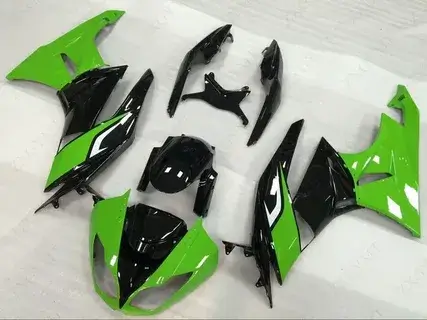



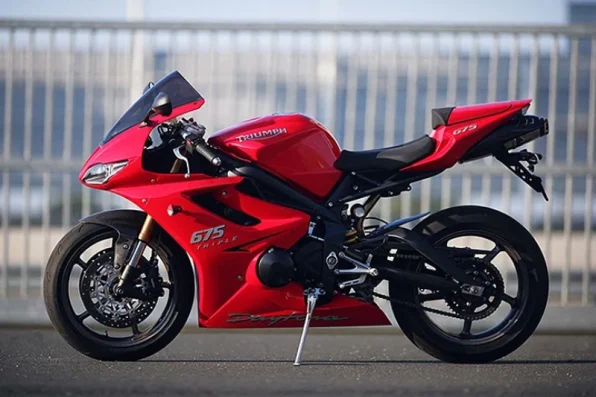
bikerbiker Aliwheels is a leading motorcycle parts supplier offering free shipping anywhere in the world on orders above $300. Please note that all of our motorcycle parts and accessories are certified and tested. With more than 10,000* products to choose from this is your one place to get the motorcycle part you need. Browse our vast inventory of motorcycle radiators, fairings, clutch plates, headlights, chains, and sprockets. biker

Motorcycle fairings serve a greater purpose than enhancing a bike’s appearance. It improves overall stability, and its design reduces air resistance. It improves fuel efficiency by streaming airflow around the bike, which gives the rider overall better control on the highway. 

Furthermore, motorcycle fairings provide protection and enhanced bike performance. Often, the well-built fairings reduce damage to internal parts when the seasons change.

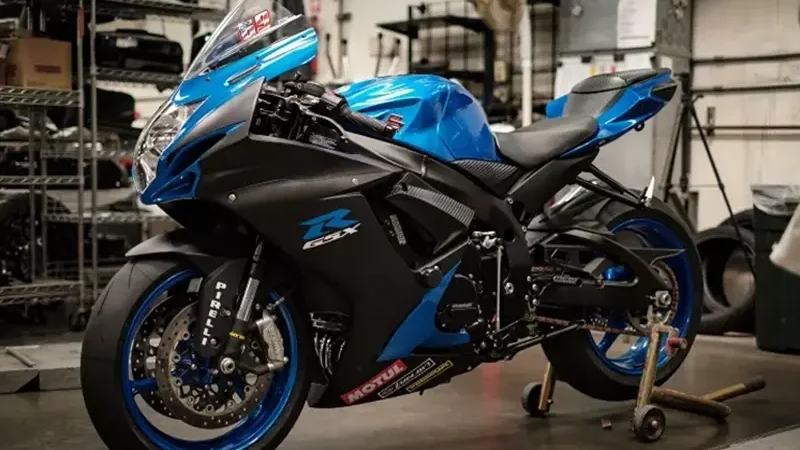
For many riders, aftermarket fairings open up opportunities that stock parts can not offer. In this blog, we will discuss the five best fairing kits available for popular motorcycle models.

Why Upgrade to an Aftermarket Fairing Kit?

Before proceeding, let us first discuss why you should consider upgrading to an aftermarket fairing kit instead of relying on original stock parts. 

  • Often, the original equipment manufacturer (OEM) fairings are more expensive than aftermarket fairing kits
  • Aftermarket kits provide more in terms of performance and design 
  • Riders can select bold graphics or gloss finishes
  • Aftermarket kit is a practical upgrade for competitive racers
  • When riders are left with costly and limited options due to the discontinuation of parts, that’s when aftermarket fairings play a role

Key Factors To Consider

Several key factors should be considered before making a purchase

Material

Choosing the material for the fairings plays a significant role in the bike’s performance. Some of the materials include ABS Plastic, which is the most common for street riders. It is impact-resistant and flexible, and OEM manufacturers often include ABS plastic. Moreover, fibreglass is popular for racing fairings, and its main advantage is that it can be easily repaired if damaged. Lastly, carbon fibre is a premium choice, and despite it being expensive, a carbon fibre fairing is not easily repaired if damaged.

Fitment 

After making sure you choose the best and most durable material, it is necessary to see if the fairing fits properly. In case of misalignment, it may cause physical gaps and rattling. Some good quality brands use pre-drilled holes to ensure factory-level fit. Riders should verify whether the aftermarket fairing kit is for their bike.

Durability

To make a good purchase, it is important to see the durability of the fairing kit. Some would seem shiny at first, but may quickly lose colour. A good quality fairing may hold up to different weather conditions and the stresses of daily life.

Ease Of Installation 

Some fairing kits come with pre-drilled mounting points that are easy to install. Whereas others, like fibreglass, require some extra work, such as trimming and drilling holes.

Purpose

Finally, it is important to know the purpose of buying an aftermarket fairing kit. If you are a street biker and want a flexible, close to OEM, then go for ABS plastic material. However, if you are interested in racing, then fibreglass kits provide strength and repairability. Moreover, carbon fibre lets you stand out in events because of its premium quality.
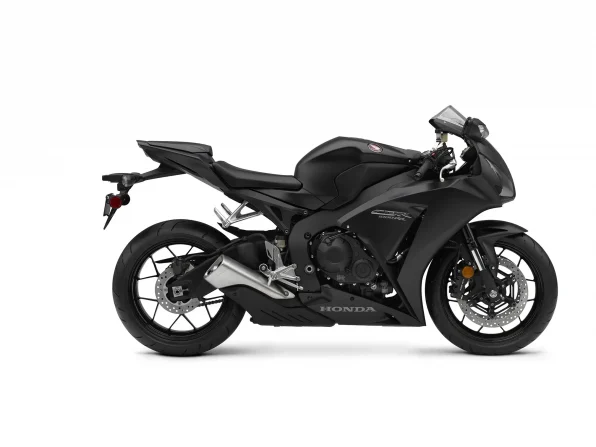
5 Best Aftermarket Fairings Kits

1- Racing Fibreglass Kits

Racing kits have a reputation in the motorcycle world. It uses hand-laid fibreglass, and it is repaired easily with resin and patches. Moreover, its material is known for its strength. Each kit is moulded to fit sports bike models. It has a lightweight construction, which improves acceleration and handling.

2- ABS Plastic Kits

ABS plastic kits are most popular for everyday use. They are considered flexible and close to OEM. Flexibility helps them from cracking due to small damage, which is good for casual riding.  Plastic kits are not lightweight like carbon fibre or fibreglass, but they come with resistance to weather exposure and scratches. It is good for daily commuters who need an affordable fairing kit. Moreover, it is a good purchase if riders want their bike factory fresh without paying OEM prices.

3- Carbon Fibre Kits 

Carbon fibre is designed for riders who want good performance and design quality.  Its material is both lightweight and stronger than steel. Moreover, its lightweight improves acceleration, braking, and handling. 

4- Custom Painted Kits 

Custom-painted kits are for those riders who want their motorcycles to reflect their personality and colour choices. Riders choose metallic finishes, unique colours, and fully personalised graphics. Additionally, a high-quality paint protects the bike from UV rays.

5- Adventure Fairing kit

Adventure riders cover hundreds of miles at a time, and they require fairing kits that are made of fibreglass or carbon fibre. Adventure fairing kits are often designed to protect the rider and the motorcycle from road debris.
Common Pitfalls in Buying

  • Buying cheap, unbranded kits may cost more in the long run because of poor plastic quality
  • In case of buying a kit that is not for your version of bike, it can lead to misalignment and other issues
  • Cheap paints can peel off within a few months, especially in sunlight and rain
  • Some kits require effort before they fit correctly, and a smart choice is having a mechanic fit it for you rather than damaging the parts

Conclusion

In this blog, we discussed the five main aftermarket fairings and explored their role in making the experience of a biker comfortable. Additionally, we talked about key factors to consider before buying a fairing kit, so you can make the best purchase based on your requirements. If you’re ready to upgrade, visit Aliwheels to find quality, affordable fairing kits and avoid common pitfalls in your buying process.
(Commenting: OFF)

Aftermarket fairings are a popular choice for motorcycle enthusiasts who want to replace damaged OEM fairings, customize the look of their bikes, or improve aerodynamics. These aftermarket options are often more affordable than original manufacturer parts and come in a variety of designs and colors. However, one of the most common complaints riders face when installing aftermarket motorcycle fairings is improper fitment. Many expect a direct bolt-on replacement, only to find that the panels don’t align correctly, leave noticeable gaps, or require modifications.

If you’ve experienced this issue, don’t worry—you’re not alone. In this guide, we’ll explore why aftermarket fairings don’t always fit properly and how to adjust them to ensure a secure and professional-looking installation.

Common Reasons Aftermarket Fairings Don’t Fit

Before making adjustments, it’s crucial to understand why the fairings might not fit as expected. Here are the most common reasons:

1. Manufacturing Differences Between OEM and Aftermarket Fairings

Original Equipment Manufacturer (OEM) fairings are designed specifically for a motorcycle model and undergo strict quality control. In contrast, aftermarket fairings are produced by third-party manufacturers, sometimes with minor deviations from the original specifications.

Even small changes in mold designs, hole placements, or panel angles can lead to poor fitment. Since some aftermarket companies try to make fairings compatible with multiple models, the lack of precision can cause misalignment.

2. Material Differences Affecting Flexibility

Most OEM fairings are made from high-quality ABS plastic that offers durability and a flexible fit. Some aftermarket fairings, however, are made from cheaper plastic, fiberglass, or carbon fiber, which can be more rigid.

  • Fiberglass and carbon fiber fairings can be stiffer and harder to adjust during installation.
  • Lower-quality plastics may be more brittle, making them prone to cracking when forced into place.

3. Low-Quality or Incorrect Mounting Hardware

Aftermarket fairing kits often come with generic mounting hardware, which may not match the exact specifications of the original parts. Low-quality screws, clips, or brackets can prevent proper alignment, causing gaps or misfits.

If the original rubber grommets or metal clips aren’t included in the kit, it’s a good idea to reuse your OEM hardware to ensure a snug and secure fit.

4. Warping Due to Shipping and Storage Conditions

Plastic fairings can warp due to:

  • Exposure to heat or cold during shipping.
  • Pressure from improper packaging distorts the shape.
  • Long-term storage in a bent position before installation.

Warped fairings may appear to be misaligned when installed, but with a few simple adjustments, they can often be reshaped for a better fit.

5. Model Compatibility Issues

Some aftermarket fairings are marketed as “universal fit” but may not precisely match your motorcycle’s year and model. Even if the fairing kit is labeled for your specific bike, slight variations in manufacturing may require trimming or drilling for proper fitment.

How to Adjust Aftermarket Fairings for a Perfect Fit

If your new fairings don’t fit properly out of the box, don’t panic. Here are several proven techniques for adjusting them and achieving a secure and flush fit.

1. Pre-Fit All Fairings Before Installation

One of the biggest mistakes riders make is immediately bolting on the fairings without test-fitting them first. Instead, follow these steps:

  • Loosely position all fairing pieces on your bike without fully tightening the bolts.
  • Check for misalignment and mark areas that need adjusting.
  • Make adjustments before permanently securing the panels to avoid forcing them into place.

2. Use a Heat Gun to Reshape Warped Panels

If your fairings are slightly warped due to shipping or storage, applying gentle heat can help restore their shape:

  • Use a heat gun or hairdryer to warm the affected area.
  • Apply even heat and avoid overheating, which can cause damage.
  • Once the plastic becomes pliable, gently bend or mold it into the correct shape.
  • Hold it in place until it cools and hardens.

This method is particularly useful for tight-fitting areas like the front cowl or side fairings.

3. Upgrade Your Mounting Hardware

Low-quality hardware can make installation more difficult. Consider upgrading to:

  • OEM fasteners, clips, and grommets for a more secure fit.
  • Well-threaded stainless-steel bolts that won’t strip or loosen easily.
  • Rubber washers to reduce vibrations and help align fairings better.

Using high-quality hardware can significantly improve the final fit and finish.

4. Modify Mounting Holes for Better Alignment

If the pre-drilled holes don’t align properly, you can make minor adjustments:

  • Use a rotary tool or small drill bit to widen the hole slightly.
  • Carefully file edges to improve alignment without over-enlarging the hole.
  • Always make small modifications and test-fit before making larger changes.

Avoid drilling unnecessary holes, as this can weaken the fairing’s structure.

5. Adjust Frame Brackets and Alignment

Sometimes, poor fitment isn’t caused by the fairings themselves but rather frame misalignment due to:

  • Previous crashes or drops that slightly bent the mounting points.
  • Improper installation of existing fairings is causing mounting brackets to shift.

If the frame is off by even a few millimeters, fairings may not align correctly. Have a professional mechanic inspect and realign the frame if necessary.

6. Use Double-Sided Foam Tape for Minor Gaps

If small gaps remain between fairing panels, double-sided foam tape can help create a flush fit by:

  • Filling minor spaces while keeping panels in place.
  • Reducing vibrations and rattling at high speeds.
  • Preventing water and dirt from entering small openings.

This is a simple and inexpensive way to enhance fitment without modifying the fairings.

Conclusion

Installing aftermarket fairings can be an affordable way to customize your motorcycle, but poor fitment is a common challenge. Understanding the manufacturing differences, material limitations, and hardware issues can help you anticipate and solve these problems.

By pre-fitting your motorcycle fairings, using heat adjustments, upgrading hardware, making minor modifications, and ensuring frame alignment, you can achieve a perfect fit and a professional installation.

If you’re looking for more motorcycle tips and high-quality accessories, contact us at AliWheels!

(Commenting: OFF)

Or login with your social account