





Hard gear shifting when the engine is hot is one of those motorcycle problems that quietly drives riders crazy. Cold starts feel fine. The first few kilometers are smooth. Then the engine heats up, traffic builds, and suddenly shifting feels stiff, notchy, or downright stubborn. Neutral becomes hard to find. Downshifts feel forced. Upshifts lose that clean click.
Many riders assume the clutch is failing or the gearbox is worn out. In reality, most cases of hard shifting when hot are caused by setup issues, oil behavior, or heat-related tolerances rather than catastrophic damage.
This guide breaks down why gear shifting gets worse as the engine warms up and how to fix it correctly before you start replacing parts you do not need.
Why Gear Shifting Changes When the Engine Is Hot
Motorcycle engines, transmissions, and clutches share the same oil bath. As temperature rises, oil viscosity changes, metal expands, and clearances shift slightly. When everything is adjusted correctly, this is not a problem. When something is off even a little, heat exposes it fast.
Hard shifting when hot usually points to one of three areas: clutch disengagement, oil performance, or shift mechanism alignment.
Understanding which system is causing resistance is the key to fixing the issue permanently.
Clutch Cable or Hydraulic Clutch Not Fully Disengaging
This is the most common cause of hard gear shifting on a hot engine.
As the engine heats up, clutch components expand. If your clutch cable free play is set too tight or too loose, the clutch plates may not separate fully once the engine reaches operating temperature. When the clutch drags, gears resist engagement.
Signs this is your problem include difficulty finding neutral when hot, bike creeping forward with the clutch pulled in, and harsh downshifts at low speed.
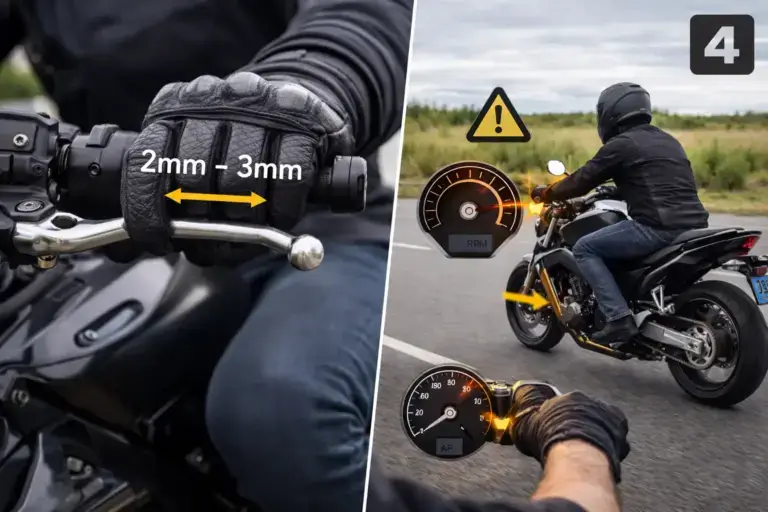
The fix is simple but must be precise. Check clutch free play at the lever when the engine is fully warm. Most bikes need a small amount of free play, usually around 2 to 3 mm at the lever. Too little free play causes slip. Too much causes drag.
On hydraulic clutches, old fluid or air in the system can behave worse when hot. Bleeding the clutch system often restores smooth shifting instantly.
Keywords naturally aligned here: hard gear shifting motorcycle, clutch dragging when hot, motorcycle
clutch adjustment.
Engine Oil Breakdown or Wrong Oil Grade
Oil that works fine when cold can turn into a problem once heat builds.
Using the wrong oil viscosity or a low quality oil causes thinning at high temperatures. When oil loses film strength, clutch plates stick and gearbox components lose smooth separation.
This is especially common in bikes ridden in traffic, hot climates, or aggressive stop and go riding.
If your bike shifts worse after a long ride or during summer heat, check your oil type. Motorcycle specific oil with proper JASO MA or MA2 rating is essential. Automotive oils can cause clutch drag even if the viscosity seems correct.
Also check oil change intervals. Old oil breaks down faster and loses its ability to protect shifting components when hot.
Search intent keywords covered naturally: best oil for motorcycle gearbox, gear shifting hard when engine hot, motorcycle oil viscosity for hot weather.
Chain Tension Too Tight When Hot
Many riders set chain slack when the bike is cold and stationary, then forget that chain tension changes as the bike heats up and the suspension moves.
A chain that is too tight places extra load on the transmission output shaft. As components heat up, resistance increases, making shifts feel heavy and mechanical.
This issue often shows up after highway riding or long urban rides. Shifting becomes stiff, especially between first and second gear.
Always adjust chain slack according to manufacturer specifications and check slack at the tightest point of chain rotation. Proper chain adjustment improves shifting feel more than most riders expect.
SEO aligned phrase used naturally: motorcycle chain too tight symptoms, hard shifting caused by chain tension.
Worn or Contaminated Clutch Plates
Even riders who shift gently can experience clutch plate issues if contamination or glazing occurs.
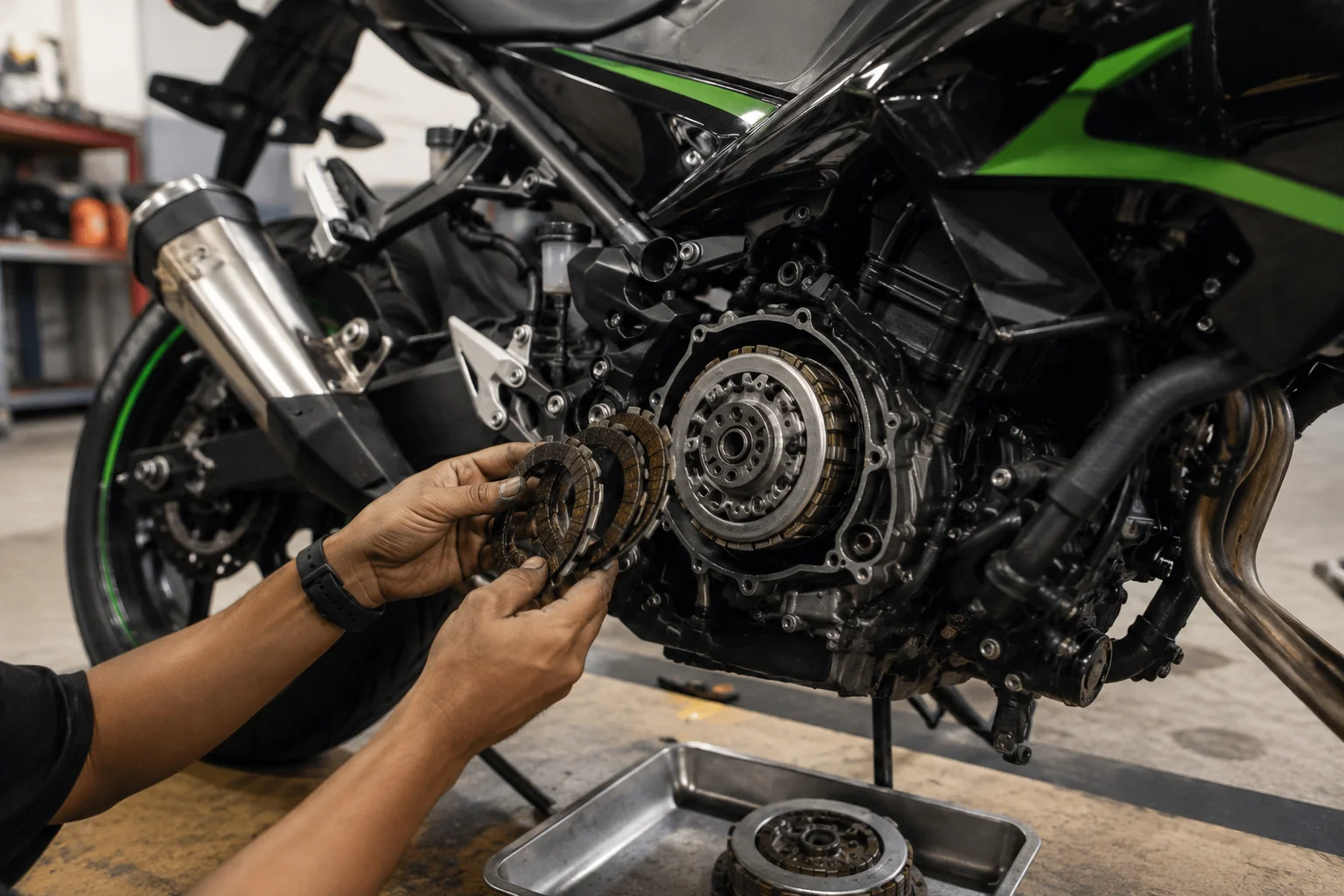
Over time, friction plates can glaze due to heat cycles. Steel plates can warp slightly. When hot, these imperfections become more pronounced and prevent smooth disengagement.
If clutch adjustment and oil changes do not fix the problem, inspect the clutch pack. Look for discoloration, glazing, or uneven wear.
This does not automatically mean replacement. Light glazing can sometimes be corrected by scuffing friction plates lightly and replacing worn springs.
This issue often appears on bikes with frequent traffic use, heavy clutch usage, or aftermarket levers that reduce mechanical leverage.
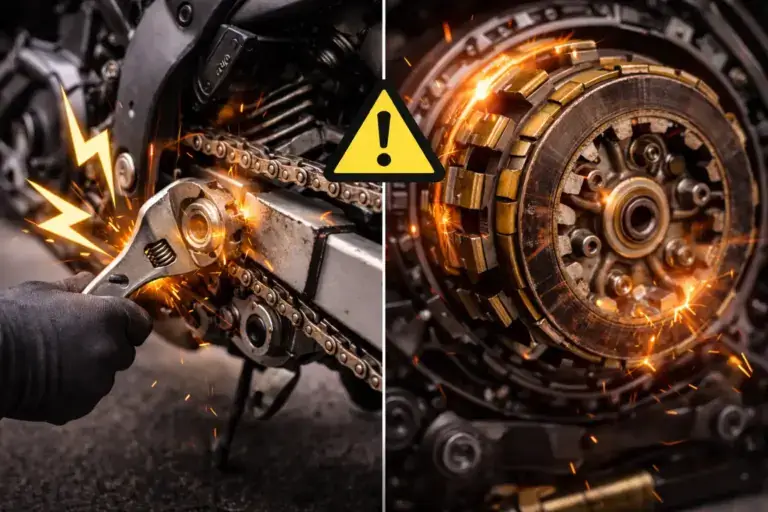
Shift Linkage and Lever Alignment Issues
Heat does not directly affect the shift linkage, but it amplifies existing problems.
A bent shift lever, dry pivot, or misaligned linkage rod causes poor leverage. When the engine is cold, the gearbox tolerates it. When hot, everything tightens and the margin disappears.
Check that the shift lever moves freely, returns properly, and is positioned ergonomically for your foot. Lubricate the pivot point and inspect the linkage rod for play.
This small adjustment often transforms shifting feel instantly.
Relevant long tail phrase included naturally: motorcycle gear shifter adjustment, hard shifting motorcycle fix.

Internal Gearbox Wear Is Rare but Possible
Actual gearbox damage is far less common than riders think.
If the bike jumps out of gear, grinds consistently, or refuses to engage specific gears regardless of temperature, internal wear may be involved. However, if the problem only appears when hot, it is almost always external or oil related.
Rule out clutch, oil, chain, and linkage issues before assuming internal damage.
How to Prevent Hard Shifting When Hot
Preventing hot shifting issues comes down to maintenance discipline and correct setup.
Adjust the clutch with the engine warm, not cold. Use manufacturer recommended oil and change it on time. Maintain correct chain slack. Keep shift linkage clean and lubricated.
Small tolerances matter more when heat enters the equation.
Final Thoughts From a Rider’s Perspective
Hard gear shifting when the engine is hot is not a sign your bike is dying. It is a sign something small is slightly out of balance.
Most riders live with this issue for months because the bike still runs. Fixing it often takes less than an hour and restores that clean, mechanical click that makes riding satisfying.
If your bike shifts beautifully cold but fights you once warm, listen to it. Heat is exposing a setup flaw. Fix that, and the gearbox will reward you every ride.
If you want, I can next write brand specific versions for Suzuki, Kawasaki, Yamaha, or Honda, or turn this into a workshop style guide with torque specs and real world measurements.