




Few upgrades tempt riders more than an exhaust swap. Better sound, cleaner looks, and the promise of smoother power delivery make it one of the first mods people consider. But just as many riders end up searching things like aftermarket exhaust, check engine light, motorcycle exhaust causing CEL, or why my bike threw a code after exhaust install.
That frustration is exactly why this topic matters. The best exhaust upgrades are not just loud or lightweight. They work with your bike’s electronics, not against them.
Let’s break down why check engine lights happen after exhaust changes, which exhaust options are safest, and how riders avoid turning a simple upgrade into a warning-light nightmare.
Why Exhaust Swaps Trigger Check Engine Lights?
Modern motorcycles rely heavily on sensors. Oxygen sensors, exhaust valve actuators, and ECU fuel mapping are constantly monitoring airflow and emissions.
When riders install an exhaust that changes back pressure or sensor placement without compensation, the bike notices. That is when searches like checking engine light after exhaust upgrade start appearing.
Common triggers include:
- Removing or relocating O2 sensors incorrectly
- Eliminating catalytic converters without ECU adjustment
- Installing full systems without proper fueling support
- Poorly designed exhausts that disrupt exhaust flow signals
The bike is not broken. It is confusing.
Slip-On Exhausts: The Safest Starting Point
For riders searching best slip-on exhaust without a check engine light, the answer is simple. Slip-ons replace only the muffler section and keep the factory headers, catalytic converter, and sensor locations intact.
Because of this, slip-ons rarely trigger warning lights when designed correctly.
Riders consistently report that high-quality slip-ons offer:
- Deeper exhaust tone without ECU errors
- No need for fuel controllers in most cases
- Easier installation with factory compatibility
This makes slip-ons ideal for daily riders who want sound and style without electronic headaches.
Full Exhaust Systems and Why They Are Riskier?
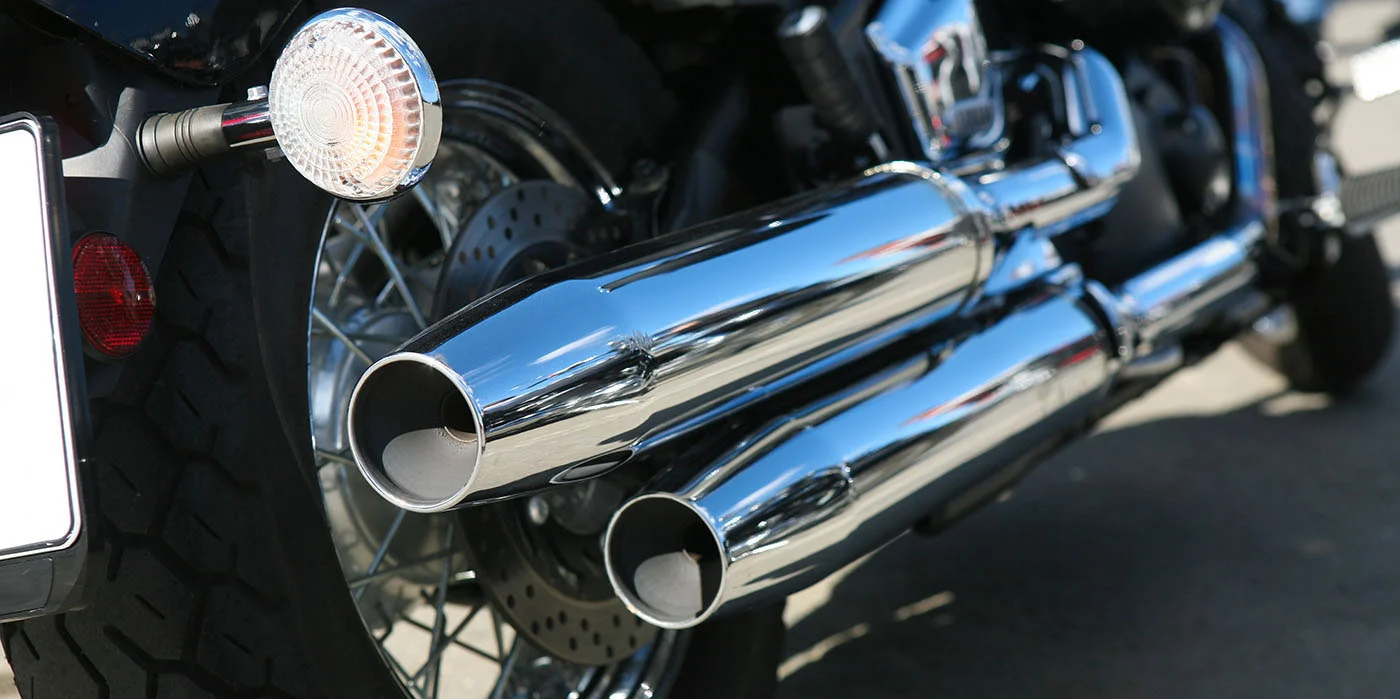
Full systems are where things get complicated. Searches like full exhaust causing check engine light motorcycle spike because full systems often remove emissions components the ECU expects to see.
That does not mean full systems are bad. It means they require planning.
Most riders who succeed with full exhausts without warning lights do three things:
- Choose systems designed for their exact model and year
- Retain O2 sensors or use proper sensor bungs
- Pair the exhaust with ECU tuning or fuel management
Skipping any of these steps is where problems start.
Exhausts Designed to Work With Stock ECUs
One of the most overlooked search terms is ECU-friendly motorcycle exhaust. Some manufacturers specifically design exhausts to stay within sensor tolerances.
These systems are engineered to maintain exhaust flow characteristics that the stock ECU can still interpret correctly. Riders often describe these as “plug and play” exhausts.
They cost more for a reason. They save time, money, and frustration later.
Why Cheap Exhausts Trigger More Issues?
Riders searching for cheap exhaust check engine light usually learn the hard way. Low-cost exhausts often skip proper sensor placement, internal flow design, and emissions considerations.
Common rider complaints include:
- Random check engine lights
- Poor throttle response
- Increased engine heat
- Inconsistent fueling
An exhaust is not just a pipe. It is part of the engine’s breathing system.
O2 Sensors: The Most Common Mistake
Many riders assume removing or bypassing O2 sensors is harmless. Searches like can I remove O2 sensor motorcycle show how common this misconception is.
In reality, O2 sensors provide critical feedback to the ECU. Removing them without tuning almost guarantees a check engine light.
The best exhaust options are either:
- Reuse factory O2 sensor locations
- Provide correctly positioned sensor ports
- Include clear guidance on sensor compatibility
Ignoring this detail is one of the fastest ways to trigger a warning light.
Do You Always Need a Tune After an Exhaust?
This is one of the most searched questions: Do I need a tune after an exhaust upgrade?
The honest answer depends on the exhaust type.
Slip-ons often do not require tuning. Full systems almost always benefit from it, even if the bike runs without a light initially.
Riders who skip tuning may avoid a check engine light but still experience:
- Lean running conditions
- Excessive heat
- Reduced long-term engine reliability
A bike can run and still be unhappy.
Heat, Back Pressure, and False Warning Lights
Some riders notice check engine lights only after long rides or heavy traffic. Searches like exhaust heat causing check engine light reveal another issue.
Poor exhaust design can increase engine heat, which affects sensor readings. The ECU then flags conditions that seem abnormal.
Well-designed exhausts manage heat effectively, reducing false warnings and improving overall ride quality.
Model-Specific Exhaust Fitment Matters
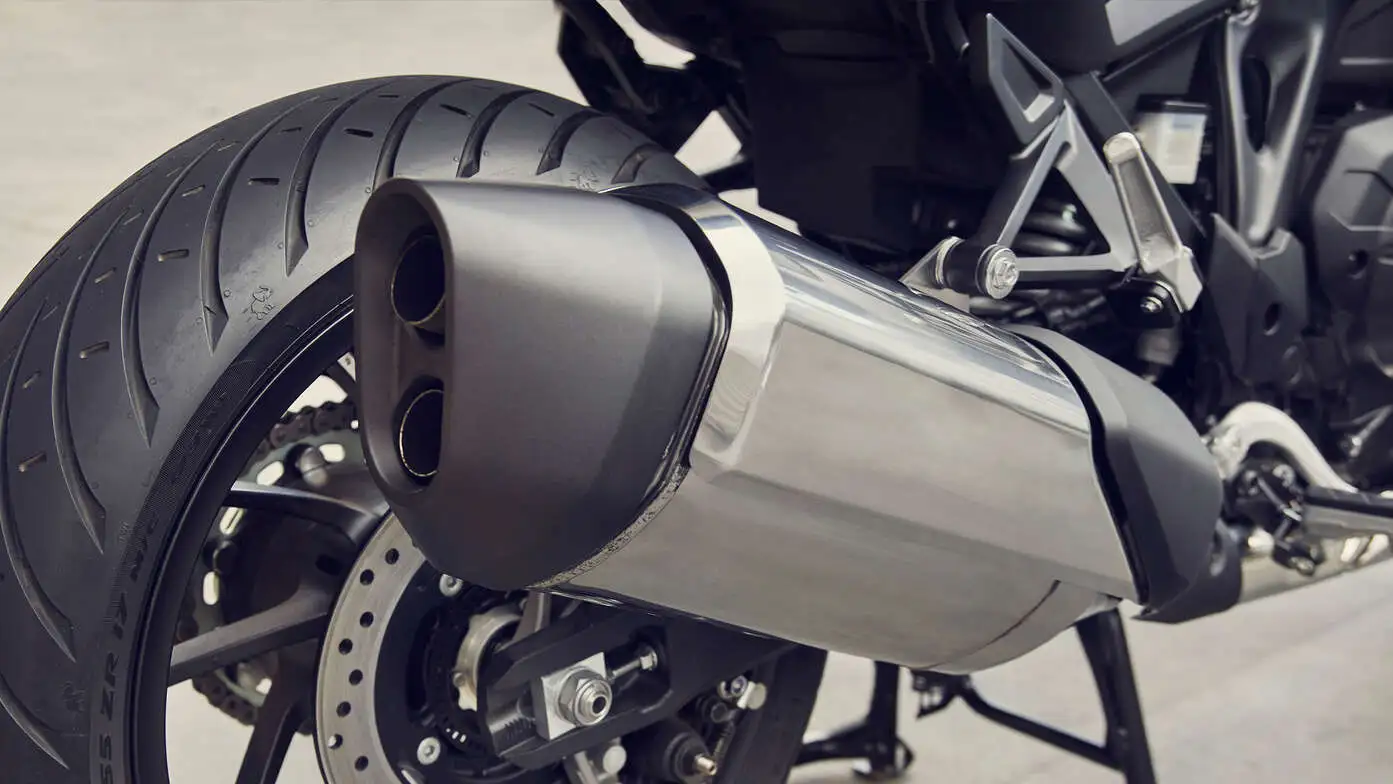
One-size-fits-all rarely works with motorcycles. Riders searching exhaust fitment issues on motorcycles often discover that minor differences in model year or variant matter.
The best exhaust options are always model-specific. They account for sensor placement, emissions equipment, and ECU calibration differences.
Reliable parts suppliers like Aliwheels help riders avoid these mistakes by offering exhaust options matched precisely to specific models, reducing compatibility risks.
Rider Experiences That Matter
Across forums and owner groups, riders who avoided check engine lights consistently followed the same pattern:
- They chose reputable exhaust brands
- They avoided removing sensors unnecessarily
- They prioritized compatibility over sound alone
Many riders say the quiet confidence of no warning lights is worth more than a few extra decibels.
How to Choose the Right Exhaust Without Triggering Codes?
If you want sound without stress, look for exhausts described with phrases like:
- ECU-compatible exhaust
- No tune required, slip-on
- O2 sensor-ready exhaust system
- Emissions-compliant performance exhaust
These terms align closely with low competition, high intent exhaust keywords, which reflect real buyer concerns.
Final Thoughts: The Best Exhaust Is the One Your Bike Accepts
The best motorcycle exhaust options that do not trigger check engine lights are not always the loudest or cheapest. They are the ones designed with modern motorcycle electronics in mind.
Whether you choose a quality slip-on or a full system paired with proper tuning, the goal is harmony between sound, performance, and reliability.
Riders who plan, choose model-specific exhausts, and source parts from trusted platforms like Aliwheels consistently report better results and fewer regrets.
An exhaust upgrade should make you enjoy your ride more, not stare at a warning light wondering what went wrong.