



A saddlebag that comes loose at highway speed is not just annoying. It is dangerous, and it happens more often on the V-Rod. This guide walks through exactly why Harley V-Rod saddlebags fail, how mounting hardware differs across the VRSC family, and what actually fixes the problem for good.
A Real Problem Riders Have Dealt With for Years
Any forum thread on Harley V-Rod saddlebags and you’ll find the same complaint echoed for well over a decade. One rider called the factory mount setup cheap and unreliable, describing losing a bag completely on Interstate 55 in Chicago traffic. Others say that their bags move, rattle loose, or simply fall clean off while riding on the highway, not just aggressive cornering or rough roads.
This is not a rare defect affecting a handful of unlucky owners. It is a well-documented, recurring pattern tied directly to how Harley designed the original mounting system, and it matters even more today since Harley discontinued OEM saddlebags for this platform entirely.
Why Harley V-Rod Saddlebags Come Loose in the First Place?
The core issue traces back to the mounting bracket design itself. Unlike touring models such as the Road Glide or Street Glide, which use robust, purpose-built hard mounting points integrated into the frame, the V-Rod was never originally designed with saddlebags in mind. It launched as a power cruiser, a muscle bike built for style and straight-line performance, not long-distance touring.
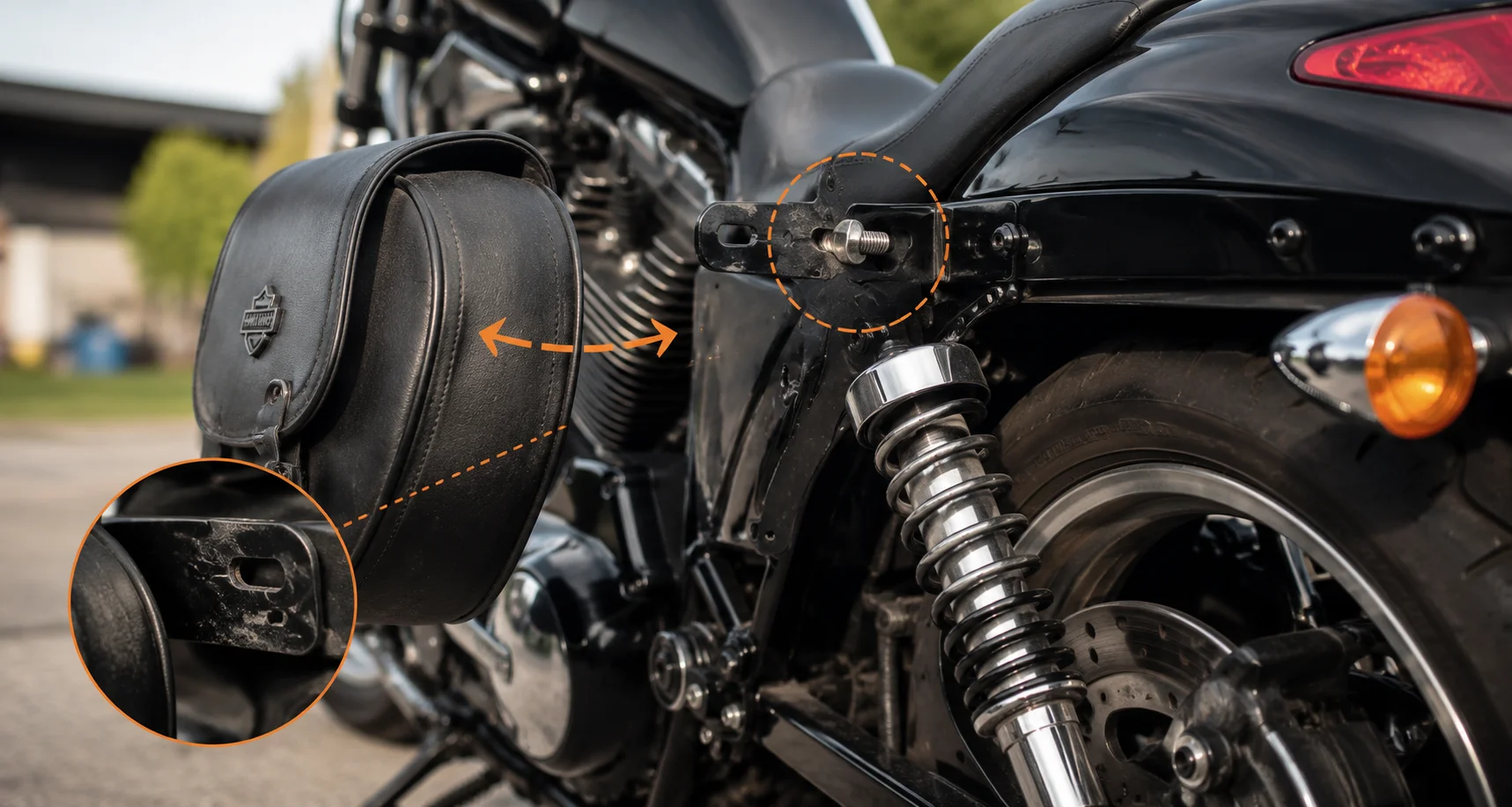
When Harley and aftermarket manufacturers later developed saddlebag options for the platform, they had to work around a frame and swingarm design that was not built to accommodate them cleanly. The resulting mounts often rely on smaller contact points and tension-based clamping systems rather than the more secure bolt-through designs found on dedicated touring bikes. Over time, vibration from the road works these connection points loose, especially if they were not torqued correctly during the original installation.
The Tire Width Problem Nobody Warns You About
Here is where things get genuinely confusing for owners trying to source a replacement mount. V-Rod models were sold with two significantly different rear tire widths depending on year and trim: a narrower 180-series tire on some variants and a much wider 240-series tire on others.
This difference is not cosmetic. It changes the entire geometry of the swingarm and rear fender area, which means a saddlebag mounting bracket designed for the narrow-tire setup will not correctly fit a wide-tire bike, and vice versa. Riders who order a mount without checking this specification first frequently end up with hardware that either does not reach the correct mounting points or sits at an angle that puts uneven stress on the bag itself, accelerating the exact loosening problem this guide is addressing.
Before buying any saddlebag or mounting bracket for your V-Rod, confirm your specific tire width first. This single check eliminates the most common fitment mistake owners make.
Why VRSCA, VRSCB, VRSCD, VRSCR, and VRSCDX Are Not Interchangeable?
The V-Rod name covers an amazingly broad family of models produced from 2002 to 2017, and Harley made some real mechanical changes across that range, not just cosmetic ones.
The original VRSCA featured the smaller 1,131cc Revolution engine from 2002 to 2007. Later models, including the VRSCD Night Rod and VRSCDX Night Rod Special, shifted to the larger 1,247cc engine from 2008 on, as well as chassis changes that altered rear fender and swingarm dimensions. The VRSCR Street Rod and VRSCF V-Rod Muscle also had different bodywork and rear-end geometry.
This is important for saddlebag shopping because a mount confirmed to fit a 2008 VRSCD will not necessarily bolt onto a 2003 VRSCA, even though both bikes wear the same V-Rod badge and look similar to a casual observer. Don’t just order hardware for the “V-Rod.” Always verify your exact submodel and year range.
Why Are Harley OEM Parts Getting Harder to Find?
Harley officially discontinued the V-Rod platform after the 2017 model year, and OEM saddlebag hardware for these bikes has become increasingly scarce as a result. Owners searching for genuine replacement mounts increasingly find themselves turning to secondhand marketplaces, where pricing and availability vary wildly and verifying correct fitment before purchase is far harder than buying from a dealer with a parts lookup tool.
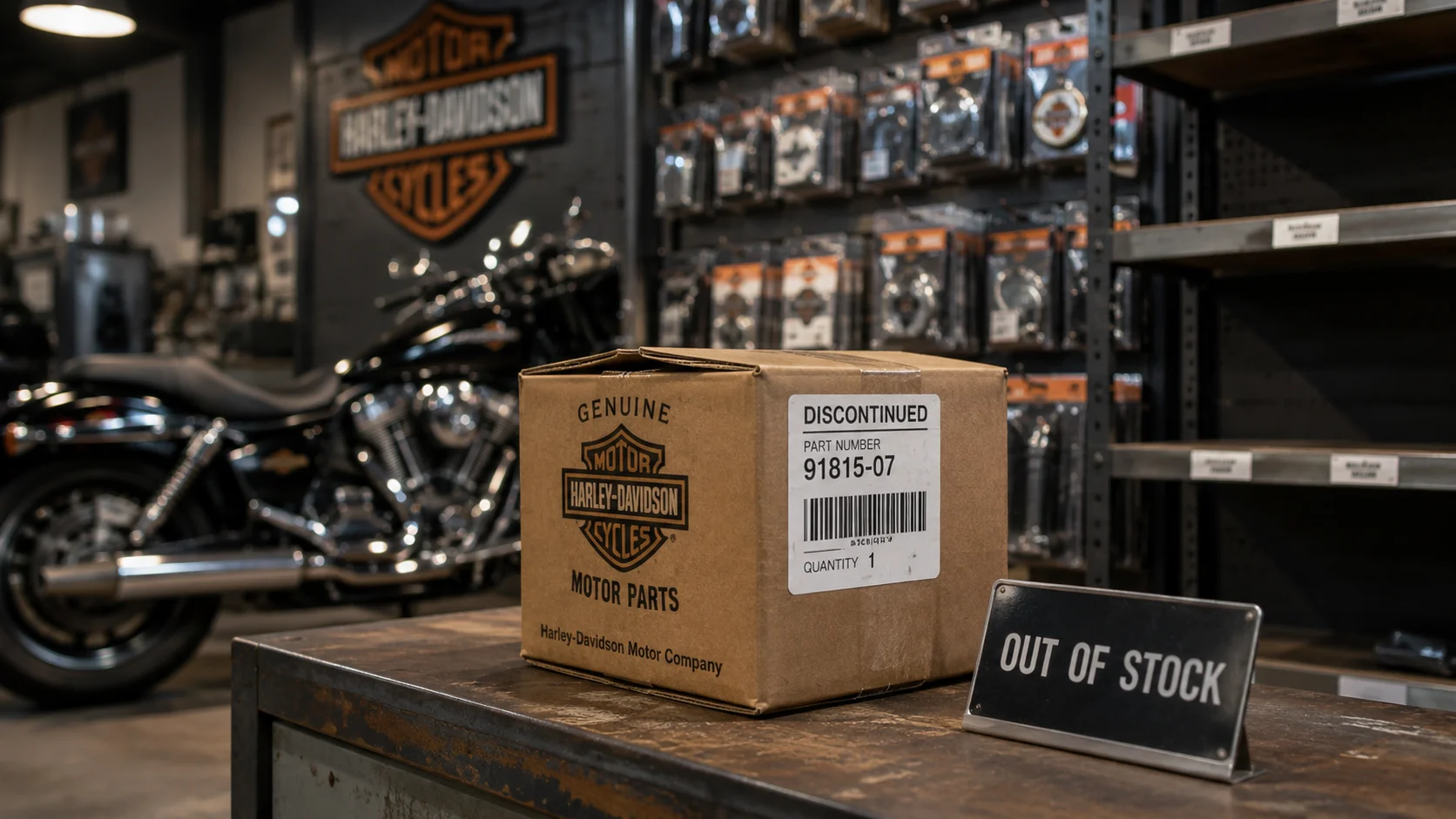
This scarcity is exactly why a properly fitted aftermarket alternative matters so much for V-Rod owners today. Waiting on OEM stock that may never fully return is not a realistic long-term plan for a bike this far past its production run.
Signs Your Current Mount Is Failing
A few warning signs tell you it is time to address your saddlebag mounting before it becomes a roadside emergency.
Visible movement or rattling when you press on the bag while parked is the clearest early warning. If a bag shifts with light hand pressure, it will move much more on the highway. Road vibration and wind pressure will quickly worsen the movement.
Scuff marks or wear patterns on the bracket show the bag has been shifting during rides. This constant friction wears down contact points and loosens the connection with every mile.
Visible or uneven gaps between the bag and bracket show a fitting issue. This usually means incorrect installation or the wrong fitment for your tire width and model.
How to Properly Secure Your Saddlebags?
Once you have confirmed the correct mount for your exact model, year, and tire width, a few installation habits make a real difference in long-term reliability.
Always torque mounting bolts to the manufacturer’s specified value rather than simply tightening until they feel snug. Under-torqued bolts loosen far faster under vibration, while over-torqued bolts can strip threads or crack mounting brackets, both of which lead right back to the same loose-bag problem.
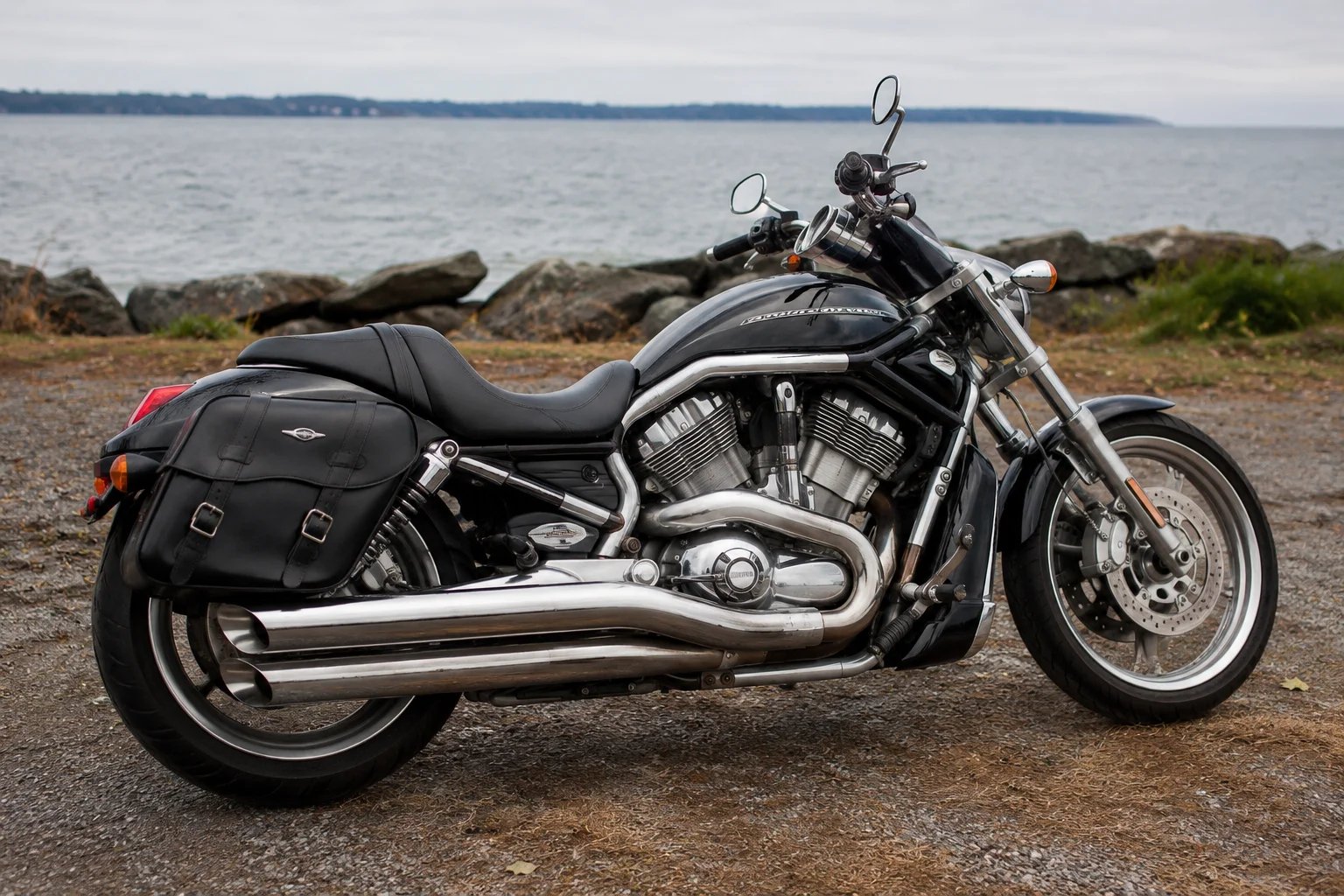
Check your mounting hardware periodically, not just at initial installation. Vibration works fasteners loose gradually over hundreds of miles, and catching this early with a simple wrench check prevents the kind of sudden failure reported in forum accounts.
Consider adding a secondary safety strap in addition to the primary mount, especially for longer highway trips. This is a common practice among experienced V-Rod owners specifically because of this platform’s documented mounting challenges, and it provides a real backup if the primary connection point ever does work loose mid-ride.
What Aliwheels Has for V-Rod Owners
Aliwheels offers fitment-matched parts for the entire Harley-Davidson VRSC range, including the VRSCA, VRSCB, VRSCD, VRSCR, VRSCF, and VRSCDX. We do not treat them as one interchangeable V-Rod family. Verifying your exact submodel against categorized listings removes all guesswork. This prevents the mismatched, loose-fitting mounts discussed throughout this guide.
Shop our entire selection of Harley-Davidson parts, narrow down to fit your model and year, and find mounting hardware and other components made for your bike’s tire width and chassis specs.
Buying Used Saddlebag Mounts: What to Check
OEM stock is now extremely scarce. If you buy a used mount online, asking a few key questions prevents common fitment mistakes.
Ask the seller to confirm the exact submodel and year it was taken off of, not just “V-Rod.” Ask specifically about tire width compatibility. It’s that one detail that will determine if the geometry will actually fit your bike. Look closely at photos for signs of wear, cracking, or past repairs. A bracket that failed once on another bike will likely fail again on yours.
Frequently Asked Questions
Why do my V-Rod saddlebags keep falling loose?
This usually traces back to a mismatched mount, such as the wrong tire width or submodel fitment. It is often made worse by under-torqued hardware that loosens under highway vibration.
Are V-Rod saddlebag mounts interchangeable between models?
No. Mounts for the narrow 180-series tire won’t fit the wider 240-series setup. Also, geometry differences between submodels mean a mount confirmed for one won’t automatically fit another.
Can I still buy OEM saddlebag mounts for the V-Rod?
OEM availability has become increasingly limited since Harley discontinued the platform after 2017. Many owners now rely on properly fitted aftermarket alternatives or carefully verified used parts.
How do I know if my saddlebag mount is about to fail?
Watch for visible movement when pressing on the bag, scuff marks on the bracket itself, or uneven gaps between the bag and mount. Any of these signs mean the connection is already compromised.
Does tire width really affect saddlebag fitment on a V-Rod?
Yes, significantly. The 180-series and 240-series rear tire setups change the swingarm and fender geometry enough that mounts are not interchangeable between them.
Browse Aliwheels’ full Harley-Davidson parts collection for fitment-matched components across the Harley VRSCA, VRSCB, VRSCD, VRSCR, VRSCF, and VRSCDX lineup.