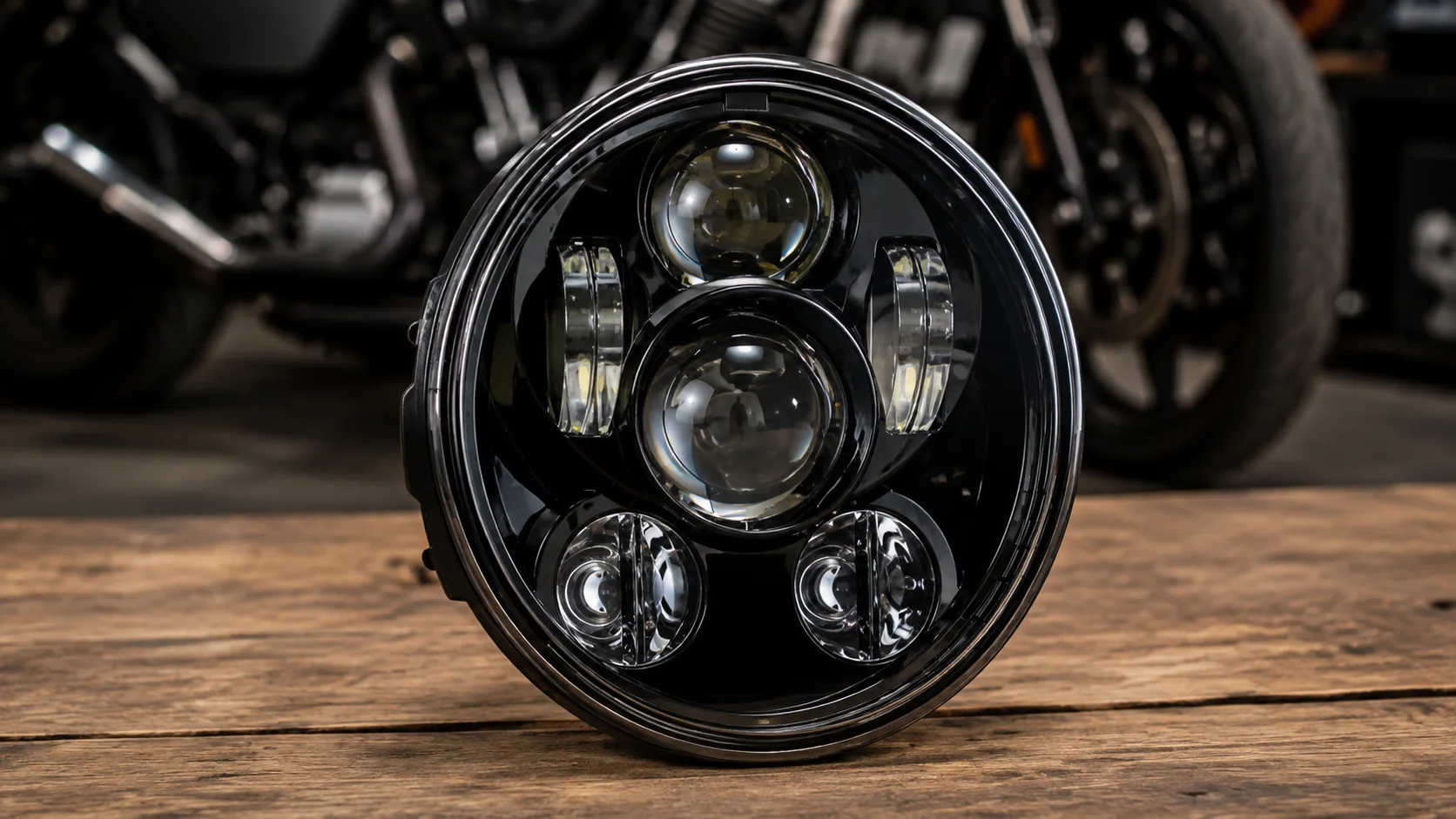



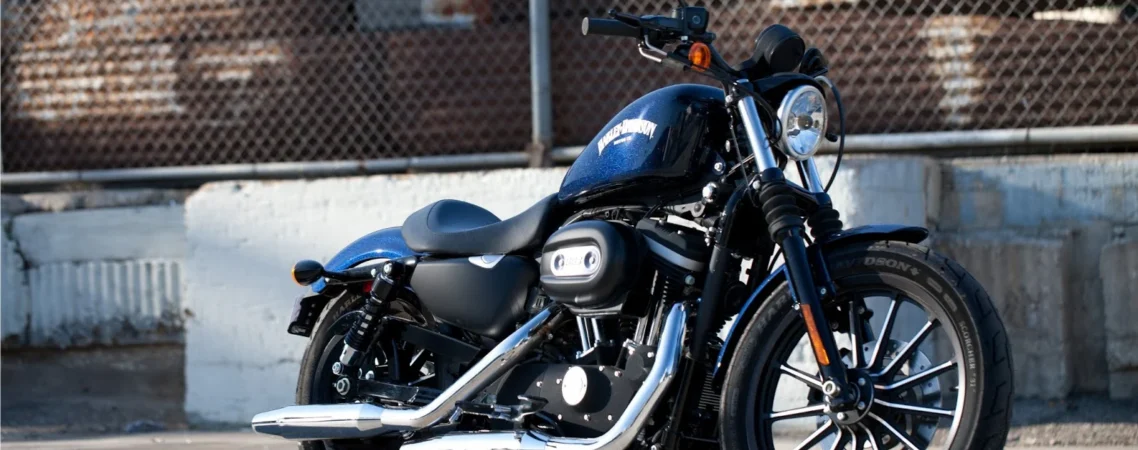
Aliwheels is a leading motorcycle parts supplier offering free shipping anywhere in the world on orders above $300. Please note that all of our motorcycle parts and accessories are certified and tested. With more than 10,000* products to choose from this is your one place to get the motorcycle part you need. Browse our vast inventory of motorcycle radiators, fairings, clutch plates, headlights, chains, and sprockets.

Free Shipping over $300

Support 24/7

Secure Payments

Hot Offers

The Harley-Davidson Iron 883 became an instant favorite the moment it landed in showrooms. It offered the stripped, blacked-out custom look riders wanted, built onto Harley’s accessible Sportster platform. New riders loved the approachable size. Experienced riders loved the easy customization potential.

That popularity means plenty of Iron 883s on the road today, spanning model years from its early releases through the present lineup. Whether you just bought your first one or you have owned yours for years, understanding this bike’s specific quirks makes ownership far smoother.

This guide walks through the problems Iron 883 owners run into most often, along with the upgrades that consistently make the biggest difference. Every recommendation ties back to real, available parts, not generic advice you cannot actually act on.

The Iron 883 Rewards Owners Who Understand Its Character

The Iron 883 sits on Harley’s Sportster platform, which has a long history and plenty of engineering evolution behind it. Depending on your model year, your bike might feel noticeably different from a friend’s Iron 883 built just a few years apart. Harley made real changes to engine mounting, fuel delivery, and other core systems across the Sportster’s production run.

This matters because generic Sportster advice does not always translate perfectly across every year. A change that affects a 2010 model might not apply to a 2018 model, and vice versa. Always confirm your specific model year before assuming any fix or upgrade applies directly to your bike.

Vibration: Understanding What’s Normal and What Isn’t

Sportster engines have a reputation for vibration, and the Iron 883 inherits that reputation honestly. Earlier Sportster designs used solid engine mounting, which transmits significantly more vibration to the rider than a rubber-mounted or counterbalanced setup.
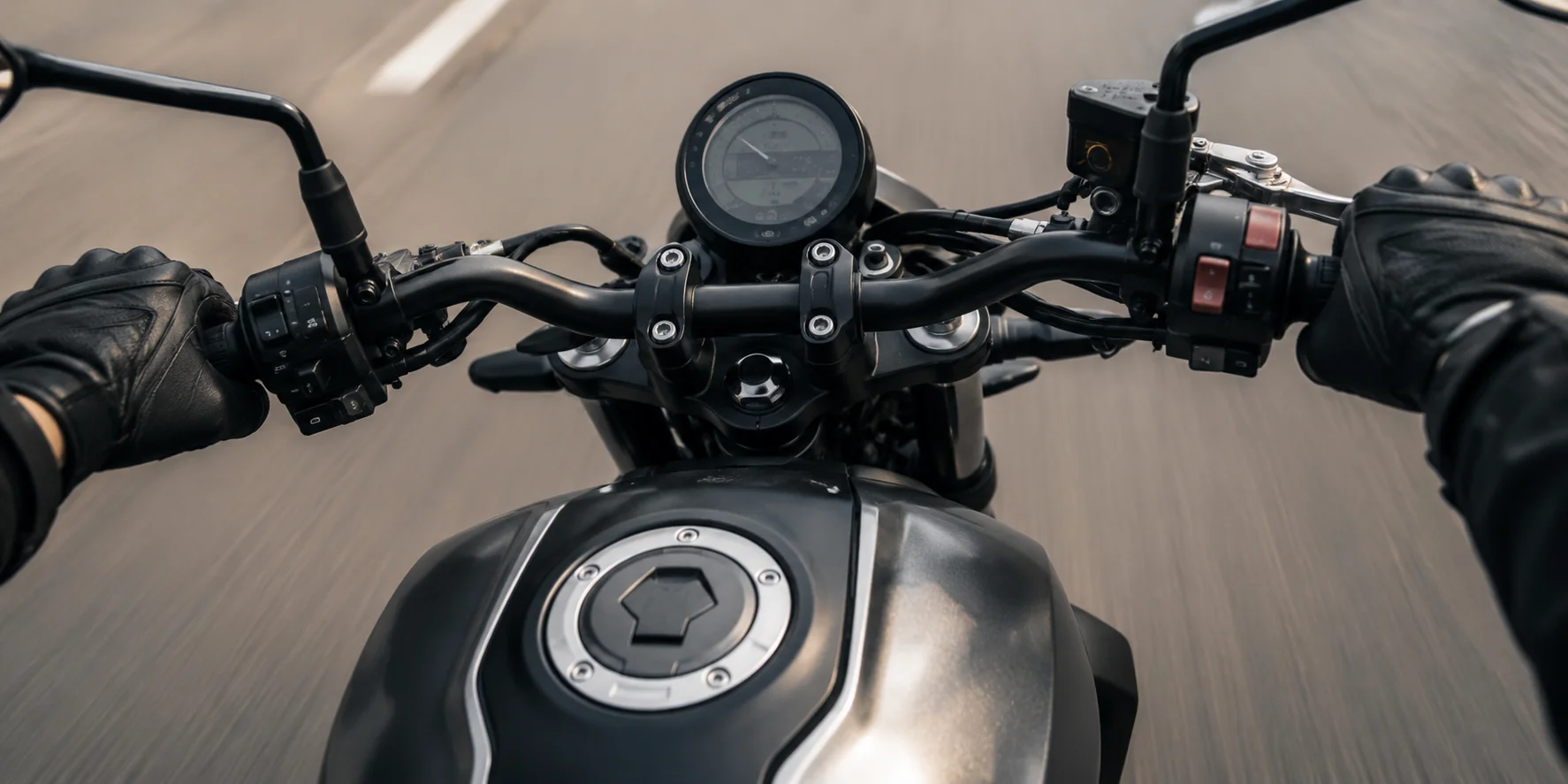
Iron 883 handlebar vibration

Harley introduced rubber engine mounting improvements to later Sportster generations, which noticeably smoothed out the ride compared to older solid-mount models. If you are comparing notes with an owner of an older Sportster and your bikes feel dramatically different in terms of vibration, this mounting difference likely explains it.

Some vibration remains normal on any Sportster, including the Iron 883. It is part of the platform’s character, not a defect. That said, new or worsening vibration, especially if it comes with unusual noise, deserves investigation rather than automatic dismissal as “just how Sportsters feel.”

Charging System Issues: Stator and Regulator Wear

Like most Harley models built during this era, the Iron 883 can develop charging system problems as it ages. The stator generates current inside the engine, and it wears down over time, particularly on bikes that see frequent stop-and-go city riding rather than sustained highway use.

Watch for a headlight that dims noticeably at idle. This is often the first sign something is wrong. A battery that will not hold a charge overnight, even after a full charge, points the same direction.

Testing voltage at the battery terminals with the engine running tells you quickly whether this system needs attention. You want a steady reading between roughly 13.5 and 14.5 volts. Anything consistently below that range suggests the charging system is not keeping up, and further diagnosis is worth your time before you end up stranded.

The Stock Fuel Tank: A Common Range Complaint

Riders new to the Iron 883 often experience a moment of surprise the first time they watch the fuel gauge drop faster than expected. The stock “peanut” tank holds a genuinely small amount of fuel compared to most other cruisers on the market, and this limits your range between fill-ups noticeably.

This is a deliberate styling choice, not a flaw. The compact tank contributes directly to the Iron 883’s lean, stripped silhouette that draws so many riders to the model in the first place. Still, it catches new owners off guard, especially those planning longer rides without checking their range assumptions first.

Plan your fuel stops accordingly, particularly on unfamiliar routes where you cannot predict exactly where the next gas station sits. Running this bike dry on a remote stretch of road is a frustrating, avoidable mistake.

Stock Exhaust: Restrictive by Design

Every stock Harley exhaust system balances sound regulations, emissions compliance, and cost, and that balance usually means real performance gets left on the table. The Iron 883 is no exception. Its stock exhaust breathes more restrictively than many owners expect once they start comparing notes with aftermarket options.
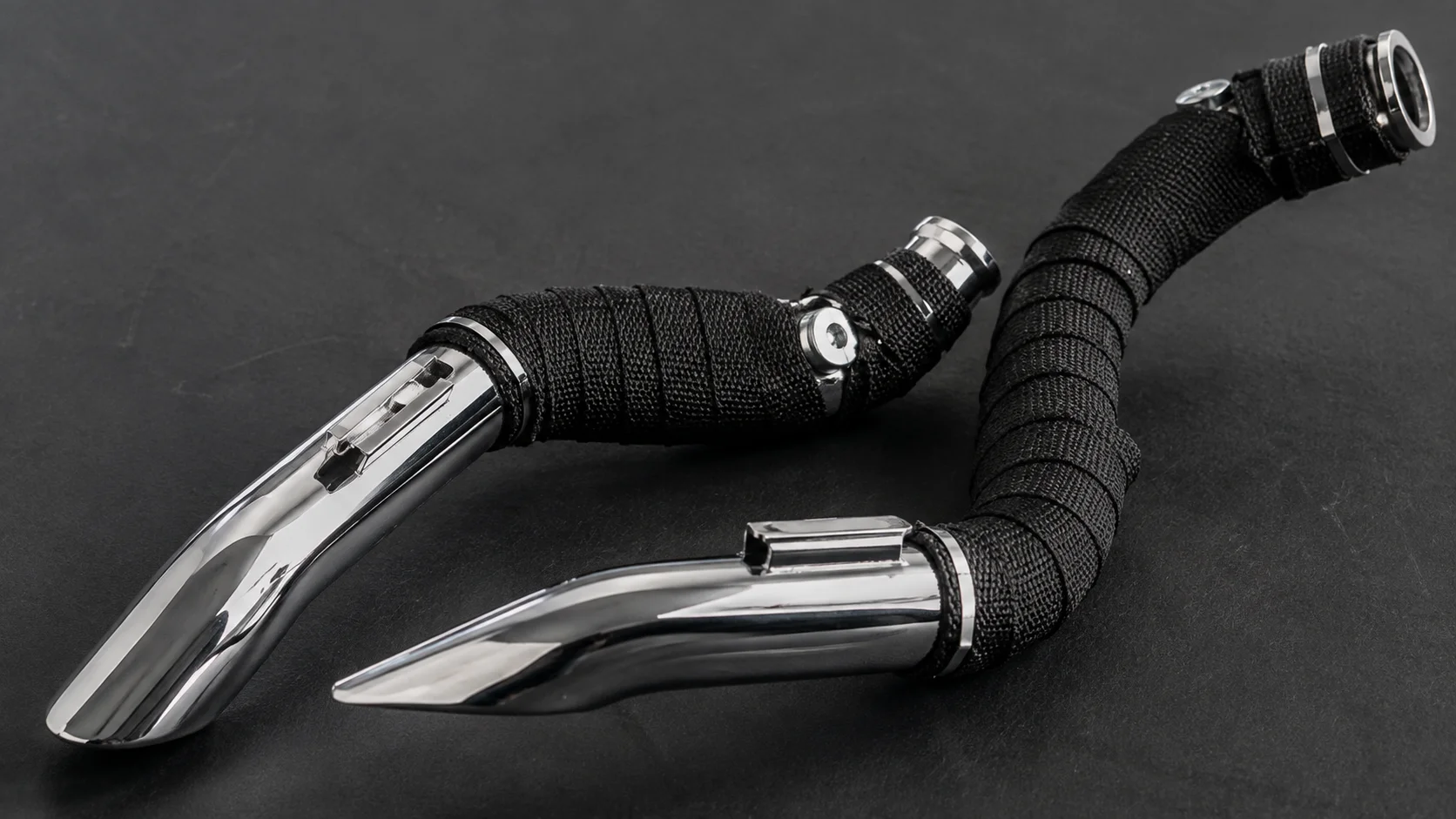
Harley-Davidson Iron XL 883N Exhaust Pipes 2009-2020

This restriction affects more than just sound. A freer-flowing exhaust, paired with appropriate air intake and fuel adjustments, can genuinely improve throttle response and low-end torque. This matters especially on a smaller-displacement engine like the 883, where every bit of usable power counts more than it would on a bigger cruiser. Check out the Harley-Davidson Iron XL 883N Exhaust Pipes 2009-2020

Before installing any aftermarket exhaust, check whether your specific setup needs a fuel remap or carburetor adjustment alongside it. Running lean after an exhaust change stresses the engine over time if left uncorrected, so pair any exhaust upgrade with the appropriate fuel system check.

Air Filter and Intake Restriction

Alongside the exhaust, the stock air intake system on the Iron 883 also prioritizes emissions compliance over maximum airflow. Many owners find a genuine, noticeable difference after upgrading to a higher-flow air filter setup, particularly when paired with exhaust improvements.

This upgrade works best as part of a complete package rather than an isolated change. An air filter alone rarely transforms performance dramatically, but combined with exhaust and appropriate tuning, the cumulative effect becomes clearly noticeable in how the bike responds to throttle input.

Front Brake Performance: A Common Point of Criticism

Riders coming from bikes with dual front disc brakes sometimes find the Iron 883’s single front disc setup underwhelming, particularly during hard braking situations. This is not a defect. It reflects a cost and simplicity tradeoff common across entry and mid-level cruiser models.

Buy Harley-Davidson Iron XL 883N Front Brakepads 2009-2020 here.
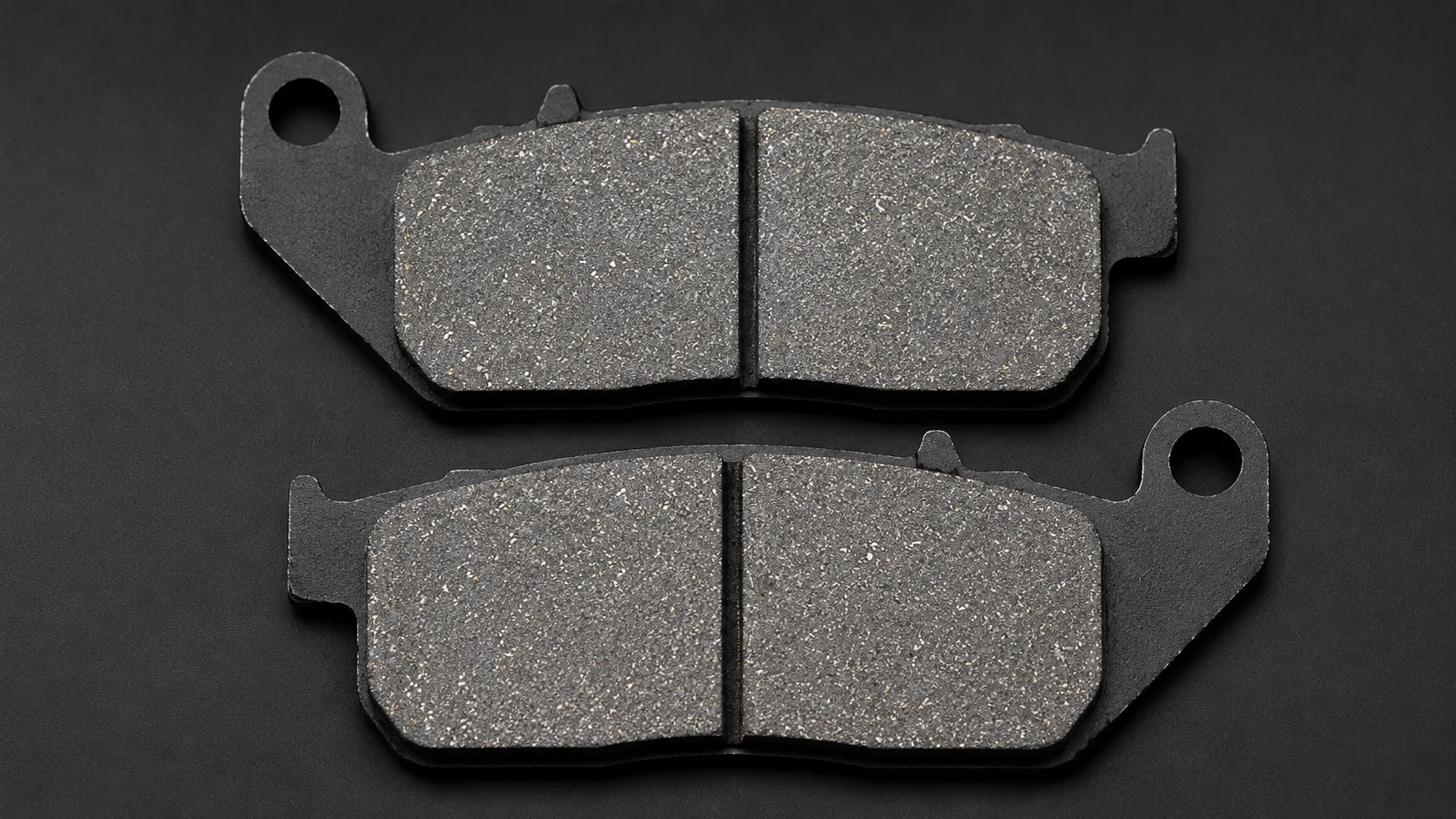
Harley-Davidson Iron XL 883N Front Brakepads 2009-2020

That said, stopping power matters enormously for safety, and plenty of owners choose to upgrade brake components as one of their first modifications. Fresh, high-quality brake pads make a meaningful difference on their own, even without a full caliper or rotor upgrade. If your stock brakes feel spongy or less confident than you would like, start with fluid and pad condition before assuming you need a larger, more expensive upgrade.

Check brake fluid color periodically as part of routine maintenance. Fresh fluid looks clear to light amber. Dark or cloudy fluid indicates moisture contamination, which reduces braking performance precisely when you need it most.

Seat Comfort: A Nearly Universal Complaint

This is one of the most consistent complaints across Iron 883 ownership, and it makes sense once you consider the bike’s styling priorities. The stock solo seat looks great and fits the bike’s aggressive, stripped character. It does not prioritize long-ride comfort, and riders feel that difference after an hour or two in the saddle.

This complaint gets even more pronounced for owners who want to bring a passenger along. The stock seat setup was never designed with two-up comfort as a priority, and passengers often report the experience as genuinely uncomfortable on anything beyond a short ride.
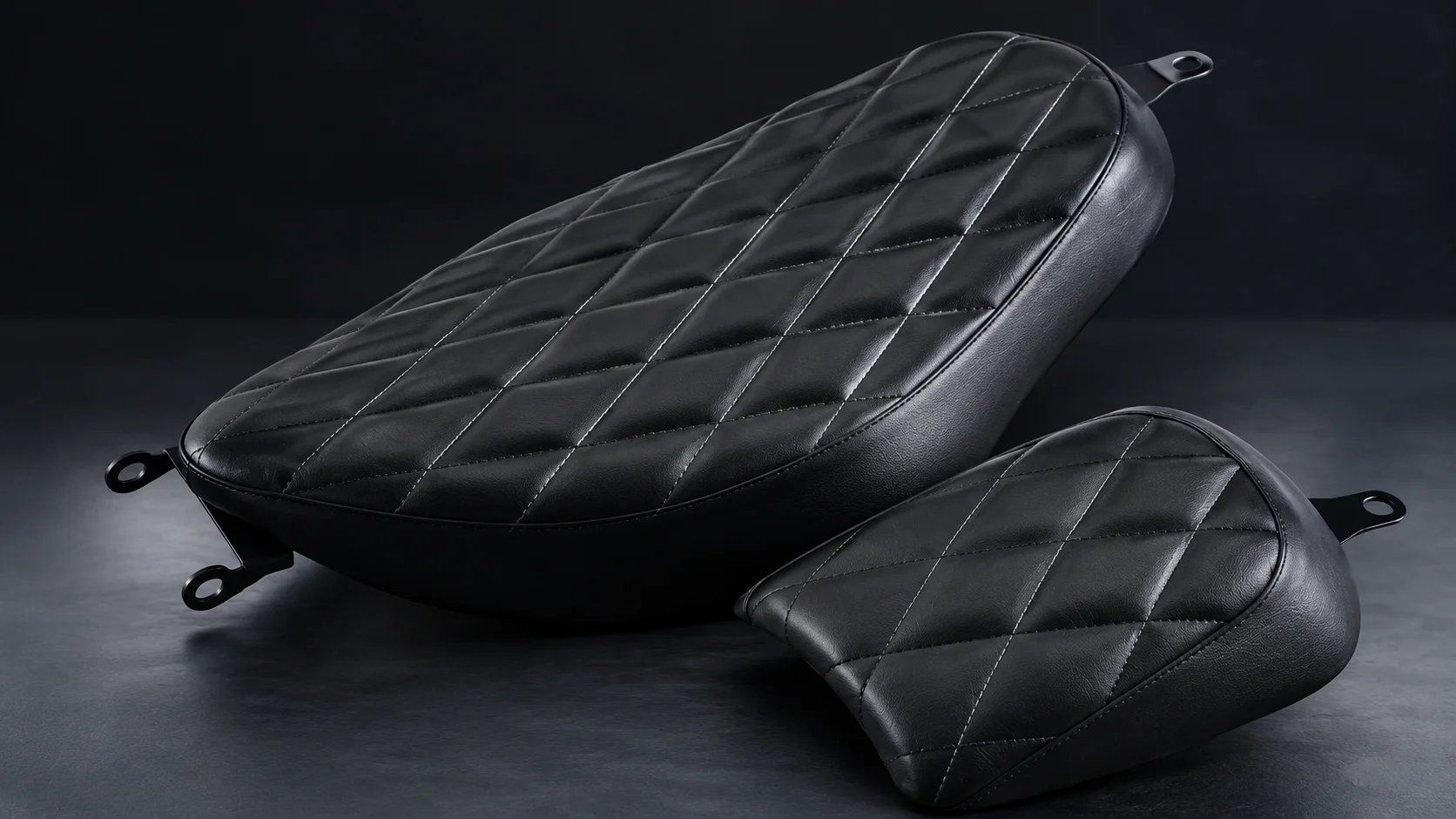
Harley Iron 883 Driver Passenger Two-Up Seat 2004-2017

The Aliwheels stock has a two-up seat built specifically for the Sportster XL 883, XL 1200, and Iron 883 across 2004 through 2017 models. This upgrade transforms the two-up riding experience without requiring any other modifications, and it remains one of the most consistently recommended first upgrades among Iron 883 owners specifically because the improvement is so noticeable.

Also you can find the Harley-Davidson Iron XL 883N Seat 2009-2020 at Aliwheels. 
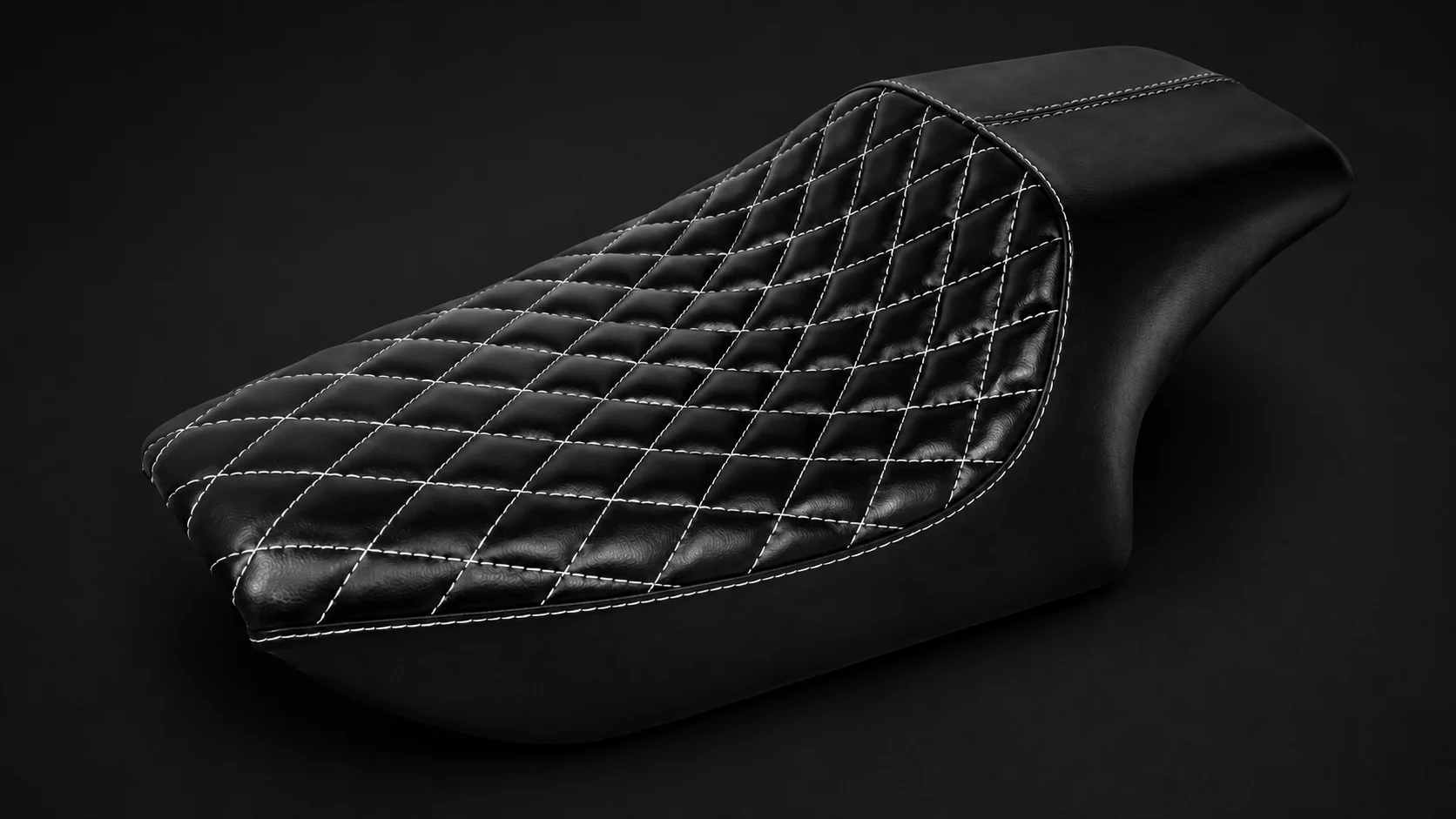
Harley-Davidson Iron XL 883N Seat 2009-2020

Clutch Cable Adjustment and Wear

Like most cable-operated clutch systems, the Iron 883’s clutch cable stretches gradually over time and use. This changes clutch engagement feel, sometimes gradually enough that owners do not notice the shift until engagement feels noticeably different from when the bike was newer.

Check clutch cable adjustment as part of routine maintenance rather than waiting for a problem to become obvious. A properly adjusted cable gives you predictable, consistent engagement every time you pull the lever. A stretched, poorly adjusted cable can make shifting feel notchy or inconsistent, which riders sometimes misattribute to bigger transmission problems when the actual fix is simple and inexpensive.

Paint and Chrome Finish Durability

Some owners report finish quality concerns on certain components, particularly chrome-plated parts exposed to weather and road conditions regularly. This varies by model year and specific component, but it comes up often enough in owner discussions to warrant mention here.

Regular cleaning and appropriate protective products extend finish life significantly. Address any early signs of corrosion or pitting promptly, since chrome degradation tends to accelerate once it starts rather than staying static. A small area of surface corrosion left unaddressed often spreads faster than owners expect.

Building a Realistic Maintenance Routine

Every issue covered in this guide becomes easier to manage with consistent attention rather than reactive fixes after something already feels wrong. A simple routine catches most problems while they are still small, inexpensive fixes.

Iron 883 maintenance routine

Check charging voltage periodically, not just when you notice a symptom like a dimming headlight. Inspect clutch cable adjustment during regular service intervals. Test brake fluid condition and pad thickness on a consistent schedule rather than waiting for warning signs. Look over chrome and painted surfaces during regular washing, addressing any early corrosion before it spreads.

None of these tasks individually take much time. Together, they prevent the majority of the common Iron 883 headaches covered throughout this guide.

Planning Your First Round of Upgrades

If you are new to Iron 883 ownership and wondering where to start with upgrades, prioritize based on what actually affects your riding experience most directly. Seat comfort tends to deliver the most immediately noticeable improvement for the investment, particularly if you ride with a passenger regularly or take longer trips.

Exhaust and intake upgrades come next for most owners, since the performance improvement genuinely enhances the riding experience on a smaller-displacement engine where every bit of response matters. Pursue these as a paired upgrade rather than one at a time, since exhaust and intake changes work together rather than in isolation.

Brake improvements matter most for owners who ride more aggressively or frequently in traffic where quick stopping power counts. If you primarily cruise at a relaxed pace on open roads, this upgrade matters less urgently than it would for a rider navigating dense city traffic daily.

Harley Davidson Sportster Parts at Aliwheels

The Iron 883 remains one of Harley’s most popular entry points into the brand, and understanding its specific character makes ownership significantly more rewarding. Vibration and fuel range limitations connect directly to the platform’s core design choices. Charging system wear and clutch cable adjustment connect to age and mileage, affecting every bike differently depending on its history and how it was ridden.

None of this should discourage you from owning or enjoying this bike. Every motorcycle platform has its own maintenance personality, and once you understand the Iron 883’s, staying ahead of problems becomes routine rather than stressful. Start with the seat upgrade covered here if comfort tops your list of complaints, since it delivers one of the most immediately noticeable improvements available for this platform.

Browse our full range of Harley-Davidson Sportster parts to find fitment-verified components across the Iron 883’s model years. Always confirm your exact model year before ordering, since Harley made meaningful changes across the Sportster’s long production run, and getting the right part the first time saves you both money and hassle.
(Commenting: OFF)

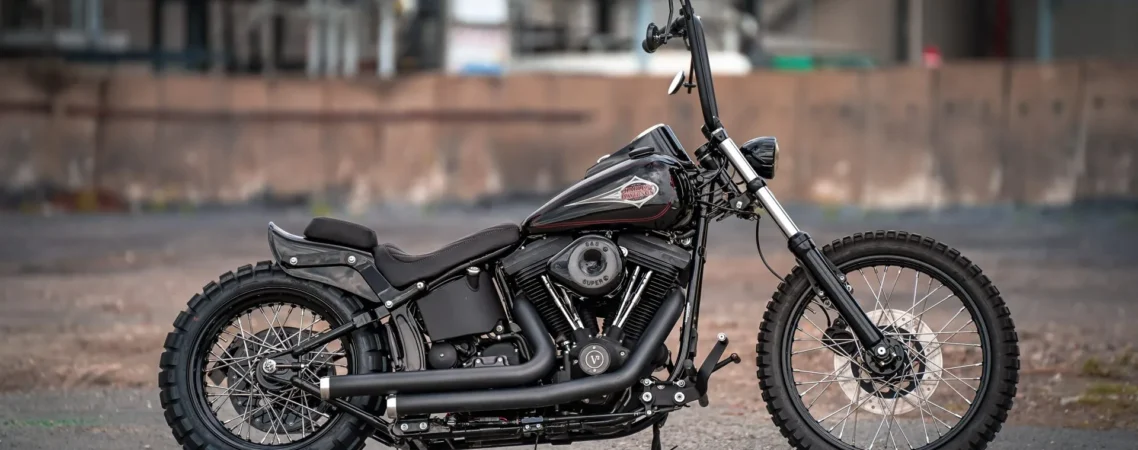
The Harley-Davidson Night Train earned its reputation the moment it launched for the 2000 model year. Harley stripped away chrome and added a blacked-out, minimalist look. Riders loved it instantly. Harley FXSTB became a favorite among owners who wanted a stripped, aggressive softail without the touring bulk.

Night Trains were made through 2009, so the bikes on the road today range from brand-new enthusiast finds to twenty-five years old. That age range can bring a wide variety of problems depending on mileage, storage history, and how well the previous owners maintained their bikes.

This guide covers the issues Night Train owners run into most often. We will also cover upgrades worth considering once you understand your bike’s specific quirks. Every recommendation ties back to Harley-Davidson Night Train FXSTB parts, not vague advice that leaves you guessing.

What Makes the Harley Night Train Different?

The Night Train FXSTB shares its platform with other Softail models, but Harley tuned its character specifically. It uses the same Twin Cam engine family found across the broader Softail and Dyna lineups during this production run. Early models ran the 88B counterbalanced engine. Later years moved to the 96B, offering more displacement and torque.

This counterbalanced design matters for owners to understand. It reduces vibration significantly compared to earlier Harley engines, which makes the Night Train smoother at speed than older Softails. But it also means the internals work differently than a standard Twin Cam, and generic advice from non-counterbalanced Harley forums does not always apply cleanly here.

The bike sits low too. Its long wheelbase and aggressive rake give it that stretched-out cruiser stance riders love. That same stance creates real ground clearance limitations, something every Night Train owner learns quickly during their first tight parking lot maneuver.

Cam Chain Tensioner Wear: A Known Twin Cam Issue

This is probably the most discussed mechanical issue across the entire Twin Cam engine family, and the Night Train inherited it along with every other Softail and Dyna from this era. The tensioners use plastic shoes to maintain proper chain tension, and those shoes wear down over tens of thousands of miles.

Twin Cam chain tensioner

Listen for a rattling or ticking noise from the front of the engine. This symptom usually shows up first at idle, then becomes more noticeable as the engine warms up. Riders sometimes dismiss it as a normal Harley engine character, but a new or worsening rattle deserves real attention.

Worn tensioner shoes shed plastic debris into the oil system as they degrade. In severe cases, a shoe can fail outright, risking the chain jumping timing entirely. Catching this early keeps the repair straightforward. Waiting too long turns a moderate job into a much bigger one.

If your Night Train has mileage and you have never had the tensioners inspected, build this into your next service visit. Any technician that knows about Twin Cam engines will know this job like the back of his hand, and catching wear early saves you from a much more expensive repair later on.

Charging System Problems: Stator and Voltage Regulator Failures

Every Twin Cam era Harley shares this vulnerability, and the Night Train is no exception. The stator generates AC inside the primary case, and it degrades over time, especially on bikes that see a lot of stop-and-go city riding rather than sustained highway RPM.

Watch for a dimming headlight at idle. This is often the earliest, most noticeable symptom. A battery that will not hold a charge overnight points in the same direction, as does any dashboard warning light related to charging.

The voltage regulator tends to fail alongside the stator, or shortly after, since these two components work together as a pair. When one starts degrading, the other often follows within months if it goes unaddressed. Testing voltage at the battery with the engine running, looking for a steady 13.5 to 14.5 volts, tells you quickly whether this system needs attention.

Rear Fender Cracking and Wear

The Night Train’s rear fender takes a beating over the years. Vibration from the counterbalanced engine, combined with road debris and years of thermal cycling, causes stress cracks to develop in the plastic material over time. This shows up more often on higher-mileage bikes, but even lower-mileage examples can develop cracks if they sat outside for years.

Cracks usually start small, near mounting points where vibration concentrates the most stress. Left unaddressed, they spread, eventually compromising the fender’s structural integrity and appearance both.

Harley-Davidson Night Train FXSTB Rear Fender 2000-2009

We stock  Harley-Davidson Night Train FXSTB rear fenders for 2000 through 2009 models, built specifically for this platform’s fitment. If your current fender shows cracking, replacing it before the damage spreads keeps both function and resale value intact.

Headlight Failure and Wiring Wear

Older night trains, especially those nearing twenty years of operation, are often plagued with headlight problems. Sometimes it’s just a simple bulb failure. Sometimes it means something more involved, like a bad connector or a ground wire that’s corroded after years of vibration and exposure to the elements.

Do not assume every headlight problem means a full assembly replacement. Start with the bulb itself, since this is the cheapest and most common fix. If a fresh bulb does not solve it, check the wiring harness at the headlight mount for any visible wear, especially where it routes near the fork and steering head.

Harley-Davidson Night Train FXSTB Headlight 2000-2009

If the housing itself has cracked, yellowed significantly, or shows internal moisture damage, replacement becomes the right call. Aliwheels carry a Night Train FXSTB headlight for 2000 through 2009 models built for direct fitment on this platform.

Ground Clearance and Scraping Concerns

That low, stretched stance that makes the Night Train look so aggressive comes with a real tradeoff. Ground clearance sits noticeably lower than upright Sportster or touring models. Riders new to the platform often scrape footpegs or floorboards during tighter turns before they learn the bike’s actual lean limits.

This is not a defect. It is simply a characteristic of the design, and every Night Train owner needs to internalize where their personal limit sits. Practice cornering in a low-stakes environment, like an empty parking lot, before pushing a lean angle on the street where a scrape catches you off guard.

Some owners choose to accept this limitation as part of the bike’s character. Others look at floorboard or peg upgrades designed to extend clearance slightly, which can help riders who frequently encounter tighter, more technical roads.

Forward Control Comfort for Taller Riders

Owners over six feet tall consistently report the same complaint about the Night Train’s stock forward controls. The reach feels cramped, especially on longer rides. This is a common theme across cruiser-style Harleys generally, but the Night Train’s aggressive stance makes it particularly noticeable for taller riders.

Extension kits solve this problem effectively. They move the forward controls further from the seat, giving taller riders more legroom and a more natural riding position. This upgrade shows up repeatedly in owner discussions as one of the first modifications taller riders make, and for good reason. Comfort on long rides matters enormously, and a cramped riding position turns an otherwise great bike into a source of daily frustration.

Primary Chain and Clutch Wear

Between stop-and-go city riding and the weight of the platform, the primary chain and clutch see real wear over the miles. This holds true across most Harley Softail models, and the Night Train shares the same vulnerability.

Harley primary chain and clutch assembly

Watch for a clutch that feels like it slips under hard acceleration, or engagement that feels notchy and inconsistent rather than smooth. A rattling noise from the primary case that changes character with clutch lever position points toward chain tension issues specifically.

Primary chain adjustment should be part of any regular service interval. Catching a stretched chain early costs far less than waiting for it to cause secondary wear on other primary case components.

Solid Rear Wheel Considerations

The Night Train’s distinctive solid rear wheel design contributes heavily to its aggressive, industrial look. This design choice comes with a maintenance consideration many new owners do not think about. Unlike a spoked wheel, a solid wheel does not allow the same visual inspection of internal components, and it can trap moisture differently during washing.

Dry the wheel thoroughly after washing, and pay attention to the area where the wheel meets the tire bead for any early signs of corrosion. This is a small habit that prevents a bigger cosmetic and structural problem down the road.

Once you have your Harley Night Train running reliably, plenty of owners look toward upgrades that enhance the platform’s already strong character. Exhaust systems rank high on this list, since the counterbalanced engine’s exhaust note responds well to aftermarket systems designed around better flow.

Suspension upgrades also come up often, particularly for owners who ride more aggressively or cover longer distances than the stock setup was tuned for. Since the Night Train’s stock suspension prioritizes that low, aggressive stance over long-travel comfort, some owners find real value in components tuned more toward their specific riding style.

Seat upgrades matter too, especially for owners planning longer rides than the bike’s original solo-seat character anticipated. A well-chosen aftermarket seat can transform comfort on extended trips without compromising the bike’s stripped-down look.

A Simple Maintenance Routine That Prevents Most Problems

Everything covered in this guide gets easier to manage with consistent attention rather than waiting for problems to announce themselves loudly. A few habits go a long way toward keeping your Night Train running well for years.

Routine motorcycle maintenance in a workshop

Listen for new engine noises, especially from the front of the engine near the cam chain tensioners. Check charging voltage periodically, not just when you notice a symptom. Inspect the rear fender and other plastic bodywork during regular washing for early signs of cracking. Test headlight function and wiring condition before long rides, particularly night rides where a failure matters most.

None of these tasks take much time individually. Together, they catch most of the problems covered in this guide before they become expensive surprises.

Buying a Used Night Train FXSTB: What to Check First

If you are shopping for a night train rather than already owning one, a focused inspection saves you from inheriting someone else’s deferred maintenance. Listen carefully for cam chain tensioner rattle during a cold start, since this reveals itself most clearly before the engine fully warms up.

Check the charging voltage with the engine running; do not skip this step, even if the seller says everything is fine. Look over the rear fender for stress cracks, particularly around the mounting points. Check for any cracking or moisture within the headlight housing. Be sure to test all electrical functions, not just whether the engine starts.

Ask directly about storage history too. A night train that sat outside for extended periods faces more bodywork and electrical wear than one stored properly, even if the mileage looks similar on paper.

Conclusion

The Night Train remains one of Harley’s most distinctive Softail models, and understanding its specific quirks makes ownership far more rewarding. Cam chain tensioner wear and charging system issues connect directly to the shared Twin Cam platform underneath. Rear fender cracking and headlight wear connect to age and exposure, which affects every bike differently depending on its history.

None of this should discourage you from owning or enjoying this bike. Every motorcycle platform has its own specific maintenance personality, and once you understand the Night Train’s, staying ahead of problems becomes routine rather than stressful. Start with the FXSTB fender and headlight parts covered here if your bike shows those specific symptoms, since those address two of the most visible, common issues owners report.

Browse our full range of Harley-Davidson Softail parts to find fitment-verified components across the platform’s production years. Always confirm your exact model year before ordering, since Harley made real changes across the Night Train’s run, and getting the right part the first time saves you both money and hassle.

(Commenting: OFF)

Or login with your social account