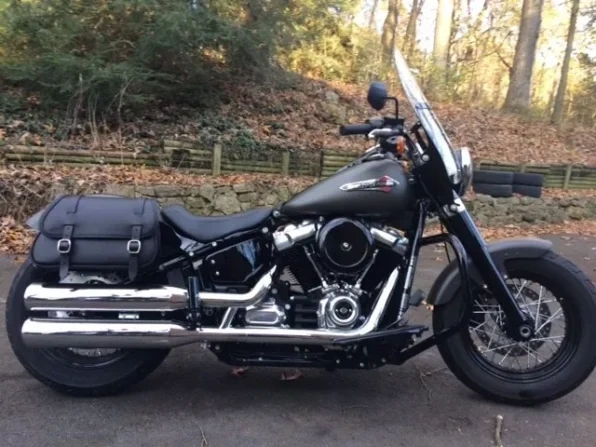




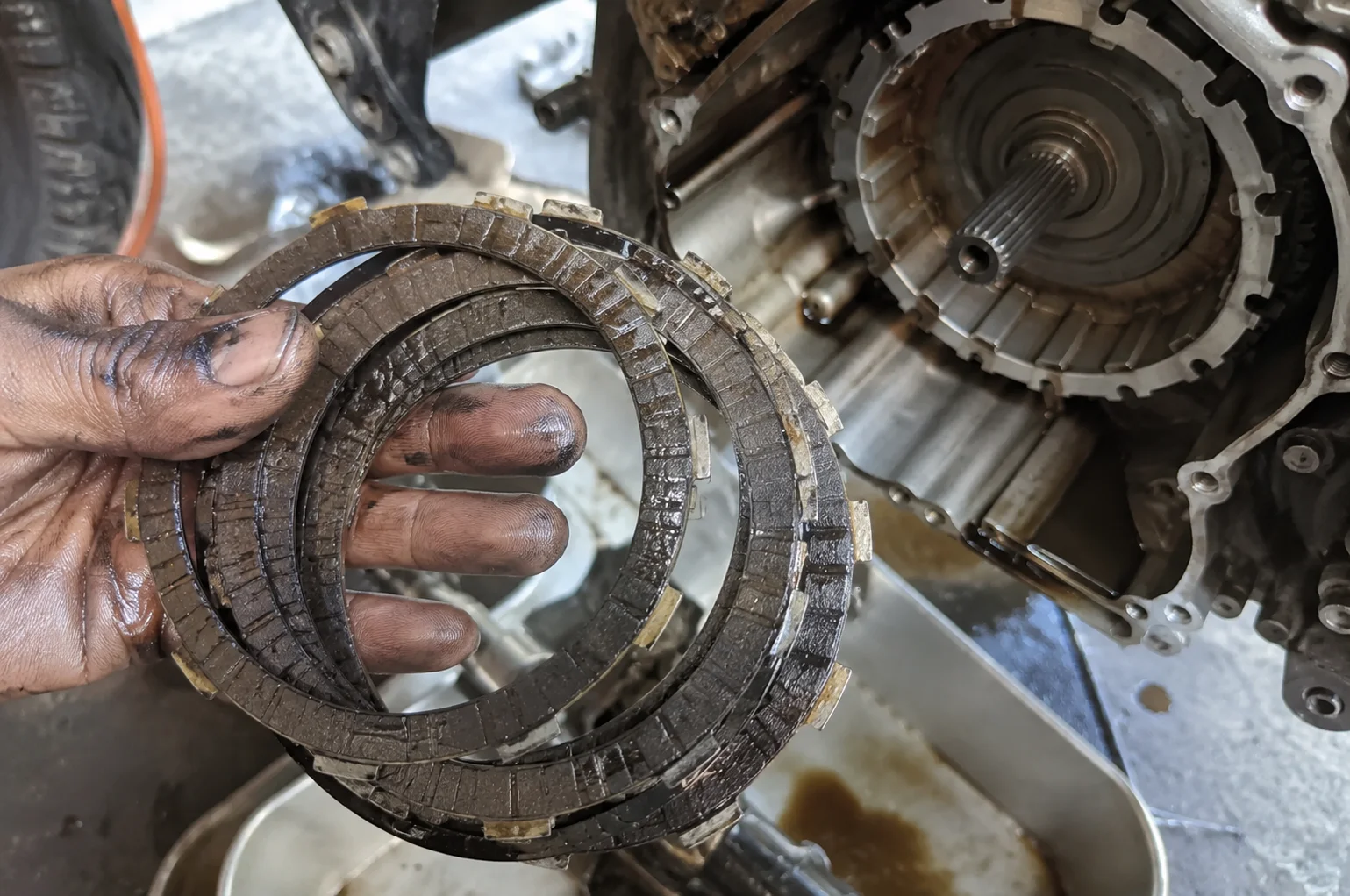

A motorcycle clutch kit can last anywhere from 20,000 to 60,000 miles, depending on the motorcycle, riding style, and maintenance. If your clutch wears out much sooner, the cause is often not the clutch plates themselves but the conditions they’re operating under.
From aggressive riding habits and heavy stop-and-go traffic to improper maintenance and incorrect adjustments, several factors can significantly shorten clutch life. Identifying these causes early helps you extend clutch life, improve performance, and avoid unexpected repair costs.
This guide explains the most common reasons motorcycle clutch plates wear out prematurely and how to prevent them.
Browse Motorcycle Clutch parts at Aliwheels and get certified replacement clutch plates and kits.
The Mechanics of Clutch Plate Wear
Motorcycle clutch plates wear through friction. Whenever the clutch is partially engaged, the friction plates rotate at a different speed than the steel plates. This creates heat, and over time, that heat wears away the friction material.
During normal, smooth riding, clutch slip is minimal, so wear happens gradually. However, frequent or prolonged clutch slip generates much more heat and significantly shortens clutch life.
Cause 1: Aggressive Riding and Hard Launches
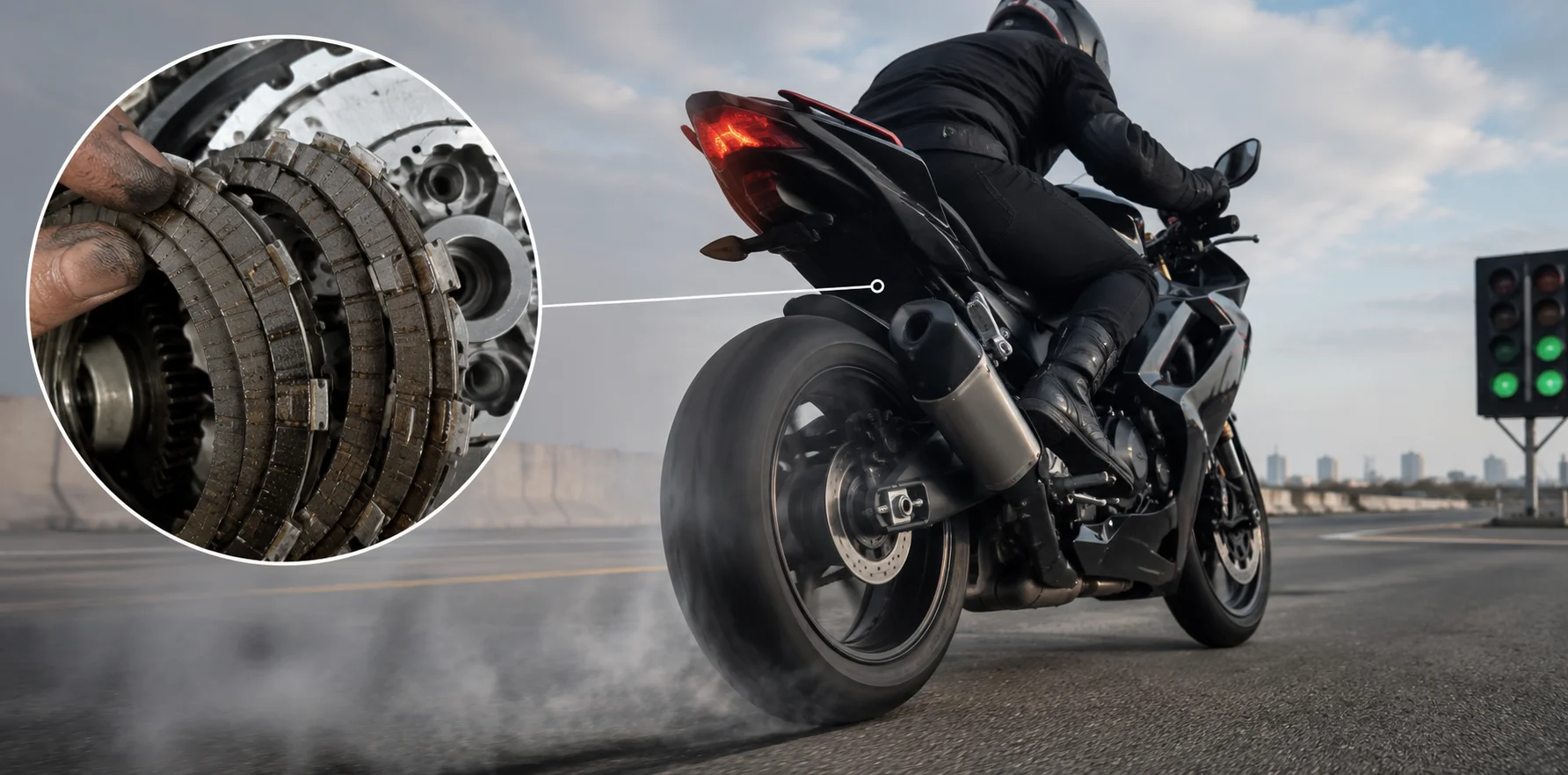
Aggressive riding is one of the biggest causes of premature clutch wear. Every hard launch from a stop forces the clutch to slip while engine power is transferred to the rear wheel.
Track riders, riders who launch hard from traffic lights, or those who use the clutch for wheelies place far more heat and stress on the clutch than everyday riders.
If this matches your riding style, faster clutch wear is normal. Upgrading to a performance clutch kit with more heat-resistant friction material can help improve durability.
Cause 2: Incorrect Clutch Adjustment
Improper clutch adjustment is one of the most common and preventable causes of premature clutch wear.
A clutch cable with too little free play prevents the clutch from fully engaging, causing constant light clutch slip while riding. Even though the bike feels normal, the clutch continuously generates heat, wearing the plates much faster than expected.
Most motorcycles require approximately 2 to 3 mm of clutch lever free play, but always follow your manufacturer’s specifications. Check the adjustment whenever the clutch feel changes and during routine servicing.
Hydraulic clutch systems can develop a similar problem if air enters the hydraulic line. Trapped air prevents full clutch engagement, so bleeding the system during scheduled brake fluid service helps maintain proper operation.
Cause 3: Using the Wrong or Worn-Out Engine Oil
Most motorcycles use wet clutch systems, in which the clutch is submerged in engine oil. That’s why the quality of the oil has a direct impact on the performance and life of the clutch.
Using automotive engine oil can cause premature clutch wear because many car oils contain friction modifiers that reduce friction between the clutch plates, leading to clutch slip. Always use motorcycle oil that meets JASO MA or JASO MA2 specifications for wet clutch systems.
Old or degraded oil is another common problem. As oil ages, it loses viscosity and lubrication performance, causing inconsistent clutch engagement, extra heat, and faster wear.
Cause 4: A Worn or Damaged Clutch Basket
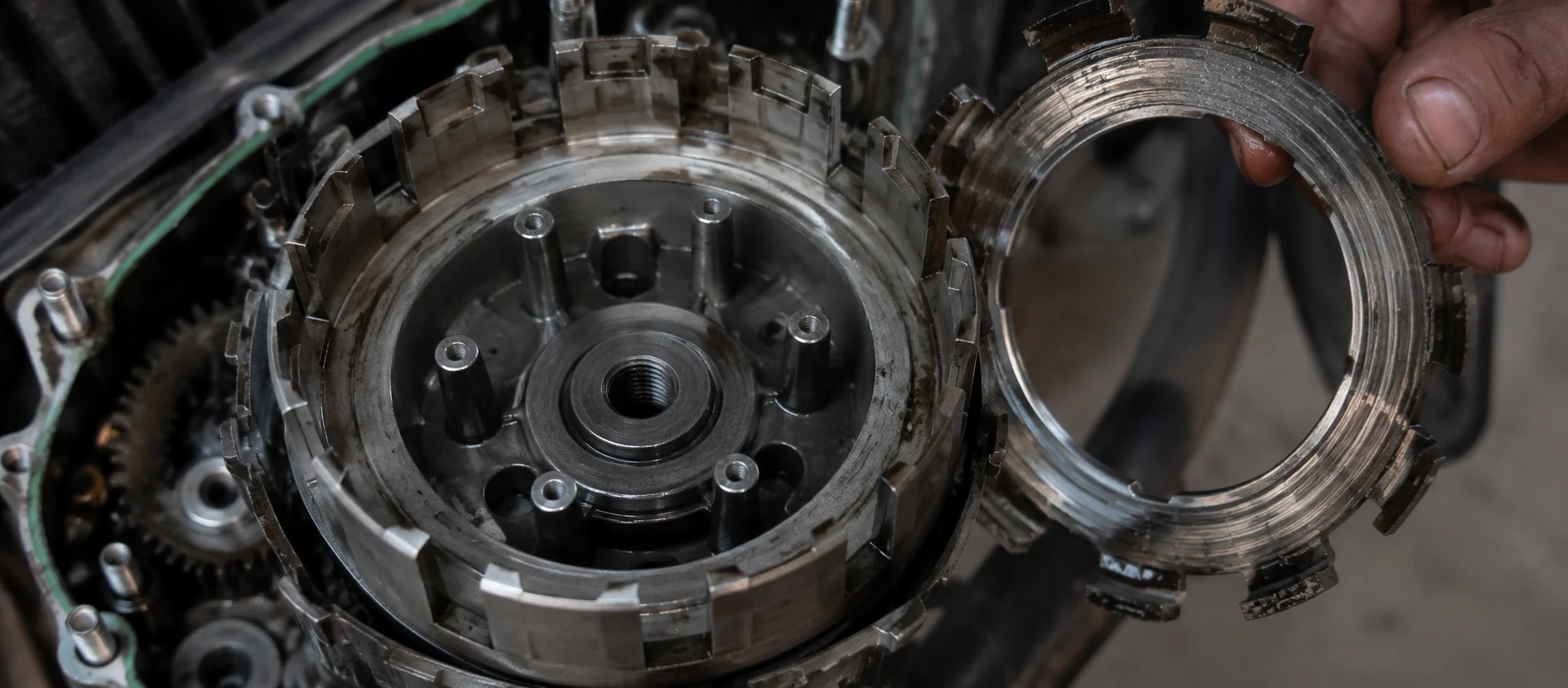
Over time, the clutch basket develops small grooves where the clutch plate tabs repeatedly contact the basket during engagement and disengagement.
These grooves prevent the friction plates from moving smoothly, causing the clutch to engage unevenly. Instead of wearing evenly across the entire surface, the friction material wears more heavily in certain areas, reducing clutch life.
Whenever replacing clutch plates, inspect the clutch basket carefully. Installing new plates into a badly worn basket often leads to premature wear of the replacement clutch.
Cause 5: Heavy Loads and Two-Up Riding
Carrying extra weight increases the workload on the clutch.
Riding with a passenger, carrying heavy luggage, or towing additional weight requires the clutch to transfer more engine torque during every launch and gear change. The increased load creates more clutch slip and more heat, accelerating wear.
This effect is especially noticeable on smaller-displacement motorcycles, where the clutch operates closer to its design limits under heavier loads.
Cause 6: Frequent Hill Starts and Slow-Speed Clutch Control
Holding the motorcycle on an incline with the clutch slipped, rather than fully engaging the clutch, creates extreme heat in a very short time.
Urban commuters, delivery riders, and anyone who regularly rides in heavy traffic often spend long periods feathering the clutch at low speeds. These repeated high-heat slip events wear clutch plates much faster than normal riding.
Using proper riding techniques and minimizing unnecessary clutch slip can significantly extend clutch life.
Warning Signs Your Clutch Plates Are Wearing Out
| Sign | What It Means | Urgency |
| Slip under hard acceleration | Friction material at or near minimum | Replace within next service |
| Drag at idle, bike creeps in first | Plates not fully separating | Adjust cable first, then inspect |
| Burning smell in traffic | Heat damage occurring now | Inspect immediately |
| Inconsistent bite point | Uneven plate thickness | Inspect at next service |
| Jerky low-speed engagement | Steel plate warping | Replace steel plates with a kit |
| Difficulty finding neutral | Plates not releasing cleanly | Check cable adjustment first |
Inspect the Clutch Basket Before Replacing the Clutch
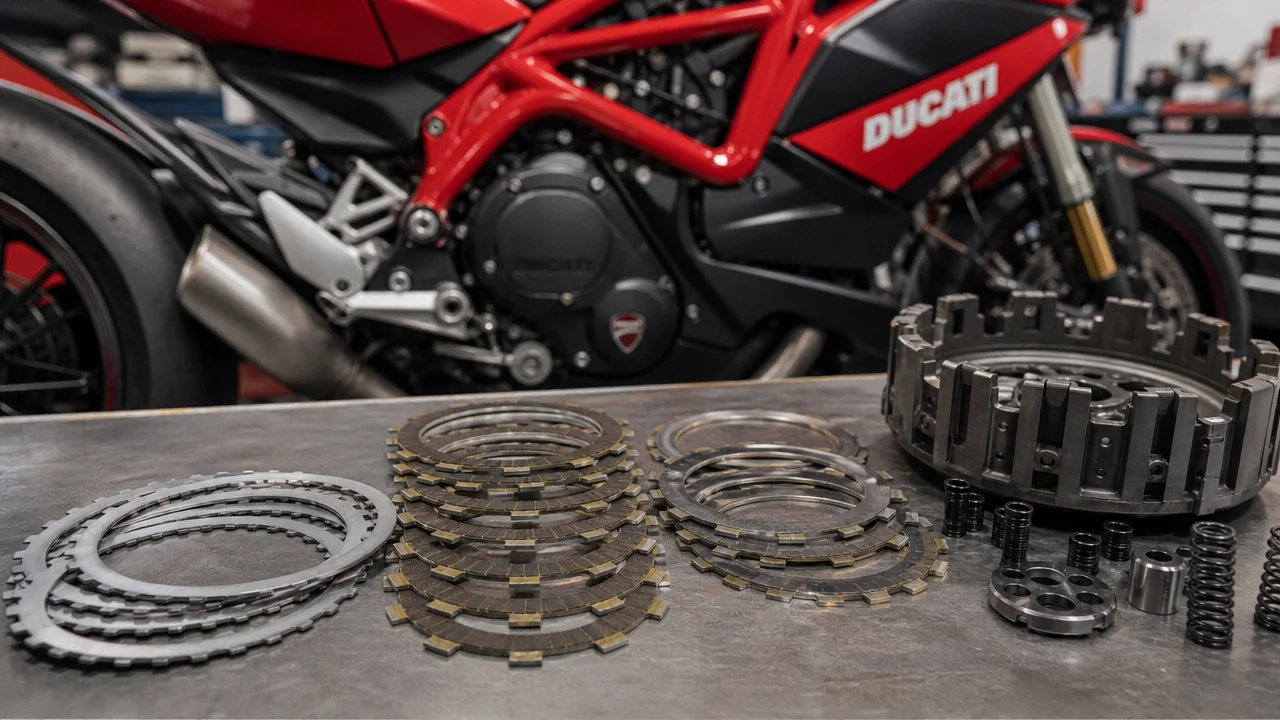
Before installing a new clutch kit, inspect the clutch basket for wear. Run your fingernail along each basket slot where the friction plate tabs make contact. If you can feel grooves, the new clutch plates may catch during operation, causing uneven engagement and faster wear.
Minor grooves can often be smoothed with a fine file. However, deep grooves (typically more than 0.5 mm) usually require clutch basket replacement to ensure the new clutch kit performs correctly and reaches its expected service life.
Installation Tips to Extend Clutch Life
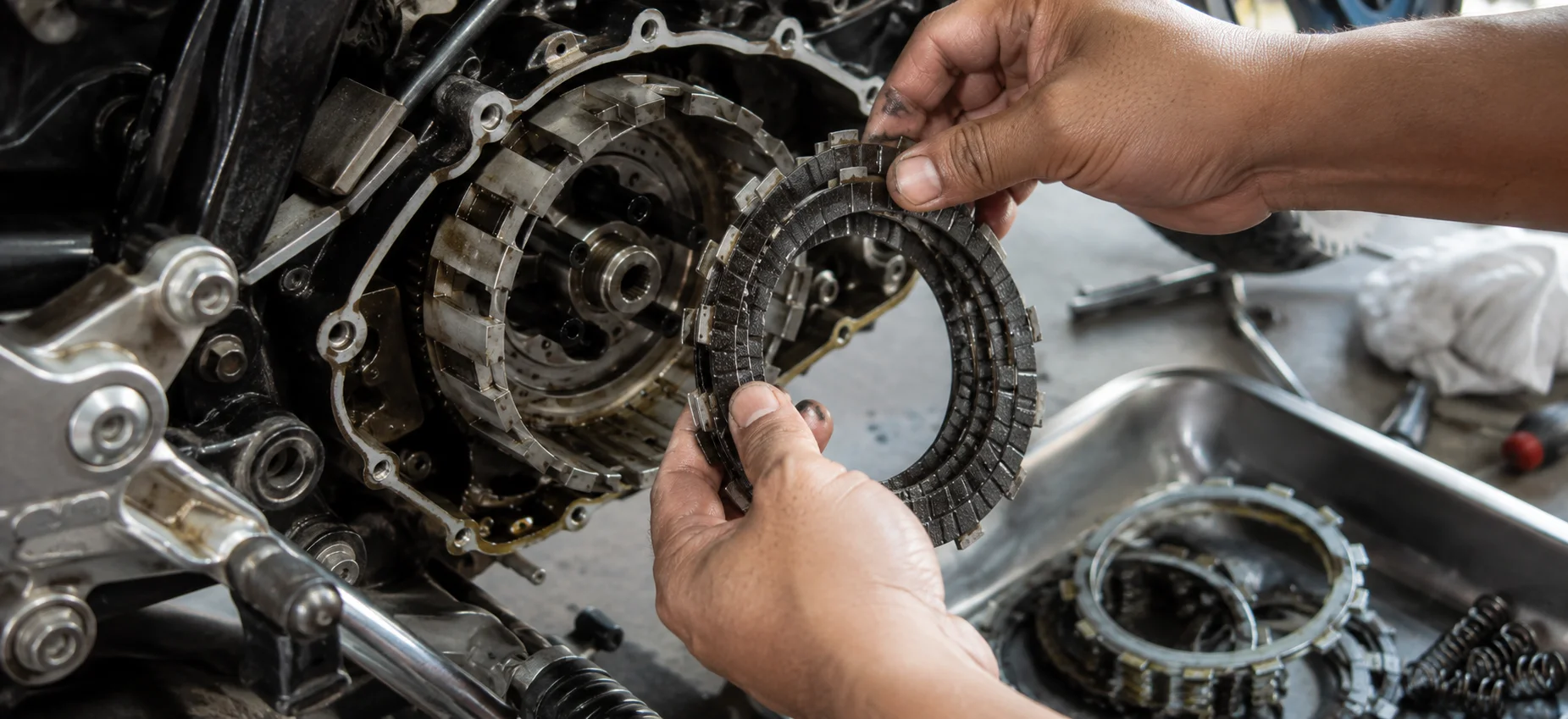
A few simple installation practices can significantly improve clutch performance and longevity:
- Soak new friction plates in the recommended JASO MA or JASO MA2 motorcycle oil for at least 30 minutes before installation.
- Inspect steel plates for warping and replace any that exceed the manufacturer’s service limit.
- Check clutch springs against the service manual specification and replace weak or worn springs.
- Adjust clutch free play to the correct specification after installation, then recheck it after the first few hundred miles as the new clutch plates bed in.
Aliwheels offers motorcycle clutch kits and clutch components for Honda, Yamaha, Kawasaki, Suzuki, Ducati, Harley-Davidson, BMW, KTM, Triumph, and many other brands. Every product is selected for model-specific fitment to help you find the right replacement for your motorcycle.
Conclusion
Clutch plates that wear out faster than expected are usually a symptom of riding style, incorrect cable adjustment, poor oil choice, or a worn clutch basket rather than a defective clutch kit. Fix the underlying cause before installing new plates, and your replacement kit will deliver its full service life. Replace only the worn plates without addressing the root issue, and you’ll likely be replacing the clutch again much sooner than expected.
Frequently Asked Questions
Q: How do I know if my clutch cable needs adjusting or if the plates are worn?
A: Check lever free play first. Most motorcycles require 2 to 3mm. If free play is correct but the clutch still slips under acceleration, the plates are likely worn. If the lever feels spongy or engagement is inconsistent, inspect the cable or bleed the hydraulic system before replacing the clutch.
Q: Can I use car engine oil in my motorcycle if it’s the right viscosity?
A: No. Car engine oil contains friction modifiers that can cause wet clutch slip. Always use motorcycle-specific oil with a JASO MA or JASO MA2 rating.
Q: Why are my new clutch plates slipping after only 5,000 miles?
A: Common causes include a worn clutch basket, incorrect oil, poor cable adjustment, or weak clutch springs. Check these issues before replacing the plates again.
Q: How do I check for clutch basket wear?
A: Run your fingernail along the basket tangs. Light grooves can often be smoothed, but deep grooves require basket replacement to prevent premature clutch wear.
Q: Does riding with a passenger wear out clutch plates faster?
A: Yes. Extra weight increases clutch load during starts and gear changes, which speeds up wear. Smooth riding and proper clutch adjustment can help extend clutch life.