



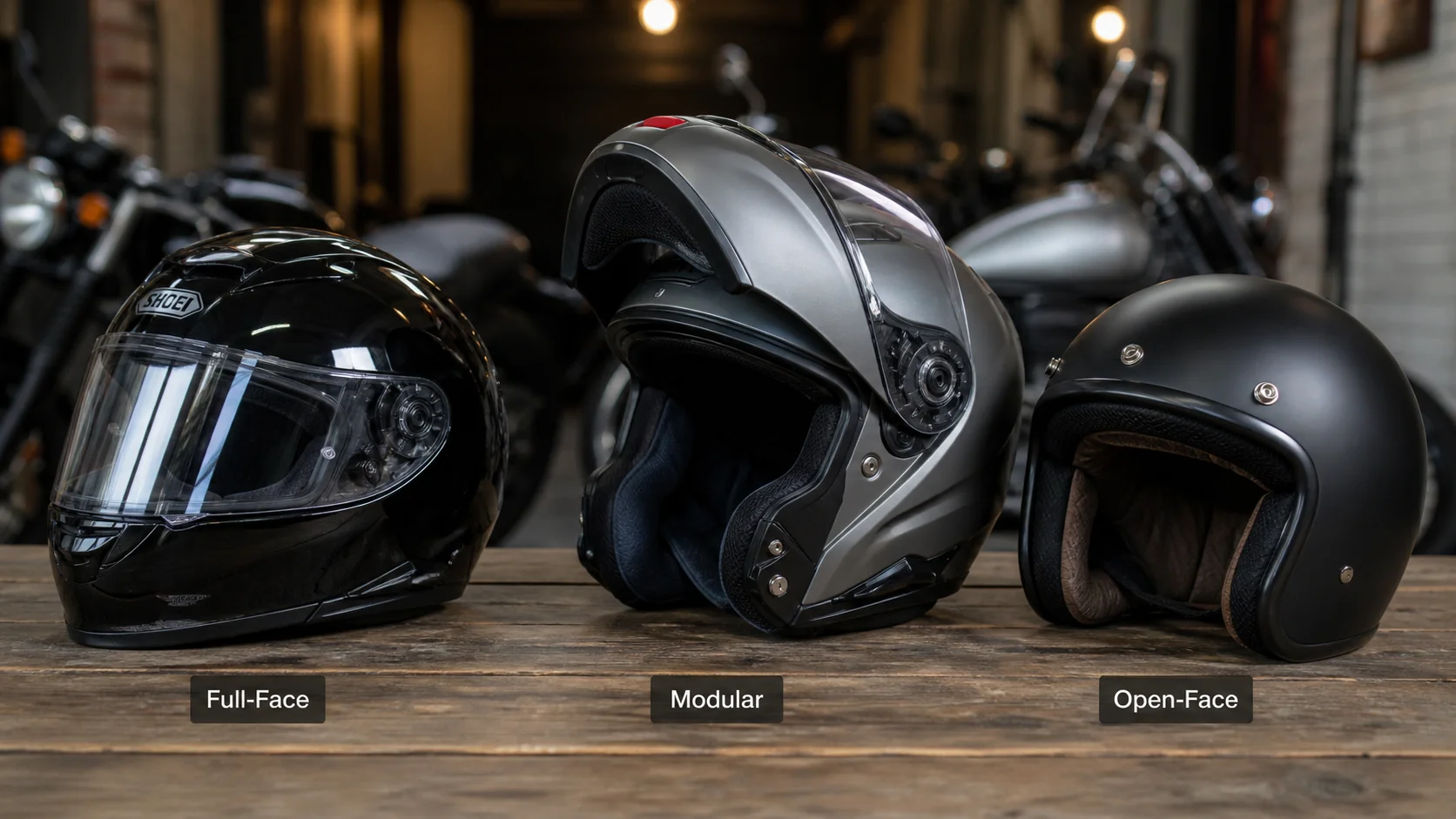

The motorcycle helmet market offers more choices than ever. From full-face and modular helmets to open-face, half helmets, and dual-sport designs, each style is built for a different type of rider. Rather than asking which helmet is best, the better question is which one suits your riding style. The right helmet depends on where you ride, how often you ride, and the level of protection, comfort, and versatility you need.
This is the honest, comprehensive comparison that cuts through marketing and gives you the information to make the right decision for your riding. Browse Aliwheels’ full range of Motorcycle Helmets for certified options across all three types.
Full-Face Helmets: Maximum Protection, Maximum Coverage
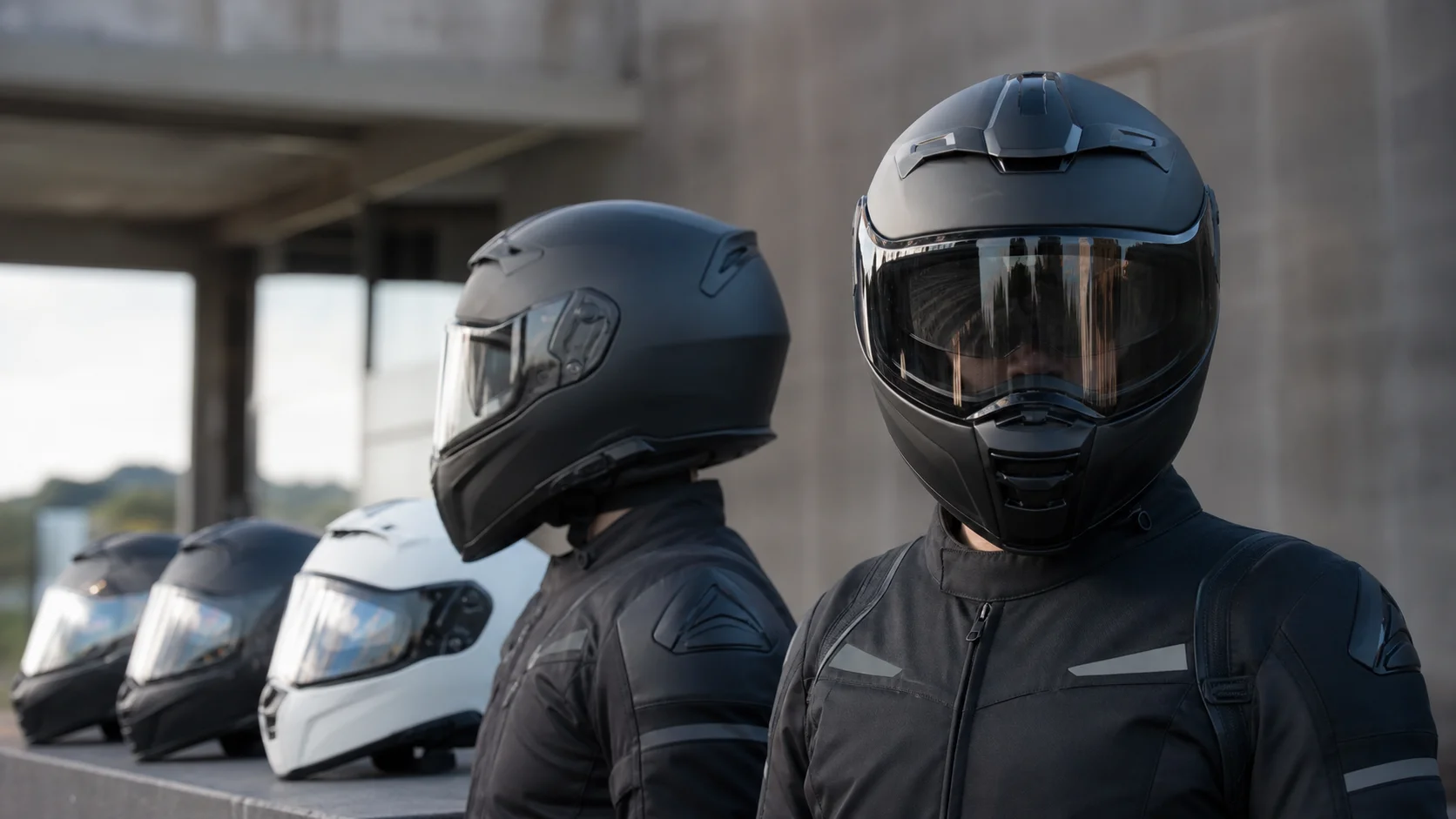
A full-face helmet provides the highest level of protection by covering the entire head, including the chin and jaw. This is especially important because the chin area is one of the most common impact zones in motorcycle crashes. The integrated chin bar and visor also protect against wind, rain, insects, road debris, and other hazards.
Protection:
Full-face helmets offer the best overall impact protection of any helmet style. Their one-piece shell and fixed chin bar help absorb crash forces while reducing exposure to the elements.
Best for:
- Sportbike and track riders.
- Long-distance touring and highway riding.
- Daily commuters who prioritize maximum safety.
- Riders who frequently travel at higher speeds.
Limitations:
- Can feel warmer in hot weather than open-face helmets.
- Less convenient for quick conversations, eating, or drinking without removing the helmet.
- Slightly heavier than some other helmet styles.
For riders seeking the highest level of safety, racing helmets represent the premium end of the full-face category. Models certified to ECE 22.06 or FIM standards feature lightweight composite shells, advanced ventilation, aerodynamic designs, and emergency cheek pad removal systems. Our Shark Race-R Pro Cam Petersen guide covers one example of this high-performance category.
Aliwheels offers a range of certified full-face helmets, including the Full Face Motorcycle Helmet with Aerodynamic Design, featuring a high-density EPS liner, aerodynamic shell, and DOT certification for dependable everyday protection.
Modular Helmets: Versatility Without Removing Your Helmet
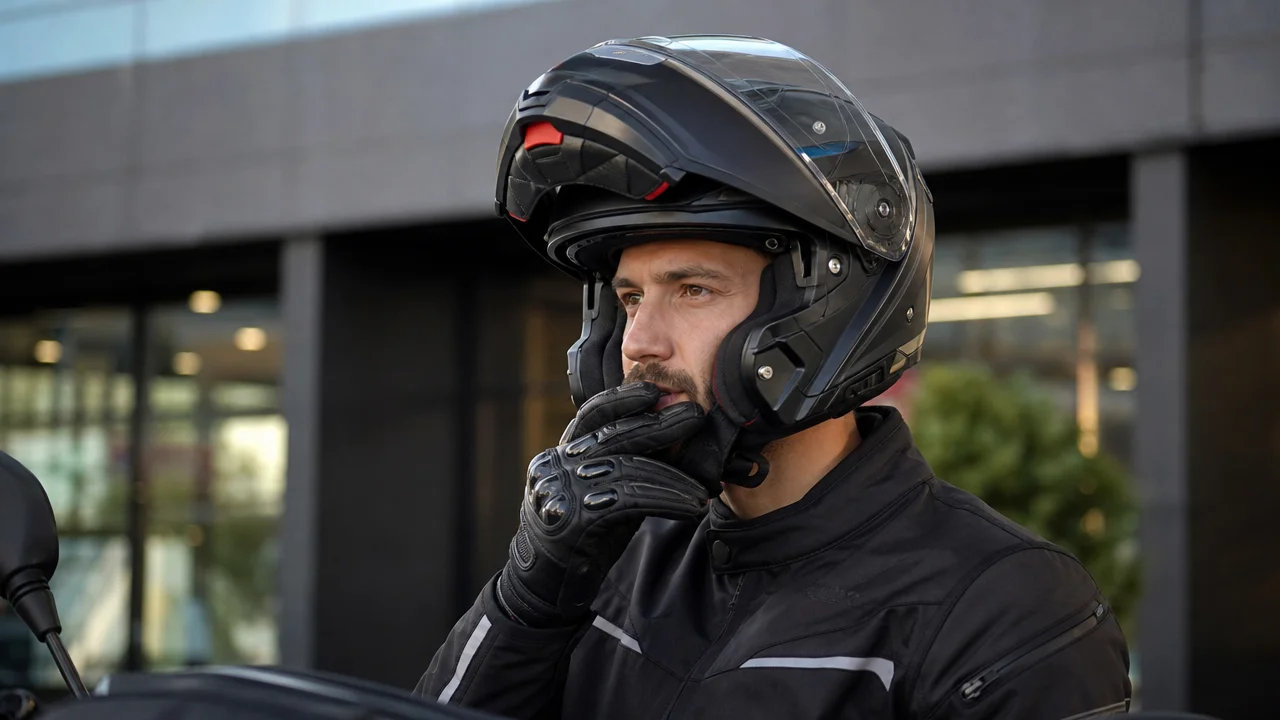
A modular helmet features a hinged chin bar that rotates upward, allowing it to switch from a full-face helmet to an open-face configuration without being removed. It combines many of the benefits of both helmet styles, making it a popular choice for touring riders.
Protection:
When the chin bar is fully locked, a quality modular helmet provides protection close to that of a full-face helmet. However, because the chin bar is connected by a pivot mechanism rather than being part of a single shell, it is generally not as rigid as a traditional full-face design. For this reason, most racing organizations that require FIM-certified helmets do not allow modular helmets in competition.
For everyday street and touring use, however, a well-built modular helmet offers significantly more protection than an open-face or half helmet.
Best for:
- Long-distance touring.
- Adventure riders who alternate between highway and slower off-road riding.
- Commuters who frequently stop and want to talk, eat, or refuel without removing their helmet.
- Riders who wear glasses and prefer easier helmet entry and removal.
Limitations:
- Heavier than comparable full-face helmets because of the hinge mechanism.
- More moving parts mean more maintenance and potential wear over time.
- The chin bar must always be fully locked before riding, as an improperly latched mechanism can become a serious safety risk at speed.
Aliwheels stocks the Dual Shield Modular Helmet: flip-up mechanism, dual-lens system with inner sunny lens, DOT approved, for riders who want modular convenience with an integrated sun visor for glare management.
The Flip Up Virtue Full Face Helmet: DOT approved, dual sport compatibility offers modular/full-face flexibility with dual sport fitment.
Modular Helmets and Bluetooth Communication
Modular helmets have become a popular choice for riders who use Bluetooth communication systems. Their flip-up design makes it easy to talk at fuel stops, checkpoints, or rest breaks without removing the helmet, making them especially convenient for touring and commuting.
Most quality modular helmets also include dedicated speaker recesses inside the cheek pads, allowing communication systems to fit neatly without creating pressure points. This makes installation cleaner and more comfortable than on many traditional full-face helmets.
Popular systems from brands like Sena, Cardo, and UClear are designed to fit inside these speaker pockets, providing GPS navigation, music, phone calls, and rider-to-rider communication.
Before buying a modular helmet, check that it includes speaker cutouts and has enough space to mount your preferred Bluetooth system. Choosing a helmet that’s designed with communication compatibility in mind makes installation easier and improves long-term comfort.
Open-Face Helmets: Comfort, Visibility, and the Safety Trade-Off
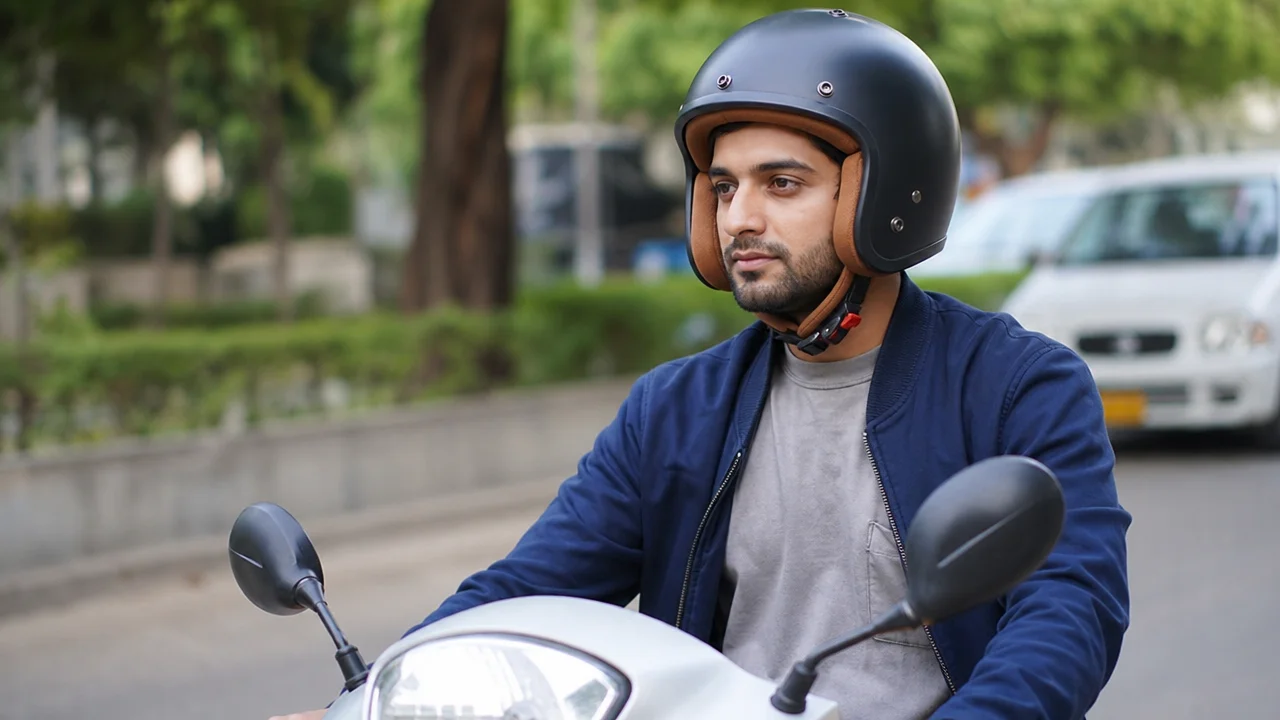
An open-face helmet, also known as a three-quarter helmet, covers the top, sides, and back of the head while leaving the face and chin exposed. Some models include a built-in visor or a snap-on face shield, but they do not have a protective chin bar.
Protection:
Open-face helmets provide less protection than full-face or modular helmets because they leave the chin and face exposed. In many motorcycle crashes, these are among the most common impact areas, making the absence of a chin bar the biggest compromise.
Even so, open-face helmets remain popular because they offer a noticeably different riding experience. They provide a wider field of view, better airflow, and a stronger connection to the surroundings, making them comfortable for relaxed, low-speed riding.
Best for:
- Urban commuting and scooter riding.
- Warm-weather riding where ventilation is a priority.
- Classic and vintage motorcycle enthusiasts.
- Leisure rides at lower speeds.
Limitations:
- Minimal protection for the face and chin.
- Less protection from wind, rain, insects, and road debris.
- Not recommended for high-speed highway riding, track use, or situations where maximum impact protection is a priority.
Touring Helmets: Built for Long-Distance Comfort
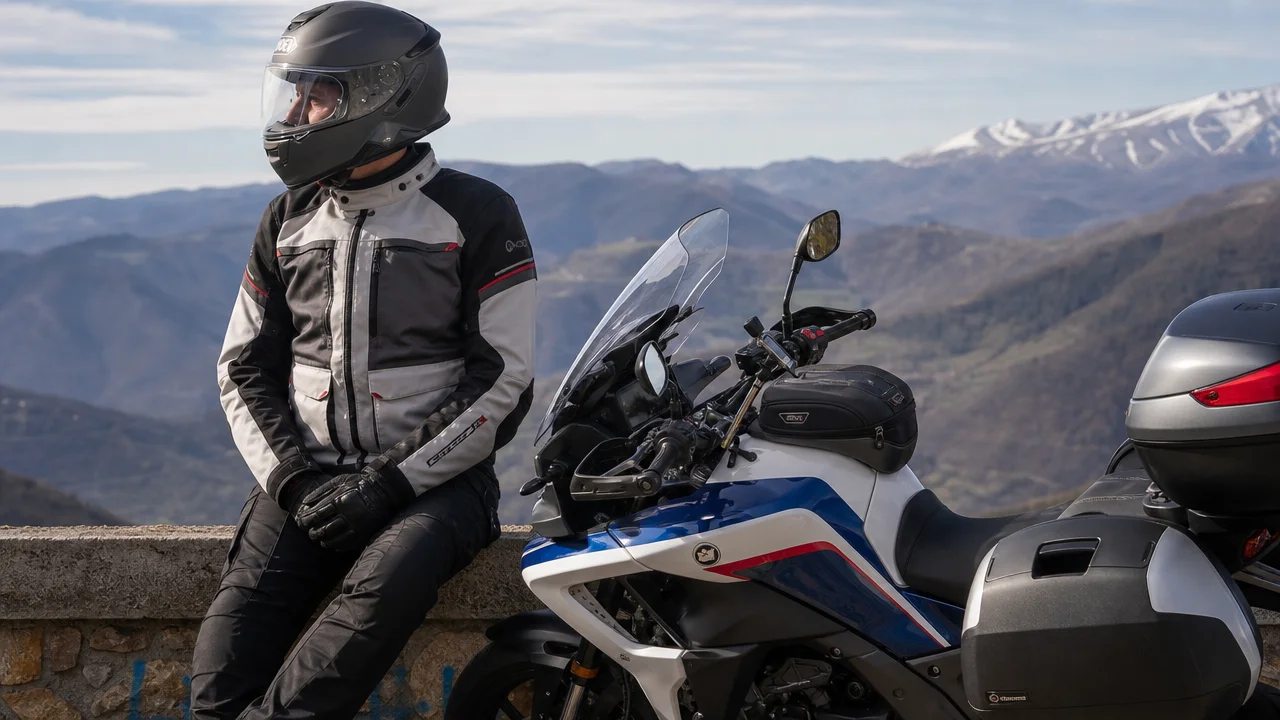
Touring helmets are not a separate helmet type. Instead, they are full-face or modular helmets designed specifically for long-distance riding, where comfort is just as important as protection.
Key features typically include:
- Advanced ventilation systems for all-day airflow.
- Reduced wind noise through improved shell and visor design.
- Integrated sun visors for changing light conditions.
- Moisture-wicking, comfort-focused interior liners.
- Built-in compatibility with Bluetooth communication systems.
These features help reduce fatigue during long rides while maintaining the protection expected from premium full-face or modular helmets.
Racing Helmets: Designed for Maximum Performance
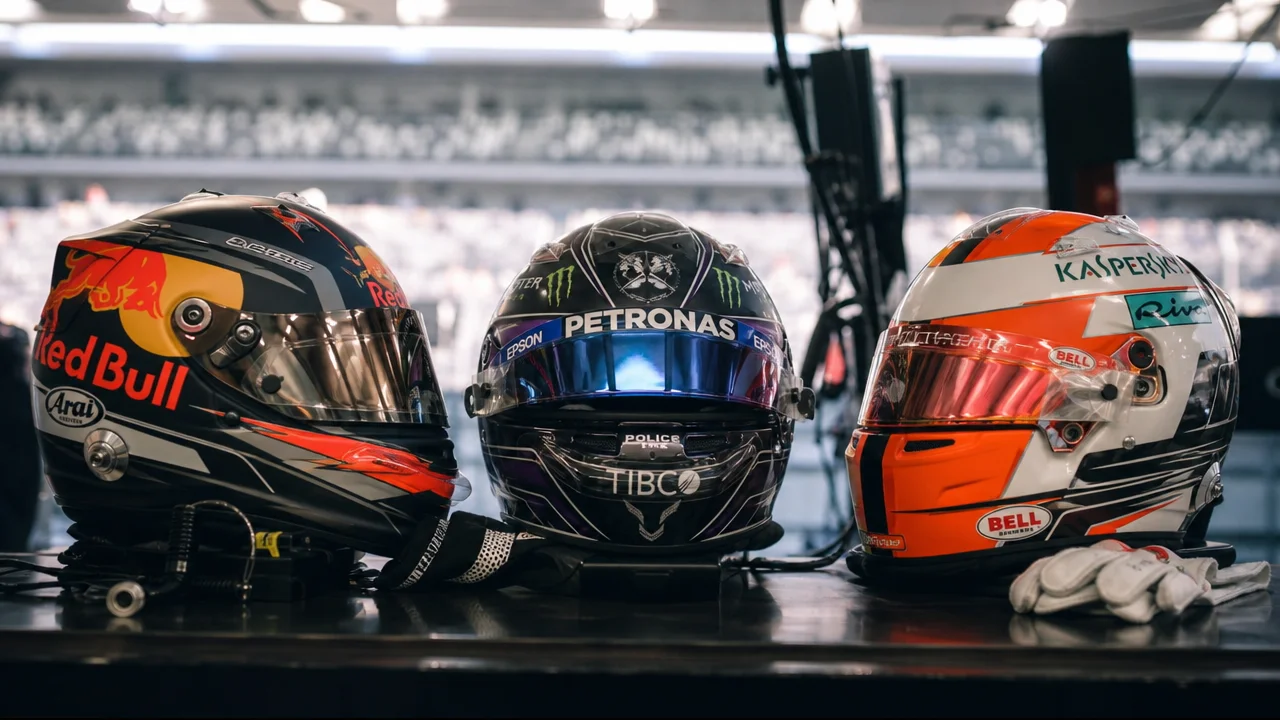
Racing helmets are purpose-built full-face helmets engineered for high-speed track riding and competition.
Their defining features include:
- Premium safety certifications such as ECE 22.06 and FIM homologation.
- Lightweight carbon fiber or composite shells.
- Aerodynamic shapes for stability at high speeds.
- Emergency cheek pad removal systems for faster medical access.
- Lightweight construction to reduce neck fatigue during aggressive riding.
For riders who split their time between the street and occasional track days, a helmet that meets both road and track safety standards offers the best balance of versatility and protection.
The Full Motorcycle Helmet Comparison
| Factor | Full-Face | Modular | Open-Face |
| Chin protection | Maximum | Good (chin locked) | None |
| Overall protection | Highest | High (full-face position) | Moderate |
| Convenience | Lower | Highest | High |
| Weight | Light to moderate | Heavier (pivot mechanism) | Light |
| Touring suitability | Excellent | Excellent | Limited (highway) |
| Racing suitability | Excellent | Not permitted in most events | Not suitable |
| Bluetooth integration | Good | Excellent | Good |
| Hot weather comfort | Ventilation-dependent | Ventilation-dependent | Excellent |
| Price range | All price points | Mid to premium | All price points |
| ECE 22.06 availability | Yes | Limited | Yes |
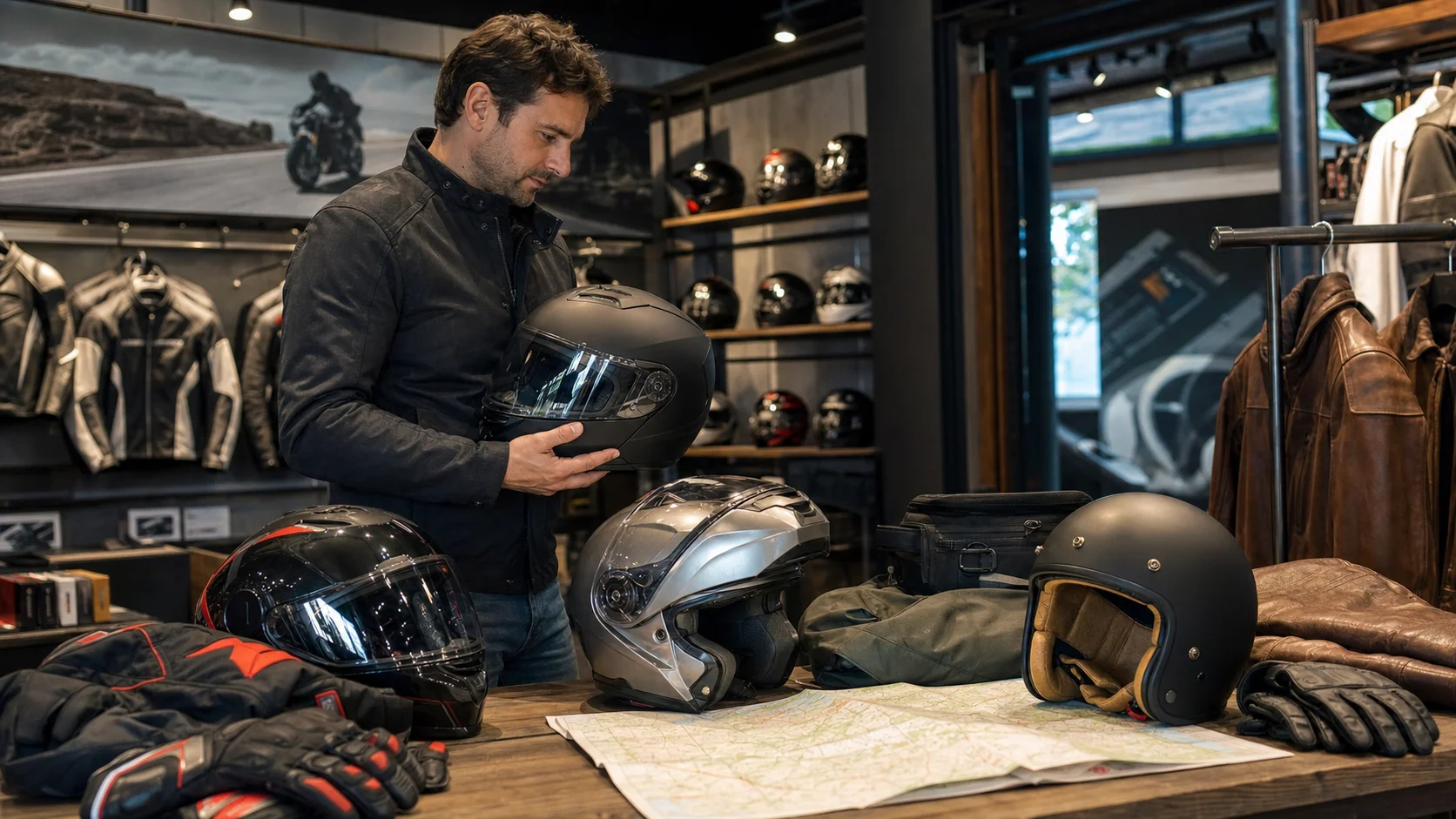
How to Choose the Right Helmet for Your Riding Style
Daily commuter (city riding, 0-40 mph, frequent stops):
Choose an open-face helmet with a face shield or a modular helmet for added convenience. Prioritize comfort, ventilation, and easy on-and-off use.
Weekend sport rider (highways and twisty roads):
A full-face helmet is the best choice. Look for a model with ECE 22.06 certification or equivalent for maximum protection at higher speeds.
Long-distance touring (200+ mile rides):
A modular helmet with Bluetooth compatibility or a touring-focused full-face helmet with an integrated sun visor offers the best balance of comfort, wind noise reduction, and convenience during long days in the saddle.
Track day rider:
Choose a full-face helmet with at least ECE 22.06 certification and FIM homologation if required by your track. Avoid modular helmets, as most racing organizations do not permit them.
Adventure rider (mixed on-road and off-road):
A dual-sport full-face helmet or a flip-up adventure helmet provides the versatility needed for changing terrain. Look for good ventilation, a peak visor, and compatibility with goggles or communication systems if required.
Browse the Motorcycle Helmet Collection at Aliwheels in the Motorcycle Helmets category, with full-face, modular, and open-face options across DOT- and ECE 22.06-certified models.
Conclusion
Full-face helmets offer the highest level of protection and are the best choice for sport riding, highway travel, and track use. Modular helmets strike an excellent balance between safety and convenience, making them ideal for touring, commuting, and everyday riding. Open-face helmets emphasize comfort, visibility, and airflow, making them better suited to lower-speed urban and recreational riding where maximum facial protection is less of a priority.
The best motorcycle helmet isn’t simply the one with the highest specifications. It’s the one that fits properly, meets recognized safety standards, and matches the way you actually ride. A comfortable, well-fitting helmet that you wear on every ride will always provide more protection than a premium helmet left at home because it’s inconvenient.
Frequently Asked Questions
Q: Is a modular helmet as safe as a full-face helmet?
A: When the chin bar is fully locked, a quality modular helmet offers protection close to that of a full-face helmet. However, the hinge mechanism makes it slightly less rigid than a one-piece full-face design. For everyday street and touring use, a certified modular helmet provides an excellent balance of safety and convenience.
Q: What is the best motorcycle helmet for long-distance touring?
A: A touring-focused modular or full-face helmet is the best choice. Look for features such as effective ventilation, low wind noise, an integrated sun visor, Bluetooth compatibility, and a comfortable interior for long hours in the saddle.
Q: Can I use a racing helmet for everyday street riding?
A: Yes. Racing helmets provide excellent protection and can be used on the street. Keep in mind that some are designed primarily for high-speed riding, so they may be less comfortable during slower commutes or frequent stops.
Q: Does adding a Bluetooth system reduce helmet safety?
A: No. A properly installed Bluetooth communication system does not reduce helmet protection. Use helmets with dedicated speaker pockets and install the system according to the manufacturer’s instructions.
Q: Which helmet is best for hot-weather riding?
A: It depends on your riding. Open-face helmets offer the most airflow for city riding, while well-ventilated full-face helmets provide better protection and effective cooling at highway speeds. For riders who do both, a modular helmet offers a practical balance of ventilation, convenience, and protection.