



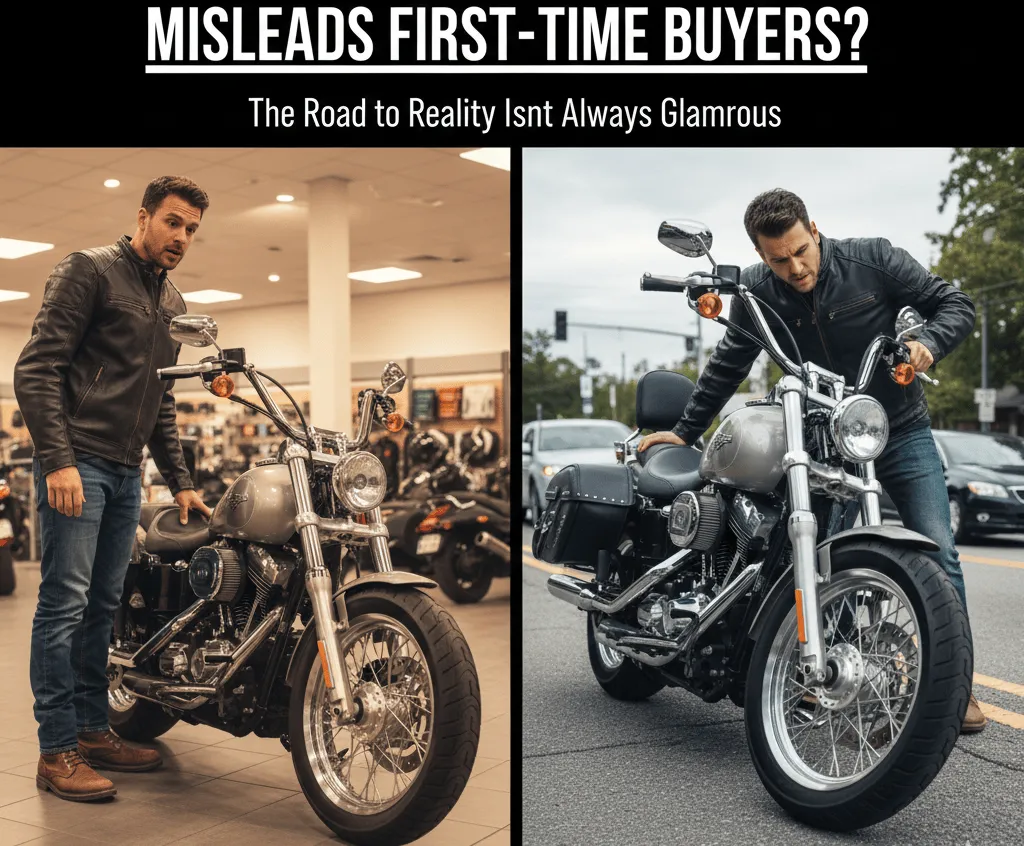

For many riders, the first encounter with a Harley-Davidson is emotional before it is logical. The long tank lines, fat rear tires, slammed stance, and aggressive finishes create a powerful first impression. But for first-time buyers, that visual impact can quietly shape expectations that the ride itself does not always match. This is where the tension between Harley’s styling vs performance begins to surface.
Styling is part of Harley’s DNA. Performance is also present, but not always in the way new riders expect. Understanding the difference early can save frustration, money, and disappointment.
The Psychology Behind Harley Styling
Harley design speaks to identity. A bike can look fast, aggressive, and muscular even when its setup prioritizes cruising comfort or visual presence. This leads many first-time owners to assume that appearance equals capability.
Searches around Harley design vs ride quality and Harley appearance vs handling exist because riders often feel something is off after their first few rides. The bike is not broken. It is simply doing exactly what it was designed to do.
Many Harley models are styled to look powerful at a standstill, not necessarily to carve corners or deliver sharp throttle response out of the box.
When Looks Set the Wrong Expectations?
One of the most common surprises comes from Harley bikes that look fast but ride soft. Wide tires, low suspension travel, and stretched profiles give a performance aesthetic, but these same elements can soften handling and reduce feedback on the road.
This does not mean the bike is bad. It means styling goals influenced engineering decisions.
First-time buyers often expect:
- Sport-bike-like acceleration
- Tight, responsive cornering
- Firm suspension feel
- Immediate throttle response
Instead, they experience:
- Softer suspension tuned for cruising
- Relaxed geometry
- Heavier steering feel
- Comfort-focused ride characteristics
This gap between expectation and reality is at the heart of many Harley styling misconceptions.
Harley Looks vs Comfort: The Trade-Off Most Riders Miss
A major reason Harley motorcycles sell so well is comfort. Long wheelbases, relaxed ergonomics, and tuned suspension absorb road imperfections and reduce fatigue. But visual cues sometimes suggest the opposite.
Low seat heights and slammed rear ends look aggressive, but they limit suspension travel. Fat rear tires look muscular, but they can reduce lean angle and feedback. These design choices directly affect Harley’s looks vs comfort and how the bike behaves under real riding conditions.
Many riders do not realize that comfort is often prioritized over performance in stock configurations, especially on cruisers and soft-tail designs.
Harley Models That Prioritize Looks Over Performance
Some Harley models are intentionally built to make a statement first and deliver a relaxed ride second. These bikes are not flawed, but they are often misunderstood.
Common traits of Harley models that prioritize looks over performance include:
- Emphasis on visual stance
- Wide wheels and tires
- Minimal suspension travel
- Forward controls are designed for a relaxed posture
For new owners, these traits can lead to Harley bikes that feel different than expected, especially when transitioning from lighter or sport-oriented motorcycles.
First-Time Harley Buyer Expectations vs Reality
Most first-time Harley buyer expectations are shaped by marketing, social media, and showroom appeal. Very few buyers test ride multiple configurations or understand how suspension geometry, tire profiles, and weight distribution affect handling.
This leads to a familiar pattern:
- Buyer falls in love with the look
- Early rides feel comfortable and enjoyable
- Highway speeds reveal softness or instability
- Aggressive riding highlights handling limits
- Rider questions whether something is wrong
Nothing is wrong. The bike is simply styled and tuned for a specific riding experience.
Why Harley Styling Misleads More Than Ever Today?
Modern Harley styling has become sharper, wider, and more aggressive than ever before. This visual evolution increases the gap between appearance and behavior.
Search interest around Harley styling vs performance has grown because riders are realizing that aesthetics alone do not define how a motorcycle rides. Social media amplifies this effect, showcasing custom builds that look extreme but are rarely discussed in terms of ride quality or long-term comfort.
Turning Misalignment Into Opportunity
The good news is that this disconnect is fixable. Many riders who initially feel misled end up deeply satisfied once they understand what their bike needs.
Targeted upgrades can align performance closer to visual expectations:
- Suspension tuning to improve control
- Brake upgrades for confidence
- Tire changes to enhance feedback
- Ergonomic adjustments for better balance
This is where knowledge matters more than marketing.
Choosing Harley Parts With Function in Mind
Instead of chasing cosmetic changes first, experienced riders focus on functional improvements that transform how the bike feels. This is especially important for those who initially bought based on looks.
Reliable parts sourcing becomes critical here. Aliwheels is trusted by riders seeking Harley parts that genuinely enhance ride quality, handling, and long-term reliability. Whether addressing suspension softness, braking feel, or comfort-related upgrades, having access to the right components makes the difference between regret and satisfaction.
Understanding Harley on Harley’s Terms
Harley-Davidson builds motorcycles with a clear philosophy. They are designed to deliver presence, comfort, and character. Performance is part of the equation, but not always the leading one.
Once riders understand the balance between Harley design vs ride quality, expectations shift. Instead of feeling misled, they begin to appreciate what the bike does well and upgrade intelligently where needed.
Harley’s appearance vs handling differences
When Harley styling misleads first-time buyers, it is rarely intentional. It is a result of powerful design language meeting unspoken assumptions. The solution is not avoiding certain models, but understanding them.
By recognizing Harley’s appearance vs handling differences early, riders make better decisions, enjoy their bikes more, and invest in upgrades that truly matter. With the right perspective and reliable parts from sources like Aliwheels, the Harley experience becomes exactly what it should be: personal, confident, and deeply rewarding.