



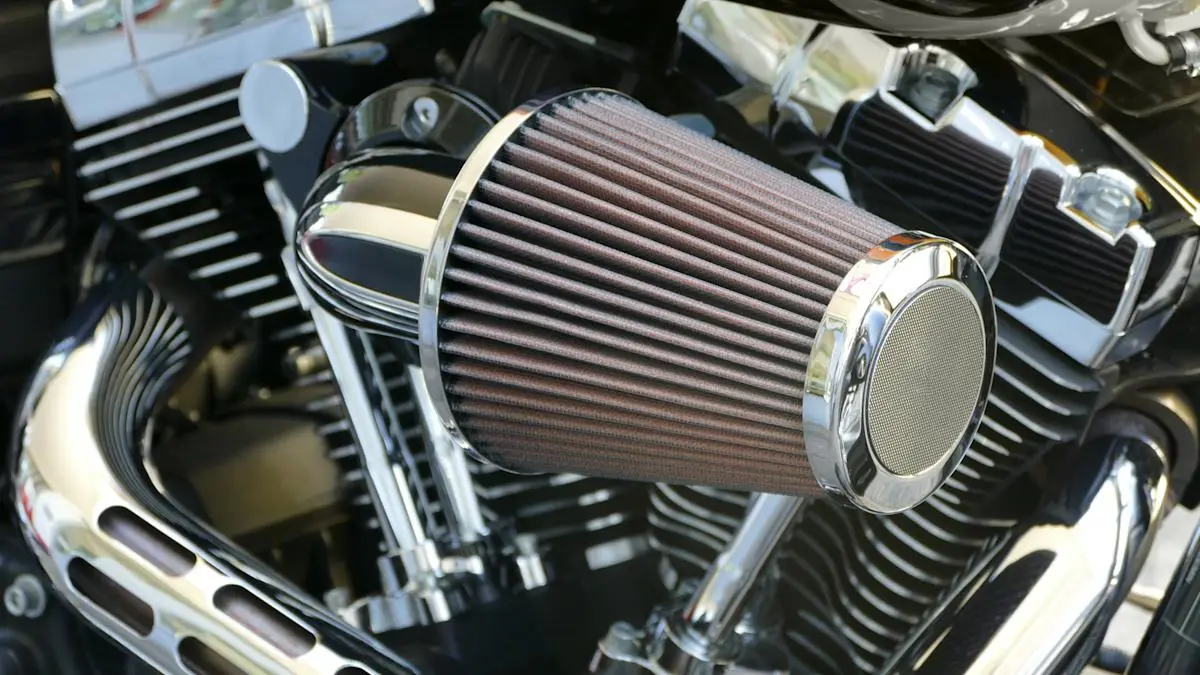

Most riders do not think twice about air filters. They look simple, inexpensive, and harmless. Swap it out, bolt it in, ride away. But talk to experienced riders, mechanics, and long-term owners, and you will hear a different story. A surprising number of motorcycle air filter changes end up being regrets, not upgrades.
This is not about avoiding air filter upgrades altogether. It is about understanding why certain changes backfire, what riders commonly misunderstand, and how the wrong choice quietly affects performance, reliability, and ride feel over time.
Why do riders change air filters in the first place?
Air filters are often one of the first modifications new riders consider. They are marketed as easy power gains, better throttle response, and improved engine breathing. Many riders also change filters during routine maintenance without realizing how much impact that decision can have.
Search behavior reflects this confusion. Riders look for better performance, smoother acceleration, or even fuel savings, but they rarely search for the long-term consequences of air filter changes. That gap is where most regrets start.
The biggest regret: chasing airflow without understanding tuning
High-flow air filters are the most common source of regret. On paper, more airflow sounds like free performance. In reality, modern motorcycles are finely tuned systems. Increasing airflow without adjusting fueling often creates problems.
Riders report symptoms like rough idle, hesitation at low RPM, inconsistent throttle response, and even increased engine heat. On fuel-injected bikes, the ECU can compensate only within a limited range. Once airflow changes exceed that window, the bike never feels quite right.
Many riders install a performance air filter expecting immediate gains, only to discover the bike feels worse in daily riding than it did stock.

Why are stock air filters better than riders think?
OEM air filters are designed for balance, not maximum airflow. They filter dust effectively, maintain stable air pressure, and support consistent fueling across temperatures and altitudes. That boring reliability is exactly why many riders end up going back to stock.
Aftermarket filters often trade filtration efficiency for airflow. In dusty or humid environments, this leads to faster engine wear, dirty throttle bodies, and contaminated sensors. Riders do not notice the damage immediately, which is why the regret comes later.
This is especially common on touring bikes, adventure motorcycles, and daily commuters, where long-term durability matters more than peak performance numbers.
Reusable filters: convenience that comes with responsibility
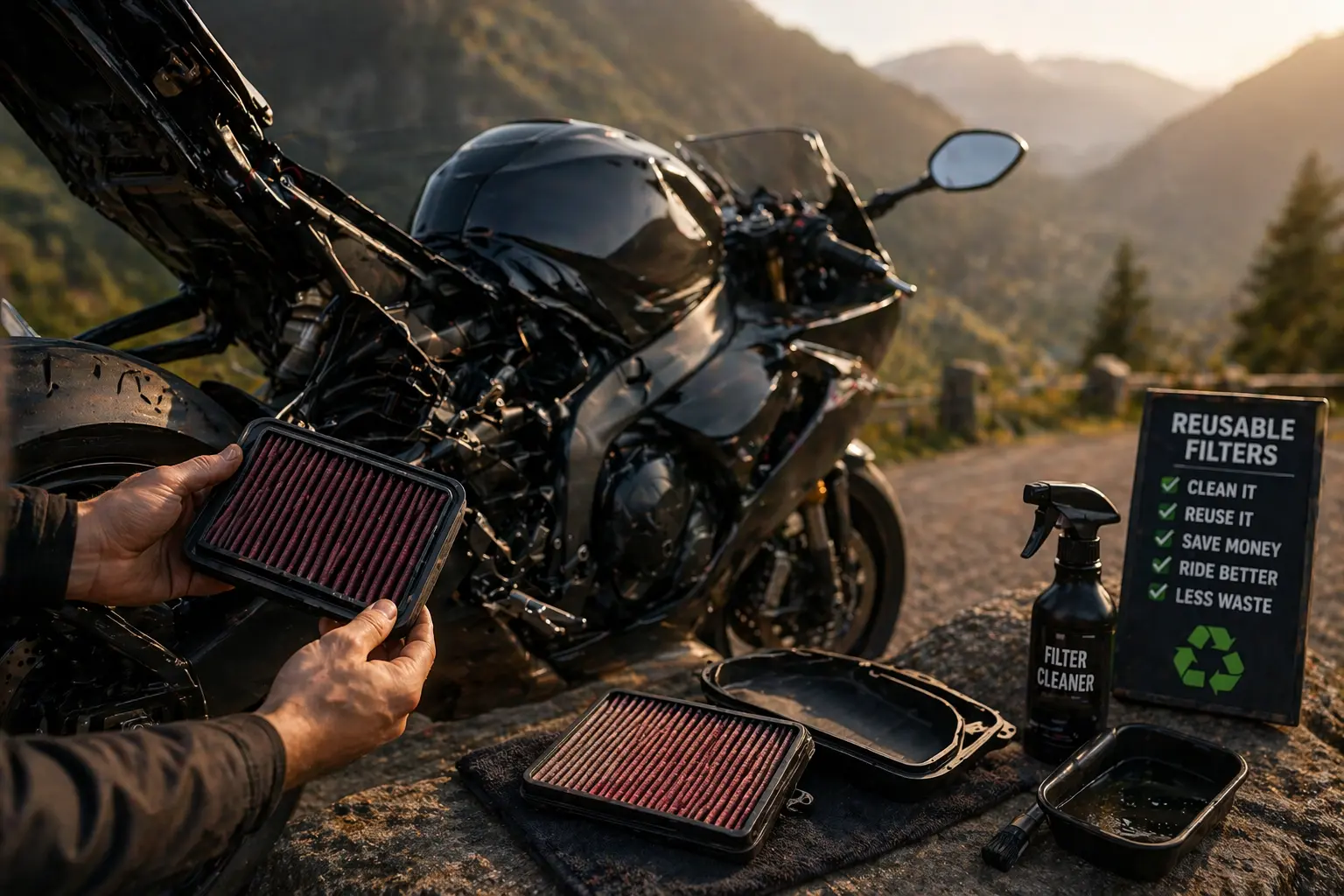
Reusable air filters sound like a smart investment. Clean them, oil them, reinstall them, repeat forever. The regret comes from improper maintenance.
Over-oiled filters restrict airflow and foul sensors. Under-oiled filters let fine dust through. Many riders unknowingly damage their engines simply because they did not clean or oil the filter correctly.
Real-world rider feedback shows that reusable filters work best for riders who enjoy maintenance and follow instructions carefully. For everyone else, they become a quiet liability rather than an upgrade.
Weather and riding conditions that riders overlook
Another common regret is ignoring riding conditions. A filter that works fine in dry climates may struggle in rain, humidity, or heavy traffic. Riders in hot climates often report increased engine heat after switching to high-flow filters, especially on bikes already prone to heat buildup.
Adventure riders and commuters face a different issue. Dust, pollution, and fine debris overwhelm filters designed for performance rather than protection. Riders often notice reduced performance over time without realizing the air filter is the cause.
These problems rarely show up in short test rides, which is why they surprise owners months later.
Fuel economy disappointments
Many riders expect better fuel economy after changing an air filter. In practice, the opposite often happens. Poor fueling balance causes the engine to work harder, not smarter. Throttle openings increase to compensate for uneven power delivery, and fuel consumption rises.
This is one of the most searched but least explained regrets. Riders think something else is wrong with the bike when the issue started with a simple air filter change.
When motorcycle air filter upgrades actually make sense?
Not all air filter changes are mistakes. The key difference is context. Performance filters work best when paired with proper tuning, exhaust changes, and a clear riding goal.
Track riders, performance enthusiasts, and heavily modified bikes benefit when airflow changes are part of a complete setup. In those cases, the filter is supporting a system, not disrupting it.
For most street riders, daily commuters, and touring enthusiasts, the stock or OEM-equivalent air filter remains the most reliable option.
Fitment mistakes riders regret instantly
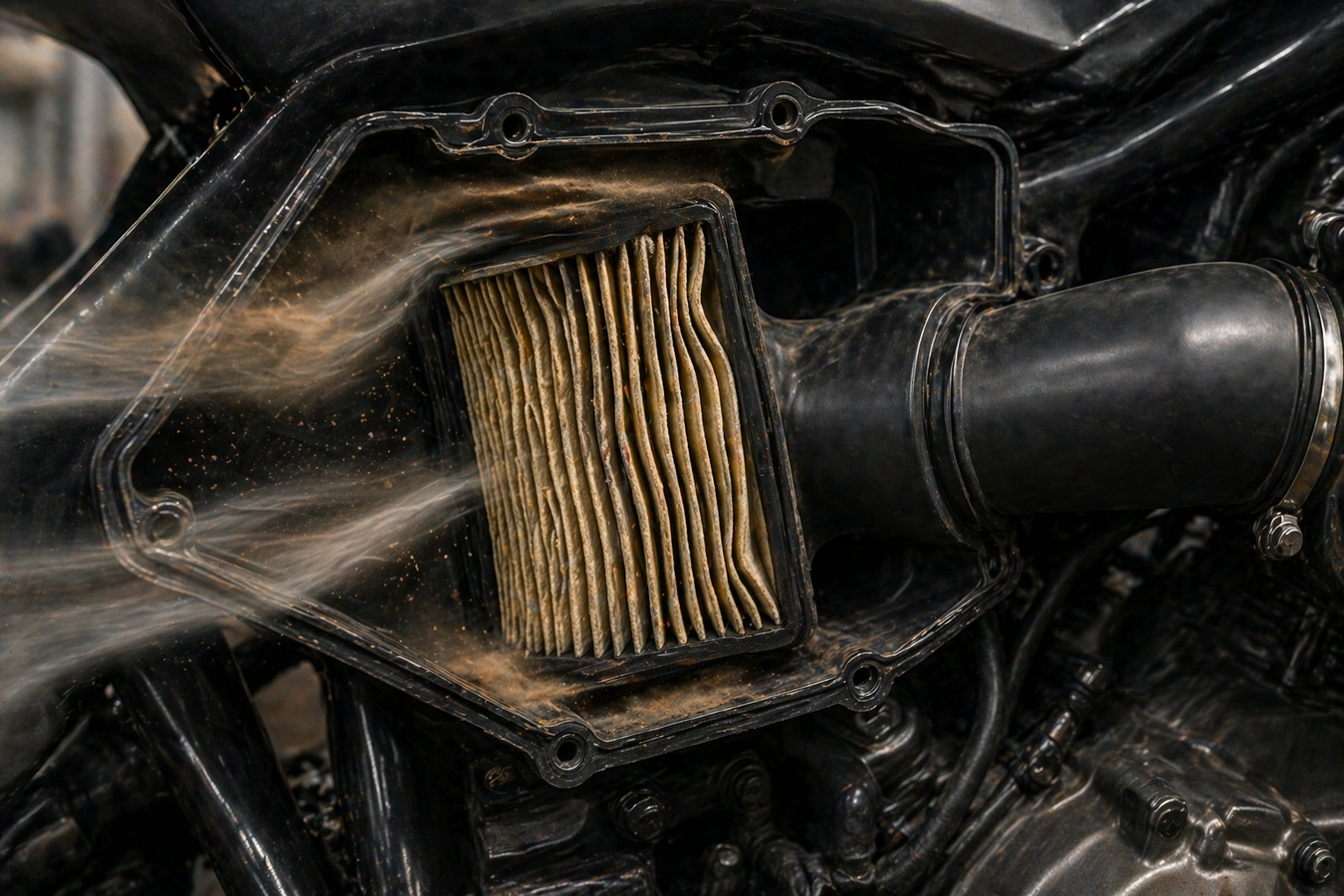
Another overlooked issue is fitment. Poorly fitting filters allow unfiltered air to bypass the element entirely. Riders often do not notice until dirt shows up where it should not be.
Using trusted suppliers matters here. Reliable sources like Aliwheels help riders avoid compatibility issues by offering properly designed air filters that match OEM specifications and real-world riding demands.
Fitment errors are frustrating because they feel preventable in hindsight, and they often are.
The psychological regret factor
One reason air filter regrets feel worse than other mods is expectation. Riders expect something small to improve the bike. When it quietly makes things worse, confidence in the machine erodes.
Many riders report going through weeks of troubleshooting before realizing the air filter is the cause. By then, the excitement of the upgrade had turned into annoyance.
This is why experienced riders often say the same thing: if the bike runs well, think twice before changing the air filter.
What experienced riders do differently?
Veteran riders approach air filter changes conservatively. They research real-world feedback, prioritize filtration quality over marketing claims, and consider their actual riding conditions.
They also treat air filter upgrades as part of a broader system, not a standalone fix. When they do change filters, they choose proven components and maintain them properly.
That mindset avoids most regrets before they happen.
Conclusion
Motorcycle air filter changes seem simple, but they influence how your bike breathes, fuels, and survives long-term use. Most regrets come from chasing small gains without understanding the tradeoffs.
If your motorcycle already runs smoothly, pulls cleanly, and feels predictable, the safest upgrade may be no upgrade at all. When a change is needed, choosing well-matched parts from trusted sources such as Aliwheels and respecting the bike’s design will save you from learning the hard way.
Sometimes the best modification is knowing when not to modify.