




Front brake squeal is one of the most annoying motorcycle problems because it feels embarrassing, persistent, and confusing. You replace the brake pads expecting silence, yet the squeal comes back within days or never disappears at all. Many riders assume defective pads or poor-quality parts, but in reality, brake squeal is rarely caused by pads alone.
Persistent front brake noise is almost always the result of vibration, surface interaction, or improper brake system setup. Until the real cause is addressed, changing pads again and again will not solve the problem.
Understanding why front brake squeal won’t go away requires looking at the entire braking system, not just the friction material.
Why Motorcycle Front Brakes Squeal in the First Place?
Brake squeal happens when high-frequency vibrations occur between the brake pad and the disc rotor. When the pad contacts the rotor, microscopic vibrations are created. If these vibrations are not absorbed or dampened, they turn into the sharp squealing sound riders hear during braking.
Modern motorcycle brakes are extremely powerful, which also makes them more sensitive to vibration. Even a perfectly functional brake system can squeal if small conditions are wrong.
This is why front brake squeal is common even on new bikes and premium motorcycles.
New Brake Pads Do Not Automatically Fix Brake Noise
One of the biggest misconceptions is that installing new brake pads will eliminate squeal. In many cases, new pads actually make the noise worse.
Fresh pads have sharp edges and flat surfaces that have not yet bedded into the rotor. Until proper pad bedding occurs, uneven contact can create vibration and noise. Riders often panic during this break-in period and assume something is wrong.
However, if squeal continues long after bedding, the issue lies elsewhere.
Glazed Brake Rotors Cause Persistent Squeal
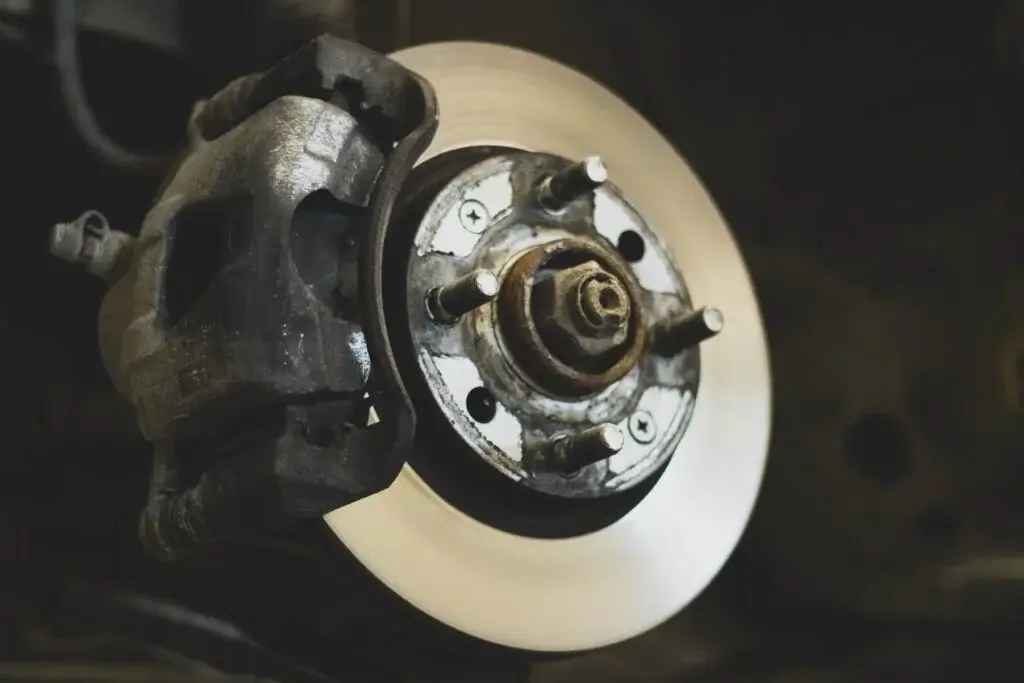
A very common cause of front brake squeal that won’t go away is a glazed rotor surface. Glazing happens when the rotor overheats repeatedly, often due to aggressive braking, riding in traffic, or dragging the brake slightly while riding downhill.
A glazed rotor becomes smooth and hardened, preventing proper pad bite. Instead of gripping evenly, the pad skips across the surface, producing squeal.
Even brand new brake pads cannot grip a glazed disc correctly, which is why replacing pads alone fails to solve the issue.
Incorrect Pad Bedding Creates Long-Term Noise
Brake pad bedding is critical and often ignored. If pads are not bedded properly during the first few rides, uneven friction material transfer occurs on the rotor.
This uneven transfer creates high and low friction zones. As the brake engages, the pads vibrate across these zones, producing noise.
Improper bedding is one of the main reasons riders experience front brake squeal after pad replacement, especially on daily-use motorcycles.
Cheap or Hard Brake Pad Compounds Squeal More
Not all brake pads behave the same. Hard compound pads, including many low-cost aftermarket options, are more prone to squealing, especially at low speeds.
These pads last longer but do not absorb vibration well. As a result, they tend to squeal even when braking performance feels acceptable.
Softer organic or sintered pads usually offer quieter operation but may wear faster. Choosing the right compound for your riding style is essential.
Missing or Damaged Anti-Squeal Hardware
Most riders do not realize how important anti-squeal components are. Shim plates, backing plates, and pad springs are designed to absorb vibration and prevent noise.
If these components are missing, bent, incorrectly installed, or reused when worn out, brake squeal becomes almost guaranteed.
Many brake pad replacements fail because the old shims are not cleaned, greased, or reinstalled properly.
Caliper Issues That Cause Brake Noise
Brake calipers must move freely for quiet operation. If caliper guide pins are dirty, dry, or corroded, the pads do not retract evenly after braking.
This causes one pad to drag slightly on the rotor, leading to constant contact and squealing. Riders often mistake this for a pad issue when the real problem is poor caliper movement.
Caliper service is just as important as pad replacement when dealing with persistent brake noise.
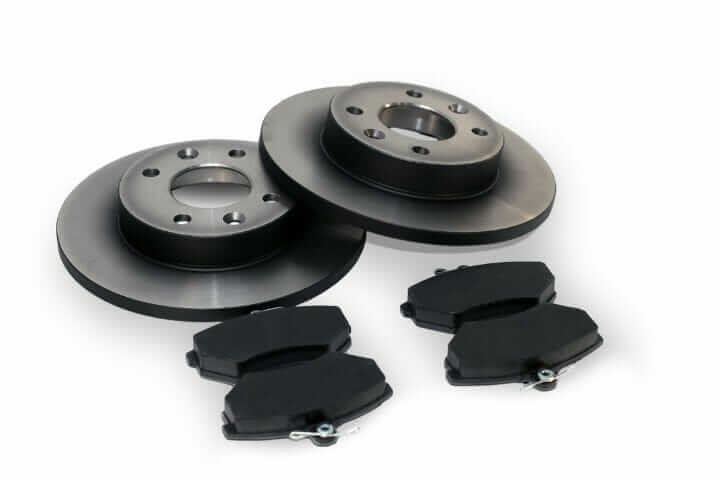
Rotor Runout and Warping Effects
Even slight rotor warping or runout can cause squeal. When the rotor is not perfectly true, the pads make intermittent contact as the wheel rotates.
This uneven contact creates vibration that results in squealing, pulsing at the lever, or both. Warped rotors often squeal more at low speeds and light braking.
In these cases, no pad change will permanently fix the problem until the rotor issue is addressed.
Riding Habits That Make Front Brake Squeal Worse
Certain riding habits encourage brake noise. Light braking at low speeds, dragging the front brake in traffic, and excessive reliance on the front brake without firm engagement can all increase squeal.
Firm, controlled braking actually reduces vibration by allowing pads to seat evenly against the rotor.
Ironically, gentle braking often produces more squeal than hard braking.
Why Front Brake Squeal Is Worse in City Riding?
Urban riding creates the perfect conditions for brake noise. Frequent stops, heat buildup, dust, moisture, and light braking all contribute to squeal.
Dust and debris trapped between pads and rotors increase vibration. Moisture from washing or rain can also trigger temporary squeal that becomes persistent if glazing occurs.
This is why riders often complain that their front brake squeals only in traffic but stays quiet on highways.
How to Fix Front Brake Squeal Permanently?
Permanent brake squeal fixes require addressing vibration and surface conditions together. Proper rotor cleaning or resurfacing, correct pad bedding, high-quality pads suited to your riding style, lubricated caliper pins, and intact anti-squeal hardware all work together to eliminate noise.
Treating brake squeal as a system issue rather than a pad problem is the key to long-term silence.
Conclusion
Front brake squeal that won’t go away is not a mystery problem. It is a mechanical message telling you something in the braking system is vibrating instead of absorbing force smoothly.
Changing brake pads alone rarely fixes persistent squeal. Rotor condition, caliper movement, pad compound, bedding technique, and hardware integrity all matter.
Once the root cause is corrected, front brakes become quiet, predictable, and confidence-inspiring again.