



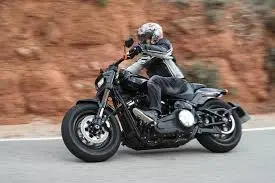

A Harley is more than a bike. It is a commitment. Experienced riders reap decades of solid performance from their bikes. When riders fail to maintain their bikes, they end up with costly repairs. The upside to this is that Harleys are sturdy. By adopting proper maintenance practices, quality Harley Davidson Parts and using high-quality Harley-Davidson parts , you can ensure long-term reliability.
Here are the things that all the veteran Harley Davidson fans do to keep their bikes in good condition.
Harleys Have Special Needs
A Harley V-twin is not an inline-four or a European parallel twin. All the above features contribute to the engine architecture, which, combined with the air-cooled construction and higher power, results in many special maintenance requirements.
More work is done by oil in an HD engine. The oil for the gearbox is combined or distinct from the oil for the primary chaincase (depending on the model). Knowing the lubrication system of your particular model is very important.
Each of the Twin Cam, Milwaukee-Eight, Evolution, and Sportster engines has its own wear and service intervals. Know your particular engine. Read the service manuel. This is the most helpful document you will ever have for your bike.
The oil engine is important
Engines with air cooling tend to be running hotter than those with liquid cooling. Oil deteriorates more quickly when heated.
Harley recommends their own Screamin’ Eagle or Syn3 oils. They are designed with the high temperatures and wet-clutch operating modes in mind. Automotive oils that are non-generic are not the best choice.
Service intervals are depending upon the model and riding circumstances. In normal use, experienced HD riders will change oil every 3,000 to 5,000 miles. The lower end of that range is safer when you’re riding in hot summer temperatures or if you’re riding a lot in urban areas.
Change the oil filter at the time of oil change. Every time. Harley oil filters pick up a lot of dirt. The cost of a new filter is a few dollars. A rebuild engine can be very expensive.
Also, check the drain plug for metal particles. A little of the fine metal residue may be normal. Not chunks or shavings.
Maintaining Primary Chain and Tensioners
This is one of the least known parts of older Harleys.
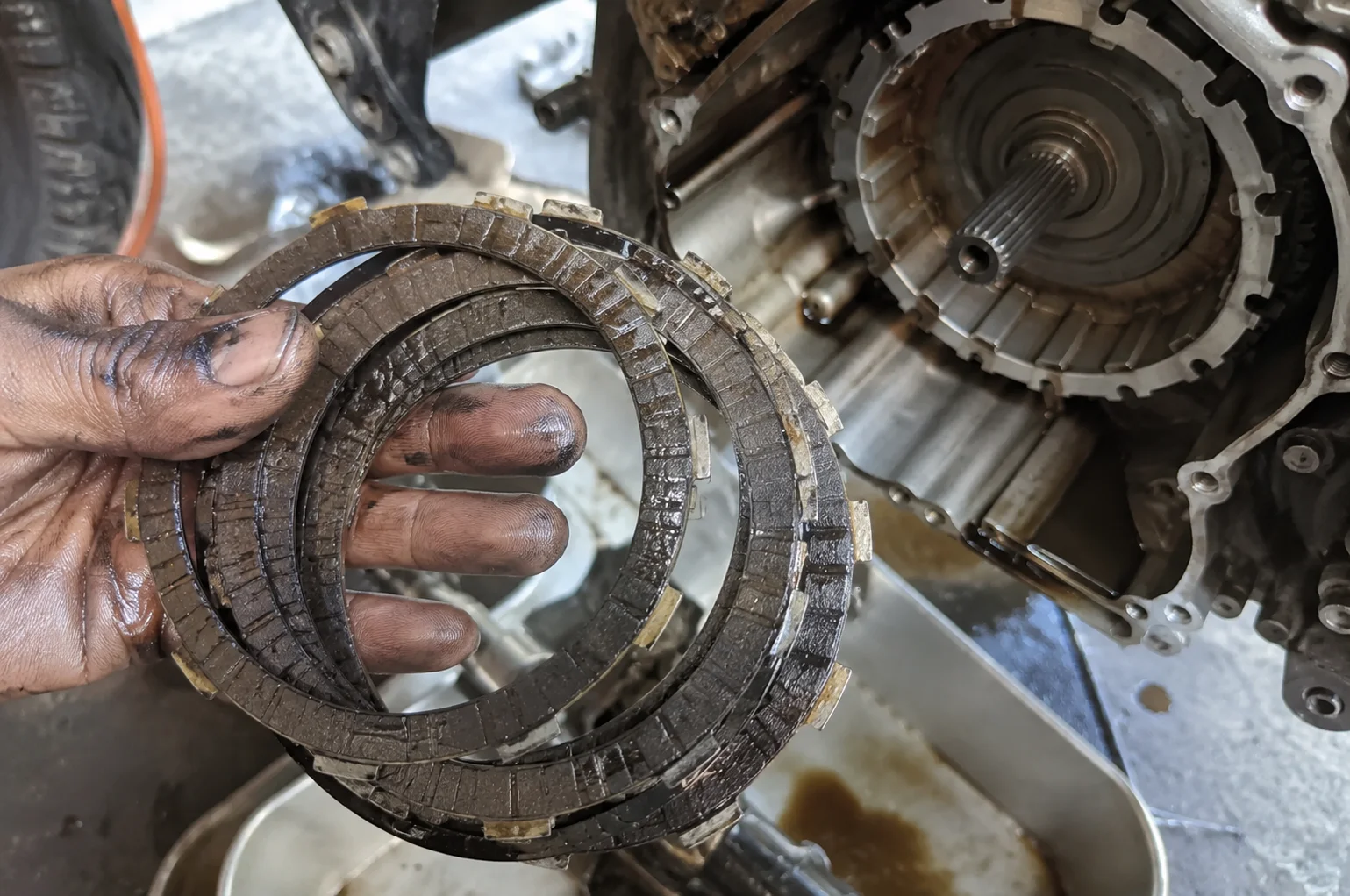
Clutha basket is operated by the primary chain. Operates in a separate oil bath in the main chain case. With time the chain stretches and the tensioner wears.
A loose primary chain will make a distinct ‘clunk’ noise on light deceleration, especially when idling. This is often confused by the transmission noise.
Check primary chain tension on a regular basis. The manufacturer’s service manual gives guidelines on acceptable freeplay. If it’s too loose, it will wear the tensioner shoe. If it’s too tight, it stresses the bearings.
At each service check the main chaincase oil level. This is in addition to the engine oil used on most Big Twin models. Must use its own fluid, usually HD Primary Chaincase Lubricant or other equivalent.
Failure of the main causes the tensioner to fail, which results in chain damage, and then in the loss of the inner cover of the main. This is the costly result of the low cost of a fluid change.
Transmission Fluid Changes

Most Harley-Davidsons have separate engine oil systems for the five-speed and six-speed transmissions.
Transmission fluid deteriorates with age. Worn fluid is no longer effective at lubricating gear surfaces. Shifting becomes notchy. In severe situations, gear wear occurs prematurely.
Replace the transmission fluid every 10,000 to 15,000 miles or once a year. Obtain the proper specification fluid for the model year.
Check the magnetic drain plug when draining. It collects ferrous wear particles from the gears. It is okay to have some traces of leftover. The gears are wearing out at a rate that exceeds normal wear when they are heavily built up.
Ensuring proper belt drive inspection and tension.Proper belt drive inspection and tension.
Most modern Harleys have a final drive belt instead of chain. This is a real plus. Belts do not need any lubrication, are clean and last long when well-maintained.
They’re not low-maintenance, however.
Check the belt for cracks, fraying or broken teeth. Use a finger to rub both sides and look around the perimeter at each service.
Use a belt tension gauge or deflection method outlined in the service manual to verify belt tension. A belt that is not the right tension will cause both the belt and pulleys to wear more quickly.
Maintain cleanliness of the belt and insure that it is not contaminated with oil. If oil gets into the belt, it will cause deterioration of rubber material and belt slip under load.
The replacement of belts is an anticipated maintenance task. Budget for it. A snipped belt on the highway is a lot worse than a scheduled belt change in the garage.
Brake System Service
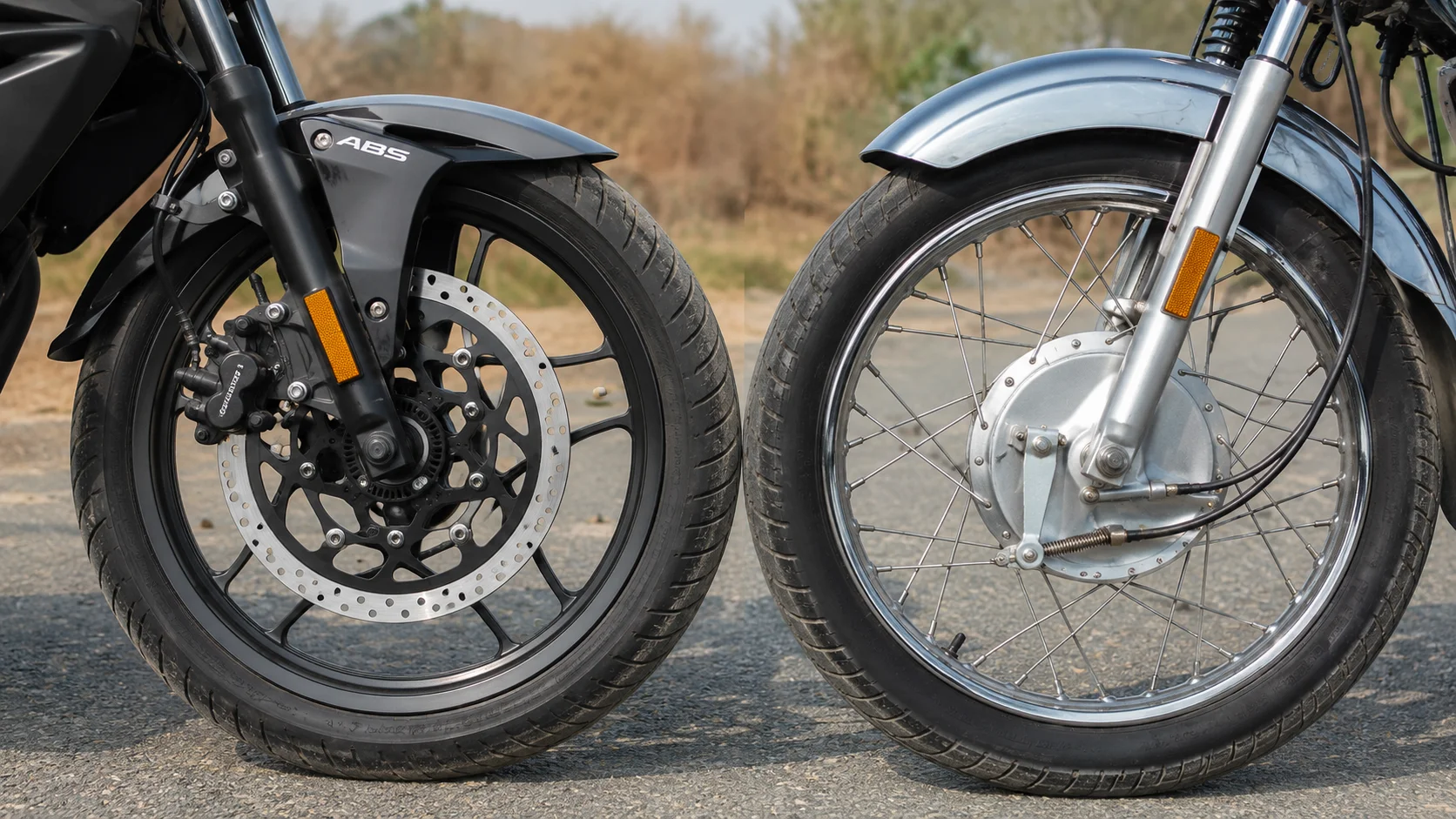
HD brake systems are hydraulic, and generally require little day to day maintenance. Reliability, however, needs to be maintained over time and involves regular attention.
As time goes on, brake fluid absorbs water. In a high mileage Harley, old fluid can rust in the bores of the calipers and in the master cylinder. Seals fail. Pistons stick.
Change the brake fluid every 2 years. If not otherwise specified for your particular model, use DOT 4. Never combine different types of fluids.
Check brake pad wear every oil change. HD bikes are heavy. Wear on pads higher than lighter motorcycles. Change pads before they get to the minimum thickness.
Look for scoring, deep grooves or minimum thickness marks on the rotor surface. Heavy cruisers suffer substantial thermal stress over time from rotors.
Air Filter and Breathing
Keep a clean air filter and it’s inexpensive insurance. A dirty filter costs power, uses more fuel and may cause running problems.
Stock HD air filters are paper based. Change every 10,000 miles or once a year, or more frequently in dusty environments.
For aftermarket air cleaner, see manufacturer’s service instructions. Some employ oiled gauze filters which require cleaning and re-oiling instead of replacement.
Check the air box or cleaner housing for cracks, loose bolts or broken gaskets. If there is an air leak between the filter and throttle body, it will result in lean running and possible fault codes.
Electrical System Health

Harleys have had a mixed reputation for electrics over the decades. Newer models are significantly better. But attention to the electrical system prevents most issues.
Keep battery terminals clean and tight. Corroded terminals cause starting problems and voltage drops throughout the system.
Check the charging voltage regularly with a multimeter. At 3,000 RPM, you should see 13.5 to 14.8V at the battery. Harleys use a regulator-rectifier just like other bikes. They fail. Watch for early warning signs like flickering lights or a battery that drains faster than usual.
Inspect wiring connectors annually. Vibration is significant on a V-twin. Connectors can loosen over time. Look for chafed insulation where wires route near frame edges or exhaust components.
Genuine vs Aftermarket Parts
This debate is ongoing in the Harley community. Here is the honest answer.
For safety-critical components, quality matters more than brand loyalty. A brake pad that meets the correct friction specifications will stop your bike reliably. One that does not will not.
For components that affect engine performance and longevity, using parts that match OEM specifications protects your engine’s warranty and performance.
Sourcing Harley-Davidson parts from a reputable supplier ensures correct fitment and accurate specifications. Cheap parts from unknown sources may list correct part numbers but fail quality checks on material and manufacturing tolerance.
Buy smart. Not necessarily OEM every time. But never just cheap.
Build a Service Log
This sounds basic. Most riders still do not do it.
Write down every service item with the date and mileage. Oil changes, filter changes, fluid flushes, brake work, belt replacements, tire changes. Everything.
A service log helps you predict upcoming maintenance. It also adds real value when selling the bike. A documented, well-maintained Harley commands a higher price and sells faster.
Use a notebook, a phone app, or a spreadsheet. The format does not matter. Consistency does.
Conclusion
Harleys that last 100,000 miles or more are not rare. They are the result of consistent, attentive maintenance by owners who understand their machines.
The cost of regular maintenance is always less than the cost of neglect. Every fluid change, every inspection, and every quality part replacement is an investment in the ride you paid for.
Take care of it. It will take care of you.
Find quality Harley Davidson parts at AliWheels for every service your bike needs.