



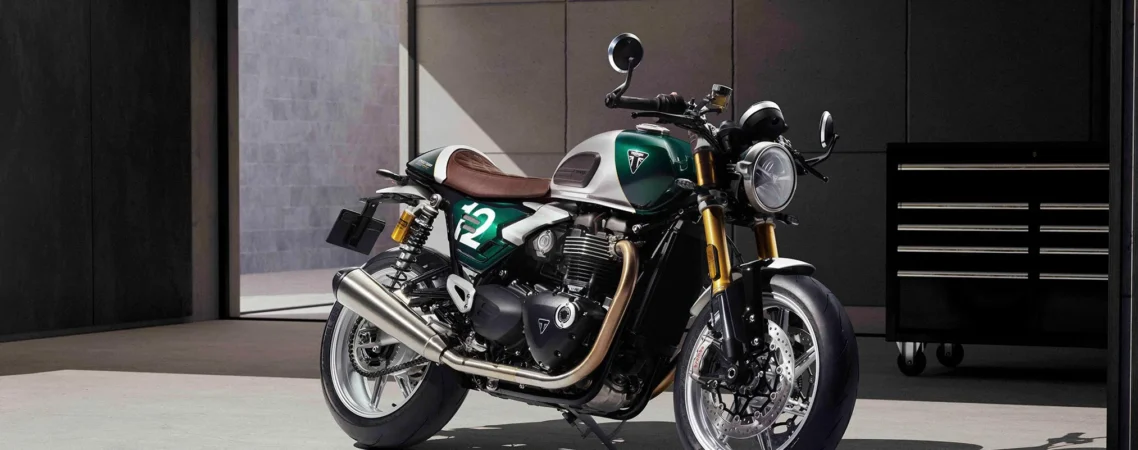
The Speed Twin 1200 has become one of the standout names in Triumph’s modern classic lineup. 2026 has been a big year for the model. Triumph rolled out a limited-run Speed Twin 1200 RS. It’s already being called one of the most striking production bikes of the year. Whether you’ve got the standard Speed Twin or the new RS variant, the bike’s blend of retro styling and modern performance makes it one of the most upgrade-friendly platforms on the market. The parallel-twin engine and minimalist bodywork leave plenty of room to personalize. You won’t have to fight the bike’s original design intent to do it.
This guide walks through the upgrades and accessories Speed Twin 1200 owners actually reach for first. They’re listed roughly in the order most riders tackle them. Each one focuses on what genuinely improves the riding experience, not just what changes the look.
1. Mirrors: Function and Style in One Upgrade
Mirrors are one of the first things many Speed Twin owners replace. The stock units on many model years prioritize a clean retro look over outright visibility. That’s a fair design trade-off, but it’s one that plenty of owners choose to revisit.
A well-designed aftermarket mirror for the Speed Twin should widen your field of view without disrupting the bike’s proportions. Both bar-end and stalk-mount styles work well on this platform. Which one you choose depends on whether you want a more café racer or a more classic cruiser look. Aliwheels carry a direct-fit Triumph Speed Twin 1200 mirror set for 2019–2023 models. It keeps the retro aesthetic while genuinely improving rearward visibility over the stock units. Always double-check your exact model year against the listing first, since Triumph made small revisions across the Speed Twin’s production run.
This upgrade matters beyond looks, too. Rearview visibility is a safety item, not just a styling one. If you’ve found yourself doing a lot of shoulder-checking because the stock mirrors mostly show your own arms and shoulders, this is one of the highest-value, lowest-cost upgrades available for the bike.
2. Windshields and Wind Deflectors for Longer Rides
The Speed Twin’s naked, unfaired design is a huge part of its retro charm. However, it also means zero wind protection out of the box. That’s completely fine for short rides. It gets noticeably tiring on longer highway stretches.
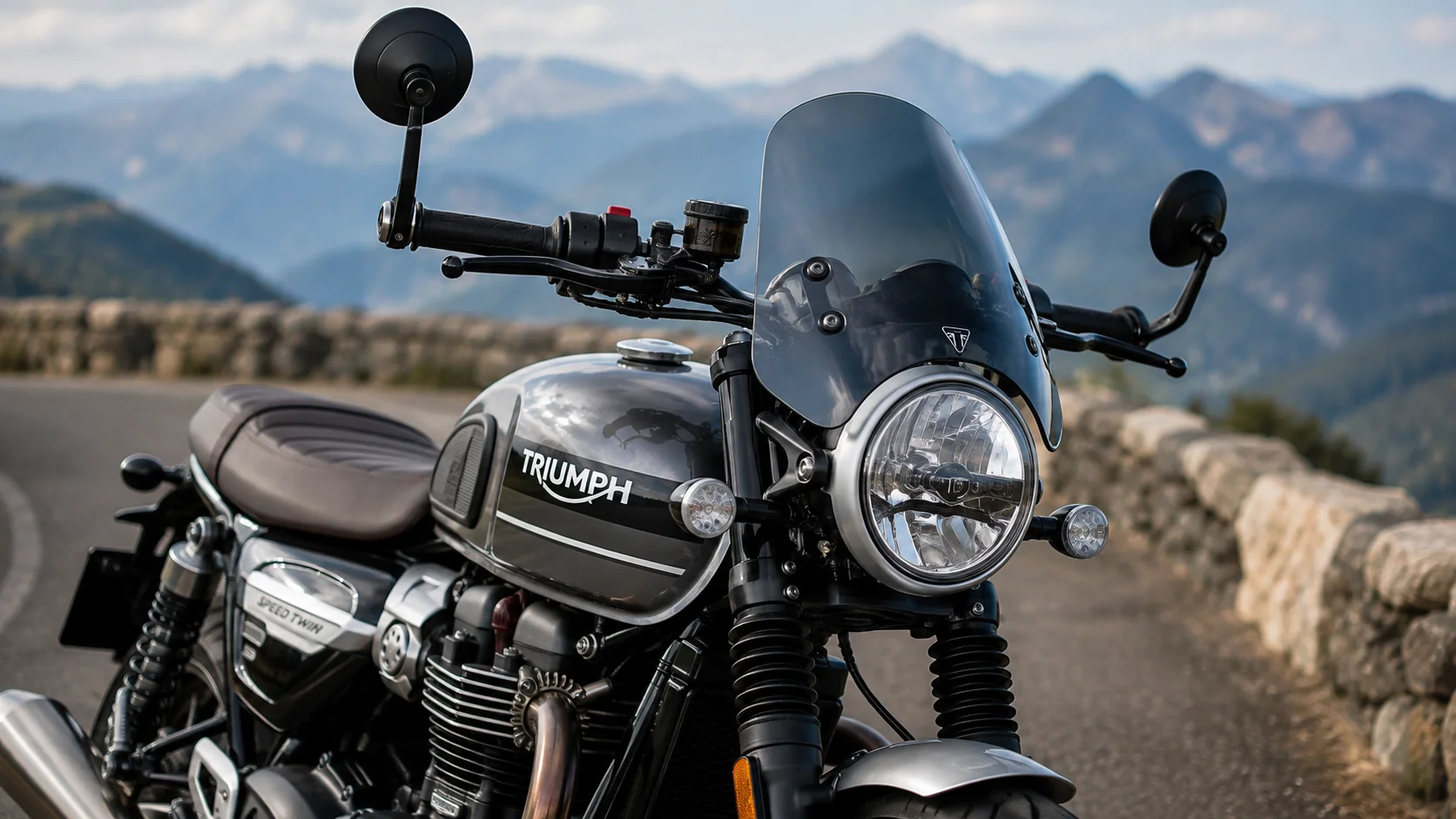
A small flyscreen or café-style windshield can meaningfully cut wind blast at highway speed. It won’t change the bike’s silhouette much either, since these are designed to sit low and close to the headlight rather than towering above it as a full touring windshield would. Browse our windshields and windscreens selection if you’re planning longer rides and want to reduce fatigue without turning the bike into something it isn’t.
One fitting tip is worth keeping in mind here. On a naked retro bike like this, oversized windshields tend to look and feel wrong. Stick to flyscreen-style options sized to complement the headlight nacelle instead of dominating it.
3. Exhaust Systems: Sound, Weight, and Character
This is probably the single most popular upgrade category across the entire retro and modern-classic segment. The Speed Twin is no exception. The stock exhaust is quiet by regulatory necessity, so a huge number of owners look to change that fairly early into ownership.
A quality aftermarket slip-on or full system does three things. First, it changes the exhaust note, which is the most obvious reason people do this. Second, it typically sheds some weight compared to the stock system. Third, depending on the design, it can modestly improve mid-range throttle response. It’s worth being realistic about that last point. An exhaust swap alone won’t transform the bike’s performance. Still, it’s a genuine, noticeable difference in throttle feel, and it pairs well with the parallel-twin’s naturally torquey character. Browse our motorcycle exhaust selection for options that suit the Speed Twin’s classic lines. A shorter, low-slung silencer style tends to complement the bike’s proportions better than a large, modern-looking canister.
One practical note applies here too. If your bike is still under warranty, check with your dealer about how an aftermarket exhaust interacts with that coverage before installing anything. This matters especially on a bike as new to the market as the RS variant.
4. Grips: A Small Upgrade With an Outsized Comfort Difference
It’s easy to overlook grips entirely, but they’re one of only three contact points you have with the bike. Stock grips on many retro-styled bikes prioritize a slim, classic look over long-ride comfort.
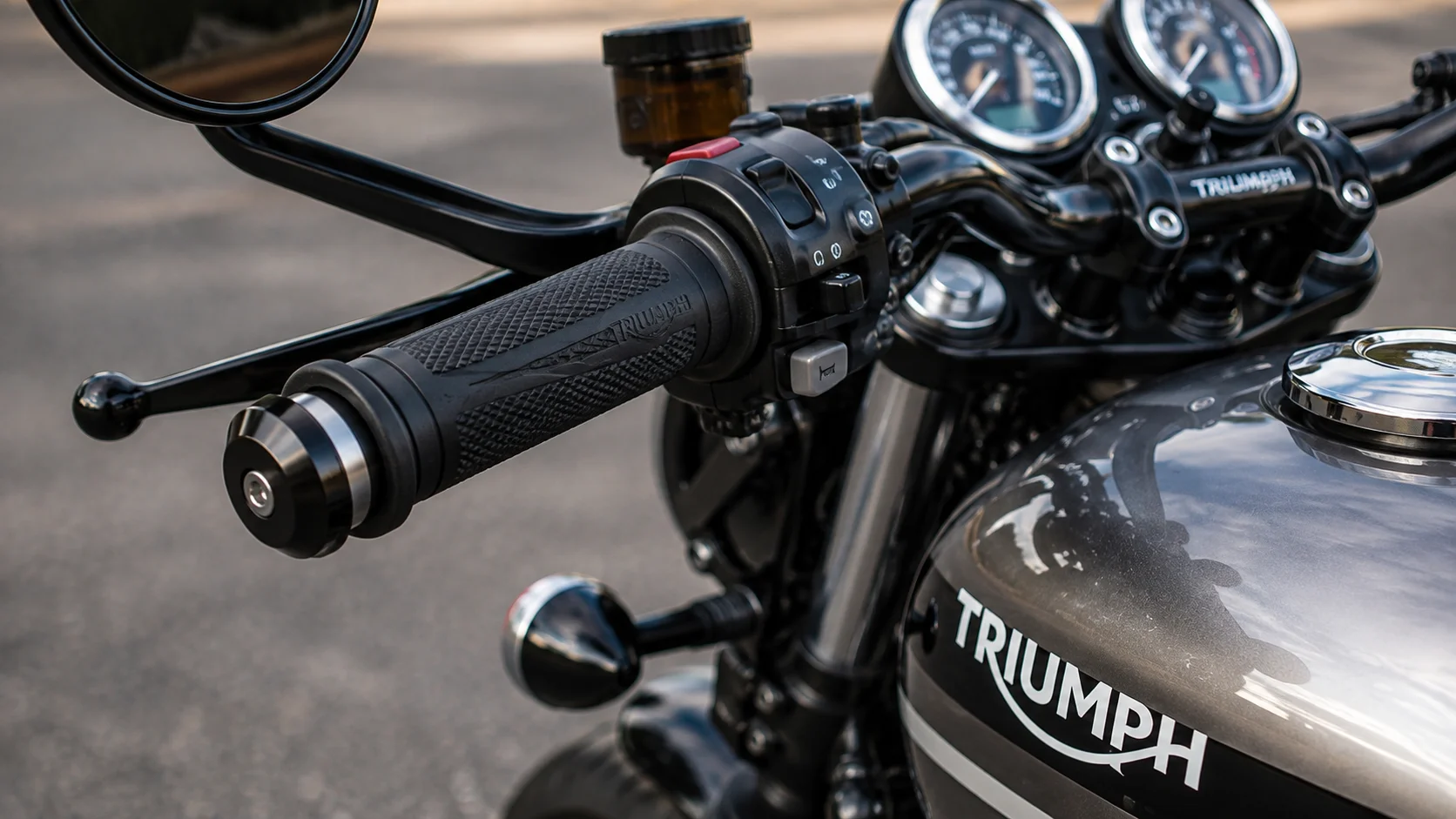
Thinner, harder compound grips transmit more vibration to your hands over a long ride. On a parallel-twin like the Speed Twin’s engine, that vibration becomes a real, noticeable factor after an hour or two in the saddle. So if you’ve noticed your hands going numb or fatigued on longer rides, grips are a cheap, easy first thing to address before assuming it’s a bigger ergonomic issue with the bike. We’ve written a full breakdown on diagnosing and fixing slipping or degraded grips. It’s worth a read alongside any upgrade decision, especially if your grips have started to loosen or wear with age.
5. Chain and Sprocket Upgrades for Spirited Riding
Maybe you’re using your Speed Twin for more than relaxed cruising. Spirited backroad riding, or a sportier riding style than the bike’s classic looks suggest, calls for a different consideration: chain and sprocket gearing.
Changing sprocket sizes alters the final drive ratio. A slightly different front or rear sprocket tooth count trades top-end speed for quicker acceleration, or the reverse. Not every owner needs to make this change. Still, for riders who find the stock gearing doesn’t match how they actually ride, it’s a well-understood, reversible modification. Our guide on choosing the right motorcycle chain is a useful starting point for understanding chain specs and maintenance intervals before making any gearing changes.
6. Seat and Ergonomic Adjustments
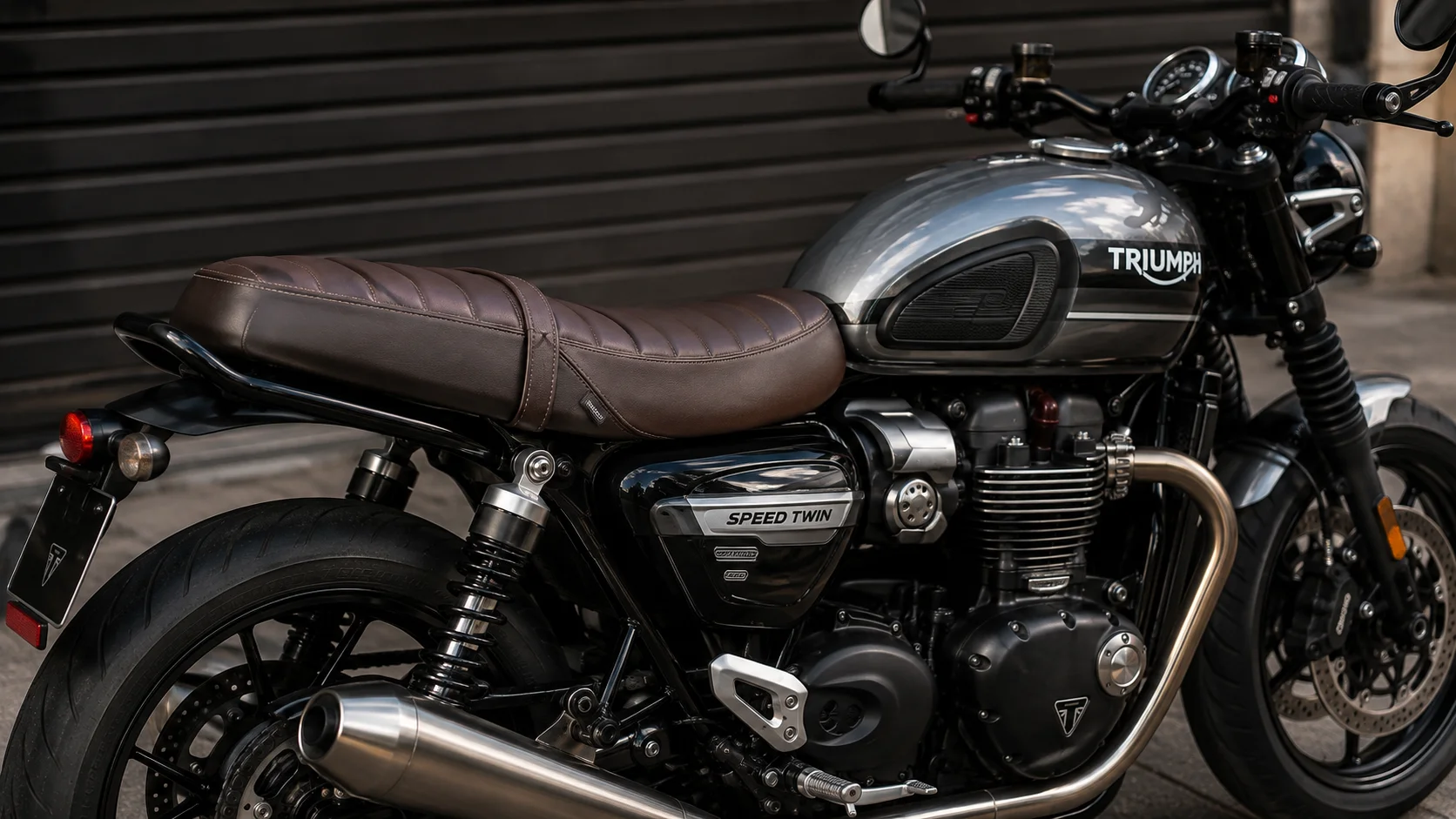
The Speed Twin’s stock seat is generally well regarded for shorter rides. Like most single-piece retro-styled seats, though, it can become a limiting factor on longer trips well before the engine or chassis do.
A reshaped or thicker aftermarket seat, or an aftermarket gel seat pad, is the most common fix for long-ride comfort without altering the bike’s classic look. Some owners also adjust lever reach and footpeg position slightly to fine-tune riding posture. These small ergonomic tweaks are easy to overlook when you’re focused on more visible upgrades like exhaust and mirrors. Even so, they can meaningfully change how the bike feels over a multi-hour ride.
7. Protecting Your Investment: Security
A new or newly acquired Speed Twin 1200 is exactly the kind of bike worth protecting from day one. This applies especially to the limited-run RS variant, given how quickly Triumph indicated those would sell out. Retro-styled bikes with classic appeal are frequently targeted, and value alone is reason enough to take precautions early.
A disc lock or alarm system is inexpensive relative to the bike’s value. It’s worth installing in the first week of ownership, not after you’ve already gotten comfortable with wherever you’re parking it. Browse our motorcycle security and anti-theft options if you haven’t already got something in place.
8. First 500 Miles: Break-In Care Before You Start Modifying
Maybe you’ve just picked up a new Speed Twin 1200. That’s particularly relevant given how much attention the 2026 RS variant is getting right now. Either way, it’s worth holding off on some of the upgrades above until you’re past the manufacturer’s recommended break-in period.
Most modern engines, including the Speed Twin’s parallel-twin, benefit from varied RPM riding during this period. Avoiding prolonged constant-speed cruising and avoiding full-throttle acceleration for the first several hundred miles allows piston rings and other wear surfaces to seat properly. Check your owner’s manual for Triumph’s specific recommended mileage and service interval, since this varies by model year. This is a case where following the manufacturer’s specific guidance matters more than general advice.
This sequencing matters for a practical reason too. An exhaust or chain and sprocket change during the break-in period isn’t necessarily harmful. Still, it’s generally smarter to get a true baseline feel for how the bike performs stock first. That way, when you do upgrade, you’ll actually be able to feel and appreciate the difference each change makes.
Bringing It All Together
The Speed Twin 1200’s biggest strength is how well it rewards thoughtful, incremental upgrades without needing to fight its retro design language. Mirrors and a flyscreen address the two most common practical complaints, which are visibility and wind fatigue. Meanwhile, an exhaust and grips address the two most requested comfort and character upgrades. Chain and sprocket changes, along with seat adjustments, let more serious riders fine-tune the bike to their exact riding style.
Start with whichever of the above addresses your actual biggest frustration with the bike as it sits today. Working through this list in order just because it’s here won’t help much, since a mirror upgrade does nothing for someone whose real complaint is wind fatigue, and the reverse is true as well. Browse our full range of Triumph parts and accessories to get started. Always confirm your exact model year before ordering, since Triumph has made incremental changes across the Speed Twin 1200’s run.