





Every rider eventually realizes that comfort, control, and confidence do not come from horsepower alone. They come from the points where your body connects to the bike. Among all motorcycle upgrades, hand controls and handlebars quietly shape how a bike feels more than most riders expect. If your wrists ache, your hands go numb, or your control feels vague after long rides, the issue often starts right there. Motorcycle hand controls and handlebars are not one size fits all. Riding style, body position, terrain, and even hand size influence what works and what does not. Choosing the right combination can transform the riding experience, whether you commute daily, tour cross country, carve corners, or ride long highway stretches.
Impact of Hand Controls on the Ride
Your brake lever, clutch lever, grips, and bars are in constant use. Unlike suspension or engine parts that work in the background, hand controls are active every second you ride. Poor ergonomics can lead to wrist strain, finger fatigue, delayed braking response, and reduced confidence in traffic or on twisty roads.
Riders often chase performance upgrades while ignoring discomfort signals from their hands and arms. Over time, this can lead to numbness, tingling, and even reduced reaction speed. Well-chosen hand control upgrades improve comfort and control together. They allow smoother throttle input, more precise braking, and less fatigue on longer rides.
Choosing the Right Handlebars for Comfort and Control
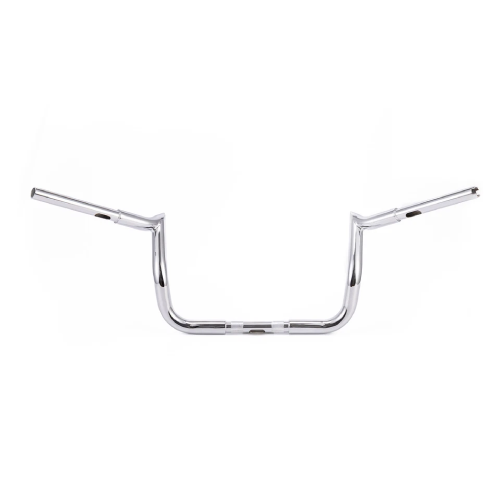
Handlebars define your riding posture. They determine how much weight rests on your wrists, how upright your spine remains, and how relaxed your shoulders feel. Riders searching for the best handlebars for comfort usually fall into two camps: those trying to reduce strain and those trying to improve control.
Touring riders and commuters often benefit from bars with a slightly higher rise and a gentle pullback. This reduces forward lean and wrist pressure, especially during long highway miles. Sport riders usually prefer lower or flatter bars that keep weight over the front tire for sharper steering feedback. Adventure and dual sport riders tend to favor wider bars that offer leverage and stability on uneven terrain.
Handlebar riser benefits are often underestimated. Even a small rise can dramatically change wrist angle and shoulder tension. Riders who experience sore wrists or neck stiffness after short rides often fix the issue simply by adjusting bar height or reach rather than replacing the entire handlebar.
Brake and Clutch Levers That Match Your Riding Style
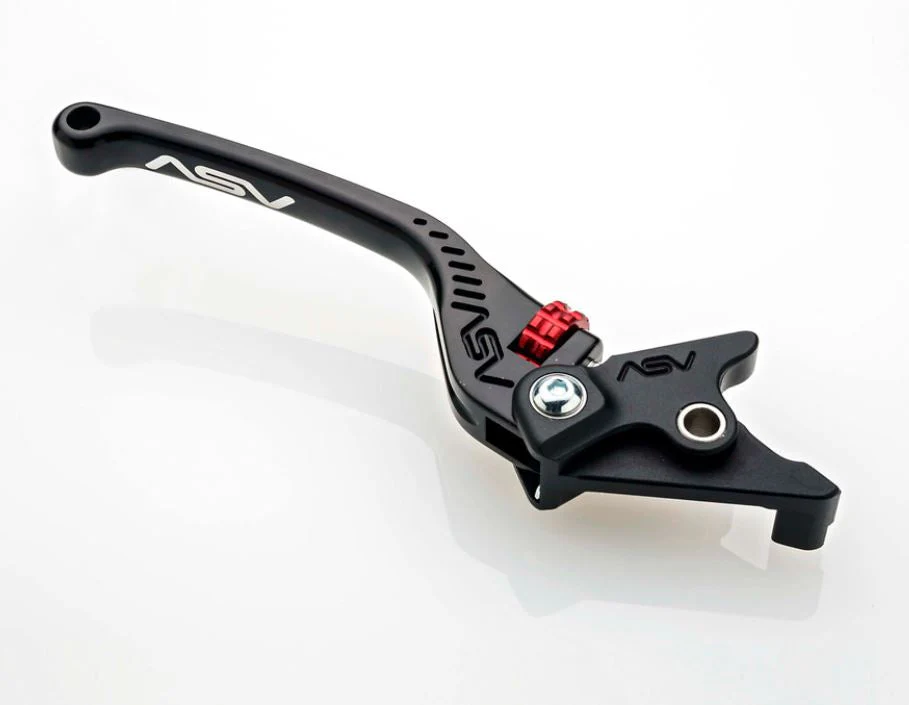
Brake and clutch levers play a direct role in safety. Poorly positioned levers force riders to overextend fingers or shift grip mid-corner. Adjustable brake and clutch levers solve this by allowing fine-tuning based on hand size and riding posture.
Sport riders benefit from short or adjustable levers that provide quick response and precise modulation. Touring riders usually prefer longer levers that allow smoother engagement over extended use. In stop-and-go traffic, an improperly set clutch lever becomes exhausting fast.
Performance shift levers and upgraded controls improve consistency, especially during aggressive riding or long days in the saddle. The goal is not stiffness or sensitivity alone but predictability. A lever should feel natural and intuitive, responding the same way every time you pull it.
Grips and the Hidden Role of Vibration Control
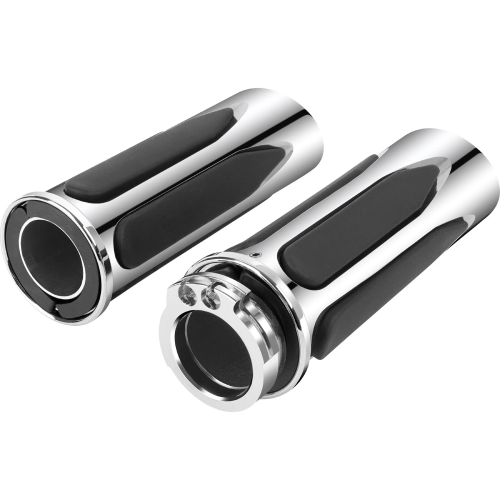
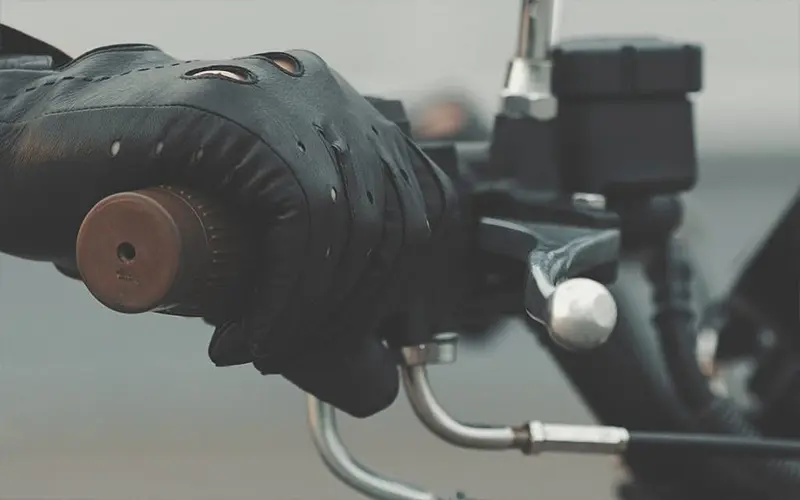
Grips are often chosen based on appearance, but comfort and vibration dampening matter far more. Grip comfort and vibration dampening can determine whether a two-hour ride feels relaxing or exhausting. Excess vibration contributes to hand numbness and fatigue, especially on older bikes or large displacement engines.
Soft compound grips absorb vibration but may wear faster. Firmer grips last longer but transmit more feedback. Riders should balance durability with comfort based on how often they ride and how far. Touring and commuting riders usually prioritize comfort, while sport riders may accept firmer grips for better road feedback.
Grip diameter also matters. Thicker grips reduce hand strain for riders with larger hands, while slimmer grips improve control for smaller hands. This is a detail many riders overlook until discomfort forces a change.
Matching Controls to Riding Styles
Different riding styles demand different setups. Foot control upgrades for touring bikes are often paired with relaxed hand control setups. Upright bars, cushioned grips, and smoothly adjustable levers allow riders to maintain control without fatigue during long distances.
Cruiser riders often combine forward controls for cruisers with pulled-back handlebars and wide grips. This creates a relaxed posture that suits steady cruising rather than aggressive cornering. In contrast, adjustable rearsets for sportbikes work best with lower bars and responsive levers that keep the rider locked in during hard braking and acceleration.
Adventure and touring riders face mixed terrain, making flexibility key. Adjustable setups allow fine-tuning for highway comfort and off-road control without compromising either.
Installation and Fitment Considerations
Even the best motorcycle hand controls and handlebars will feel wrong if installed poorly. Cable routing, lever angle, and bar alignment matter. Levers should align naturally with your wrists when seated in your normal riding posture. Bars should not force your elbows unnaturally high or low.
After installation, short test rides help dial in final adjustments. Small changes make big differences. A few degrees of rotation can relieve wrist pain or improve braking confidence.
When Upgrading Makes the Most Sense?
Riders often upgrade controls after discomfort appears. A smarter approach is proactive improvement. If your riding habits have changed, such as longer trips, daily commuting, or track riding, your controls should change with them.
Stock components are designed for broad appeal, not individual riders. Upgrading allows personalization. Better hand control upgrades for touring, sport, or commuting do not just improve comfort. They increase confidence and reduce fatigue-related mistakes.
Conclusion
Motorcycle hand controls and handlebars are not cosmetic accessories. They are functional contact points that define how a bike responds and how a rider feels after hours in the saddle. Whether you ride for performance, comfort, or daily transportation, the right levers, grips, and bars make riding smoother, safer, and more enjoyable.
Visit Aliwheels.com today and take time to choose Motorcycle hand controls, Grips, and Handlebars that match your body and riding style. It will pay off every time you twist the throttle, squeeze the brake, or settle into a long ride. Comfort is not a luxury. It is part of control, and control is what keeps riding fun.