



Two components take the blame for nearly every stalling complaint on the early Aprilia Tuono and RSV 1000. The stator gets accused first, since it’s the more famous culprit among owners of this engine family. However, a federal recall is tied to the other issue, which many riders don’t know about. Understanding both helps you identify the right problem and avoid getting stranded.
The V-Twin That Started It All
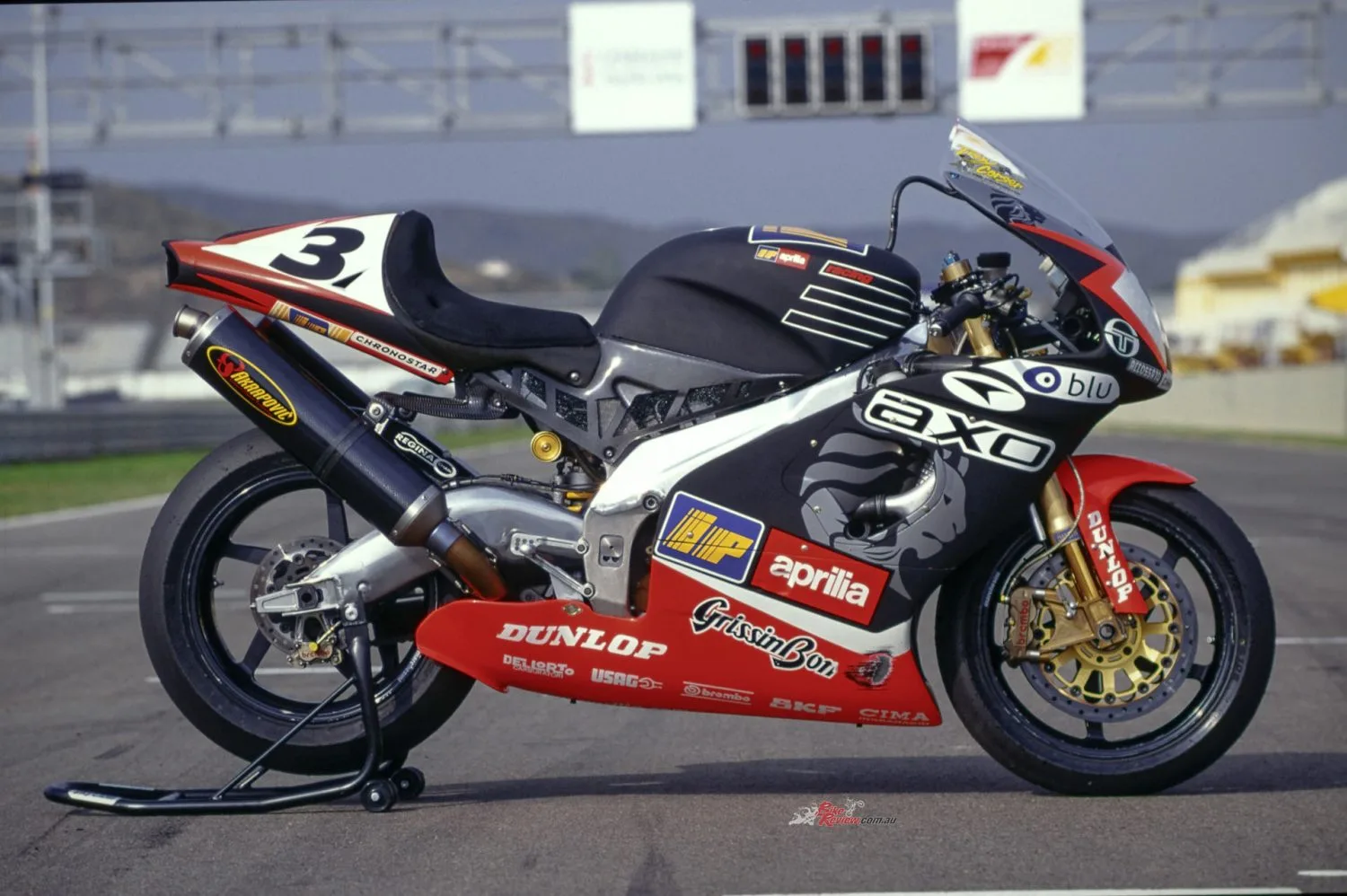
Aprilia launched the original RSV 1000 Mille in the late 1990s as its flagship sportbike. It later evolved into the RSV 1000 R and the Tuono. The Tuono stripped off the fairings but kept the same aggressive 60-degree V-twin underneath. Rotax engineered this core engine, creating high power. However, this shared architecture means many electrical and fueling quirks persist across both models.
That shared engine platform is exactly why this guide applies whether you own a naked Tuono or a faired RSV. The fuel delivery system and charging components are largely identical across both. As a result, the same failure points and fixes apply to both bikes.
The Recall Nobody Talks About
Here’s the part most owners never hear about unless they go digging through federal databases instead of forums. The National Highway Traffic Safety Administration recorded this under Campaign ID 08V306000. It covers roughly 977 units of the 2005 to 2007 Tuono 1000 R and RSV 1000.
These bikes shipped with a Bitron fuel pump and filter assembly. The fuel hose to the pump’s mounting flange can work itself loose over time. This happens due to vibration, heat cycling, or aging rubber. Once it comes loose, fuel pressure drops, causing gradual power loss or sudden engine stalling at speed.
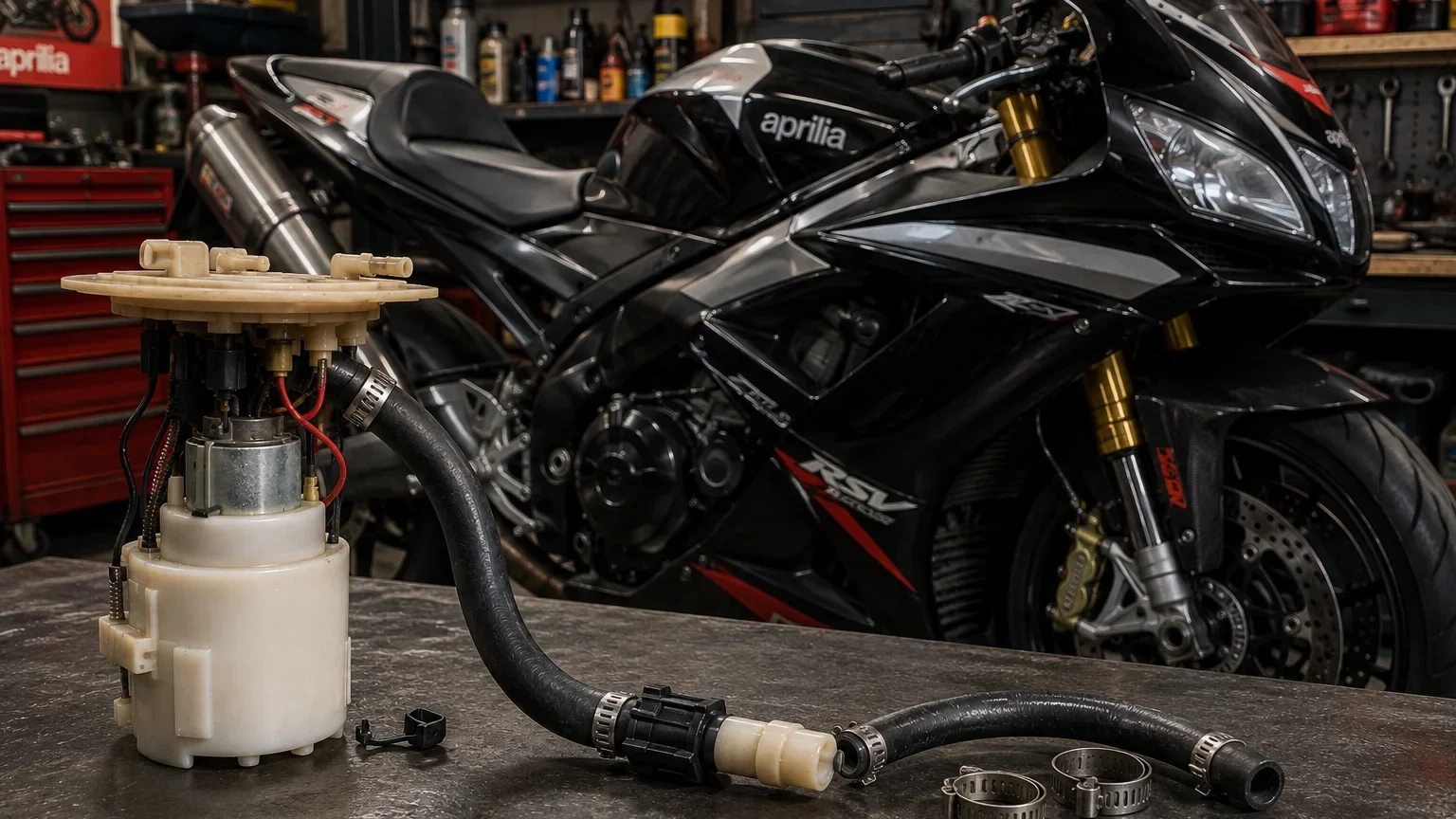
Piaggio issued repair kits with an updated fuel hose and two clamps. Official recall repairs began in September 2008, with dealers replacing components free of charge. Customers could also contact the NHTSA’s own vehicle safety hotline directly if a dealer wasn’t cooperative about honoring it.
If your bike falls within the 2005–2007 range, check your VIN against this recall. A loosening hose connection doesn’t always show symptoms before failing, and a quick dealer call costs you nothing.
The Stator Problem Is a Completely Different Animal
Stators on early RSV 1000 engines have earned a legendary reputation among owners. This issue is completely separate from the recall above. It remains an ongoing fault that still plagues these two-decade-old bikes.
This isn’t a component that fails once and gets fixed forever either. Plenty of experienced owners keep a spare stator on their garage shelf, treating it like a spare tire. This isn’t because every ride fails. Instead, experience has taught them that stator failure is inevitable over time.
Aprilia never publicly explained why this specific stator design fails so consistently. Owners often cite engine heat, high-revving V-twin demands, and simple age. However, unlike the recalled fuel hose, no official explanation exists. What’s not in dispute is the frequency. This component fails often enough that it’s considered a normal, expected maintenance item on this platform rather than a rare unlucky occurrence.
Why These Two Problems Get Confused So Often
Here’s where things get genuinely tricky for anyone trying to diagnose their own bike. Both a failing fuel system and a failing charging system can produce symptoms that look similar from the rider’s seat: an engine that runs rough, hesitates, or won’t start reliably. Riders chasing the wrong one waste real time and money before landing on the actual culprit.
The good news is that once you know what to look for, these two failure modes actually present quite differently if you pay close attention to the pattern rather than just the end result.
What Fuel-Related Stalling Actually Looks Like
Fuel-system problems tend to show up somewhat unpredictably, often tied to specific riding conditions or recent maintenance work rather than following a slow, steady decline. One owner reported a rough idle developing immediately after routine maintenance, oil change, filter, spark plugs, followed by popping and banging from the exhaust below 3,000 rpm, and eventually a sudden, hard misfire that brought the whole thing to a head.
Another pattern worth watching for involves an engine that simply dies after sitting for even a short break during a ride, then refuses to restart cleanly, sometimes bump-starting successfully only to die again minutes later. This kind of intermittent, ride-dependent failure is a strong signal you’re dealing with fuel delivery rather than charging.
What Charging Problems Actually Look Like
Stator and regulator issues follow a different pattern entirely, one built around a slow, cumulative decline rather than sudden drama. Your battery starts draining faster than it should, even when the battery itself is relatively new and healthy. Electrical accessories, lights, dash displays, and anything drawing current gradually weaken before the bike eventually struggles to start at all.
If your symptoms lean toward this slower electrical decline rather than sudden fuel-related stalling, that’s your signal to start testing the charging system specifically rather than chasing fuel components that are probably fine.
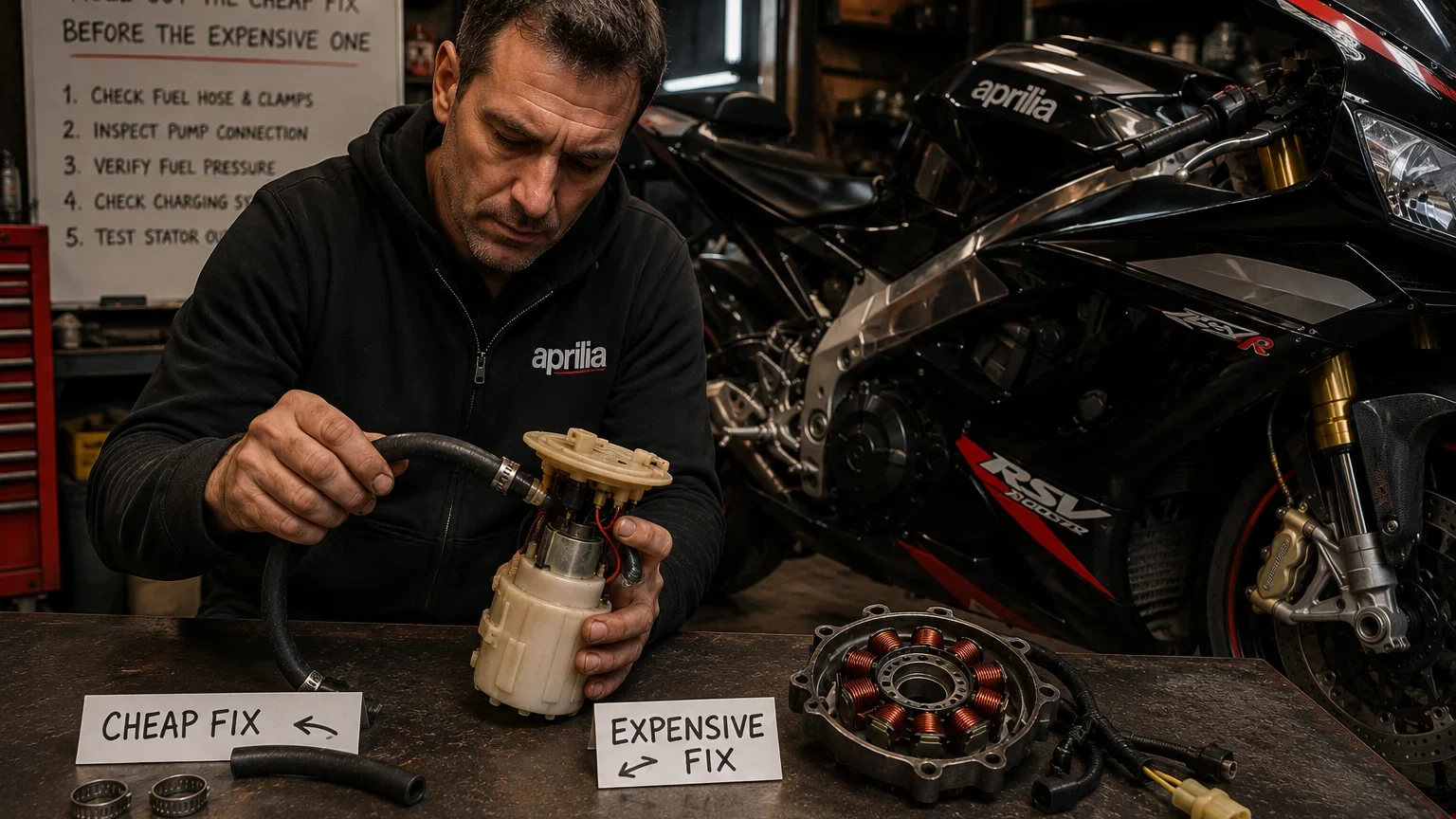
Rule Out the Cheap Fix Before the Expensive One
Before assuming you need a new pump entirely, check your fuel filter for clogging first. A blocked filter starves the engine of fuel almost identically to a failing pump, and it costs next to nothing to inspect and replace compared to a full pump assembly. One case that initially looked exactly like classic pump failure eventually traced back to nothing more dramatic than a softened internal fuel line that had simply popped loose under the pump’s own operating pressure.
For stator testing, the reference point most owners rely on is what’s commonly called the brown connector, a specific wiring location on this engine family that’s become shorthand in itself among people who work on these bikes regularly. Checking voltage directly at that connector, with the engine running, is the standard first diagnostic step before assuming the stator itself has failed.
If you’re facing a complete no-start situation with no fuel pump priming sound at all when you turn the key, work backward methodically. Connect the pump directly to the battery briefly, bypassing the normal circuit entirely. If it primes fine that way but not through its usual wiring path, the actual fault sits somewhere in the relay or connector wiring between the two, not in the pump itself. This single test alone can save you from replacing a perfectly good pump.
Second-Generation Owners Aren’t Automatically in the Clear
If you own a later Gen 2 Tuono rather than the original 2005-2007 models covered by the first recall, don’t assume you’re exempt from this entire conversation. A separate recall exists specifically covering a defective fuel pump hose fitting on certain Gen 2 models, distinct from the earlier campaign discussed above. One owner dealing with repeated stalling on a newer Tuono was advised directly by another rider to check their VIN against this separate recall, since dealers handle it free of charge once confirmed.
The lesson here is simple. Don’t assume your bike is covered, or not covered, based on a general sense of which generation you own. Check your specific VIN against both recall campaigns regardless of model year, since Aprilia issued these as two distinct actions years apart.
Fixing It Once You Know Which One You Have
A worn hose connection, a clogged filter, or a genuinely failed pump assembly gets addressed directly once you’ve confirmed the fuel system as the actual culprit. None of these require anything more complex than careful diagnosis and a proper replacement part.
A failing stator has exactly one real fix, and it isn’t a repair in any meaningful sense. Replacement is the only path once charging symptoms have started, since these units don’t recover or improve on their own with time. Attempting to nurse a failing stator along by simply keeping the battery charged more often just delays the inevitable rather than solving anything.
Building a Maintenance Habit Around This Platform’s Known Weak Points
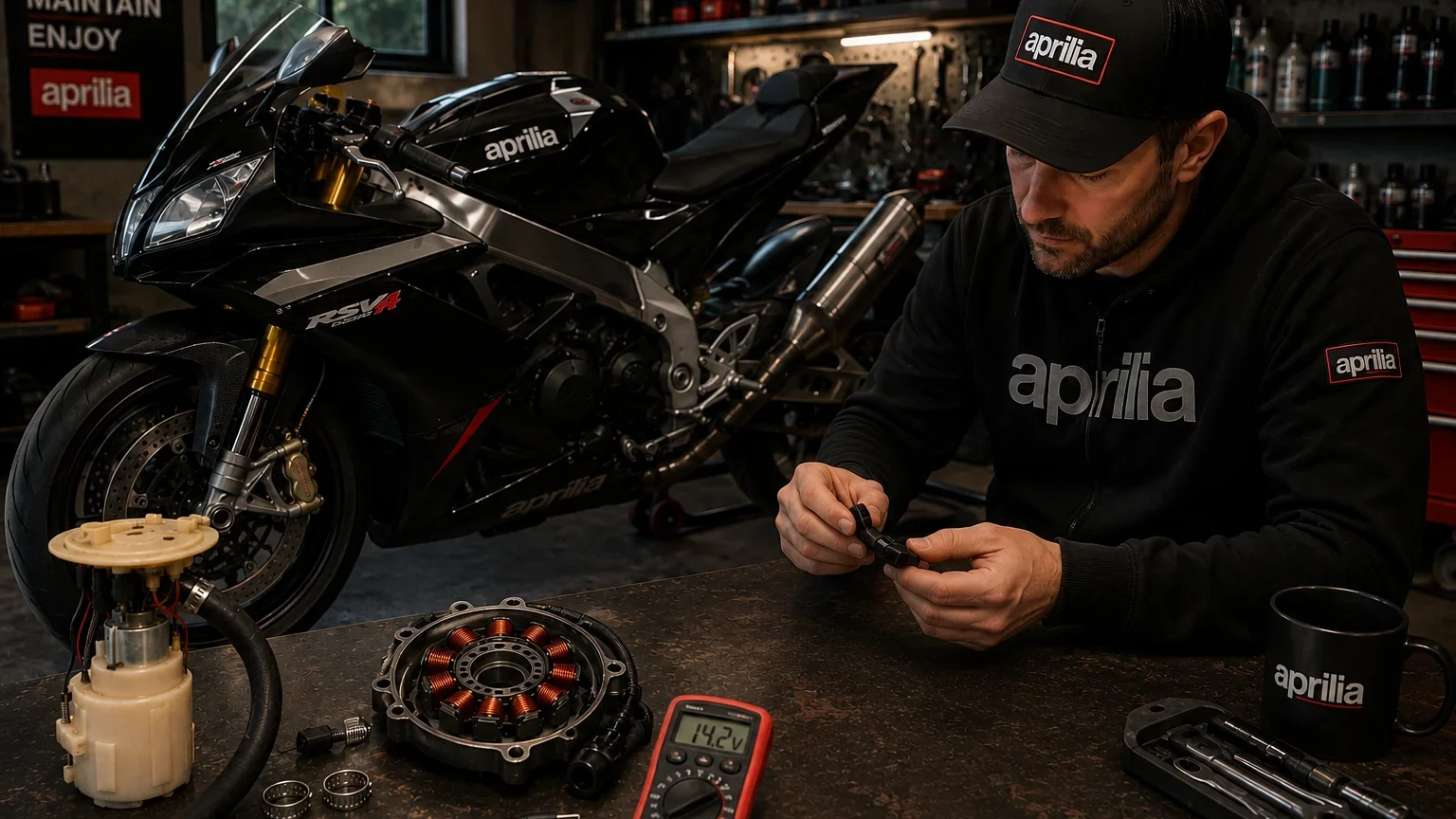
Given how well-documented both of these issues are across years of ownership experience, a smart approach for anyone running one of these bikes regularly involves periodic proactive checks rather than waiting for symptoms to force the issue. Inspect fuel hose connections and clamps during routine maintenance, even if your bike falls outside the officially recalled year range, since the same rubber components age similarly across nearby model years. Test charging voltage at the brown connector occasionally as part of a general health check, catching a weakening stator before it leaves you stranded rather than discovering it the hard way on a ride.
Where to Source Parts for These Repairs
Aliwheels carries fitment-matched components across the Aprilia lineup, covering both the Tuono and RSV model families. Browse our full Aprilia RSV collection to find parts confirmed for your specific model and year before ordering, since, as this guide covers throughout, generation differences on these engines matter enormously, and a part confirmed for one year range won’t necessarily fit another.
Frequently Asked Questions
Was there really an official recall for the Aprilia Tuono and RSV 1000 fuel pump?
Yes. NHTSA Campaign 08V306000 covers roughly 977 units of 2005-2007 models, addressing a fuel hose connection that could loosen and cause stalling. A separate recall also exists for certain Gen 2 Tuono fuel pump hose fittings.
Is the stator issue part of the same recall?
No. These are two entirely separate problems. The stator fault was never formally recalled by Aprilia and remains an ongoing, well-known issue that experienced owners plan around by keeping spare parts on hand.
How do I know if my stalling is fuel-related or stator-related?
Fuel-related stalling tends to happen somewhat unpredictably, often tied to recent maintenance work, fuel level, or specific riding conditions. Stator problems typically present as a slower charging decline, weakening electrical accessories, and a battery that drains faster than normal before eventually affecting starting.
Should I check my VIN against the recall even if my bike currently runs fine?
Yes. A loosening fuel hose connection doesn’t always produce obvious warning symptoms before it fails, and confirming your VIN with a dealer costs nothing and takes only a few minutes.
Does this apply to both the Tuono and the RSV 1000, or just one?
Both. The naked Tuono and the faired RSV 1000 share the same core engine, fuel delivery system, and charging components, so both recall campaigns and the ongoing stator issue apply equally regardless of which bodywork your specific bike wears.
Browse our full Aprilia RSV collection for fitment-matched components across the Tuono and RSV lineup.