


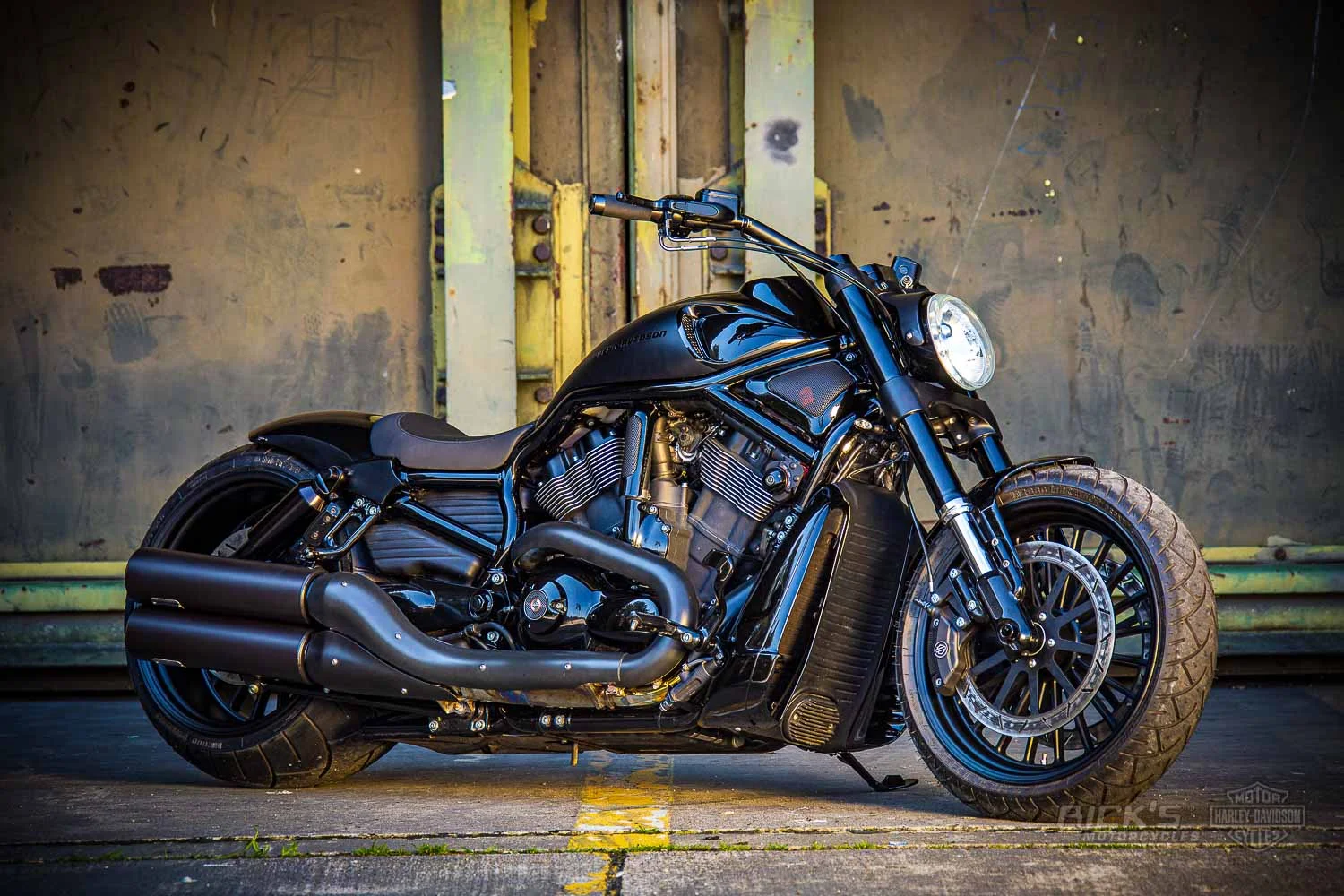

The Harley-Davidson V-Rod broke the mold the moment it launched. Harley paired a liquid-cooled, Porsche-assisted engine with a drag-bike stance. Riders either loved it or found it strange. Either way, nobody ignored it.
Production ran from 2001 through 2017. Along the way, Harley built several distinct variants. The base V-Rod, the Night Rod, the Night Rod Special, the Muscle, and the Street Rod all share the same core platform. But they differ enough that owners need to know exactly which one they have before chasing parts or troubleshooting problems.
This guide walks through the issues V-Rod owners run into most often. We will also cover upgrades that make real sense for this platform. Every recommendation ties back to parts you can actually find, since V-Rod parts can be trickier to source than mainstream Harley models.
V-Rod Behaves Differently Than Other Harleys
Most Harleys use air-cooled, pushrod V-twin engines. The V-Rod does not. It uses the Revolution engine, a liquid-cooled, dual-overhead-cam design co-developed with Porsche. This engine revs higher and makes more horsepower than a traditional Harley powerplant.
This matters for owners coming from other Harley models. Maintenance habits that work fine on a Softail or Sportster do not always transfer cleanly here. The cooling system alone introduces components that most Harley owners never think about. Understanding this difference upfront saves you from applying the wrong advice to the wrong engine.
The V-Rod’s drag-bike stance also creates its own set of ownership quirks. The long wheelbase and low seat height give it incredible stability at speed. That same geometry makes tight, low-speed maneuvers feel less natural than on an upright cruiser.
Cooling System Problems: A V-Rod Specific Concern
Since the V-Rod runs a liquid-cooled engine, it needs a functioning cooling system to perform properly. This is genuinely different from most other Harleys, and it deserves real attention.
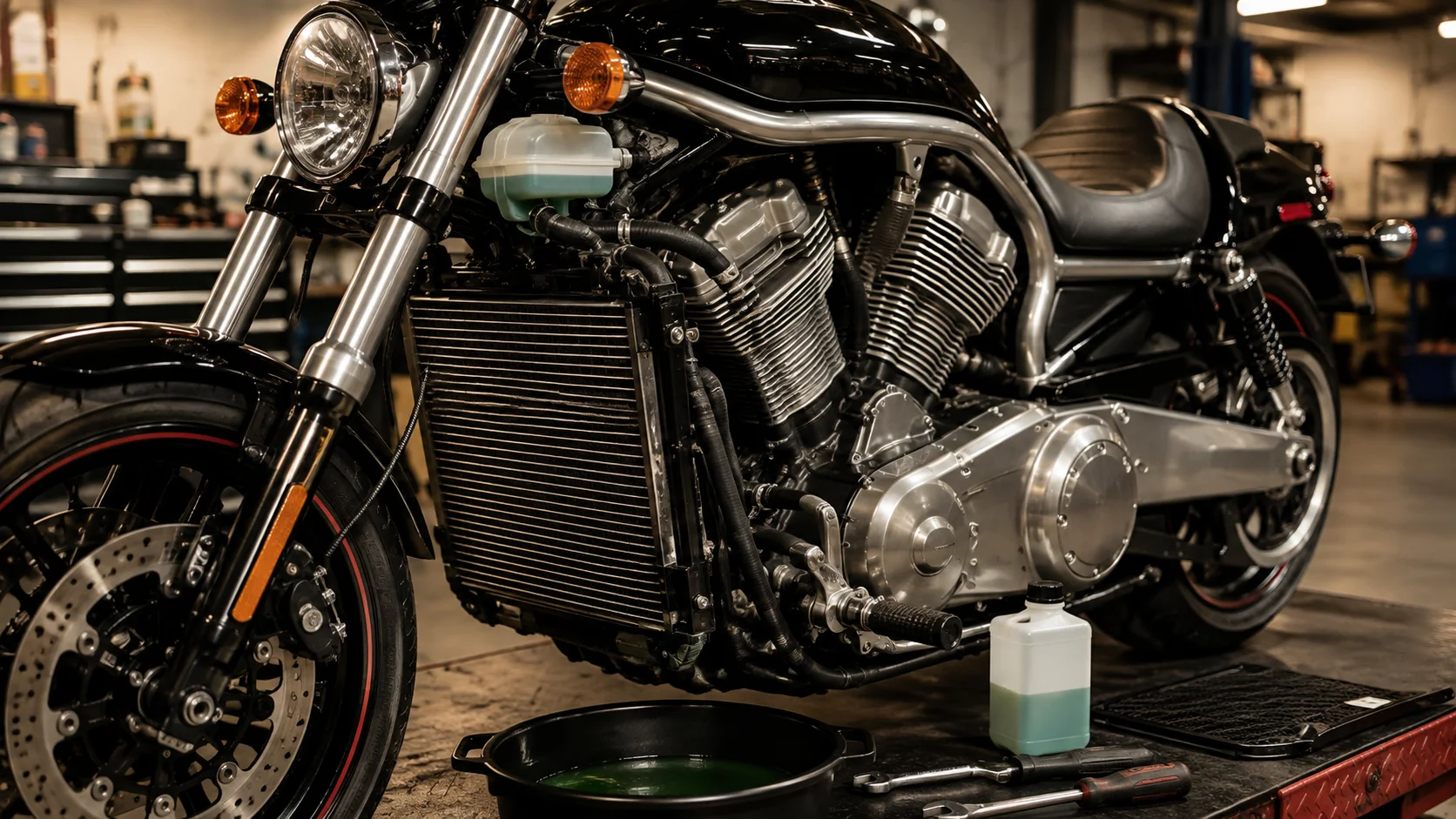
Watch for a temperature gauge that reads higher than normal, especially in slow traffic or hot weather. Check coolant level regularly, and inspect hoses for any cracking or soft spots that develop with age. A slow coolant leak often shows up as a sweet smell near the engine before you notice any visible puddle.
Radiator condition matters too. Road debris can damage fins over the years, reducing cooling efficiency even if nothing is actively leaking. A quick visual check during routine maintenance catches this early, before it becomes an overheating problem on a hot summer ride.
Charging System Issues: Stator and Regulator Wear
Like most motorcycles built during this era, the V-Rod can develop charging system problems as it ages. The stator generates current and wears down over time, particularly with frequent short trips that prevent the system from reaching full operating temperature.
Watch for a headlight that dims at idle. This is usually the earliest warning sign. A battery that will not hold charge overnight, even after a full charge, points the same direction.
Test voltage at the battery with the engine running. You want a steady reading between roughly 13.5 and 14.5 volts. Anything consistently lower suggests the charging system needs attention before you end up stranded somewhere inconvenient.
Belt Drive Wear and Tension
The V-Rod uses a belt final drive rather than a chain. This offers real advantages, including less maintenance and a cleaner ride overall. But belts still wear, and they need periodic tension checks just like a chain would.
Check belt tension according to your service interval, not just when something feels off. A belt that runs too loose can jump teeth under hard acceleration, which is both alarming and potentially damaging. A belt that runs too tight wears prematurely and stresses the pulleys.
Inspect the belt visually too. Look for cracking, fraying edges, or any embedded debris that could accelerate wear. Since belt replacement costs more than a comparable chain replacement, catching problems early genuinely saves you money.
Fuel Pump and Fuel System Age
High-mileage V-Rods, especially those built in the earlier years of production, can develop fuel pump issues as the pump ages. This is not unique to the V-Rod, but it is worth knowing about given how many of these bikes are now well past a decade old.
Watch for hesitation under load, or difficulty starting after the bike has been sitting for a while. A fuel pump losing pressure output shows these symptoms clearly once you know what to look for. A proper fuel pressure test at the rail confirms this rather than guessing based on symptoms alone.
Saddlebag and Luggage Mounting Wear
Many V-Rod owners add saddlebags to extend the bike’s touring capability, and these mounting points see real stress over time from vibration and load. Depending on your specific V-Rod variant, factory or aftermarket saddlebag hardware can loosen or wear with mileage.
We stock direct-fit V-Rod VRSCA saddlebags for 2002 through 2006 models, built specifically for the base V-Rod’s mounting points.
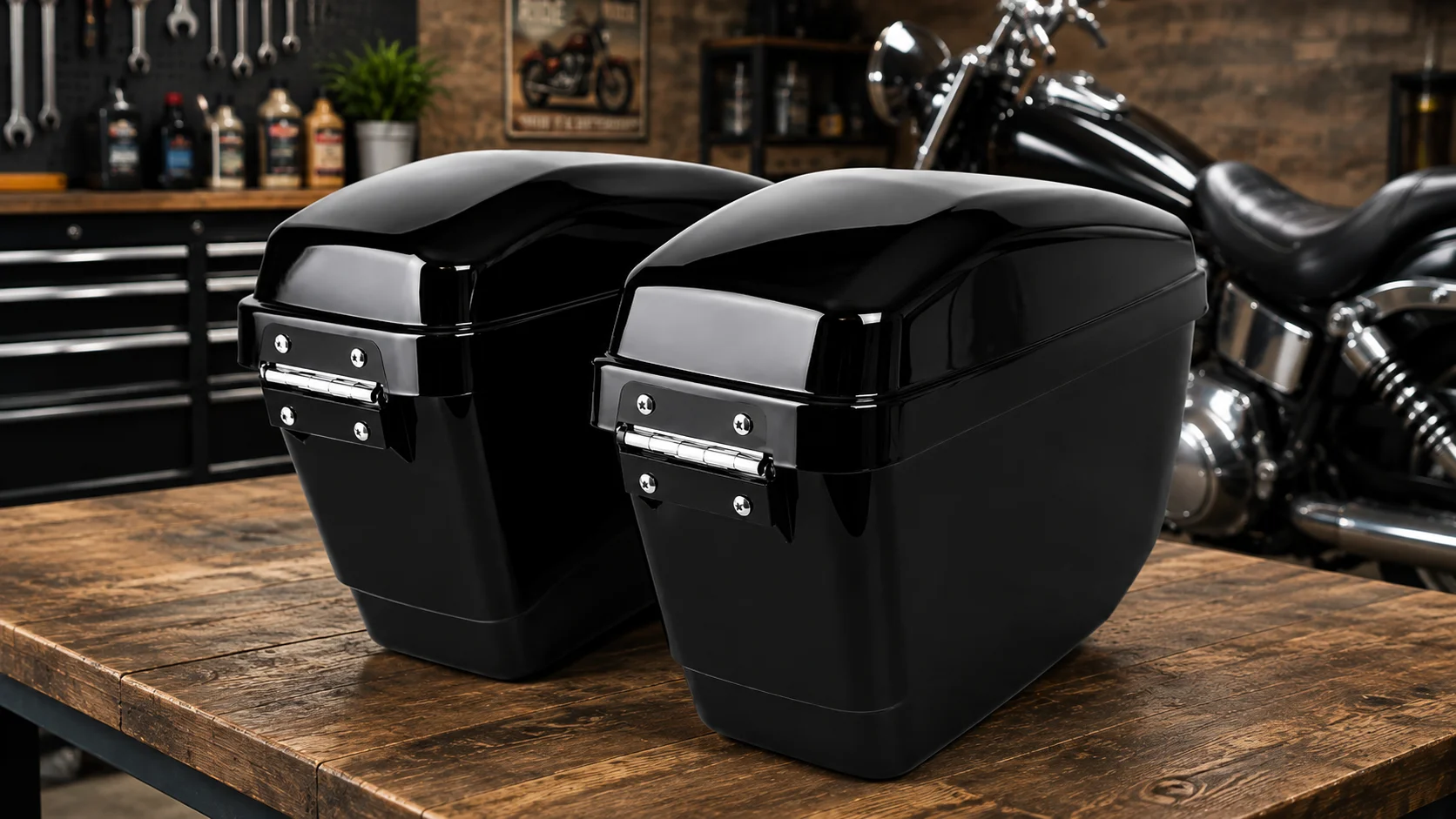
If you own a Night Rod Special instead, we carry a separate Night Rod Special VRSCDX saddlebag for 2012 through 2017 models, since fitment differs between variants.
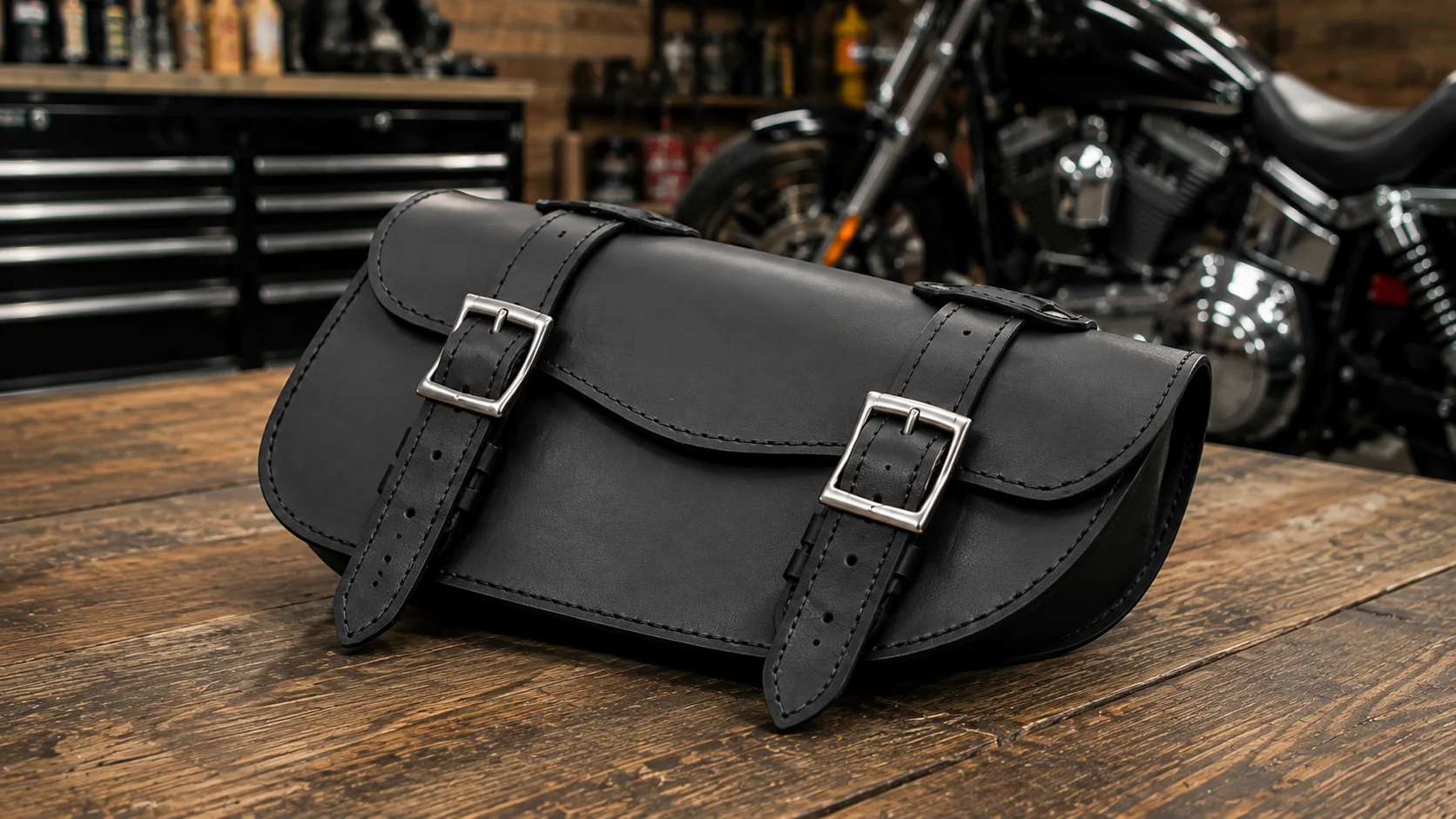
Always confirm which specific V-Rod model you have before ordering, since the VRSC family covers several distinct chassis and mounting configurations across its production run.
Exhaust System Wear and Sound
The V-Rod’s stock exhaust balances emissions compliance with sound regulation, and like most stock systems, it leaves performance on the table. Many owners look to upgrade fairly early into ownership, both for sound and for a modest performance gain.
Rust and corrosion also become real concerns as these systems age, particularly on bikes that see winter riding or coastal, salty air. A cracked or heavily corroded exhaust affects more than sound. It can also throw off the fuel mixture if it develops an unintended leak.
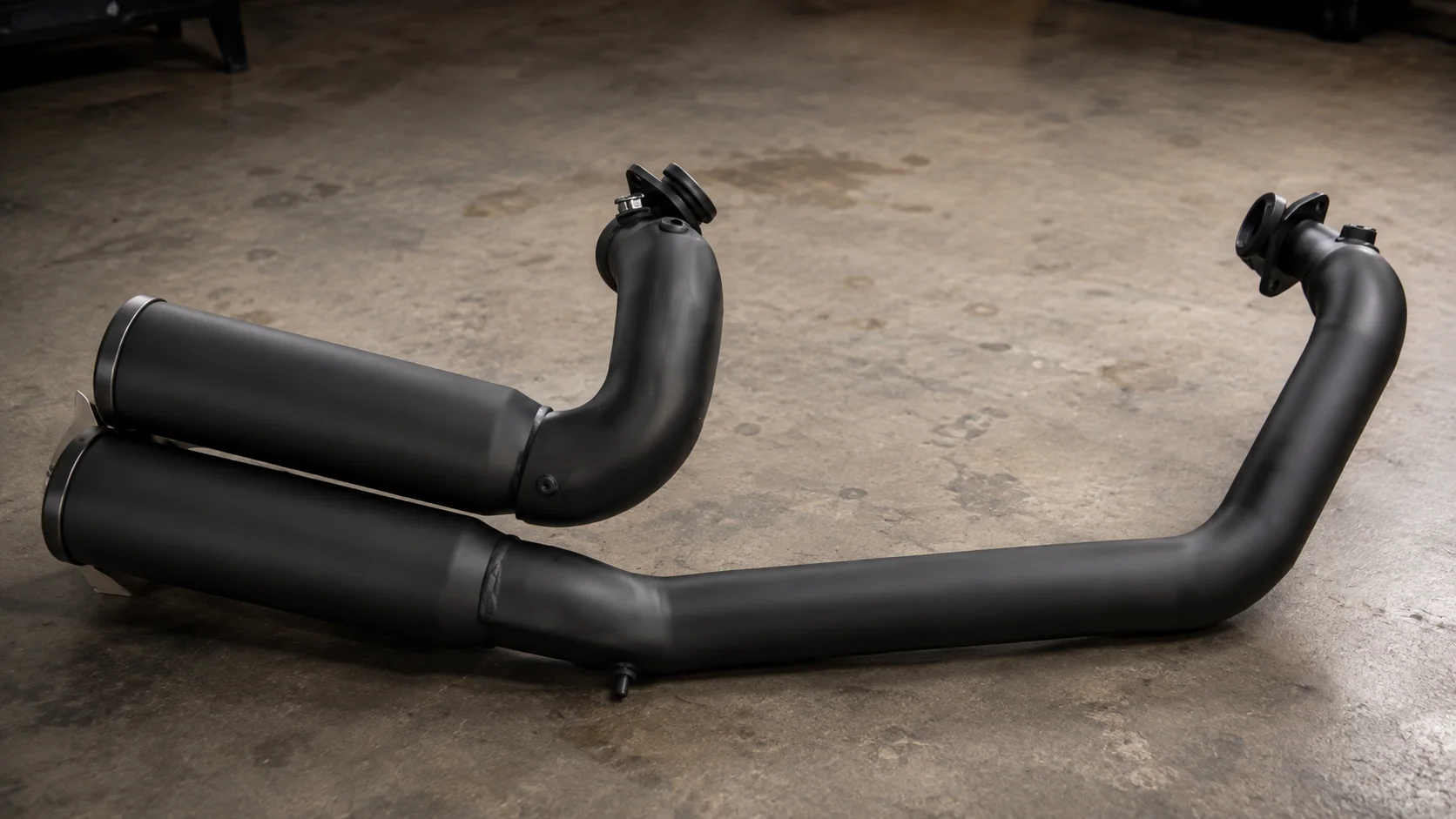
Aliwheels stocks a Street Rod VRSCR exhaust for 2006 and 2007 models, built specifically for that variant’s fitment. If your exhaust shows cracking, heavy rust, or reduced performance, replacement solves both the cosmetic and functional problem together.
Rear Fender Wear on the Muscle Variant
The V-Rod Muscle’s rear fender takes real abuse over time. Road debris, vibration, and years of exposure cause cracking and wear, especially on higher-mileage examples or bikes that spent significant time stored outside.
We stock a V-Rod Muscle VRSCF rear fender for 2009 through 2017 models, built from carbon fiber for genuine durability improvement over the stock unit. If your Muscle’s fender shows cracking or significant wear, this upgrade addresses both appearance and long-term durability at once.
Foot Peg and Control Wear
Footpegs see constant contact and wear over the years, and on the Muscle variant specifically, worn or damaged pegs affect both comfort and control feel. Rubber inserts degrade with UV exposure and age, sometimes cracking or coming loose entirely.
Our stock has V-Rod Muscle VRSCF foot pegs for 2009 through 2017 models, built in aluminum and rubber for genuine durability. If your stock pegs feel worn, loose, or have lost their rubber inserts entirely, this is a straightforward, satisfying upgrade to tackle.
Handlebar Grip Wear and Comfort
Grips wear down over years of use, and worn grips transmit more vibration to your hands than fresh ones do. Given the V-Rod’s higher-revving engine compared to a traditional Harley, hand comfort matters more here than some riders expect.
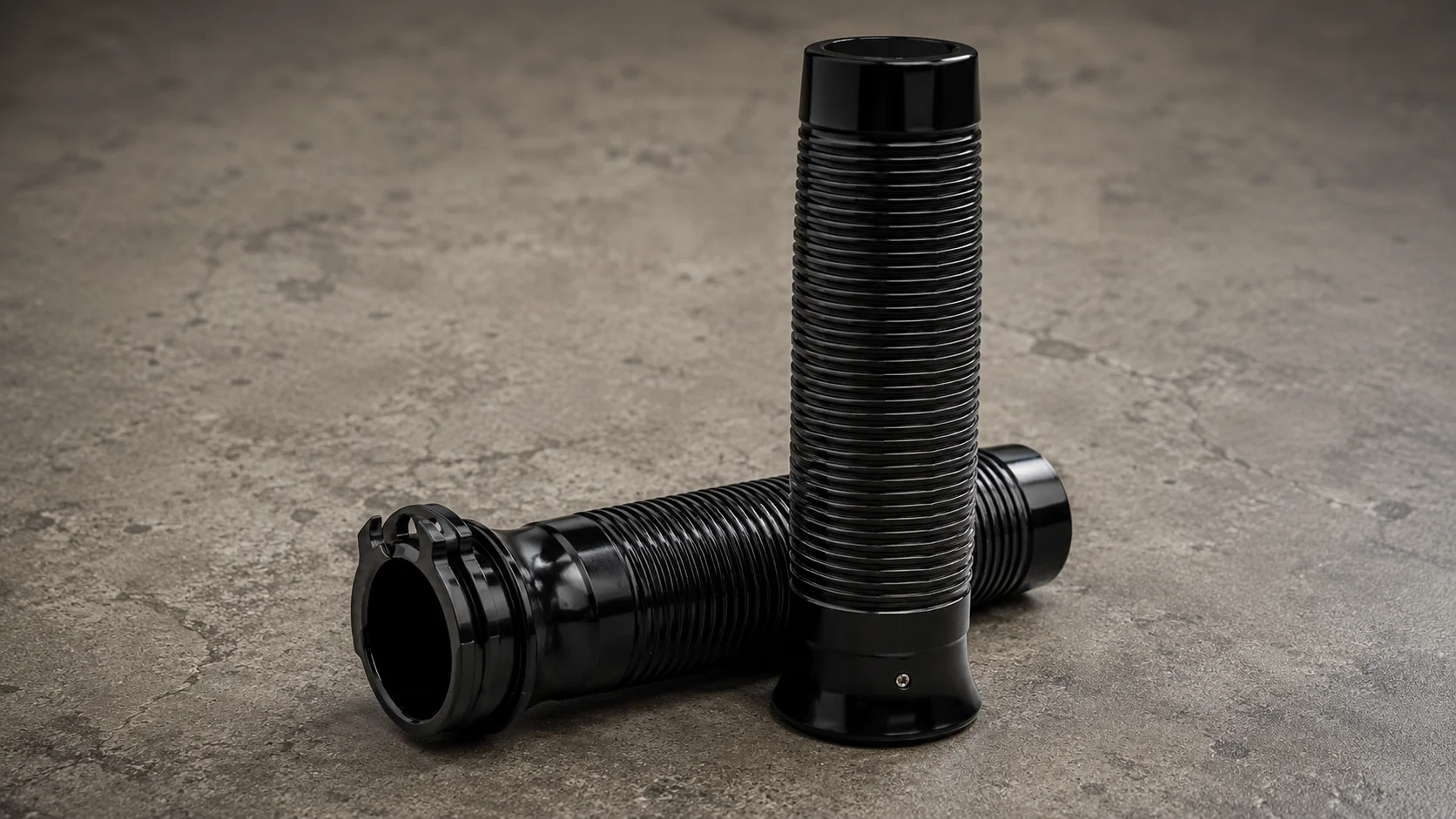
We stock V-Rod Muscle VRSCF handlebar hand grips for 2009 through 2017 models, built in durable aluminum construction. Fresh grips are one of the cheapest, easiest upgrades available for this platform, and the comfort improvement is immediately noticeable on longer rides.
Understanding Which V-Rod Variant You Have
This matters more on the V-Rod platform than on most other Harley models. The base V-Rod, Night Rod, Night Rod Special, V-Rod Muscle, and Street Rod all share core engineering, but bodywork, mounting points, and some mechanical specifics differ between them.
Check your VIN or owner’s documentation to confirm your exact variant before ordering parts. A part built for the V-Rod Muscle will not necessarily fit a base V-Rod or Night Rod Special, even though they share the same underlying platform. This confusion causes more return and fitment headaches than almost any other issue on this list, and it is entirely avoidable with a few minutes of confirmation upfront.
Build a Realistic Maintenance Routine
Every issue covered here gets easier to manage with consistent attention. A liquid-cooled Harley demands a slightly different maintenance mindset than an air-cooled one, and building the right habits protects your investment.
Check coolant level and hose condition monthly, not just during scheduled service. Test charging voltage periodically rather than waiting for a symptom like a dimming headlight. Inspect belt tension and condition according to your service schedule. Look over saddlebag mounting hardware and exhaust condition during regular washing, catching wear before it becomes a bigger problem.
None of these tasks take much time individually. Together, they prevent most of the headaches covered throughout this guide.
What to Check Before Buying a Used V-Rod?
If you are shopping for a V-Rod rather than already owning one, a focused inspection protects your investment. Confirm the exact variant first, since this affects parts availability and resale considerations down the road.
Check coolant condition and look for any signs of past overheating, like discolored plastic near the radiator or a coolant reservoir that looks like it has been topped off repeatedly. Test charging voltage with the engine running. Inspect the belt for wear and confirm proper tension. Look at saddlebag mounting points if the bike has them installed, checking for cracked hardware or loose fasteners.
Ask directly about storage history too. A V-Rod that sat outside for extended periods faces more cooling system and rubber component degradation than one stored properly, even at similar mileage.
Conclusion
The V-Rod remains one of Harley’s most distinctive models, and understanding its liquid-cooled engineering makes ownership significantly smoother. Cooling system care and charging system wear connect directly to the bike’s unique engineering choices. Saddlebag mounting wear and exhaust corrosion connect to age and exposure, affecting every bike differently depending on its history.
None of this should discourage you from owning or enjoying this bike. It remains one of the most unique models Harley ever built, and staying ahead of its specific maintenance needs keeps that experience rewarding for years. Start with whichever issue matches what you are experiencing right now, and confirm your exact variant before ordering any parts, since fitment varies more across the V-Rod family than most other Harley platforms.
Browse our full range of Harley-Davidson V-Rod parts to find fitment-verified components across the platform’s variants and production years.