



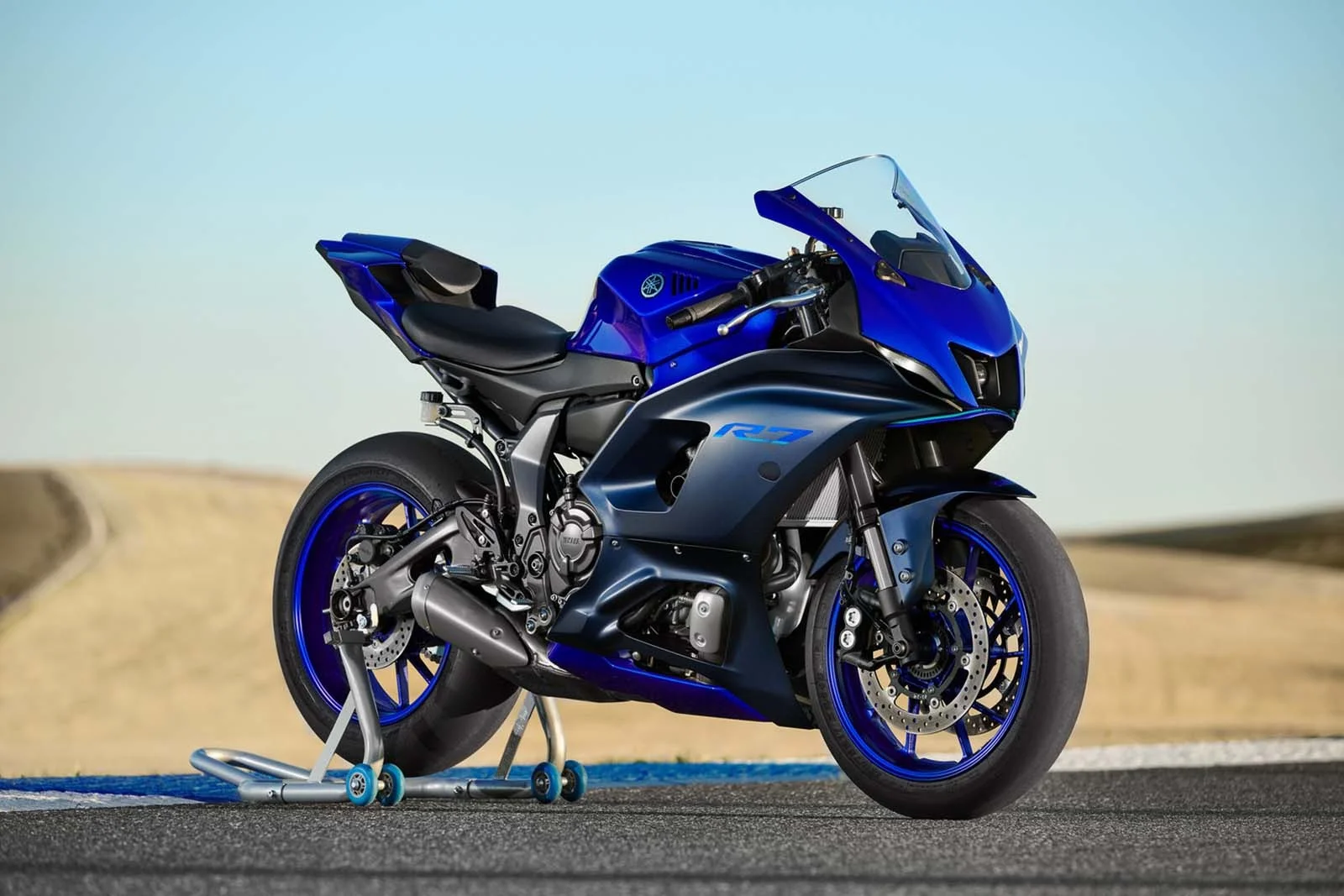

Your Yamaha YZF-R7 won’t start. Or maybe it starts fine, then dies on the highway. Your headlight flickers at idle. Your battery keeps draining, even after a full charge. If any of this sounds familiar, don’t blame the battery yet. The real culprit is often the voltage regulator.
This guide walks you through the exact symptoms, how to test it yourself, and what to do once you’ve confirmed the problem. No guesswork. No unnecessary parts swaps.
What Does a Voltage Regulator Do?
Your R7’s stator generates raw electrical power from the engine. But that power comes out uneven and too strong for your bike’s electronics. The voltage regulator steps in here. It converts that raw AC power into clean, steady DC power. Then it sends that power to charge your battery and run your electronics.
When the regulator fails, this whole chain breaks down. Your battery either overcharges or undercharges. Neither outcome is good for your bike.
Common Symptoms of a Failing Voltage Regulator
Riders on Yamaha forums report the same handful of warning signs, over and over. Here’s what to watch for on your 2022-2024 YZF-R7.
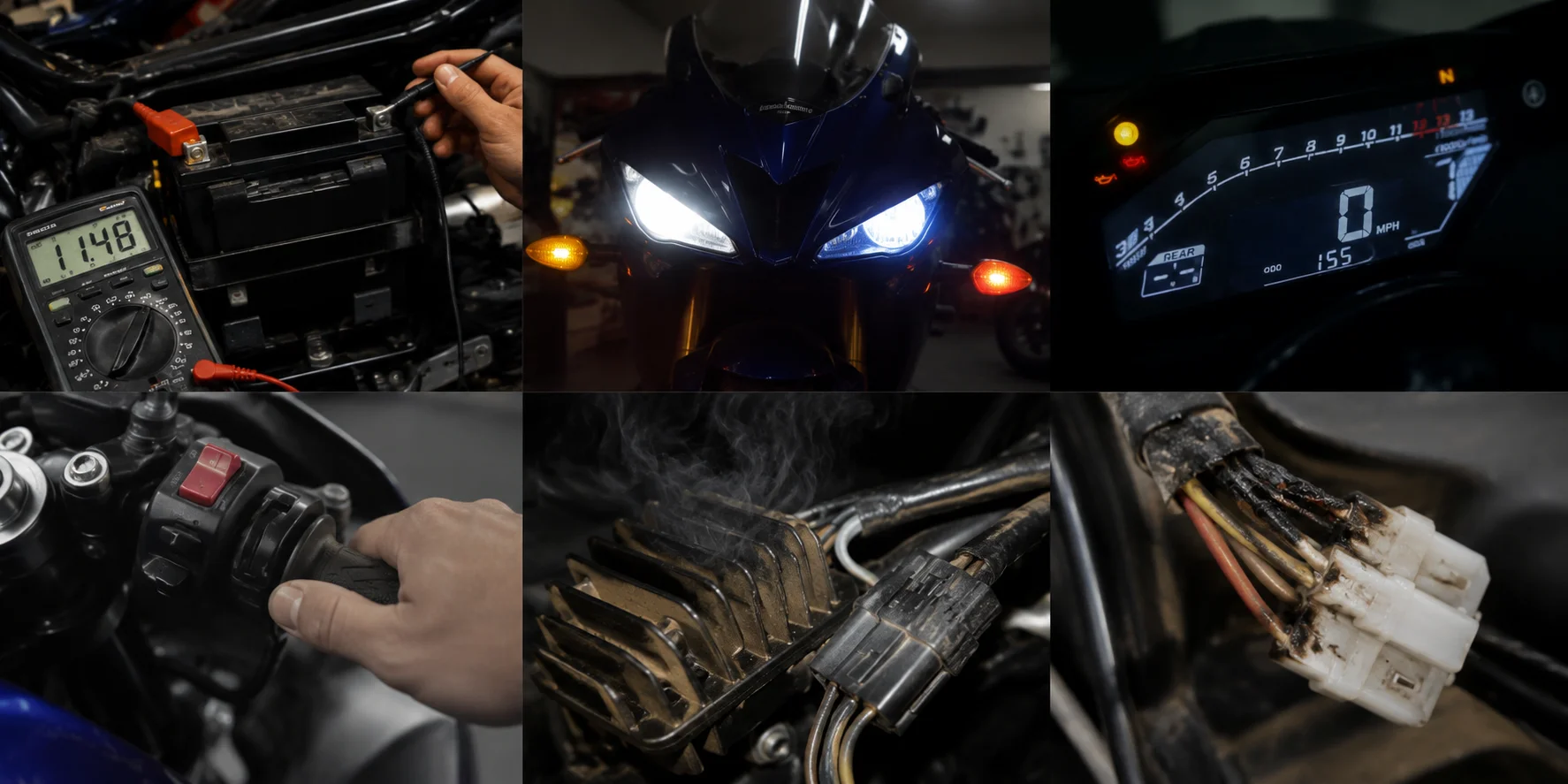
Battery drains even when the bike runs. You’d expect a running engine to charge your battery. Instead, it keeps dying. This usually means the regulator isn’t sending enough voltage back to the battery.
Headlights flicker or dim at idle. Since your regulator controls voltage flow, any instability shows up first in your lights. Flickering at low RPM, then steadying out at higher RPM, is a classic early sign.
Bike won’t start after sitting overnight. A healthy charging system keeps your battery topped up between rides. A failing regulator lets it slowly bleed out.
Burnt smell near the regulator housing. Voltage regulators fail because they overheat internally. Sometimes you’ll catch a faint burning smell before the part dies completely. Don’t ignore this. Replace the part before it takes your battery down with it.
Warning lights on your dash. Some riders see charging system alerts. Others just notice the dash acting strange, dimming or flickering along with everything else.
Melted or discolored wiring near the connector. Open up the regulator housing and check the wiring. Overheating leaves visible damage. Yellow or brown discoloration on the plug means heat has already done damage.
None of these symptoms guarantee a bad regulator on their own. But two or three together, especially the battery drain and flickering combo, point straight at this part.
How to Test Your YZF-R7’s Voltage Regulator
You don’t need a mechanic for this. A basic multimeter and ten minutes get you a clear answer.
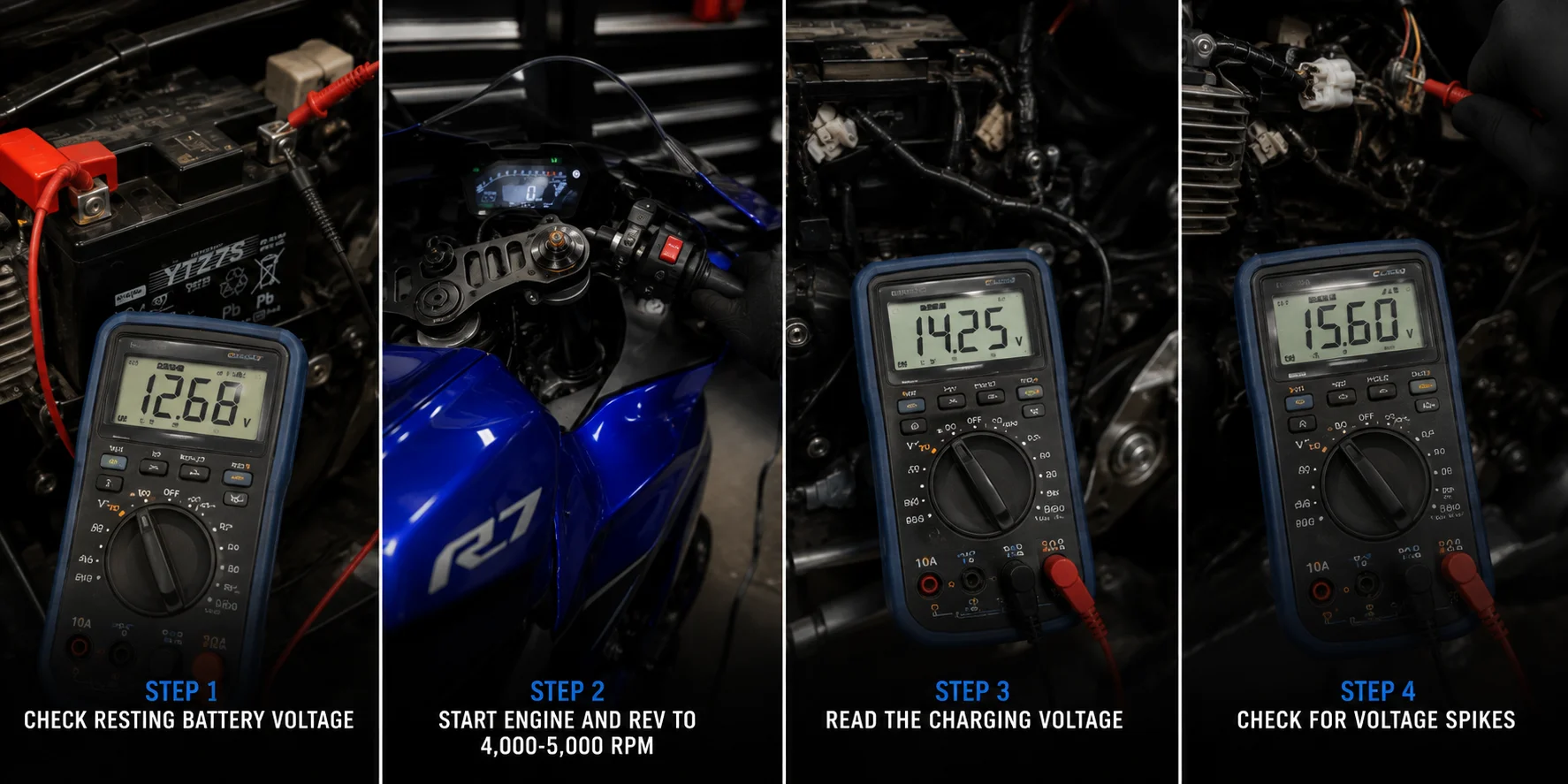
Step 1: Check resting battery voltage. Turn off the bike. Set your multimeter to DC volts. Touch the red lead to the positive terminal and the black to the negative. A healthy battery reads between 12.5 and 12.8 volts.
Step 2: Start the engine and rev to 4,000-5,000 RPM. Keep your multimeter connected the same way. Watch the reading as the engine runs.
Step 3: Read the charging voltage. A properly working regulator should push the reading to somewhere between 13.5 and 14.8 volts. Anything below 13 volts means your system isn’t charging enough. Anything above 15 volts means it’s overcharging, which is just as damaging.
Step 4: Check for voltage spikes. Rev the engine up and down a few times while watching the meter. Steady, smooth changes are normal. Sudden spikes or drops point to a failing regulator.
If your numbers fall outside the healthy range, your regulator has failed or is on its way out. Don’t wait for it to take your battery with it.
The YZF-R7 uses a compact electrical setup packed tightly under the fairings. That tighter space means less airflow around the regulator, and less airflow means more heat buildup during hard riding or hot weather. Riders who track their R7 or ride aggressively in summer report failures showing up earlier than expected. If you fall into that group, keep a closer eye on your charging voltage during regular maintenance checks.
Fixing the Problem
Once you’ve confirmed the regulator is bad, there’s no real repair option. These are sealed units. Replacement is the only reliable fix.
Aliwheels carries the Yamaha YZF-R7 Voltage Regulator (2022-2024), built as a direct fitment replacement for your model year. Swapping it out follows the same steps as testing: locate the unit, disconnect the wiring harness, unbolt it, and mount the new one in its place. Most riders finish the job in under 30 minutes with basic tools.
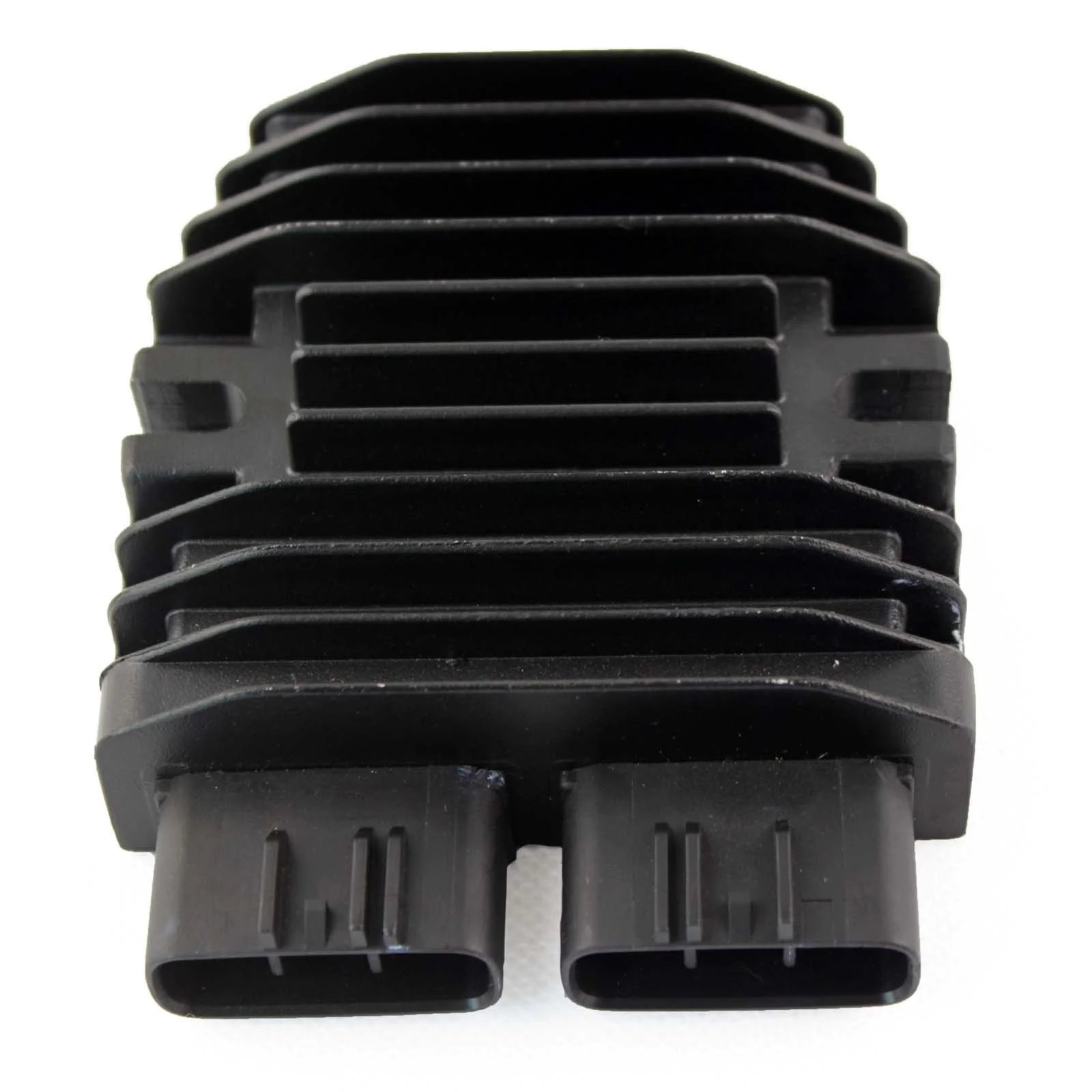
Once the new regulator is in, run the same voltage test again. You should see that steady 13.5 to 14.8 volt range return during a rev-up test.
Preventing Future Failures
A few habits extend the life of your new regulator.
Avoid letting your bike idle for long stretches in hot weather. Idle time generates heat without the airflow that riding provides.
Check your battery terminals regularly. Corrosion adds resistance to the circuit, which forces your regulator to work harder than it should.
Keep the wiring harness clean and free of moisture. Water intrusion is one of the fastest ways to short out electrical components on any bike.
Browse More Yamaha YZF-R7 Parts
If you’re already working on your bike’s electrical system, it’s worth checking the rest of your setup while you’re in there. Aliwheels stocks a full range of fitment-matched parts for your model in the Yamaha YZF-R7 parts collection, covering everything from fairings to electrical components.
Conclusion
A failing voltage regulator on your YZF-R7 rarely fixes itself, and it usually gets worse fast. Catching the early signs- flickering lights, slow battery drain, a faint burning smell- saves you from a dead battery on the side of the road. Test it with a multimeter, confirm the diagnosis, and replace the part before it causes further damage to your electrical system.
If you’ve been chasing a mystery electrical issue on your R7, start here. There’s a good chance this small part is behind the whole problem.