




Many riders believe clutch plates only burn because of aggressive riding, hard launches, or racing behavior. So when clutch plates wear out early despite gentle riding, it feels confusing and unfair. The truth is that most early clutch failures have nothing to do with riding aggressively. They happen because of constant heat, poor engagement, and small mechanical issues that slowly destroy the clutch over time.
Understanding why this happens requires looking at how a motorcycle clutch behaves in real-world riding conditions, especially traffic, heat, and daily use.
How a Motorcycle Clutch Actually Burns?
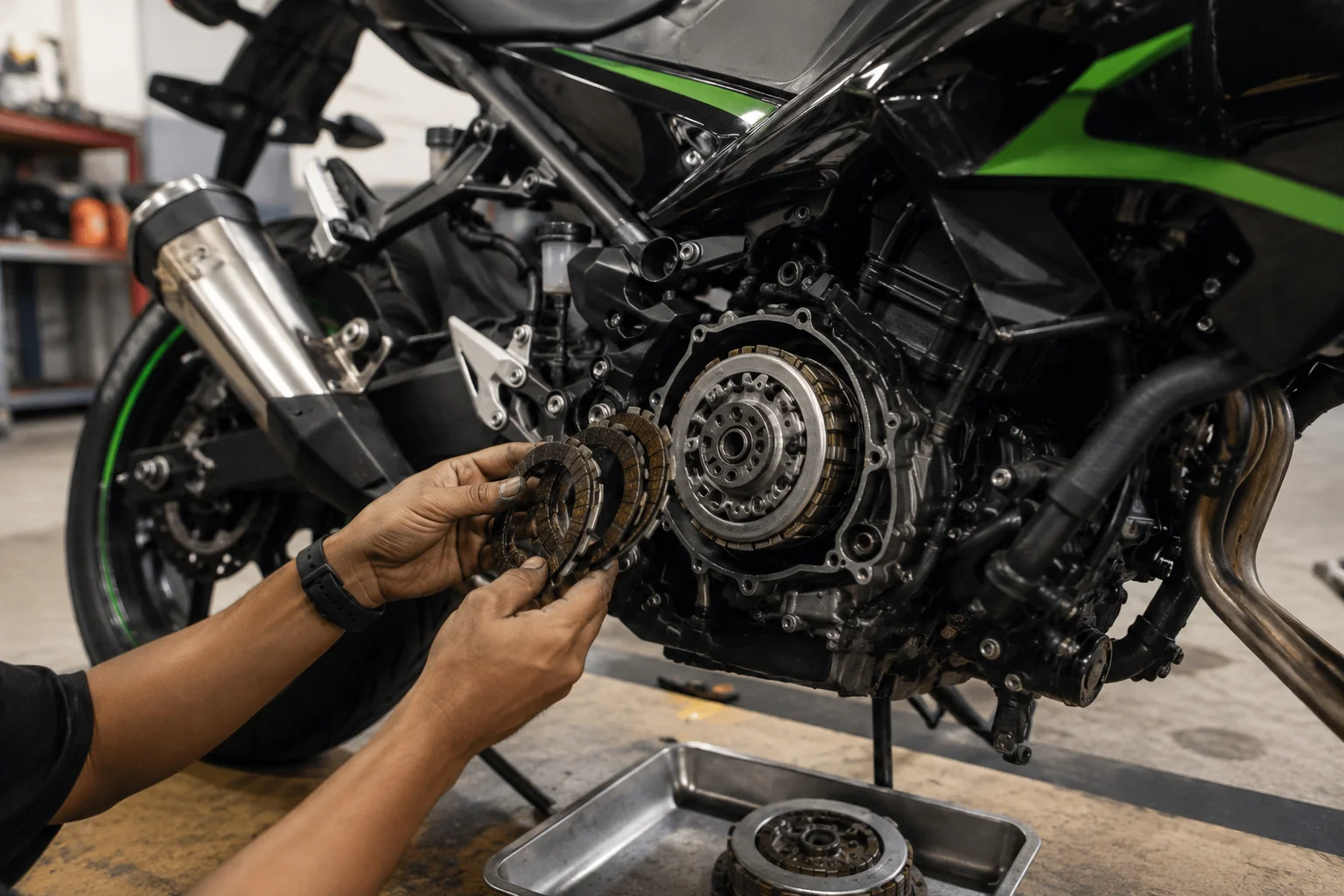
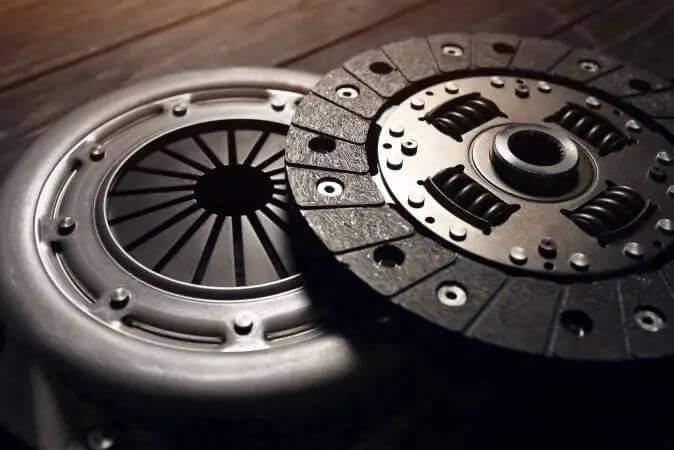
Clutch plates do not fail suddenly. They fail gradually when friction material overheats again and again. A wet clutch is designed to either be fully engaged or fully disengaged. When it stays partially engaged, friction builds heat. When heat becomes excessive, the friction material hardens, glazes, and loses grip.
Once glazing starts, even gentle throttle input causes slipping. That slip generates more heat, accelerating the damage. This is why clutch plates can burn early even on bikes that are never ridden hard.
Riding Gently Can Still Cause Clutch Overheating
Gentle riders often rely heavily on smooth clutch control, especially in traffic. While this feels refined, it is one of the most common reasons clutch plates burn early.
In slow-moving traffic, riders often keep the clutch partially engaged to maintain low speed. This constant half-clutch use creates continuous friction with no cooling time. Unlike aggressive riding, which creates short bursts of heat, traffic riding creates nonstop thermal stress, which is far more damaging.
This is why clutch burning in traffic is one of the most searched motorcycle clutch problems worldwide.
Incorrect Clutch Free Play Causes Constant Slip
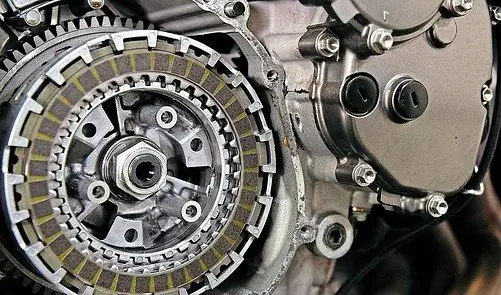
Clutch free play is critical, yet most riders never check it after initial setup. If the clutch cable is adjusted too tight, the clutch never fully locks, even when the lever is released. This causes micro-slip at all times, including at highway speeds.
The rider may not feel anything wrong initially, but the clutch plates are slowly overheating. This is a major reason riders experience clutch slipping after adjustment or clutch failure soon after service.
Weak Clutch Springs Burn Plates Faster Than Riding Style
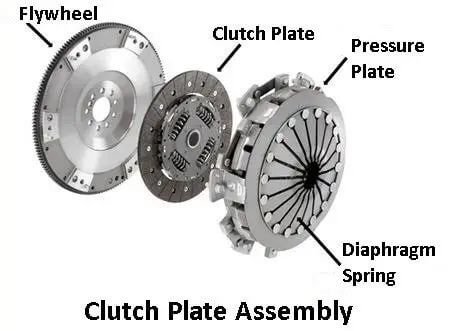
Clutch springs apply pressure that keeps the plates tightly compressed. Over time, especially in city riding and hot climates, these springs lose tension. When spring pressure drops, the clutch starts slipping under load even with gentle throttle.
Many clutch replacements fail early because mechanics replace only friction plates and reuse old springs. Without proper spring pressure, new plates burn just as quickly as the old ones.
Wrong Engine Oil Can Destroy a Wet Clutch
Using the wrong engine oil is one of the fastest ways to burn clutch plates. Wet clutches require oils that meet JASO MA or MA2 standards. Oils designed for cars often contain friction modifiers that reduce grip between clutch plates.
When the wrong oil is used, the clutch starts slipping, glazing occurs, and heat builds rapidly. Riders often notice clutch problems immediately after an oil change and do not realize oil compatibility is the cause.
Heat, Climate, and Stop-and-Go Riding Effects
Environmental conditions play a major role in clutch lifespan. Riding in high temperatures, heavy traffic, or low-speed conditions reduces cooling and increases oil temperature. Air-cooled and oil-cooled engines suffer the most under these conditions.
Even perfect riding habits cannot overcome constant heat exposure. This explains why riders in hot regions often experience shorter clutch life despite careful riding.
Poor Installation and Low-Quality Parts
Clutch lifespan is also affected by installation quality and component choice. Friction plates must be soaked in oil before installation. Steel plates should be checked for warping. Warped plates create uneven contact, causing hot spots that burn friction material quickly.
Low-quality aftermarket clutch plates often use inferior materials that cannot tolerate sustained heat, especially in traffic-heavy riding.
Gentle Riding Habits That Quietly Damage Clutches
Some habits feel smooth but are mechanically harmful. Holding the clutch at traffic lights instead of shifting to neutral keeps the clutch under load. Using the clutch to control speed instead of throttle and brakes increases slip time. Riding uphill while feathering the clutch instead of downshifting adds significant heat.
These habits explain why many riders ask why clutch plates wear fast even with gentle riding.
Early Warning Signs of Clutch Burning
Clutch damage rarely happens without warning. Common signs include a burning smell after traffic riding, engine revs rising without matching acceleration, loss of power on inclines, or a sudden change in clutch engagement point. Ignoring these signs almost always leads to complete clutch failure.
How to Prevent Early Clutch Plate Failure?
Preventing clutch burn is about reducing heat and eliminating unnecessary slip. Proper clutch free play, correct motorcycle oil, healthy clutch springs, minimal half-clutch use, and allowing the clutch to cool in extreme conditions dramatically extend clutch life.
Conclusion
If your clutch plates burn early even though you ride gently, it does not mean you are doing everything right. It means your clutch is slipping when it should not be. The cause is usually traffic riding habits, incorrect adjustment, weak springs, oil incompatibility, or heat buildup.
Fix the root cause once, and your clutch will last the way it was designed to.