


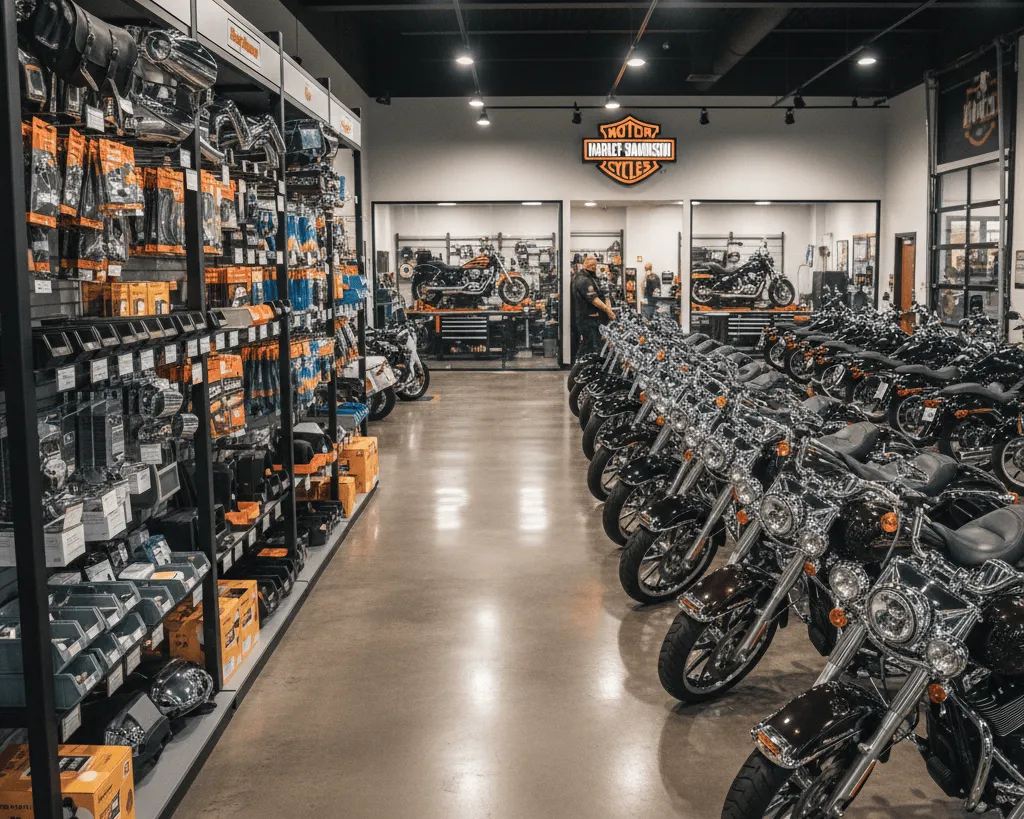

Harley-Davidson motorcycles are built to last, but anyone who has ridden knows a simple truth. Mileage changes everything. Heat cycles, vibration, weight, and long highway runs slowly wear down parts that worked perfectly when the bike was new. Riders searching for Harley-Davidson parts are usually not chasing upgrades at first. They are trying to fix something that started acting up after thousands of miles.
This guide focuses on the Harley parts that most commonly fail with mileage, why they fail, and what you can realistically replace yourself if you are willing to spend some time in the garage. This is not about scare tactics or pushing unnecessary replacements. It is about understanding wear patterns so problems do not leave you stranded.
Charging System Parts That Fail Without Warning
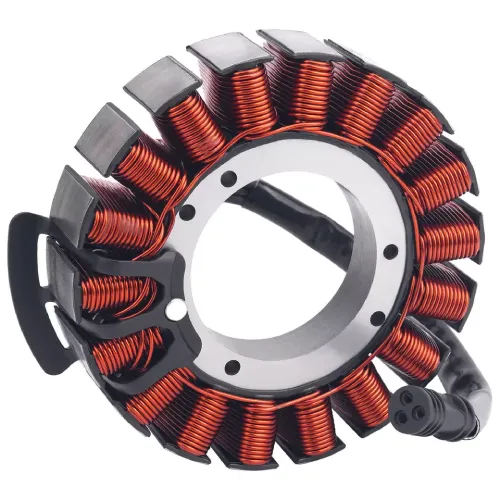
One of the most common reasons riders start looking for Harley Davidson parts is a sudden electrical issue. The bike cranks slowly, the lights flicker, or the battery keeps dying even after replacement.
The usual culprits are the stator and voltage regulator.
Harley charging systems work hard. Long rides, heat buildup, and stop-and-go traffic stress electrical components. Over time, insulation inside the stator breaks down, and regulators lose their ability to control voltage properly.
Replacing a voltage regulator is one of the easier Harley repairs. It usually involves unplugging the old unit, removing a few bolts, and installing the replacement. Stator replacement is more involved because it requires removing the primary cover, but many riders do it themselves with basic tools and patience.
If your battery keeps failing or your headlights change brightness with engine speed, the charging system should be checked before blaming the battery again.
Clutch Components That Wear Faster Than Expected
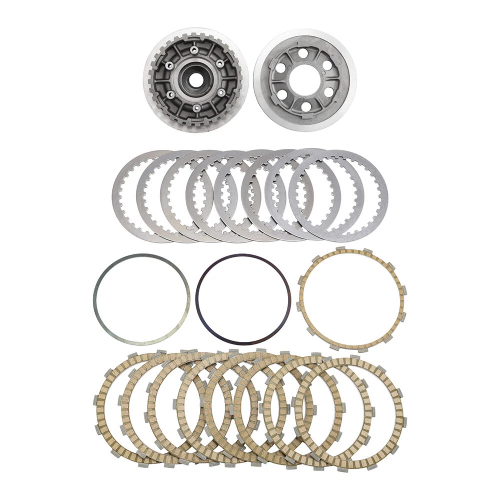
Mileage adds up fast on Harley clutch systems, especially on heavier touring models and bikes ridden aggressively in traffic. Worn clutch plates are a very common reason riders search for Harley-Davidson parts online.
Symptoms usually start subtly. Slipping under hard acceleration, difficulty finding neutral, or a clutch lever that feels different than before. These issues worsen gradually, which makes riders ignore them until the clutch finally gives up.
Replacing clutch plates is well within reach for a home mechanic. The job involves draining primary fluid, removing the primary cover, and swapping the friction and steel plates. While you are there, inspecting the clutch hub and springs is smart.
Clutch wear depends heavily on riding style. Frequent stop-and-go riding, aggressive launches, and towing loads all shorten clutch life. Replacing worn plates early prevents damage to more expensive components.
Primary Chain and Tensioner Wear
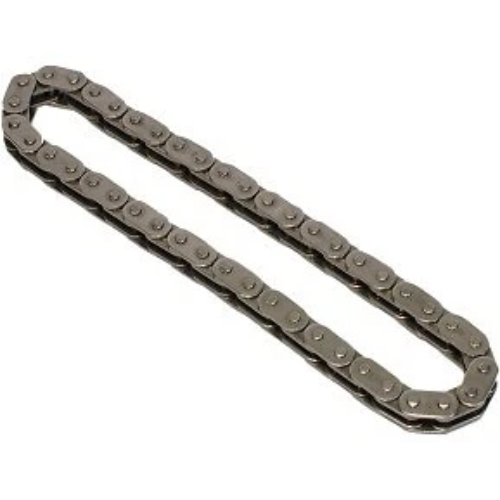
Primary drive components quietly wear as mileage climbs. The primary chain stretches over time, and automatic tensioners can fail or lose effectiveness.
Riders often notice new noises first. Rattling at idle, clunking when shifting, or vibration that was not there before. These are signs that the primary drive needs attention.
Primary chain tension is adjustable on many Harley models, and checking it regularly can extend component life. Replacing a worn tensioner or chain requires opening the primary case, but the procedure is straightforward if you follow the service manual steps.
Ignoring primary drive wear can lead to chain damage, sprocket wear, or even internal engine damage in extreme cases.
Wheel Bearings and Steering Head Bearings
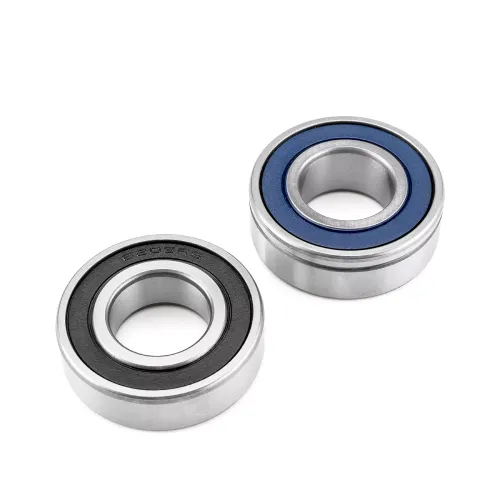
High-mileage Harleys put a serious load on wheel bearings and steering head bearings. Long highway rides, heavy bikes, and added luggage all accelerate wear.
Worn wheel bearings often show up as vague handling, wobble at speed, or grinding noise when rotating the wheel. Steering head bearings usually fail more slowly. Riders notice a notchy feeling when turning the bars or instability during slow maneuvers.
Replacing wheel bearings is a manageable job with basic tools and a bearing driver. Steering head bearings require more disassembly but are still a common do-it-yourself repair for experienced riders.
Fresh bearings dramatically improve handling and rider confidence, especially on older bikes.
Rubber Mounts and Bushings That Degrade Over Time
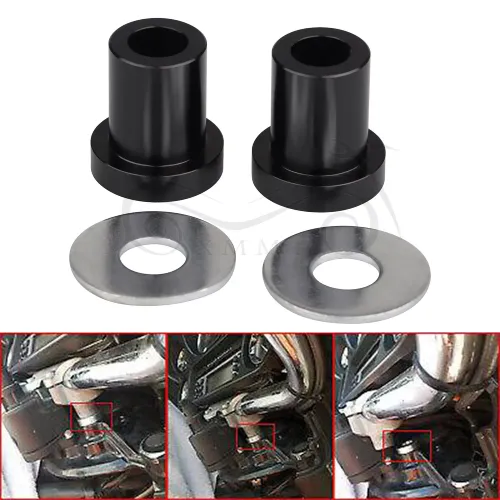
Harleys rely heavily on rubber components to manage vibration. Over time, rubber hardens, cracks, or collapses.
Motor mounts, stabilizer links, exhaust mounts, and control bushings all degrade with mileage and age. Riders often mistake worn mounts for engine or transmission problems because vibration increases noticeably.
Replacing rubber components restores ride comfort and reduces stress on other parts. These replacements are usually simple bolt-on jobs and make a bigger difference than many performance upgrades.
If your bike feels harsher than it used to or vibrations have increased without other changes, worn mounts are worth inspecting.
Brake System Wear Beyond Pads
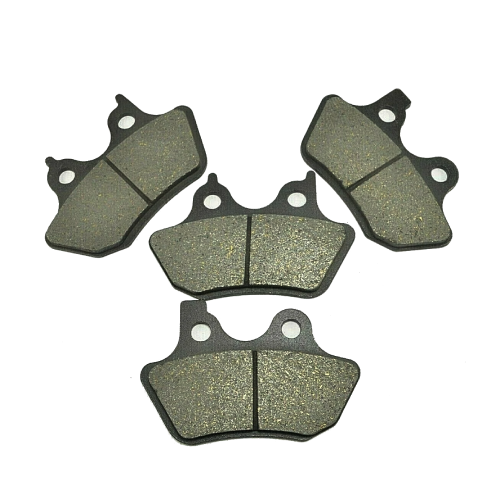
Brake pads are obvious wear items, but high-mileage Harleys often need more attention. Brake hoses can swell internally, calipers can stick, and master cylinders wear out.
Symptoms include a spongy lever, uneven braking, or dragging brakes. Replacing brake lines with fresh units and rebuilding calipers restores braking performance and safety.
Brake work requires attention to detail but is well within the capabilities of careful home mechanics. Cleanliness and proper bleeding are critical.
Reliable brakes are not optional on heavy motorcycles, especially when loaded for touring.
Fuel System Components That Age Out
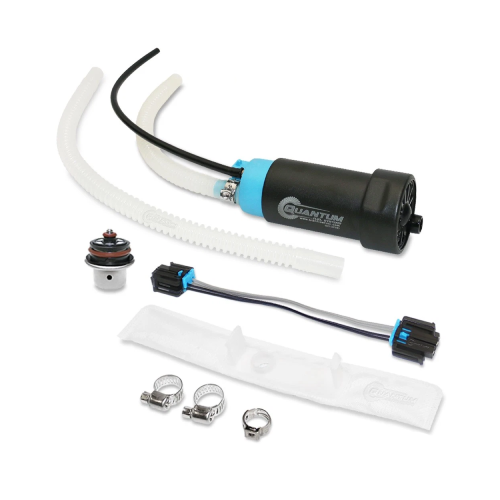
Fuel pumps, injectors, and petcocks do not last forever. Ethanol fuel accelerates wear, especially on bikes that sit unused.
Hard starting, hesitation, or inconsistent throttle response are common signs of fuel system problems. Replacing aging fuel components prevents roadside breakdowns and protects engine health.
Many fuel system repairs are bolt-on replacements, but cleanliness is key. Dirt introduced during installation causes more problems than the original failure.
How Preventive Replacement Saves Money?
Many riders wait until parts fail before searching for Harley-Davidson parts. That approach often costs more in the long run. A worn component can damage surrounding parts, turn a simple fix into an expensive repair, or leave you stranded far from home.
Inspecting known wear items at regular mileage intervals keeps repairs predictable and manageable. It also allows riders to plan upgrades instead of reacting to failures.
Suggestions for High Mileage Harley Owners
Harley-Davidson motorcycles reward riders who pay attention to wear patterns. The parts that fail with mileage do so for predictable reasons. Heat, vibration, weight, and time take their toll.
Replacing worn Harley-Davidson parts yourself is not only possible, but it is also part of the ownership experience many riders enjoy. With basic tools, a service manual, and patience, most of these repairs are achievable and deeply satisfying. Understanding what fails and why turns maintenance into confidence. Instead of worrying about the next breakdown, you ride knowing your bike is ready for the miles ahead.