


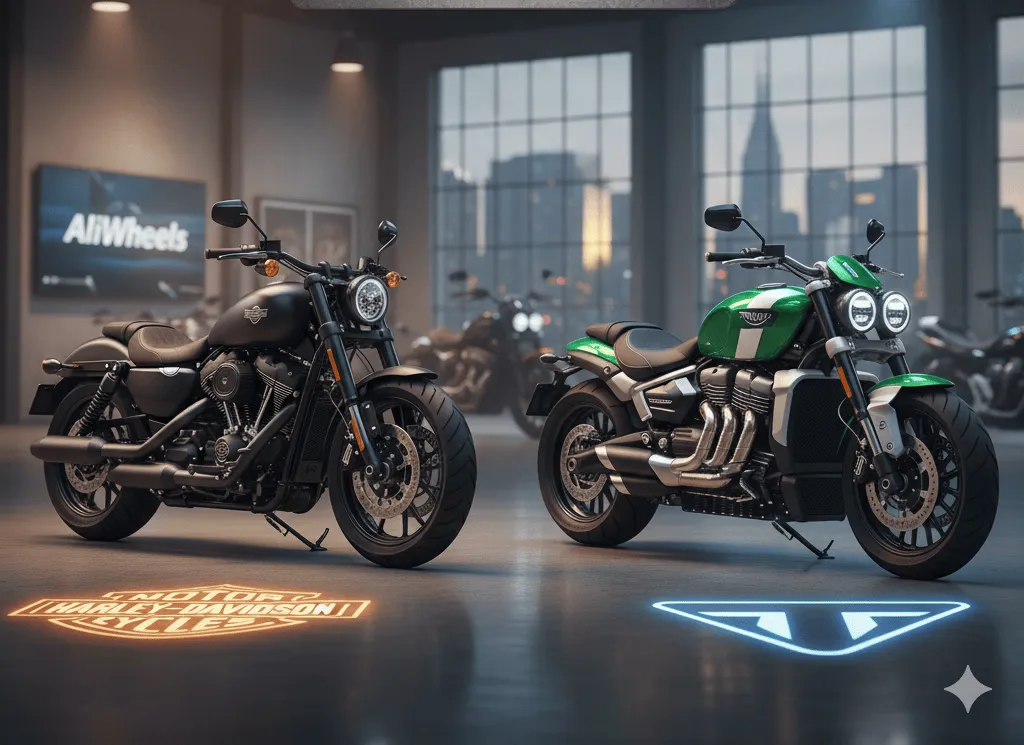

If you are looking for a cruiser in 2026, two brands will always pull your attention in opposite directions. Harley offers tradition, torque-heavy engines, and the strong presence that defines American motorcycling for over a century. Triumph offers refinement, British engineering, modern performance, and a fresh approach to the cruiser segment. Riders often feel confused between these two choices, Harley vs Triumph, asking the same question every year: “Should I buy a Harley or a Triumph cruiser”?
The answer is not simple, because both brands approach the cruiser identity from two entirely different perspectives. Harley stays rooted in classic V Twin character. Triumph brings a more European style, with parallel twin engineering and performance tuning that blends sportiness with relaxed ergonomics. Both build premium cruisers, but the experience you get from each one is very different.
This Aliwheels 2026 comparison breaks down engines, comfort, handling, long-distance capability, aftermarket ecosystem, cost of ownership, reliability, and real-world riding feel. It is built for riders who want a full understanding before making a long-term investment. If you are evaluating Harley vs Triumph for your next cruiser, this guide will give you the clarity you need.
Harley vs Triumph: Decoding the Debate
Harley-Davidson builds cruisers that feel heavy, slow revving, and powerful at low RPM. They are about emotion and presence. The rumble. The idle. The long and low silhouette. A Harley is not built to be the fastest cruiser. It is built to feel like a cruiser. That distinction is intentional.
Triumph, on the other hand, builds cruisers that borrow elements from sport touring engineering. The engines rev quicker. The handling feels lighter. The power delivery is smoother. Triumph cruisers are not designed to imitate American muscle. They are designed to offer a more modern and athletic interpretation of cruiser riding.
This difference in philosophy is the foundation of every comparison. Once you understand this, you understand the entire Harley vs Triumph debate.
Engines: V Twin vs Parallel Twin Personality
Harley Davidson Engines (2026)
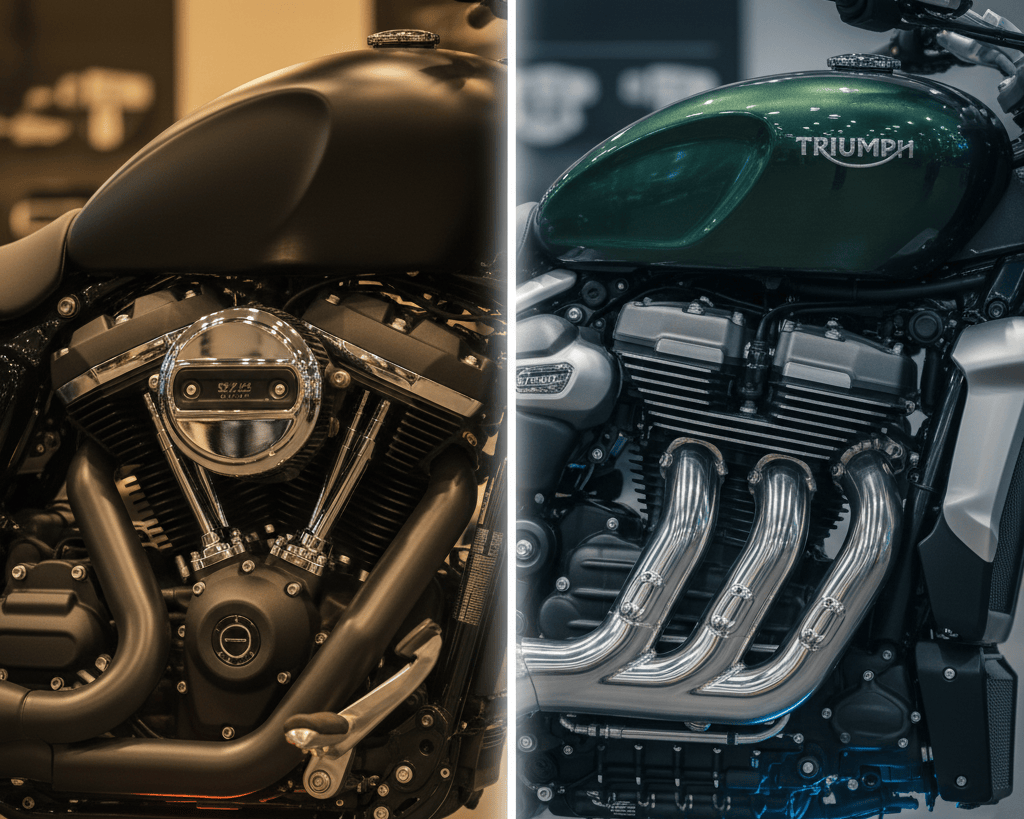
Harley’s modern lineup includes the Milwaukee-Eight engines in various displacements. The torque curve defines the entire feel. Harleys make most of their power low in the RPM range, giving riders that strong pull from a standstill. The engine itself becomes part of the character. The vibration. The sound. The mechanical weight.
Riding a Harley is not about horsepower. It is about the torque you can feel in your chest.
Triumph Cruiser Engines (2026)
The Triumph uses modern liquid-cooled parallel twins in the Bonneville Bobber, Speedmaster, and Rocket series. Triumph twins are incredibly smooth, with instant throttle response and fewer vibrations. They rev quicker and deliver more top-end power. The Rocket 3 R, for example, produces performance numbers that are closer to a muscle car than a traditional cruiser.
Riding a Triumph is about smooth acceleration, refined engineering, and a more precise feel.
Which one is better in 2026? Let’s Analyze
If you want emotional grunt and signature cruiser personality, Harley wins.
If you want modern engineering, smoothness, and raw speed, Triumph wins.
Comfort and Long Ride Ergonomics
Comfort is one of the biggest decision factors between these two brands.
Harley Comfort
Harley builds cruisers for long highway travel. Wide seats. Relaxed arm stretch. Foot pegs positioned for comfort on long roads. The suspension tuning on touring-focused Harleys absorbs rough surfaces without transferring shock to the rider. For riders planning cross-country trips or multi-state journeys, Harley remains one of the best long-distance cruiser experiences available.
Triumph Comfort
Triumph offers a more neutral and upright riding geometry. Their seats are typically more supportive but firmer. Triumph cruisers feel lighter in traffic and easier to manage in the city, but some riders prefer Harley’s heavyweight stability on long straight roads.
Triumph’s suspension is more performance-tuned, meaning it handles corners extremely well, but may not float over rough highways the way a Harley does.
Which one is better for comfort?
For long-distance touring, Harley feels like a couch on wheels.
For city riding, daily commuting, and weekend curves, Triumph feels easier, lighter, and more responsive.
Handling and Ride Control
Harley Handling
Harleys feel heavy at low speeds but extremely stable once rolling. They excel in straight-line comfort and predictable cruising. They are not built to carve corners aggressively, and riders choose them for the relaxed, planted feel rather than agility.
Triumph Handling
Triumph cruisers handle like roadsters disguised as cruisers. They corner better, react quicker to input, feel lighter, even when they weigh similarly to Harley models. Riders who enjoy twisty mountain roads or spirited acceleration often lean toward Triumph.
Which one wins handling?
Triumph dominates handling dynamics.
Harley delivers unmatched stability on long, straight highways.
Aftermarket Upgrade Ecosystem
This is where Harley still holds the crown in 2026.
Harley has the largest aftermarket ecosystem in the world. Seats, bars, exhausts, lighting upgrades, luggage systems, suspension kits, custom bodywork, everything you can imagine has an aftermarket version. Riders often say that buying a Harley is buying a platform. You personalize it and make it your own.
Triumph has a growing aftermarket world, especially for the Rocket and Bobber series, but it is nowhere close to Harley’s scale. Many Triumph owners still rely on OEM accessories or high-end niche brands.
For riders who enjoy customizing their motorcycle and turning it into a long-term project, Harley remains the better choice.
Technology, Features, and Modern Electronics
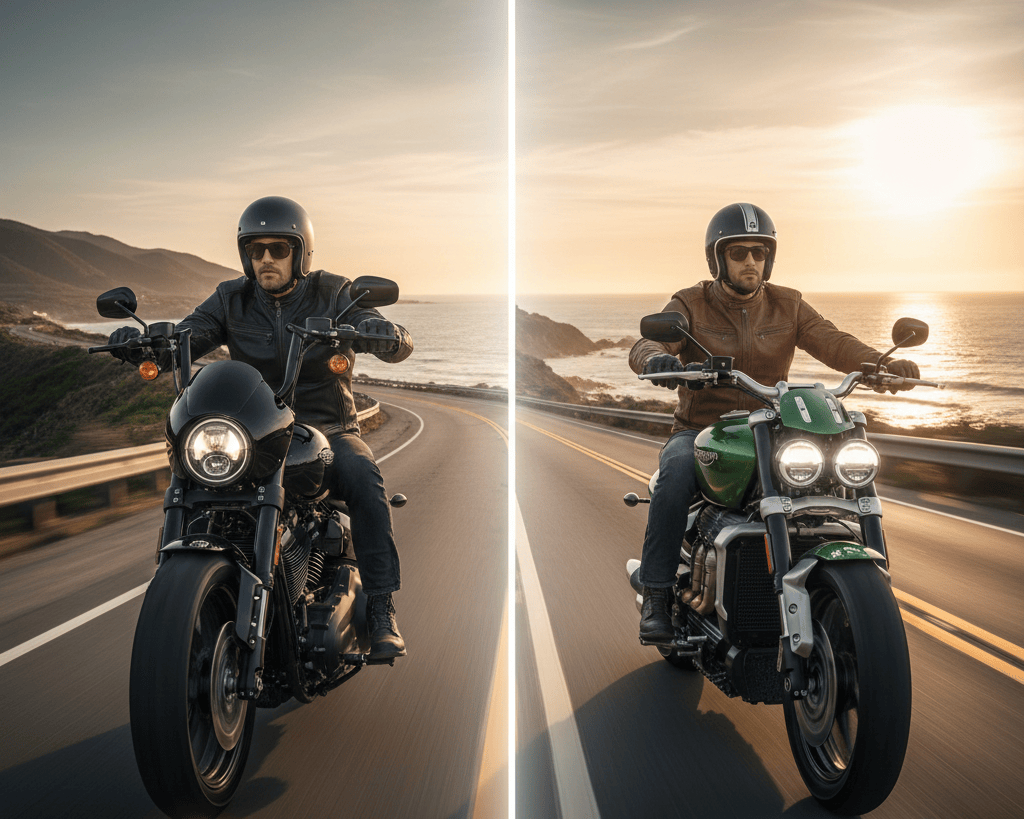
Triumph generally offers more modern tech features as standard. Their bikes often include ride modes, traction control, cornering ABS, better digital displays, cruise control, and advanced braking systems.
Harley has modernized significantly, but their tech still leans more toward touring models rather than mid-range cruisers.
If your priority is electronics and performance tech, Triumph gives more value per dollar in 2026.
Cost of Ownership and Maintenance
Harley Ownership Costs
Harleys require routine mechanical maintenance for their V Twin engines. Oil changes, belts, spark plugs, gasket inspections, and periodic engine adjustments. Parts are widely available and affordable, but maintenance frequency is higher.
Fuel consumption is also higher on most Harley models. Insurance tends to be moderate, depending on engine size.
Triumph Ownership Costs
Triumphs require less frequent maintenance intervals. Liquid-cooled twins tend to be more efficient and reliable long term. Fuel consumption is significantly lower than comparable Harley models.
However, Triumph parts are often more expensive, and in some regions, service centers are limited.
Which is cheaper to own?
Harleys cost more in routine maintenance.
Triumphs cost more if you need major repairs or OEM parts.
Fuel economy heavily favors Triumph.
For most riders, real-world ownership costs over five years are similar, but Triumph wins in fuel savings while Harley wins in cheap aftermarket part availability.
Reliability and Durability
Harley has improved reliability dramatically over the last decade, especially with Milwaukee-Eight engines. Parts availability and mechanic familiarity mean repairs are fast and predictable.
Triumph engines are extremely reliable, refined, and engineered for long life. Parallel twin engines often outlast traditional air-cooled V-Twins with fewer issues.
Both brands score high in reliability, but Triumph edges ahead on pure engineering stability while Harley wins on service accessibility.
Which Cruiser Feels Better To Ride?
This is the heart of the debate.
A Harley feels like heritage. It feels like weight, sound, vibration, presence, and character. You are emotionally connected to the machine, not just mechanically. Riders who love Harleys love them for the feel, not the numbers.
A Triumph feels smooth, fast, balanced, and clean power delivery. Riders who switch from Harley to Triumph often say they did it for the performance and agility. Riders who switch back say they missed the raw cruiser soul.
There is no right answer. It depends entirely on what you want from a daily riding experience.
Who Should Buy Harley in 2026?
Choose Harley if you want:
- Classic American cruiser feel
- Deep aftermarket customization
- A bike that grows with you over the years
- Iconic styling and low-end grunt
- Superior long-distance comfort
- The largest riding community in the world
Harley is the right choice for riders who want a lifestyle bike, not just a machine.
Who Should Buy Triumph in 2026?
Choose Triumph if you want:
- Modern engineering
- Smooth and fast acceleration
- Refined ride quality
- Better cornering ability
- Premium features for the price
- Cool and unique cruiser style without copying American design
Triumph is the right choice for riders who want performance and modern comfort wrapped in cruiser aesthetics.
Final Verdict: Harley vs Triumph in 2026
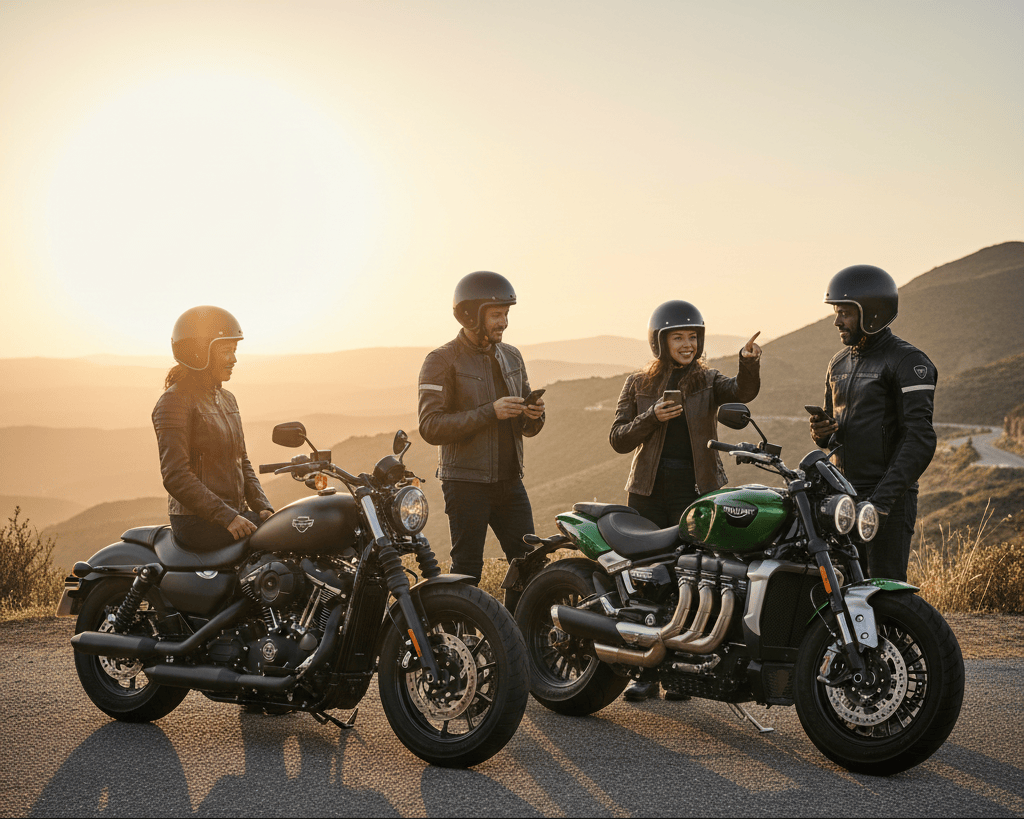
The final decision comes down to identity.
Harley is the emotional choice. Heavy, powerful, classic, iconic, endlessly customizable. It is a bike that represents cruiser culture itself.
Triumph is the modern choice. Agile, refined, sharp, smooth, technologically advanced.
If you want something that feels like a traditional cruiser with unmatched community and customization options, choose Harley.
If you want a performance-focused cruiser with modern engineering and a unique riding experience, choose Triumph.
Both brands deliver premium motorcycles. Both feel completely different. And both can serve you well for years. Your riding style, priorities, and personality will decide which one you will enjoy more.