




Ten years ago, the idea of fully electric Harleys sounded like a punchline. Harley riders were rooted in the deep rumble, the mechanical heartbeat, the fuel smell, and the raw personality of gas engines. Today, that conversation has shifted. Not because the culture changed, but because Harley shocked the industry with something very few expected.
The Introduction of the LiveWire
Since then, Harley electric cruisers are no longer seen as futuristic experiments. They are becoming part of the real riding ecosystem. Riders, whether loyal Harley owners or curious newcomers, now want to understand what living with an electric Harley actually feels like. Not the marketing speeches. Not the hype. The real-world experience. The charging. The range. The maintenance. The upgrades. The cost of ownership. And the big debate that still echoes across forums: “Will electric Harleys ever replace gas Harleys?”
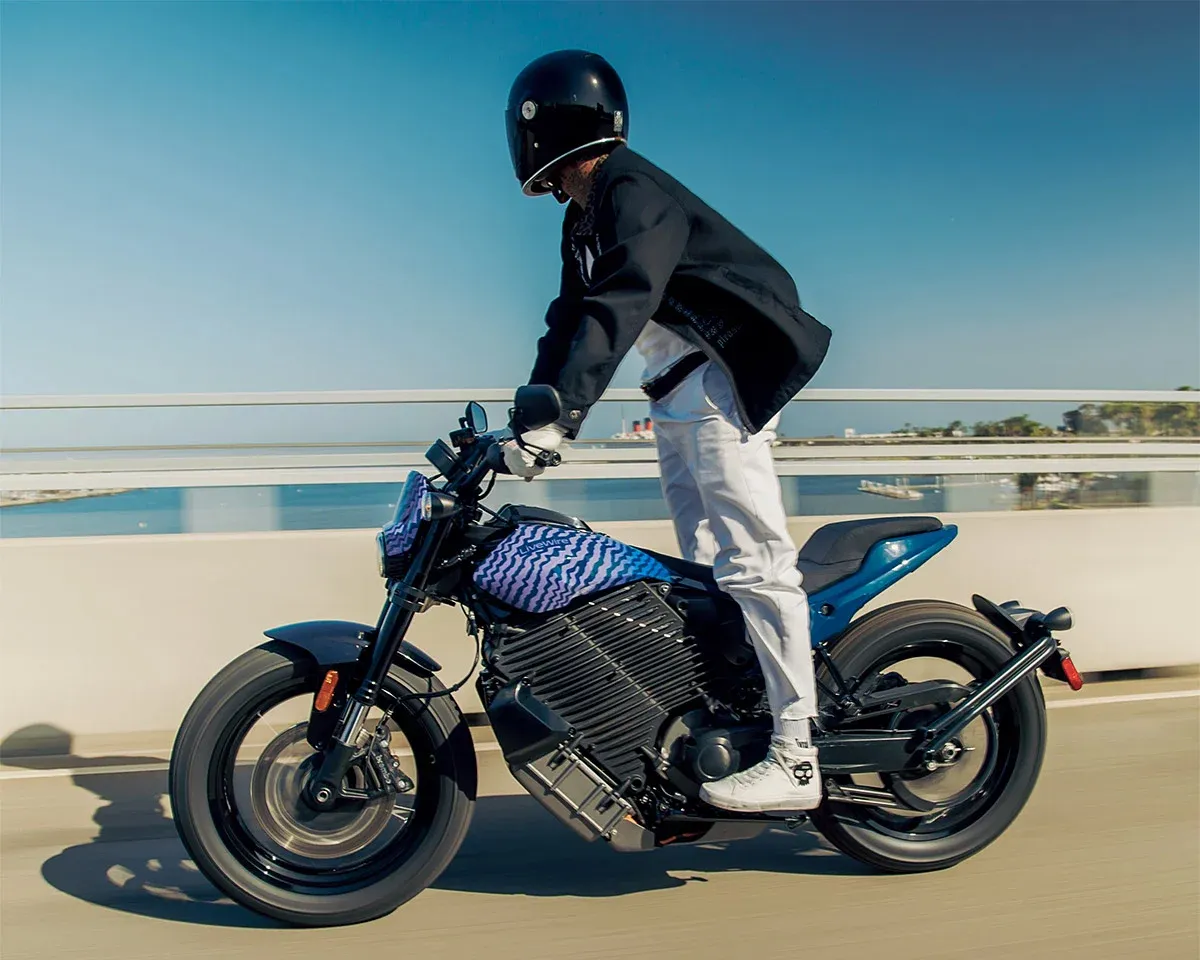
This guide defines everything in a rider-friendly, practical, non-technical way. If you are considering the LiveWire, comparing it with gas Harleys, or simply trying to understand the future of cruiser riding, this will give you a clear, honest picture.
Why Harley Expanded into EVs?
Harley’s move into electric was not a trend-chasing experiment. It was a strategic shift. Younger riders were shrinking. Electric vehicle markets were exploding. Urban commuting was becoming crowded. And Harley needed new riders while keeping the core culture alive.
The LiveWire became Harley’s proof of concept. A bike that keeps the premium build quality and signature styling while stepping into a new category. The focus was not on competing with gas Harleys. It was about expanding Harley into the future while keeping the brand from stagnating.
And despite the controversy, the LiveWire impressed one group: riders who actually tested it. The instant torque. The silent acceleration. The smooth throttle response. The stability in corners. It delivered a completely different kind of thrill. Not better or worse. Just different.
The Typical Electric Harley Range
One of the biggest concerns among riders is range. Harley lists official numbers, but riders want to know what the LiveWire delivers in real-world conditions.
Here is a realistic breakdown based on rider reports, long route tests, and mixed condition analysis.
City range: Typically 140 to 150 miles.
Since electric motorcycles regenerate power during braking, city riding actually extends range.
Highway range: 70 to 90 miles, depending on speed.
Consistent highway cruising drains an electric battery faster since there is no regenerative braking, and wind drag increases.
Mixed riding range: Around 100 to 120 miles for most riders.
Charging an Electric Harley: What It Really Looks Like?
Most riders hear the word charging and imagine a long, boring downtime. The truth is different.
Level 1 charging:
This is the regular household socket. Slow but simple.
Full charge in roughly 11 to 12 hours. Ideal for overnight charging.
Level 2 charging:
Found in many parking garages and public stations.
A few hours for a significant top-up.
Level 3 DC Fast Charging:
This is where electric Harleys shine.
Zero to 80 percent in around 40 minutes.
Zero to 100 percent in roughly an hour.

For daily commuting, the charging process is easy. Charge at home, ride all day, and plug in again at night. For weekend rides, fast charging stations make trips manageable as long as you plan routes.
The real question is convenience. Charging is not harder than fueling. It is simply different. Riders used to quick gas stops see charging as a slow process. Riders used to home charging see it as effortless. It depends on your lifestyle.
Maintenance: Electric vs Gas Harley
One of the biggest advantages of electric Harleys is a reduction in maintenance. No oil changes, spark plugs, air filters, clutch adjustments, fuel pump issues, or exhaust problems. Electric Harleys eliminate dozens of traditional mechanical components. Here’s what a typical LiveWire maintenance looks like:
- Brake pads
- Tires
- Battery health checks
- Software updates
- Drive belt inspections
- Coolant (for battery thermal management system)
That is almost everything. The cost of ownership drops significantly because there are fewer moving parts and almost no major mechanical failures. This is why many riders who were initially electric skeptics eventually shift. Not because of range or torque. But because of simplicity.
Performance and Riding Experience
Electric Harleys are not slow. They are not soft or boring. They are different. And in some ways, they outperform gas Harleys.
Instant torque: There is no delay. The power is there the exact moment you twist the throttle.
Zero vibration: Some riders love the vibration of a V Twin. Electric riders love the silky smooth power delivery.
No shifting: The lack of gears surprises new riders at first. But it creates a very connected, uninterrupted riding flow.
Low center of gravity: The battery placement improves handling in corners.
Sound: There is sound. It is not loud. It is a futuristic electric whir that feels more like a jet turbine than a motorcycle. Some love the quiet. Some miss the roar. It is purely a preference.
Electric Harley vs Gas Harley: Which One Should You Choose
Choosing between electric and gas Harley depends on your riding lifestyle.
Choose Electric Harley if you:
- Ride mainly in the city.
- Love instant power.
- Want simple, low-maintenance ownership.
- Use your bike daily for commuting.
- Enjoy modern tech.
- Do not want long mechanical responsibilities.
Choose a gas Harley if you:
- Ride long distances or tour often.
- Love the classic Harley rumble.
- Enjoy engine presence and mechanical feel.
- Prefer easy refueling.
- Want deep aftermarket custom options.
Electric Harleys will improve dramatically over the next decade. Faster charging. Longer ranges. More models. More aftermarket support. But today, both platforms serve two different types of riders.
Future of Electric Harley and Aftermarket Potential
Right now, the aftermarket world for electric Harleys is small but growing. As LiveWire and future e-cruisers gain traction, riders will want:
- Customized handlebars
- Upgraded seats
- Performance tires
- Windscreens
- Battery protection kits
- Storage options
- Aesthetic upgrades
- Charging accessories
- Software optimization tools
This is where Aliwheels will eventually dominate once more aftermarket electric accessories drop into the market. Riders will follow the same path they followed with gas Harleys. Buy, ride, mod, personalize. Just like every Harley generation before.
Is the Electric Harley Worth Buying Today?
If you ride daily, live in the city, value simple ownership, and want thrilling instant acceleration, yes. It is a fantastic modern motorcycle that delivers a unique experience. If you live for long open roads, cross-country trips, and long weekend runs, you may want to wait for the next generation of Harley electric cruisers.
Electric is not replacing gas. It is joining it. Just like fuel injection joined carburetors. Just like ABS joined pure mechanical braking. Every generation expands the Harley ecosystem.
Conclusion

Electric Harleys represent a new chapter in Harley-Davidson’s story. Not a replacement. Not a threat. A new branch of the family. They are powerful, exciting, modern, and surprisingly practical for everyday riding. The future of electric bikes will be shaped by real riders, not corporate decisions. Range will improve. Charging will get faster. Aftermarket customization will explode. And Harley will evolve the way it always has, slowly but confidently.
If you want a Harley that feels like pure future, the LiveWire delivers. If you want a Harley that feels like a legacy, the V Twin remains unmatched. Both belong on the road. Both belong to the culture. And both represent the freedom to ride your way.