




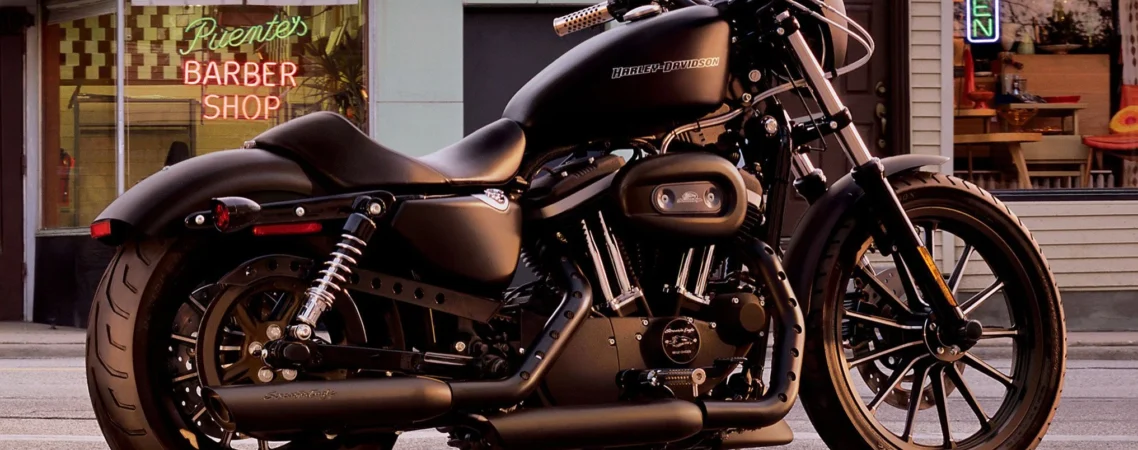
You just got your Harley Iron 883, and now your partner or friend wants a ride. There’s just one problem. This bike ships as a single-seat machine, and figuring out how to properly add a passenger isn’t as simple as you’d hope.
This guide walks through exactly what the Iron 883 comes with stock, what riders actually say about adding a passenger, and which seat upgrades genuinely improve the experience for whoever’s riding behind you.
Does the Iron 883 Come With a Passenger Seat?
No, not stock. The Iron 883 is designed and sold as a solo rider’s bike. It doesn’t come with a passenger seat or passenger foot pegs from the factory. Its compact 86-inch length and forward-heavy design reflect that single-rider focus.
That said, it’s absolutely possible to convert your Iron 883 into a two-up setup. Harley dealerships even offer passenger seat and foot peg kits as add-on options. But converting the bike is only half the story. Making that passenger experience actually comfortable is where most of the real conversation happens.
What Riders Say About Riding Two-Up
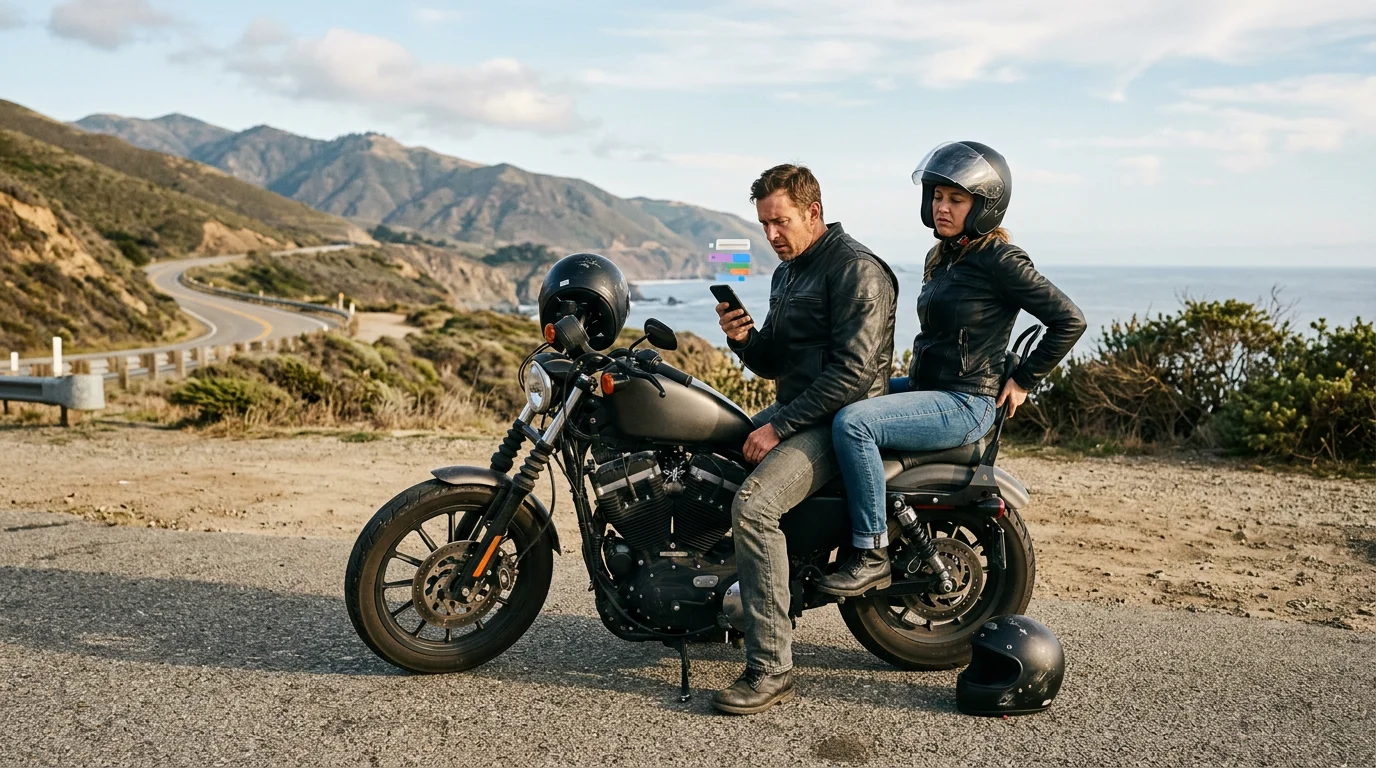
Across Harley Davidson forums, a clear and consistent pattern emerges once owners start adding passengers to their Iron 883.
Comfort varies enormously based on seat choice. One rider described their girlfriend’s experience on a Badlander seat as tolerable for only about 30 minutes before complaints started, calling it “really hard, almost no support.” Another owner echoed nearly the same experience, noting the seat was too narrow and their passenger was vocal about discomfort within just 10 miles.
Suspension matters just as much as the seat. Multiple riders mention that stock shocks bottom out with two people aboard, and that two-up lowered shocks specifically marketed for this purpose don’t necessarily add comfort either. One owner mentioned their passenger’s back going numb from the sissy bar due to the solid-mount setup transmitting more vibration.
Some riders genuinely make it work. Not every experience is negative. One owner reported riding over 5,000 miles two-up in a single year without major complaints, crediting proper shock preload adjustment and regular stretch breaks every 50 to 60 miles.
Aftermarket seat trial and error is common. Owners frequently cycle through multiple seat options- Badlander, Sundowner, and LePera Sorrento- before landing on something that actually satisfies both rider and passenger. One rider even mentioned considering returning a seat after their passenger’s comfort dropped noticeably after the first couple hours of foam compression.
Is the Iron 883 a Good Choice for Two-Up Riding?
Honestly, it depends on your expectations. The Iron 883 was never designed with passenger comfort as a priority. Its low seat height and stripped-down cruiser styling come at the cost of passenger accommodation. If you’re planning occasional short rides around town with a passenger, most owners report this works fine with the right seat upgrade. If you’re planning long highway trips two-up regularly, several experienced owners suggest that a larger touring-oriented Harley might serve you better long term.
That said, plenty of riders successfully use their Iron 883 as a two-up bike for moderate distances, especially once they’ve dialed in the right combination of seat and suspension.
What Actually Improves Passenger Comfort
A dedicated two-up seat built for weight distribution. Rather than a narrow solo-style pillion pad, look for options specifically designed with a wider rear section that properly supports a passenger’s full seating area.
Properly adjusted suspension preload. Several riders specifically mention adjusting shock preload based on combined rider and passenger weight, which noticeably reduces the bottoming-out sensation reported with stock settings.
A supportive sissy bar or backrest. Passengers consistently report better comfort with something to lean against, especially on rides longer than 30 minutes.
Realistic ride planning. Even owners who successfully ride two-up regularly build in breaks every 50 to 60 miles. This isn’t a failure of the setup. It’s simply smart planning for a compact cruiser not originally built for long-distance passenger comfort.
Choosing the Right Seat Upgrade
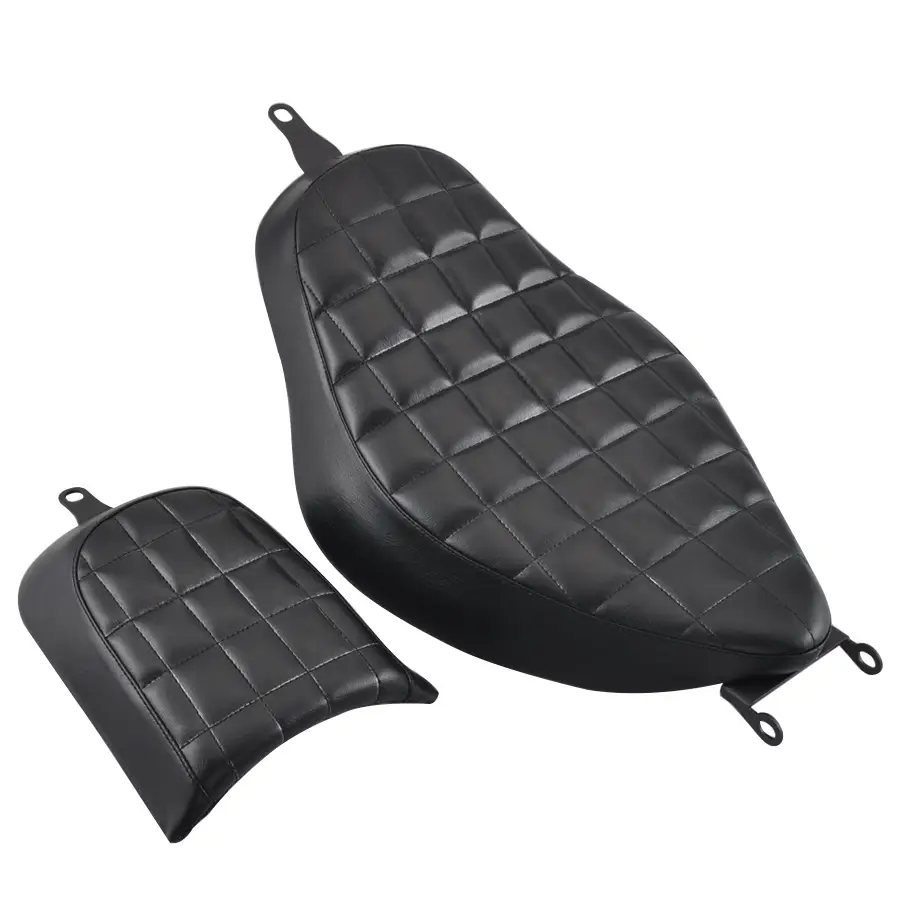
Aliwheels carries the Harley Iron 883 Driver & Passenger Two-Up Seat (2004-2017), designed as a matched set rather than mismatched aftermarket pieces sourced separately. A properly matched seat set avoids the fit and proportion issues owners often run into when combining a solo driver seat with an unrelated passenger pad.
Installing Your Two-Up Setup
- Confirm you have passenger foot pegs installed, since these are required alongside any passenger seat for both comfort and legal riding requirements in most areas.
- Remove your current solo seat by releasing the mounting latch or bolts.
- Position the new two-up seat, checking that both the driver and passenger sections sit flush against the frame.
- Secure the seat according to the manufacturer’s mounting instructions.
- Adjust your rear shock preload to account for the added passenger weight.
- Take a short test ride before committing to a longer trip, checking comfort for both rider and passenger.
Shop Harley Iron 883 Parts
If you’re setting up your Iron 883 for two-up riding, it’s worth checking your suspension components and footpeg kits at the same time. Aliwheels stocks fitment-matched parts for your exact model in the Harley-Davidson parts category, helping you build out a complete, properly matched setup instead of piecing together mismatched parts.
Conclusion
Riding two-up on a Harley Iron 883 is absolutely possible, but it takes some intentional setup to get right. The stock bike simply isn’t built with a passenger in mind, and owners who skip straight to bolting on any seat they find often end up dealing with an uncomfortable passenger within the first 30 minutes.
Choose a properly matched two-up seat, adjust your suspension preload, and plan for regular stops on longer rides. Riders who take these steps consistently report a much better experience for everyone on board, instead of a frustrated passenger asking to stop after the first ten miles.