



Motorcycle electrical problems are one of the most searched and misunderstood areas of bike ownership. Riders often describe the issue as random, intermittent, or impossible to diagnose. Searches like “motorcycle electrical problems, bike electrical issues troubleshooting,” “motorcycle won’t start electrical,” and “motorcycle wiring problems” continue to grow because electrical faults rarely fail in a clean or obvious way.
Unlike mechanical issues, electrical problems often appear suddenly, disappear temporarily, and return when conditions change. Heat, vibration, moisture, and age all play a role. This guide breaks down the top 10 motorcycle electrical problems riders ask about most, explains why they happen, and shows how experienced riders and technicians identify them early.
1. The motorcycle won’t start, but the battery is charged
This is the most common electrical complaint worldwide. A charged battery does not guarantee proper voltage under load. Weak cells, internal resistance, or sulfation can cause the voltage to drop the moment the starter is engaged. Other frequent causes include loose battery terminals, corroded ground wires, and failing starter solenoids.
Many riders replace batteries unnecessarily when the real issue is a poor connection or voltage drop elsewhere in the system.
2. Intermittent Power Loss While Riding
Few issues create more anxiety than sudden power loss at speed.
Intermittent power loss is often caused by loose ignition switch contacts, worn kill switches, failing side stand switches, or broken wires inside the loom. Vibration causes the connection to break momentarily, cutting ignition or fuel delivery.
Because the bike may restart immediately, riders often ignore the issue until it becomes dangerous.
3. Blown Fuses That Keep Returning
Replacing a fuse only to have it blow again is one of the most frustrating electrical problems.
Repeated fuse failure almost always indicates a short to ground. Chafed wires near the steering head, under the seat, or around aftermarket accessories are frequent culprits. Moisture intrusion can also trigger short circuits, especially after washing or rain riding.
Installing larger fuses to stop blowing is a critical mistake that can lead to wiring damage or fire.
4. Charging System Failure
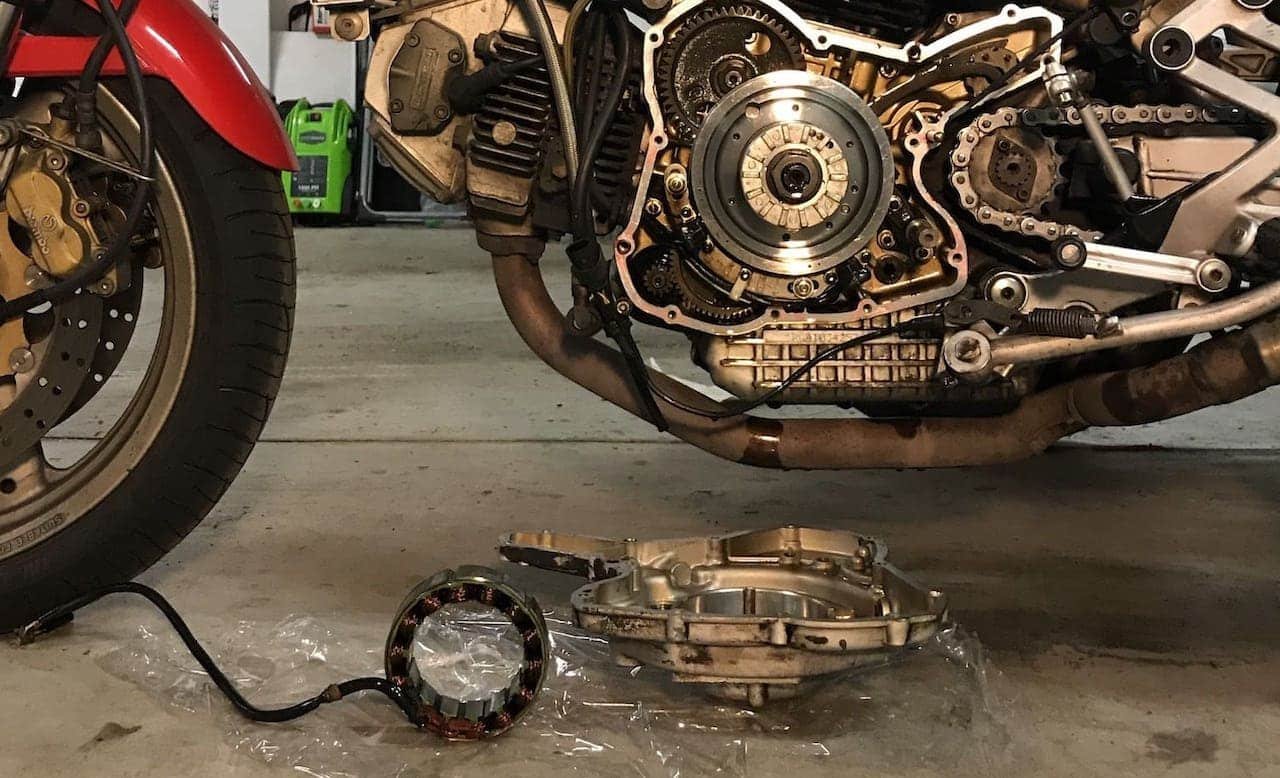
Charging system issues usually involve the stator, regulator, rectifier, or wiring between them. Overheating connectors, weak grounds, and aging components reduce charging efficiency.
Symptoms include repeated dead batteries, dim lights at idle, or overcharging that boils batteries dry. Ignoring charging issues often leads to stranded riders and expensive electrical damage.
5. Flickering or Dim Lights
Lighting problems seem minor but often signal deeper electrical issues.
Common causes include weak grounds, failing voltage regulators, corroded connectors, or worn switches. On older bikes, aging wiring insulation can also cause voltage leakage. LED conversions can worsen the problem if installed without proper resistors or relays.
6. Starter Motor Clicks but Does Not Turn
A clicking sound without engine cranking is a classic complaint. Searches like motorcycle starter clicks but won’t start” highlight this issue.
This problem is often caused by insufficient current reaching the starter motor. Weak batteries, corroded starter cables, bad solenoids, or worn starter brushes are typical sources.
Many riders replace the starter motor unnecessarily when cleaning connections would solve the issue.
7. Instrument Cluster Failure or Resetting
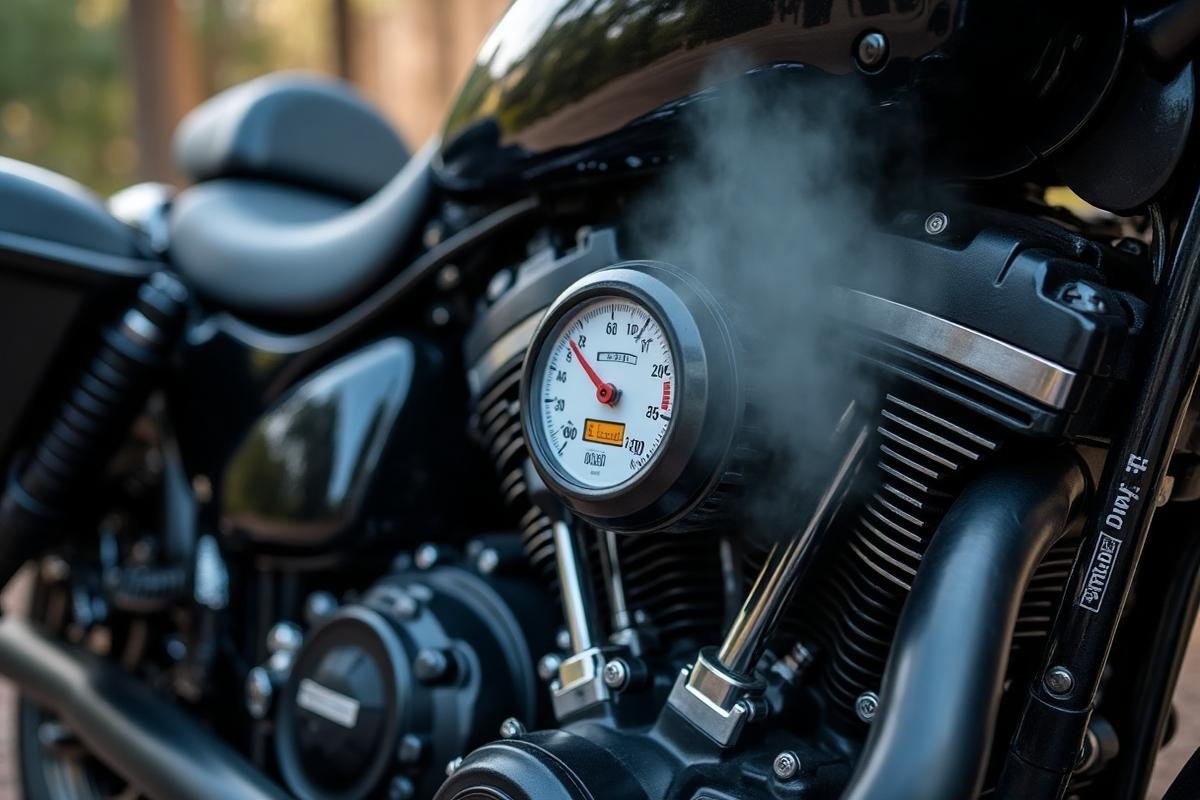
Modern bikes rely heavily on electronic dashboards. Searches for a motorcycle speedometer not working and instrument cluster resets while riding are increasingly common.
Voltage drops during starting, weak batteries, and failing regulators can cause clusters to reset or lose memory. Moisture ingress is another major issue, especially on bikes exposed to rain or pressure washing.
Because clusters are expensive, diagnosing the root cause early saves a high cost.
8. Kill Switch or Ignition Switch Failure
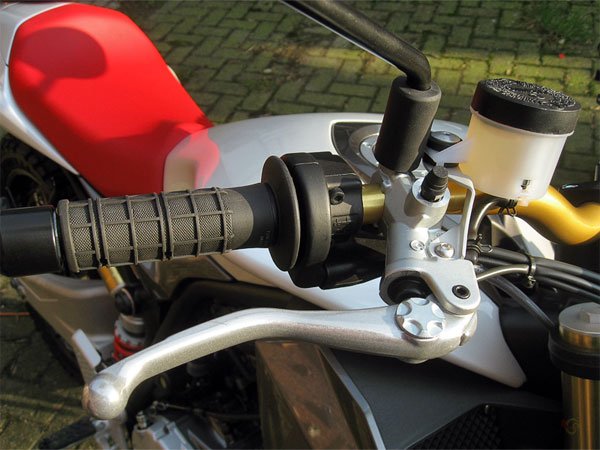
Kill switches and ignition switches endure constant use and environmental exposure. Corrosion inside the switch housing can prevent proper contact. Dust, water, and wear eventually cause intermittent or total failure. These issues often mimic more serious electrical faults, leading riders down the wrong diagnostic path.
9. Parasitic Battery Drain
Battery draining overnight is a major frustration.
Common causes include alarms, trackers, USB chargers, and aftermarket accessories wired incorrectly. Faulty relays and damaged wiring can also create a constant draw. Parasitic drain problems often go unnoticed until the battery repeatedly fails.
10. Wiring Harness Damage from Heat or Vibration
Wiring harness issues are among the hardest to diagnose.
Heat from engines and exhausts hardens insulation over time. Vibration causes internal wire breaks that are invisible from the outside. Steering head movement is a common stress point.
These faults often create intermittent issues that disappear during inspection.
Why Riders Struggle with Electrical Diagnosis?
Electrical systems rarely fail linearly. Multiple components share grounds, power sources, and circuits. A single weak connection can create symptoms across multiple systems.
This is why riders often replace good parts and still experience the problem. Accurate diagnosis requires understanding voltage flow, not just component replacement.
How Experienced Riders Prevent Electrical Problems?
Routine inspection of battery terminals, grounds, connectors, and wiring routes prevents most electrical failures. Keeping connections clean, protected from moisture, and properly secured reduces resistance and heat buildup.
Using quality motorcycle electrical parts and proper installation techniques also prevents future issues.
Conclusion
Motorcycle electrical problems are intimidating because they feel unpredictable. In reality, most failures follow clear patterns caused by vibration, corrosion, heat, and aging components.Understanding the most common electrical issues riders ask about helps you diagnose problems faster, avoid unnecessary repairs, and ride with confidence. Electrical reliability is not about luck. It is about attention, inspection, and understanding how power moves through your motorcycle. Lastly, to prevent motorcycle electrical issues, buy reliable motorcycle parts from Aliwheels, the first choice of passionate riders.