


bikerbiker Aliwheels is a leading motorcycle parts supplier offering free shipping anywhere in the world on orders above $300. Please note that all of our motorcycle parts and accessories are certified and tested. With more than 10,000* products to choose from this is your one place to get the motorcycle part you need. Browse our vast inventory of motorcycle radiators, fairings, clutch plates, headlights, chains, and sprockets. biker

The fairings of your motorcycle are not simply its body panels, but very important components of its design, aerodynamics and brand. You may want to give your bike the perkiness of a different fairing kit after a full season of bike riding. In any case, swapping a motorcycle fairings kit is a satisfying assignment to undertake right in your own garage.

In this blog, we will take you step-by-step through the process, with a special emphasis on being accurate.

Step 1: Prepare the Tools and Materials.

The first step to an effective installation is being prepared. You would not want to consider halfway through the process and then think that you forgot a very important tool.

Here’s what to get ready:

  • Screwdrivers: Flathead and Phillips.
  • Allen keys or hex bits: needed with most fairing bolts.
  • Ratchet set: To cut and fasten nuts.
  • Soft cloths or towels: To prevent scratches on the surfaces of a painting.
  • Containers or zip bags: These items will be used to store and process all the bolts that you take off.

Step 2: Remove the Old Fairings

It is a sensitive process that is done over time. Begin by finding all the bolts and screws that are visible on the fairing panels you are replacing.

  • Record the details: Before you begin, and after each piece of your bike is removed, snap photos of your bike in various positions. This is a priceless visual record so that there is no confusion about where each part is.
  • Sort your hardware: When you freakin’ take off every bolt, bag it in a labelled bag. This makes things nice so that you never lose any parts.
  • Stay careful: A great deal of fairings have clips or interlocked tabs. Avoid pulling or yanking. With a light, wiggling movement, in most cases, it is necessary to get a panel free.

Step 3: Look Behind the Curtain

Depending on how old the fairings are, a user goes off with a faulty frame and components without the old fairings being in place, leaving the opportunity to examine your motorcycle a perfect chance.

  • Finger examination: Inspect occasionally broken mounting tabs, loose wires or brackets that are aged. It is hard to say how much easier it is to repair these blunders despicably easily today when the new fairings are in place.
  • Clean the surface: Wipe the frame to clear it of any accumulating dust, oil and a dirty appearance. By providing a clean surface, it also fits a lot better and leaves a more professional surface.
  • Check frame bolts: Check exposed frame bolts to ensure they are firmly attached.

Step 4: Test Fit the New Kit

Do not go directly to the ultimate installation. A test fit is important in ensuring that there is no problem with the new fairings.

Flatten the panels: Up to this point, all the panels must be carefully placed against the frame to ensure that the mounting holes are in place and that the edges of the panels lie flat with the rest of the areas.

Minor modifications: Sometimes, fairing kits need small modifications. Some might require that all you do is cut a little tab or lightly sand an edge in order to fit in perfectly.

If you rush this step, it may result in a misaligned or even worse final product. Be very gentle when you have all the panels in place.

Step 5: Screw in the New Fairings

Now for the transformation. Begin with the biggest and most central of the panels, and go outward at both ends.

  • Install the screws and bolts first: Attach all screws and bolts with your hands before applying your tools. It eliminates cross-threading and allows you to fit the fit.
  • Sectional work: When all the panels are called in, start tightening the bolts evenly. Reverse and repeat work on the various bolts, so that they seem to have the same pressure throughout and take a smooth fit.
  • Keep centred: Make sure, as you lay each panel in place, that it fits into place with the old ones. When you have attached the last bolt, the new appearance of your motorcycle will be complete.

Step 6: FINAL inspection and test ride

Check as you work is the final guideline, since you need to scrutinise your work and ensure all is right before you get to the road.

Cleaning: Wipe the new fairings with a microfiber cloth, removing any physical evidence on it.

Tap on the stability: Tapping is necessary to ensure that there are no loose factions or attacks.

Clearance: Swivel the handlebars on their side and test the suspension to confirm that the new fairings are not in touch with it.

After every piece is in place, you can try a little short ride on the bike to ensure that the new fairings are in place, given the road conditions.

Locating the Perfect Fairing Kit

Here, dozens of riders need guidance. Your fairing kit design will determine the way the whole job is done as well as the outcome. The substandard kit may be attractive in the photo; however, it would turn into a nightmare to assemble, and it would not last a long time on the road.

The trick is having a credible source. We have witnessed the constant plethora of choices on the internet, and sometimes it is difficult to be polite about whom you talk to. Find out sites specialising in motorcycle clothing that are reliable. The online stores, such as Aliwheels, enter here. We do the vetting of suppliers and remove the guesswork from the equation, allowing you to work on the enjoyable part, which is assigning your bike a new identity.

Conclusion

Replacing the fairing kit on your motorcycle is a satisfying exercise which puts the entire power of aesthetic choice at your disposal. A quality kit will give a hassle-free installation and a long life expectancy.

This is the only way to make your projects work out: get your tools ready, record your disassembling process and test-fit all the components first, then install everything on the final. After a little bit of patience, you will be able to upgrade your motorbike to a professional level and make an impression on the road.

(Commenting: OFF)

Motorcycles go past simple methods of transportation; they represent freedom, intensity, and distinction. Among the large number of components that add to the performance and style of a motorcycle, fairings hold a unique spot. Motorcycle fairings are not just a necessary piece of a bike’s design yet in addition assume an essential part in upgrading its usefulness and streamlined features. In this extensive article, we will dig into the universe of bike fairings, exploring their types, and benefits, and giving fundamental installation tips.

Motorcycle Fairing

Fairings provide your motorcycle with the presence of wings. It’s normally made of plastic or fiberglass, however, carbon fiber is additionally utilized in certain models. They cover the front and sides of the bike, with some reaching out to cover extra regions, for example, the tail segment or seat region. In a motorbike, Gsxr Fairings are shells that experts install over the frame, particularly on racing and sport bikes, to deflect wind and reduce air drag, enhancing aerodynamic features. The design serves not only for style but also for improved performance during long rides and races by decreasing wind resistance.

motorcycle fairings

What Do Fairings Do?

As well as diminishing drag and further improving execution, motorcycle fairings likewise give a lot of security for the rider in case of a mishap. They can assist with redirecting debris and different objects from hitting the rider, and can likewise assist with keeping them protected from the breeze and climate. Fairings can likewise make a motorcycle all the more stylishly satisfying and can add to the general worth of the bike.

Notwithstanding what fairings do, what are the various kinds of motorcycle fairing styles? Bike fairings come in different shapes and sizes. Some are intended for smooth optimal design and dashing execution, while others offer more inclusion for better assurance against wind and climate. In any case, other bike fairings give substantially more security than both of these and might incorporate a windshield for additional inclusion against trash.

What Is The Motivation Behind Motorcycle Fairings?

Fairings make the motorcycle additional wind-resistant. One of the main roles of motorcycle fairings is to help the bike’s streamlined features, in this manner diminishing the air drag and giving downforce for much better footing and security. This can make the bike slice through the air significantly more easily. It will surely require less ability to keep its speed, as well.

Subsequently, fairings can affect fuel use, which is noticed right at high velocities as at decreased speeds while riding on expressways or highways, and can permit the motorcycle to secure speed somewhat quicker. 

motorcycle fairings

How Would I Pick The Right Fairings For My Bike?

While picking fairings for your motorcycle, it’s critical to consider the sort of bike you have, as well as your riding style and inclinations. There is a wide range of styles and materials accessible, so you should pick what turns out best for your necessities. Fairings are a significant piece of your bike, and they play a wide range of jobs.

Your fairing can be produced using a wide range of materials, including plastic, fiberglass, and composite. Everyone enjoys its benefits and hindrances. For instance, plastic is modest yet it’s not entirely tough; while plastic are more costly yet offer unrivaled insurance against water harm (however they’re a lot heavier). Fiberglass is someplace in the center, offering a decent equilibrium between sturdiness and moderation.

While picking fairings for your motorcycle, it’s essential to consider what kind of riding you do. On the off chance that you’re generally doing short drives in and out of town, then a fundamental arrangement of plastic fairings ought to be fine. In any case, if you’re going for long drives, you’ll require something more sturdy and streamlined.

Regardless of what kind of motorcycle you have or what sort of riding you do, there are a bunch of fairings that are ideal for you. So set aside some margin to search around and track down the best set for your requirements. You’ll be happy you did!

Things To Consider While Picking Motorcycle Fairings: 

The following are a couple of things to remember:

  • The kind of bike you have – not all fairings are widespread and will fit each motorcycle. Try to explore what sorts of fairings are viable with your specific bike model.
  • Your riding style – if you do a ton of riding, you’ll need to consider getting a bunch of fairings that lessen wind opposition. If you’re to a greater degree a city rider, something that safeguards you from bugs and debris might be a superior choice.
  • Your financial plan – like all the other things throughout everyday life, bike fairings arrive in a scope of costs relying upon their quality and highlights. Make sure to save sufficient cash to get the right arrangement of fairings for what you want.
  • Your inclination – what do you like? Certain individuals favor hand-crafted fairings, while others might need to set aside cash and purchase pre-made ones from an online store or at a showroom close to them. You can likewise get utilized bike parts assuming that suits your financial plan best!

In light of these things, you’re prepared to begin looking for motorcycle fairings! There are various sorts and styles accessible, so take as much time as is needed and track down the right set for you. Remember that they work on the vibe of your bike as well as its performance- so it merits putting resources into a decent quality set. Enjoy your rides much more with an extraordinary arrangement of bike fairings!

Kinds Of Fairing

As a few manufacturers will positively offer custom fairing, the skies are limitless when it relates to types and design. Nonetheless, there are a couple of common kinds of fairings that most bikers will generally include:

Quarter

Quarter fairing extends around the headlamp of the motorcycle and offers a designated safeguard for the motorcyclist. It’s somewhat a negligible sort of fairing contrasted with half and complete.

motorcycle fairings

Half

50% fairing covers the upper region of the front of the bike.

This will positively offer a ton of the advantages of a full fairing and can keep the lower part of the motorcycle uncovered, as certain riders would like. The upper fairing offers the advantages of boosted aerodynamics.

motorcycle fairings

Full

The full fairing is one of the most consolidating kinds of fairing, providing security for the top and lower portions of the bike.

motorcycle fairings

Café Racer Fairings

Café racer fairings are intended for custom and retro-style motorcycles. They are much of the time small and basic, covering the headlamp and gauges, while allowing the remainder of the bike to stay uncovered.

motorcycle fairings

Off-Road or Motocross Fairings

These fairings are lightweight and intended for rough terrain and motocross bikes. They safeguard against mud and trash, commonly covering just the front piece of the bike.

motorcycle fairings

Handlebar

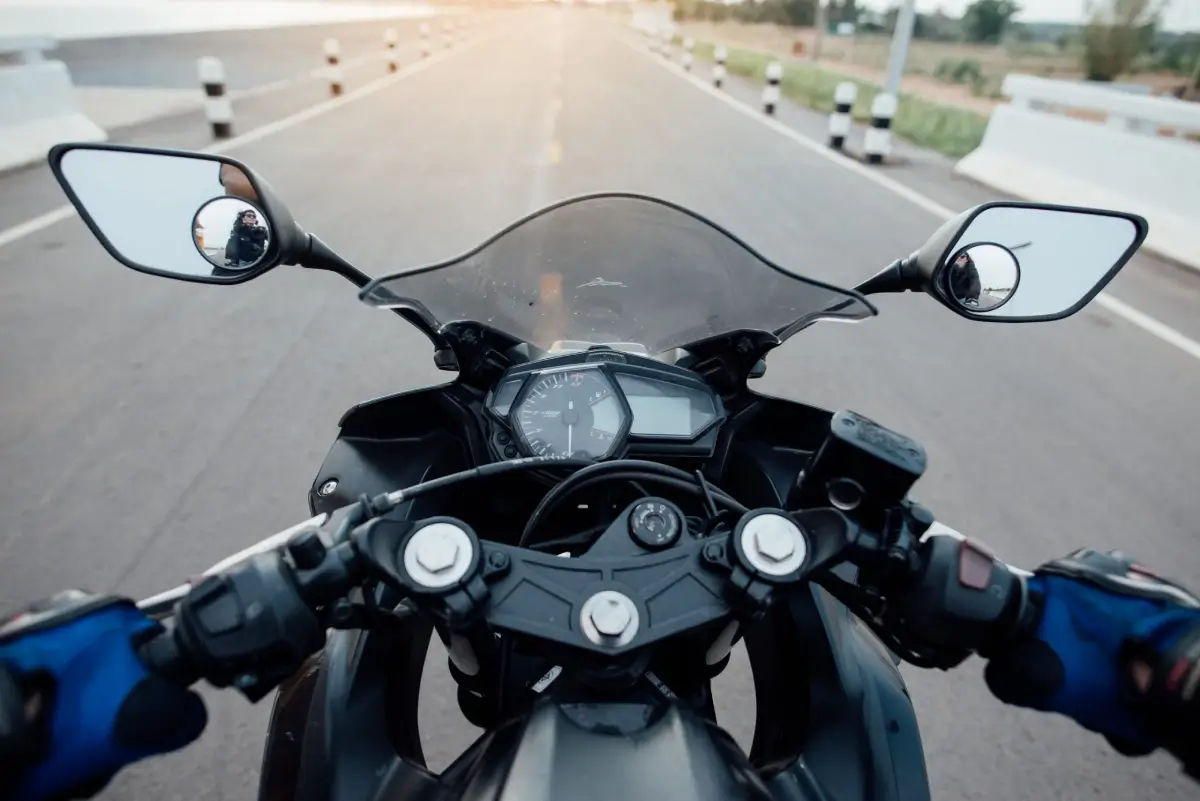
Handlebar fairing produces a miniature barrier behind the handlebars. This can be useful for those riding with a GPS or mobile installed onto the handlebars. The fairing gives these devices extra security and simplifies them to utilize accessories in breezy circumstances.
motorcycle fairings

Wheel

Front and Back fairing can be fastened to reach out over the front or back wheel. This can help with avoiding dust sprinkling up. For off-road racing or riding, this can help quit a lot of dust and debris on the riders.

motorcycle fairings

How Would I Install Motorcycle Fairings?

Installing fairings is generally a direct interaction. Most bikes have mounting sections appended to the edge under each wheel; if not then, these can be bought independently from any car store or online retailer. The fairings snap onto these sections and are commonly held with screws or bolts. It’s essential to ensure that the fairings are appropriately adjusted before getting them set up.

Motorcycle fairings can give a few advantages to your bike, including further developed execution and security for the rider. It’s vital to pick the right fairings for your necessities and to introduce them accurately for the best outcomes. With the right fairings, you can partake in a smoother, quicker ride while shielding yourself from the wind and the weather!

motorcycle fairings

Benefits of Fairing

Improved Performance

The fairing is exceptionally common on sports and racing bikes because of the improved performance it offers. By being more aerodynamic, the bike can speed up quicker. In racing, this has a significant effect as riders can reach higher speeds rapidly. Fairings offer clear benefits in any racing conditions, especially in more brutal weather patterns.

Being more protected from the wind additionally implies the bike is more steady. In racing circumstances, this is a major reward and lessens the gamble of mishaps brought about by instability.

Comfort

By diverting the wind, the fairing can make a significantly more pleasant and comfortable ride. The general impact of wind hitting you and the bike at high speeds is significantly reduced, and it decreases helmet noise. This is valuable in a wide range of circumstances, from courageous riding in blustery circumstances to fast racing. In cold circumstances, redirecting that chilly air can have a significant effect and keep you from feeling harshly cold for the entire journey.

The fairing can likewise make added comfort by empowering a better stance. Customized fairing can give the ideal situation to your legs.

Adjustable

If you like to redo your bike, fairing gives you a major fresh start when prepared to design. Many services offer custom designs for motorbike fairing. This can add character and personality to your bike.

If you are getting the fairing uniquely crafted, you can likewise demand explicit elements inside the framing to make a definitive bike for your particular requirements.

Assurance

Fairing safeguards the motor and inward operations of a motorcycle. Especially in case of a mishap, the fairing can assist with giving security to the rider and the center components of a bike.

Engine Life Expectancy

The better-streamlined features imply that the motor doesn’t have to function as hard. This resulted in a more extended life expectancy and worked on by and large execution. As the engine is straightforwardly liable for the entire motorcycle, hence, keeping up with it is beneficial, especially for those on a careful spending design who need to stay away from the expenses related to broken-down engines.

Accessories

Adding GPS, mobiles, and different accomplices to the cockpit region has turned into a famous decision for some riders. From following execution to exploring obscure courses, these elements have rapidly turned into an unquestionable necessity.

Without sufficient fairing on the façade of a bike, these highlights might battle to work. Fairing helps safeguard these gadgets, which likewise permits a rider to utilize them easily.

Style and Aesthetics

The fairing can without a doubt add the wow component to a motorcycle. It can make a wonderful aesthetic and feel for the bike, while likewise having the capacity to increase the value of the bike. To instantly make an old, tired motorcycle look brand new, you can also resurface the fairing.

motorcycle fairings

Conclusion

Motorcycle fairings are a critical part of a motorcycle’s design, giving aerodynamics, protection, insurance, style, and rider comfort. Understanding the different sorts of fairings and their advantages permits riders to pick the right kind for their particular requirements and inclinations. Moreover, following proper installation systems is fundamental to guarantee a solid and practical fit for your fairings. With this extensive article, you are exceptional in coming to informed conclusions about motorcycle fairings and effectively introducing them on your motorcycle, enhancing both its performance and visual appeal.

(Commenting: OFF)

Motorcycle Fairings protect the rider and the bike from the elements. They serve a number of functions, the most prominent of which is to boost the motorcycle’s efficiency and speed. This article will explain what fairings are, how they function, why you should consider installing them on your bike, and the process of installation. We’ll also tell you what to look for in motorcycle fairings.

Motorcycles with fairings give the impression that the bike has its own wings. They shield the bike’s front and sides from the elements, and some fairings even go around the back and over the seat. They aren’t there just for show, though; they increase aerodynamics by decreasing wind resistance on long journeys (or in races!) Additionally, fairings shield you from flying debris and insects at high speeds.

Riders of the earliest motorcycles had to deal with the full force of the wind and the occasional bug in the face because there was no bodywork to the frame. These days, you can pick from a wide variety of motorcycle fairing designs and materials to suit your own taste and riding style.

What Exactly Are Motorcycle Fairings?

To protect the rider and the bike itself, fairings are a must-have. The fairings not only add to the bike’s visual appeal but also boost performance and shield the rider from the elements. Sadly, few bikers are familiar with the term “fairings.”

To begin, the word “motorcycle fairings kit” can refer to a variety of different products. Motorcycle fairings, fairing kits, motorcycle plastics, a pair of fairings, and similar terms can come up in conversation.

Some motorcycles have a huge, wing-shaped panel or cowl over the front wheel, between the handlebars and the frame, and just below the front tire. The fairing may or may not include a windshield, and if it does, the windshield’s size and form can also be quite questionable.

While speakers and hidden storage compartments are two of the main draws for fairings, there’s a lot more to them than meets the eye. The rider’s safety is the primary focus of most fairing designs.

Motorcycle Fairings Kit:

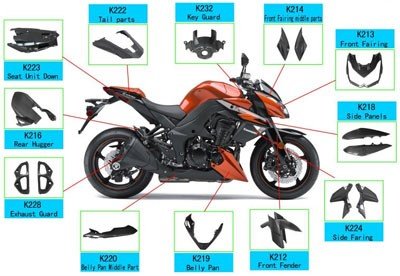
Second, it’s important to note that motorcycle fairings are quite popular items for sale as whole fairing kits and as individual fairing components. Motorcycle fairing kits consist mostly of the following fairing components:

  1. Fairing for the Nose and Front Headlights.
  2. Splash Guard / Front Tire Fender.
  3. Side Fairings (Left and Right).
  4. Tank Protective Cover.
  5. Seat Cowl and Rear Fairing.

However, personalized dual sports helmets are a must-have for those who value a “matching moment” with their sports bike.

What Material Are Motorcycle Fairings Made Of?

motorcycle fairings

Now that we know what motorcycle fairings are and why they’re there let’s go through the typical components that go into making them.

  • Acrylonitrile butadiene styrene (ABS) is a lightweight plastic that is also strong, flexible, and durable. Producing fairings for sports bikes is its primary use. ABS is used by most aftermarket fairing producers as well because of the material’s remarkable properties, which include the rigidity and strength of styrene and acrylonitrile, as well as the resilience of polybutadiene rubber. The anti-scratch and anti-impact properties of ABS make it a popular choice. In addition, the primary motivation for developing anti-lock brake systems (ABS) was to provide the rider with the highest level of safety possible in the event of an accident.
  • Fiberglass is a substance consisting of woven fibers that are widely popular as a reinforcing agent for a wide variety of polymer goods. This material is commonly used for the fairings of racing motorcycles. Generally speaking, fiberglass outperforms ABS plastic in terms of durability and weight. If your fiberglass fairings ever become scratched up, you may fix them by adding new layers of woven fiberglass fabric mixed with a polymer like epoxy over the damaged area, then sanding and finishing it.
  • The most costly and lightest material for motorcycle fairings is carbon fiber reinforced polymer. Most commonly found on sports bikes and in motorcycle racing, as well as on riders who want to make a statement, carbon fiber motorcycle fairing kits are lightweight, strong, and durable.

Different Types of Motorcycle fairings

types of motorcycle fairings

How often do you go for a fast ride on your bike? Or perhaps you’re a racer? Both new and old motorcycles benefit from having fairings added or updated.

To cut down on wind resistance, these frames were common for use on sports and racing bicycles. There is a wide variety of fairings for motorcycles. They often go at the front, although some can also go on the sides. There will be a certain method for installing them that you must follow depending on where you choose to put them. The sort of motorcycle you have is also a consideration throughout the installation procedure.

Let’s have a look at the several motorbike fairings available.

Dolphin Motorcycle Fairing

Large dustbin fairings are used to cover the front of motorcycles. This is a sleeker, more modern, and more compact variant with a larger windscreen. In profile, it looks like a dolphin, which is why it’s so popular.

Full Motorcycle Fairings

A racer really needs complete fairings since they shield the entire bike from damage. A windscreen is included as well.

Half Motorcycle Fairings

The lower parts of the motorcycle, including the handlebars and engine, are protected by half fairings. In many cases, they can be expanded into complete fairings.

Quarter Fairings

These are minimal, consisting only of a windshield and some shielding for the headlamp. Possibly sufficient if your only transgression is excessive bicycle speed.

The Advantages of Fairings

Here are some of the key reasons why need to invest in fairings too, along with other motorcycle parts and accessories.

Higher Efficiency

Because of the significant performance boost it provides, the fairing is quite common on sports and racing bikes. The bike gains speed thanks to its improved aerodynamics. This is crucial because it allows riders to increase their speed and so get an advantage in races. That’s a huge plus in any kind of racing, but especially in more extreme climates.

The bike’s steadiness increases as it is protected from the wind. This is especially useful in racing situations since it lessens the likelihood of accidents due to instability.

Comfort

Fairing provides a more pleasurable and relaxing ride by cutting down on wind resistance. There is less wind noise coming from your helmet and less wind resistance on the bike and rider as a whole. This comes in handy for everything from risky riding in severe winds to high-speed competitions. Deflecting the chilly air makes a huge impact in frigid weather, saving you from being uncomfortable and even uncomfortable for the duration of your trip.

A more upright position is achieved by the use of fairing, which can also increase comfort. Custom fairing allows you to find the ideal position for your legs.

Customizable

The fairing of a motorcycle is a large, unadorned surface, perfect for those who enjoy personalizing their ride. Custom graphics and images for motorcycle fairings can be ordered from a variety of sources. You can give your bike more distinction and individuality with this.

With bespoke fairing, you can design your ideal bike down to the last detail.

Protection

A motorcycle’s engine and internal components are better protected by a fairing. The fairing of a motorcycle is there to protect the rider and the bike’s vital components, especially in the case of an accident.

Time of Engine Use

The increased efficiency of the vehicle’s aerodynamics reduces the strain on the vehicle’s power plant. It simply increases the product’s durability and efficiency. For individuals on a tight budget who wish to avoid the high expense of replacing a worn-out engine, regular engine maintenance is a must.

Accessories

Many bikers now opt to install navigation systems, cell phones, and other devices in their cockpits. These capabilities have rapidly become standard for tasks as varied as tracking performance and navigating unfamiliar terrain.

These components may have difficulty operating without proper front fairing on the motorcycle. The fairing protects the rider’s electronics while yet allowing for easy access.

Aesthetics

The aesthetic value of a motorcycle can be greatly increased by installing a fairing. It has the ability to improve the bike’s looks and monetary worth.

Refinishing the fairing of an old motorbike has the ability to make it appear new in an instant.

How To Install Or Replace A Fairing Kit

Next, you find the general rule of thumb for all motorcycle types.

In this guide, we will go through the basics of putting your motorbike fairings on. Without knowing more about your motorbike and your skill level, it can only provide you with extremely broad and generic instructions for installing the parts.

Step 1: Buy a Personalized Aftermarket Motorcycle Fairing Kit

Your motorbike will need new fairings, and you should start by ordering or buying them. You have the option of either shopping online or placing a special order for custom-made fairings. Your motorbike can easily and quickly have a sleeker appearance thanks to the fairings that cover the front, sides, and exhaust pipe. If you want to find motorcycle fairings, your best bet is to contact the motorbike’s OEM or hunt out the OEM number for the fairings you’re interested in.

Step 2: Locate the Connection Points for the Fairings

When ordering motorcycle fairings straight from the factory, you should have no trouble finding the correct fittings to secure the fairings to your bike. Fairings that aren’t factory originals or bespoke creations will need to have their mounting hardware matched up with the bike. Before beginning the installation procedure, you must choose where and how to attach the fairing.

Step 3: Attaching the Fairing to Your Motorcycle

Using a ratchet and/or screwdriver, secure the fairing to the motorbike once you’ve discovered its attachment point. As you tighten the bolt, double-check that the fairing is correctly attached to the motorcycle. After you have tightened the fastening, you can ride your motorbike and flaunt its new personalized design.

Contact the fairing’s designer right away if you’re having trouble putting a custom-built, non-factory-made fairing (i.e., an aftermarket buy) on your motorbike.

Process for a Full Fairing Set

In most cases, a complete set will have all of the features found in individual fairings. To do this task, you will need to use an electric drill in conjunction with the equipment found in the fairing toolset. You can follow the instructions, or skip any steps that may not apply since they are not a part of your kit. Place all of the equipment in this bag:

Step 1: Install the Tail Section Fairing

You can install this precisely where the bike’s back seat would normally go. The fairing’s mount points act as a starting point for drilling pilot holes. Next, you’ll need to attach it using the included fairing toolset, which you can do by moving the device behind the seat.

Step 2: Replace the Front Fender

This fits over the top of the tire on the front wheel and gear. In order to determine where on the fairing to drill holes, you must first locate the holes in the bike.

Step 3: Install the Tank Cover

This one protects the tank or the area in front of your seat. You’ll need to be careful because the mount points are only in the four corners.

Step 4: Complete the Front Fairing

Here we reach the section that encompasses the headlight region and the top front body. Don’t screw things up just yet; you can drill the holes later if you like. Instead, you can use clips to firmly fasten the fairing into place.

Step 5: Take The Bottom Cover

You’ll need to do your own hole-making when you take this. Before you begin drilling, take note of the hole locations on both the fairing and the front piece. This will ensure that the process goes smoothly and quickly. Hopefully, you can understand why we didn’t prioritize finishing the front fairing repairs. The carefulness of this order is crucial.

Step 6: Simply Repair Everything Else

The rear hugger fits in front of the back wheel, and other available options include swing arm covers, heat shield slides, and air dust covers. They’re little pieces that may be attached using your chosen method and sequence. Now that most of the work has come to an end; setting things up won’t take long at all.

Which Motorcycle Fairings Are Best for Me?

The sort of motorbike you ride and your personal tastes are important factors to consider when selecting fairings. You’ll need to determine which of the many possible designs and materials is ideal for your purposes.

Motorcycle fairings serve several functions and are an integral element of your bike. Exactly like your motorcycle parts and accessories. They shield you from the elements and make your bike more aerodynamic. In doing so, you can improve your riding performance and safety. Moreover, fairings make your motorbike seem unique and express your individuality.

Plastic, fiberglass, and composite are just some of the options for crafting your fairing. There are good points and bad ones to every option. For instance, plastic is inexpensive but flimsy, while composites are more costly but resistant to water damage (although heavier). Fiberglass is quite common as a compromise material since it satisfies both the need for long-lastingness and the need for a low cost.

Consider your riding style while picking your motorbike fairings. A simple plastic set of fairings should do for short journeys around town. However, something more sturdy and aerodynamic is a must for long-distance touring or racing.

There is a set of fairings out there that is ideal for you and your motorbike. To that end, it’s advisable to look around until you locate a suitable set. You won’t regret it at all!

What Factors Should You Consider While Selecting A Set Of Motorcycle Fairings?

Some things to bear in mind are as follows.

The model of motorcycle you own can affect the type of fairing you need; not all fairings are created equal and some may require modifications to fit your bike. Before purchasing a fairing, it’s important to find out if it’s compatible with the model of your motorcycle.

How often you ride on the highway; will help you decide if wind-deflecting fairings are worth the investment. You may want to consider something that shields you from insects and road debris if you frequently ride in the city.

Budget; as with anything else, is an important factor to consider when shopping for motorcycle fairings. Make sure you budget enough to buy the correct fairings for your purposes.

Your taste; what do you prefer? While some riders like their fairings to be specifically custom-made for them, others may opt to save money by purchasing fairings from an internet retailer or local dealership. If you want to save money, you can also buy secondhand motorbike components.

You now know what to look for in motorbike fairings and can go out and make your purchase. You can surely take your time browsing the various options to discover the perfect set for you… which matches your dual sports helmets. Investing in a high-quality set is worthwhile because they boost your bike’s aesthetics and functionality. A fantastic pair of motorbike fairings will greatly enhance your riding experience.

To Sum Up

There is a fairing designed to fit your motorcycle and your riding style. Fairings not only give your bike a more streamlined look, but they also increase your level of safety on the road.

(Commenting: OFF)

Or login with your social account