




Every rider eventually reaches the same crossroads. The bike runs fine, sounds acceptable, and does what it is supposed to do, yet something feels held back. Throttle response feels a bit lazy, acceleration could be sharper, and the exhaust note does not match the character of the machine. That is usually the moment riders start researching motorcycle exhaust systems and asking a very real question: Which exhaust setup actually works for my ride?
There is no single answer, because the right exhaust depends on how and where you ride. A commuter has different needs than a track rider. A touring bike has different priorities than a naked streetfighter. Understanding how slip-ons, full exhausts, and headers affect performance, sound, and legality helps you make a smart decision rather than an expensive mistake.
How Motorcycle Exhaust Systems Affect Performance?
An exhaust system does more than make noise. It controls how efficiently the engine can push spent gases out after combustion. When exhaust flow improves, the engine breathes better. That directly affects throttle response, mid-range torque, and top-end power.
Many riders chasing better motorcycle air filter performance or fuel tuning upgrades overlook the fact that exhaust flow is part of the same equation. Intake, fuel, and exhaust must work together. Change one, and the others matter even more.
A restrictive stock exhaust is often designed for noise regulations and emissions compliance, not rider enjoyment. Upgrading it can improve acceleration with exhaust mods, but only if the upgrade matches the bike’s purpose.
Slip-On Exhausts: The Most Popular First Upgrade
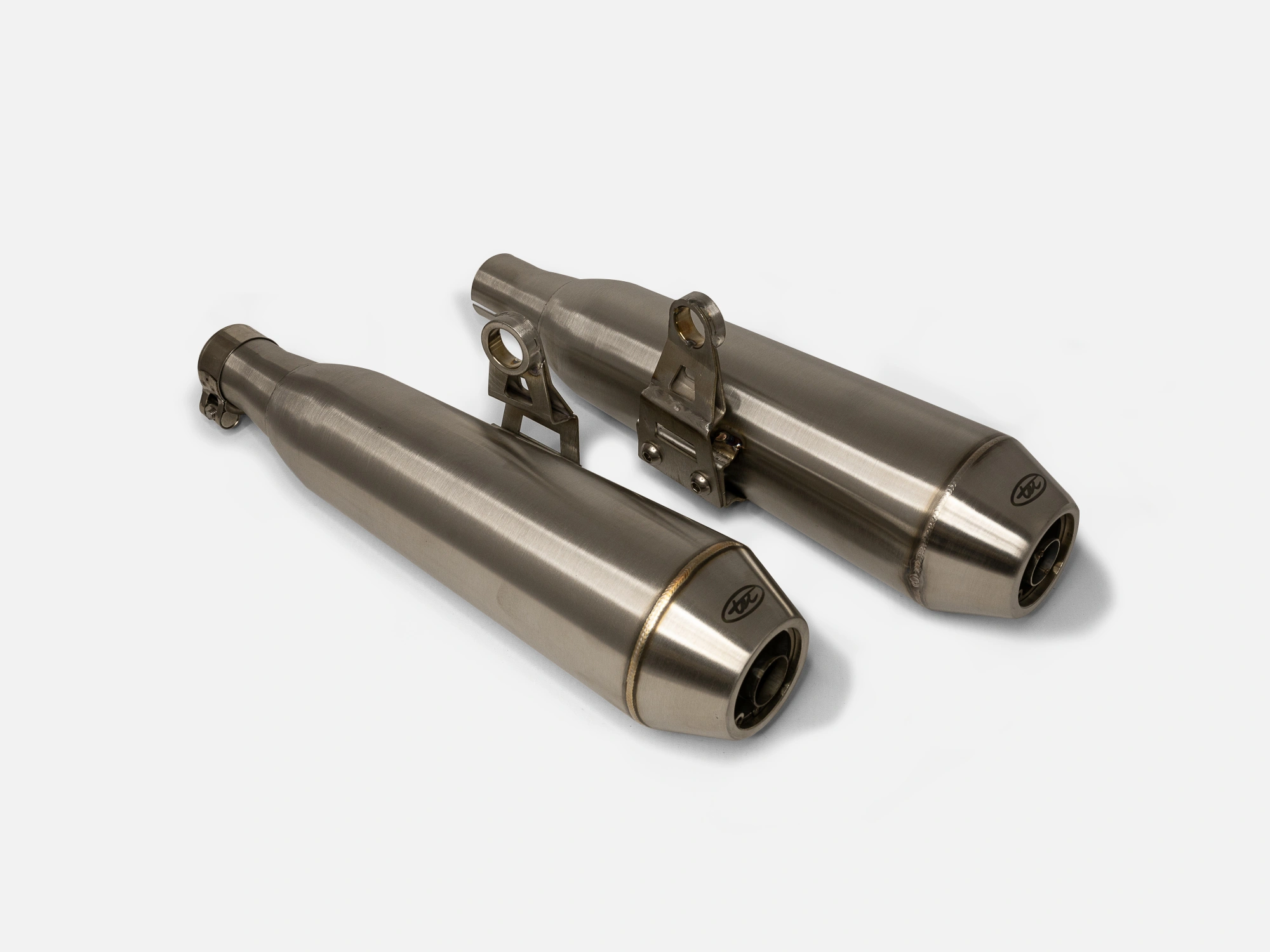
Slip-ons are popular because they are simple. You remove the stock muffler and replace it with an aftermarket unit while keeping the factory headers. Installation is straightforward, the cost is lower, and the results are immediate.
Most riders choose slip-ons to improve sound and reduce weight. A quality slip-on can sharpen throttle response slightly and make the bike feel more alive without changing the entire fuel system. For many street riders, that is enough.
Slip-ons work well if your priorities are daily riding, weekend fun, and a deeper exhaust note without pushing noise limits too far. Sound and legality matter here. Some slip-ons are designed to stay street-legal with removable baffles, while others are clearly track-focused.
If you ride in areas with strict noise enforcement, motorcycle exhaust sound and legality should be part of your decision. A slip-on with proper certification keeps things simple.
Full Exhaust Systems: Maximum Change, Maximum Commitment
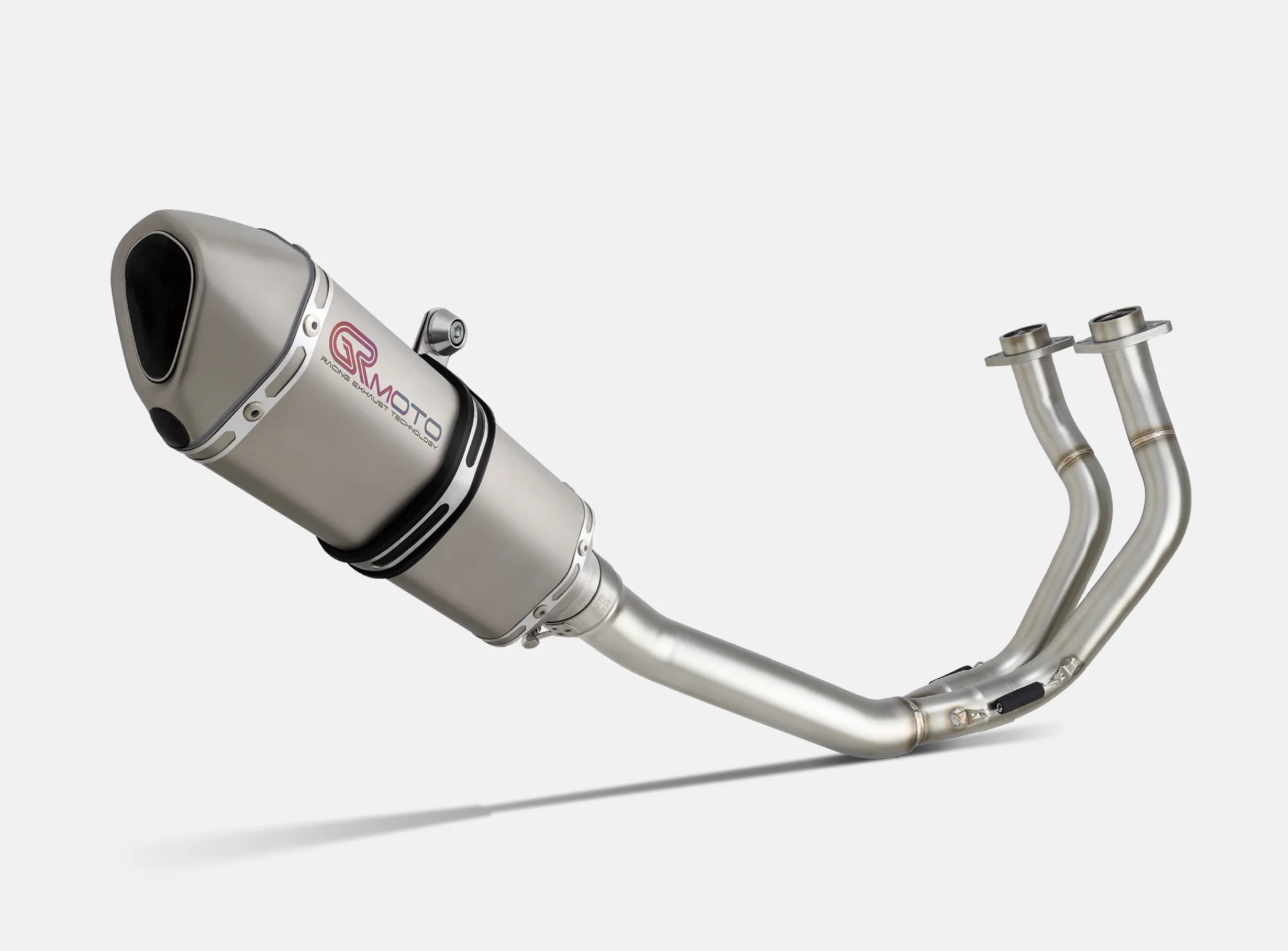
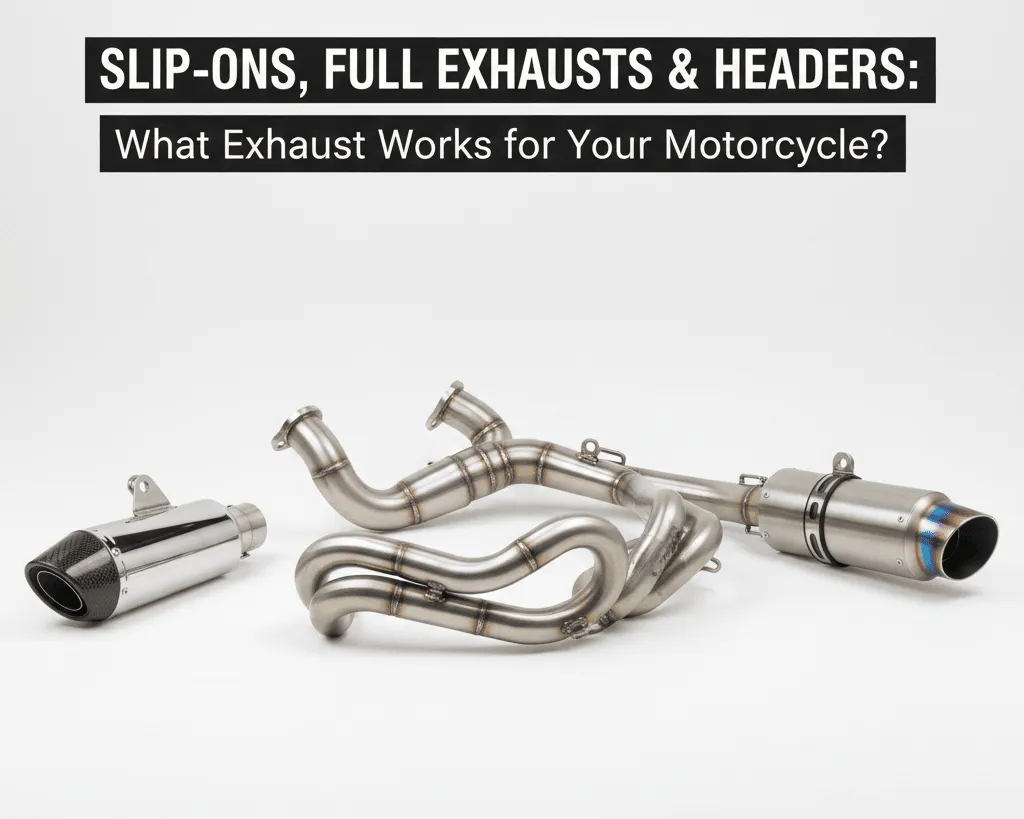
A full exhaust system replaces everything from the headers. This is where serious performance gains happen, but it also requires more planning.
Full systems reduce weight significantly and optimize exhaust flow from the engine itself. That can unlock noticeable power gains, especially on sportbikes and high-revving engines. Riders chasing the best exhaust upgrades for performance usually end up here.
However, full systems almost always require fuel tuning. Whether your bike uses fuel injection or a carburetor, the engine must be adjusted to match the increased airflow. Without tuning, throttle response can suffer rather than improve.
Full exhausts make sense for riders who ride aggressively, attend track days, or want the bike to perform at its peak. They are less ideal for casual commuters who want a simple upgrade with minimal side effects.
Headers: The Foundation Most Riders Ignore
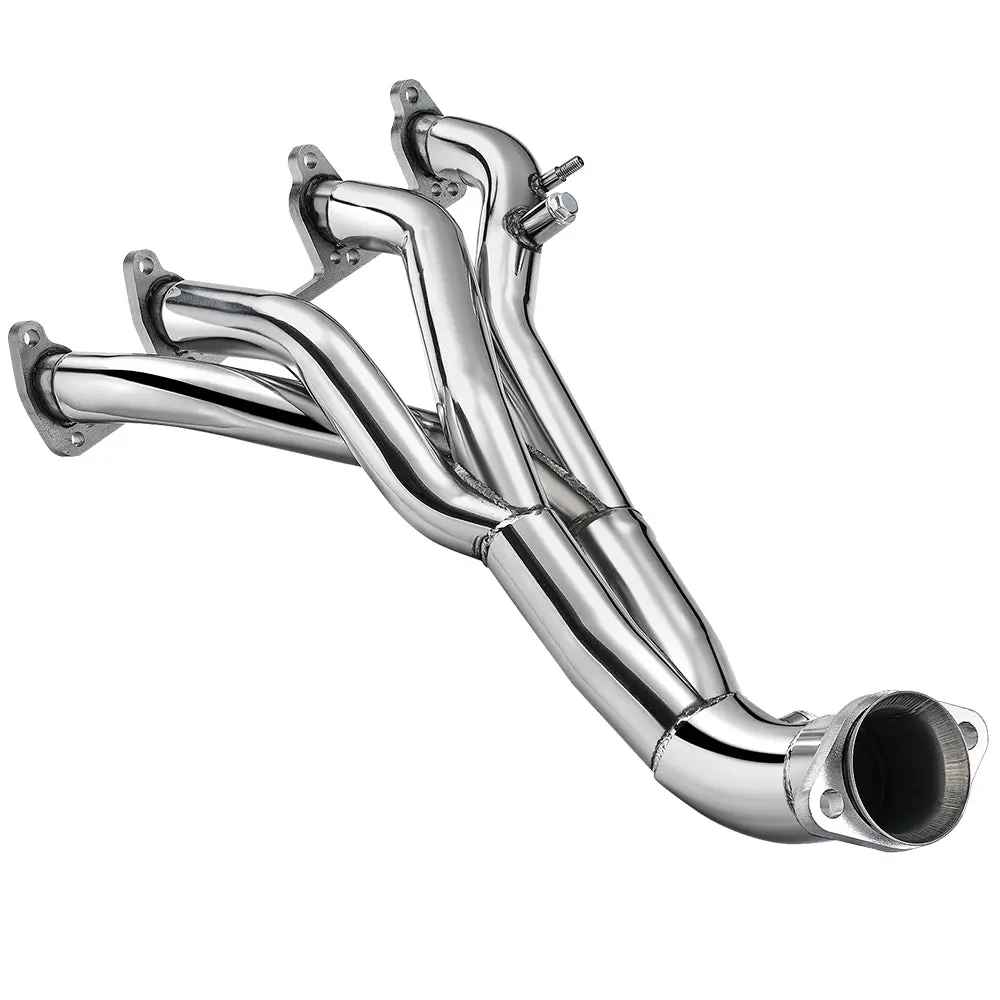
Headers are often overlooked because they are not as visually dramatic as a muffler, but they are critical. The shape, diameter, and length of headers control exhaust pulse timing, which directly affects torque delivery.
Upgrading headers can improve mid-range power and smooth out throttle transitions. On some bikes, aftermarket headers paired with a stock or slip-on muffler deliver excellent results without going fully race-focused.
Heat management also matters here. Exhaust heat shield importance increases when headers are exposed or rerouted. Proper shielding protects rider comfort and nearby components, especially on touring and adventure bikes.
For riders focused on throttle smoothness and usable street power, headers can be a smarter upgrade than chasing peak horsepower numbers.
Slip-On vs Full Exhaust: Choosing Based on Riding Style
The slip-on vs full exhaust debate usually comes down to how honest riders are about how they actually ride.
If most of your miles are on public roads, a slip-on paired with good fueling and intake balance is often the best choice. It improves sound, drops weight, and sharpens response without complicating ownership.
If you ride hard, push the engine regularly, or want maximum gains, a full system makes sense. Just understand that it comes with extra cost, tuning requirements, and sometimes reduced street compliance.
Headers sit in the middle ground. They are ideal for riders who want meaningful performance gains while keeping noise reasonable.
Fueling and Exhaust: Why They Must Match?
Many riders researching carburetor vs fuel injection tuning get confused about where the exhaust fits into the picture. The rule is simple. More airflow out means the engine usually needs more fuel in.
Fuel-injected bikes often need ECU tuning or piggyback controllers. Carbureted bikes may require jet changes. Skipping this step can lead to poor throttle response, overheating, or even engine damage.
When exhaust upgrades are done correctly, the throttle becomes smoother, acceleration improves, and the bike feels more responsive at all speeds.
Legal and Practical Considerations
Before choosing Motorcycle Exhaust Systems, consider where you ride. Noise laws, emissions checks, and even insurance implications vary by location. A loud system might feel exciting at first, but become tiring on long rides or attract unwanted attention.
Durability matters too. Street bikes see rain, heat cycles, and vibration. Quality materials and proper fitment are more important than chasing the loudest option.
Make the Right Choice for Your Bike
There is no universal best exhaust. The best system is the one that matches your riding style, your bike’s purpose, and your tolerance for maintenance and tuning.
Slip-ons suit most riders. Full systems suit performance-focused riders. Headers reward those who value smooth power delivery and balance.
When chosen wisely and purchased from Aliwheels, motorcycle exhaust systems do more than change sound. They improve how the bike responds, accelerates, and feels every time you twist the throttle. A thoughtful upgrade turns riding into a more connected experience, not just a louder one.