


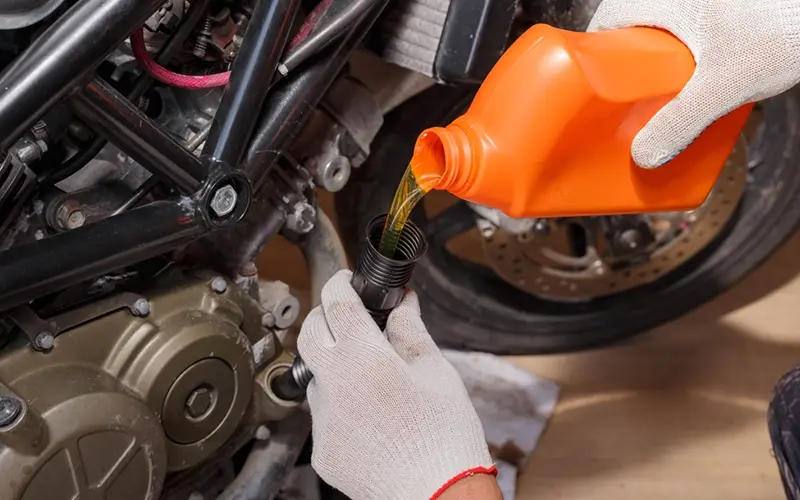

Motorcycle oil filters play a crucial role in keeping your engine clean, free from contaminants, and running at peak performance. Choosing the right motorcycle oil filter ensures longevity and efficiency. It helps in preventing costly repairs down the road. This guide explores the types of oil filters, their importance, and maintenance tips to keep your bike in top shape.
Why Motorcycle Oil Filters Matter
Motorcycle engines generate extreme heat and friction. This causes oil to accumulate dirt, metal shavings, and other impurities. An effective motorcycle oil filter prevents these contaminants from circulating. It helps in reducing engine wear and improving performance. Without a high-quality filter, sludge buildup can lead to engine damage and expensive repairs.

Types of Motorcycle Oil Filters
1. Paper Oil Filters
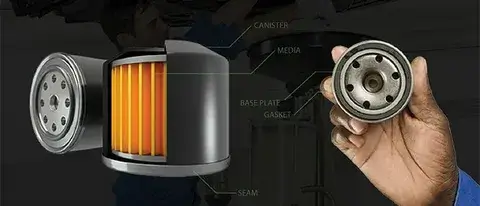
- The most common type features a pleated paper element that traps debris.
- Affordable and easy to replace.
- Best suited for riders who perform frequent oil changes.
2. Synthetic Oil Filters
- Made with synthetic fiber for enhanced filtration and longer life.
- Suitable for high-performance and long-distance riding.
- More expensive but offers superior protection.
3. Magnetic Oil Filters
- Uses a magnet to capture metal particles from the oil.
- Works well when paired with traditional filters.
- Ideal for bikes that endure heavy use and high RPMs.
4. Mesh Oil Filters
- Reusable filters are made from fine metal mesh.
- Requires regular cleaning but offers long-term savings.
- Best for riders looking for an eco-friendly option.

How to Choose the Right Motorcycle Oil Filter
Selecting the right oil filter depends on various factors:
- Manufacturer Specifications – Always check your owner’s manual for recommended filter types.
- Riding Conditions – High-performance bikes require advanced filtration, while casual riders can use standard filters.
- Oil Type – Some filters work better with synthetic or conventional oils.
- Filter Lifespan – Choose one that matches your maintenance schedule.
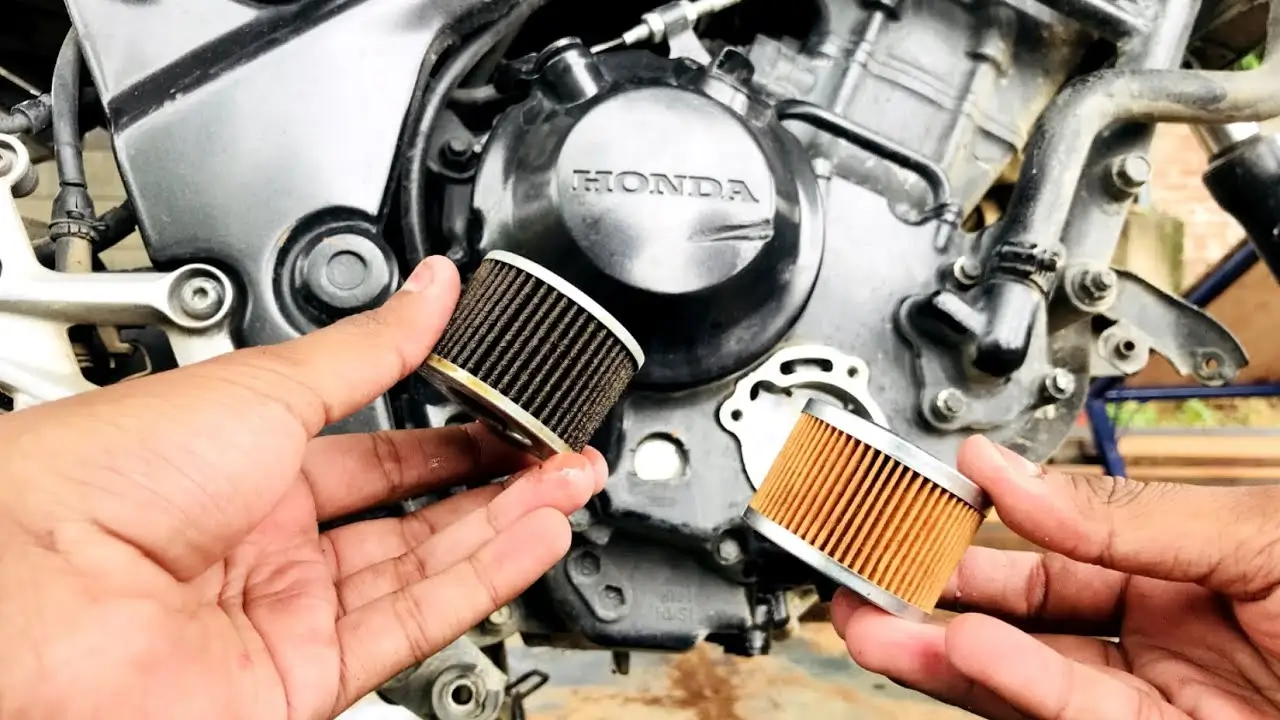
How Often Should You Change Your Motorcycle Oil Filter?
Regular filter replacement is essential for engine health. General guidelines include:
- Every 3,000 to 5,000 miles for conventional oil users.
- Every 5,000 to 7,500 miles for synthetic oil users.
- Always replace the filter when performing an oil change.
Step-by-Step Guide to Replacing a Motorcycle Oil Filter
1. Gather Your Tools
- New oil filter
- Fresh engine oil
- Oil filter wrench
- Drain pan and gloves
2. Drain Old Oil
- Place the drain pan under your bike.
- Remove the drain plug and let the oil fully drain.
3. Remove the Old Oil Filter
- Use an oil filter wrench if it’s too tight.
- Wipe off any residue from the mounting surface.
4. Install the New Oil Filter
- Apply a small amount of fresh oil to the filter’s gasket.
- Screw in the filter by hand and tighten slightly.
5. Refill with Fresh Oil
- Pour the recommended oil into the engine.
- Check for leaks before starting your bike.

Top Motorcycle Oil Filters for Maximum Engine Protection
1. K&N KN-204 Oil Filter
- High-performance filter with synthetic media for superior filtration.
- Features a nut for easy removal and installation.
- Ideal for sport and touring motorcycles.
2. Hiflofiltro HF204 Oil Filter
- Affordable yet high-quality replacement filter.
- Meets OEM specifications with excellent filtration efficiency.
- Suitable for a wide range of motorcycles.
3. Bosch 3300 Premium Oil Filter
- Advanced filtration technology for extended engine protection.
- Strong build quality with a leak-proof seal.
- Great for riders who prioritize durability.
4. Mobil 1 M1-110 Motorcycle Oil Filter
- Synthetic fiber blend captures more contaminants.
- High-capacity design for long service intervals.
- Perfect for high-performance and long-distance riders.
5. Fram PH6017A Motorcycle Oil Filter
- Economical option with good filtration capabilities.
- Reliable performance for daily riders.
- Easy installation and widely available.

Common Oil Filter Problems and How to Fix Them
1. Oil Leaks
- Ensure the filter is properly tightened.
- Check for worn-out gaskets and replace if needed.
2. Clogged Filter
- If the oil pressure drops, replace the filter immediately.
3. Incorrect Filter Use
- Always use a filter that is compatible with your bike’s engine type.

Benefits of Regular Oil Filter Maintenance
1. Improved Engine Longevity
- Reduces wear and tear by keeping the oil clean.
- Prevents sludge buildup that can damage internal components.
2. Enhanced Fuel Efficiency
- A clean oil filter allows smoother engine operation.
- Reduces fuel consumption by minimizing engine strain.
3. Lower Maintenance Costs
- Prevents major engine issues that require costly repairs.
- Extends the lifespan of engine components.
4. Consistent Performance
- Keeps the engine running at optimal performance levels.
- Ensures smooth and efficient power delivery.
5. Environmental Benefits
- Reduces harmful emissions from dirty oil.
- Promotes responsible motorcycle maintenance practices.
FAQs
1. Can I clean and reuse my motorcycle oil filter?
- Only if it’s a reusable mesh or magnetic filter should standard paper filters always be replaced.
2. How do I know if my oil filter needs replacing?
- Signs include decreased engine performance, dirty oil, or an illuminated oil warning light.
3. Can I use any oil filter on my motorcycle?
- No, always check your motorcycle’s manual for compatibility.
4. What happens if I don’t change my oil filter?
- A clogged filter can lead to oil starvation, increased wear, and potential engine failure.
5. Should I replace my oil filter with every oil change?
- Yes, replacing the filter along with the oil ensures maximum engine protection.
6. What is the best oil filter brand for motorcycles?
- Brands like K&N, Bosch, and Hiflofiltro are known for their high-quality filters.
Final Thoughts
Your motorcycle’s oil filter is a small but essential component that keeps your engine running smoothly and efficiently. By selecting the right filter, following a regular maintenance schedule, and replacing it when necessary, you ensure your bike stays in top condition for years to come.
For high-quality motorcycle oil filters and accessories, contact us at AliWheels!