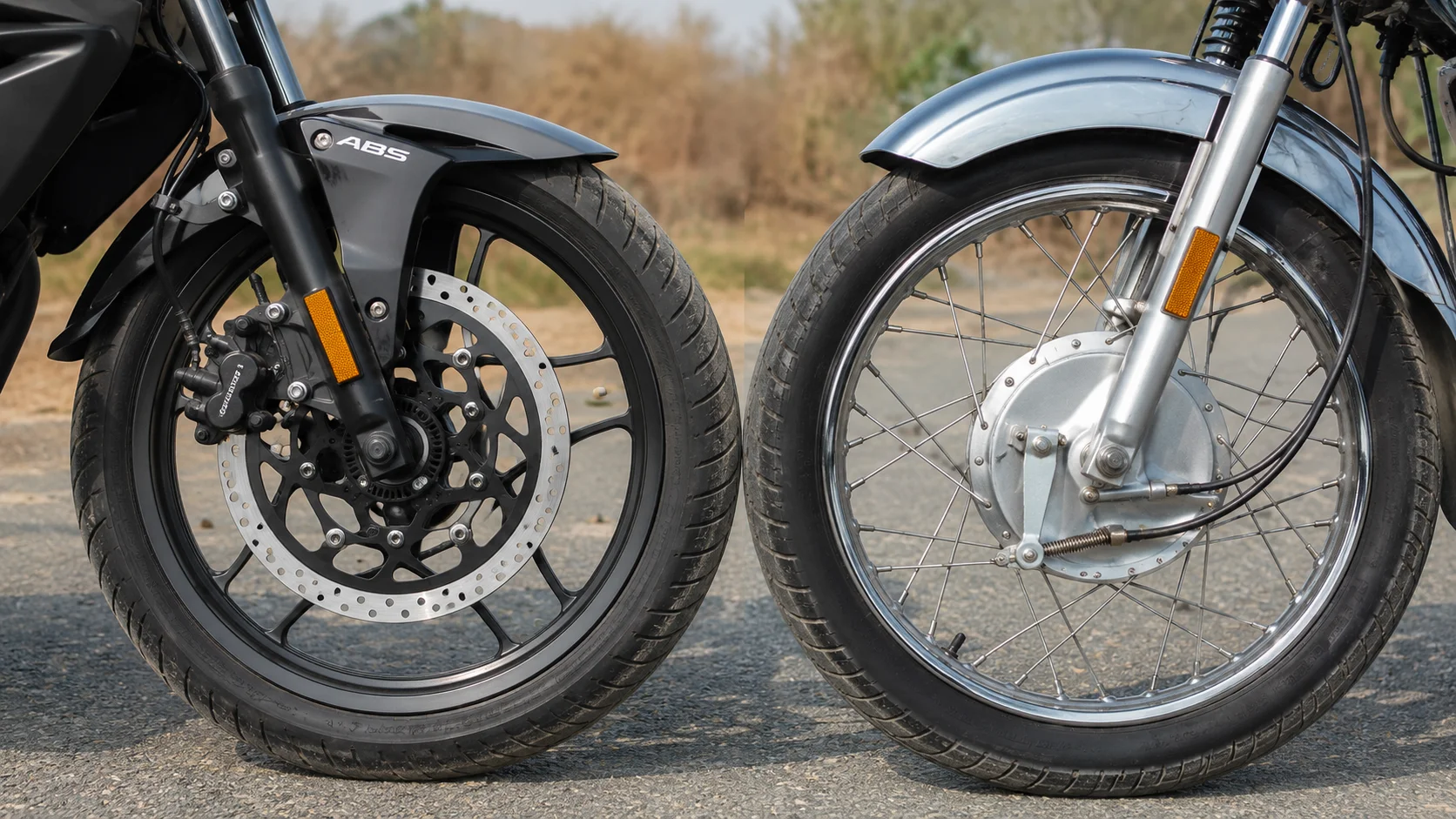




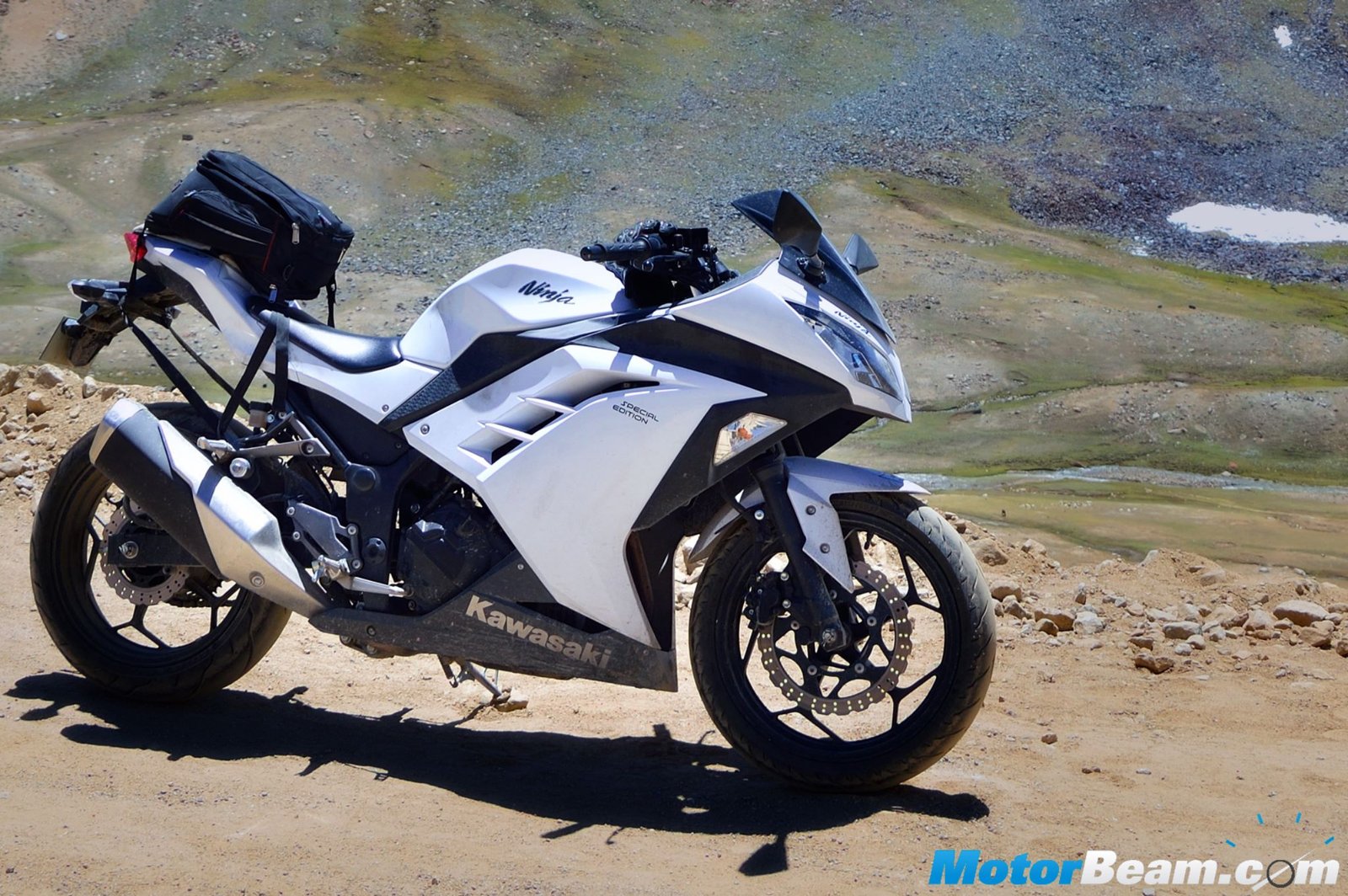

Kawasaki is known for tough builds and capable motorcycles. The Ninja series, the Z lineup, the Versys adventure bikes, and the brutally powerful H2 all share a reputation for performance and durability.
But durability is not a maintenance alternative. Even the most well-designed motorcycle degrades without proper care. Riders who maintain their Kawasakis get exceptional durability. Those who do not maintain experience preventable failures.
Here is a practical, experience-based guide on how to maintain your Kawasaki for the long run.
Know Your Specific Model’s Requirements
Kawasaki’s lineup spans everything from 125cc learner bikes to turbocharged superbikes. Each motorcycle has specific maintenance requirements, service intervals, and known wear areas.
A Ninja 400 has very different service demands from a Z900 or a Versys 1000. The engine architecture, cooling system, lubrication volumes, and component specifications all differ.
Start with the service manual for your specific model and year. Kawasaki service manuals are detailed and accurate. Every torque specification, fluid type, service interval, and procedure is documented. Generic advice from forums is useful context. The service manual is the actual authority.
If you do not have your manual, Kawasaki dealer parts departments can supply it. Digital versions are also available for most models.
Engine Oil is the foundation of everything
Kawasaki engines are engineered to tight tolerances. They need clean oil of the correct specification to function as designed.
Kawasaki recommends 10W-40 or 10W-30 mineral or synthetic oil, depending on the model and climate. Higher-performance engines in the Z series and Ninja range often benefit from full synthetic oil. Check your manual for the correct specifications.
Service intervals for most Kawasaki street bikes are 6,000 km or six months under normal conditions. For high-performance models like the Ninja ZX-10R or H2, shorter intervals of 3,000 to 4,000 km under hard use are more appropriate.
Change the oil filter with every oil change. This is non-negotiable. A filter holding contaminated oil from the previous service compromises the fresh oil immediately.
When draining, allow full drain time. Three to five minutes minimum. A hurried drain leaves a significant volume of contaminated oil in the engine.
Inspect the drain plug magnet when changing oil. Some Kawasaki engines use a magnetic drain plug that captures ferrous wear particles. Minimal fine residue is normal. Any fragments larger than fine powder warrant closer investigation.
Cooling System Maintenance on Liquid-Cooled Models
Most modern Kawasaki street bikes are liquid-cooled. The cooling system is often maintained poorly or ignored until it fails.
Coolant degrades over time. The corrosion inhibitors that protect aluminum components in the engine and radiator deplete with use and age. Old coolant with depleted inhibitors allows electrochemical corrosion inside the cooling passages.
Kawasaki recommends coolant replacement every two years regardless of appearance. Coolant can look normal while its protective properties are exhausted.
Use only Kawasaki-recommended coolant or a compatible premixed coolant that meets the specifications for aluminum engine cooling systems. Never use automotive coolant unless it specifically states compatibility with aluminum engines and motorcycle cooling systems.
Inspect the coolant hoses annually. Look for surface cracking, hardening, or soft spots that indicate internal degradation. Hoses that feel stiff or show surface cracks are close to failure. A coolant hose failure during a ride causes rapid engine overheating.
Check the radiator fins for debris blockage. Road insects, leaf debris, and road grime accumulate between the fins and reduce cooling efficiency. Clean carefully with low-pressure water or compressed air directed from behind the radiator.
Chain Drive Maintenance
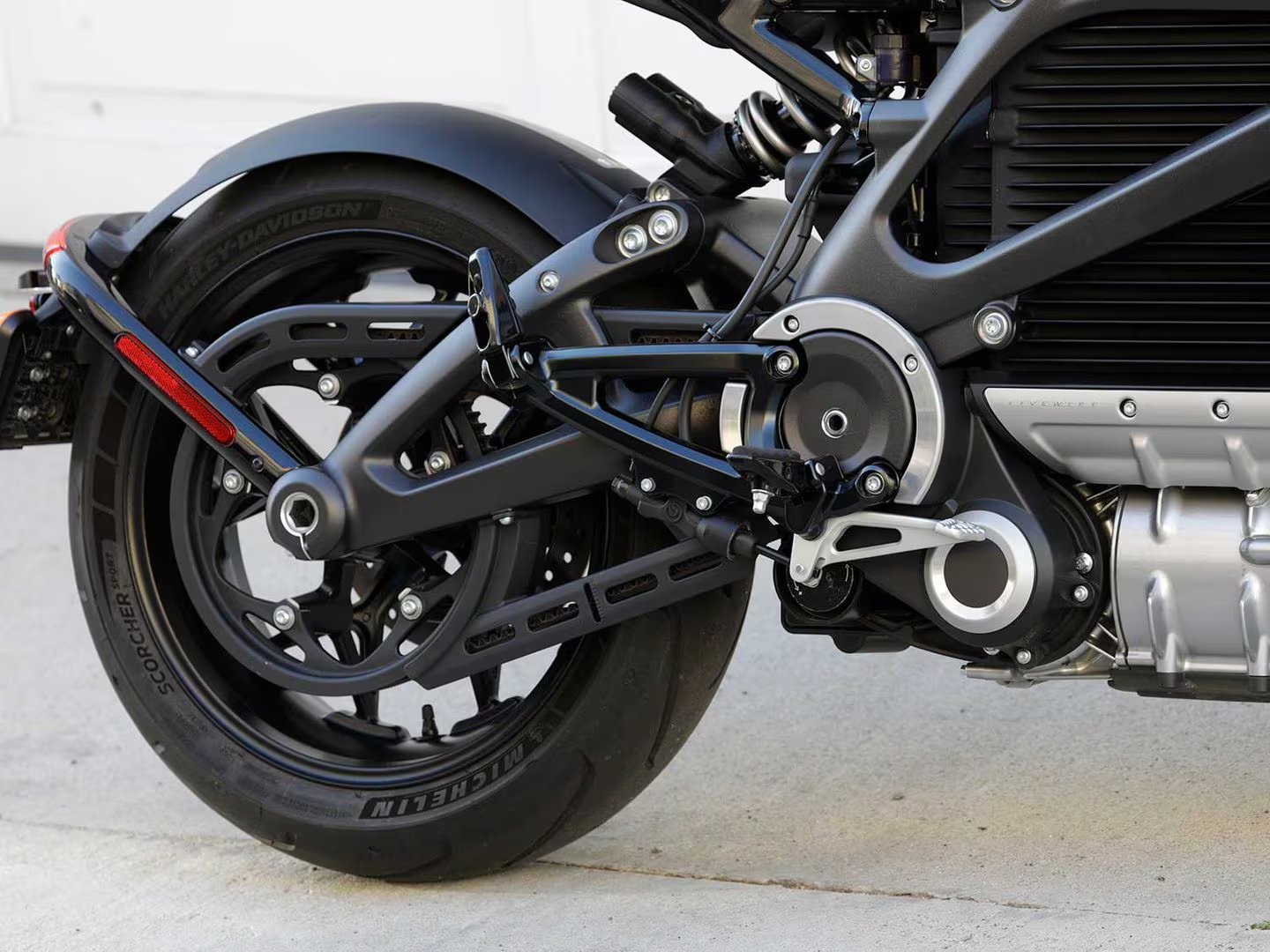
Most Kawasaki motorcycles use chain final drive. The chain system requires more attention than any other drivetrain component on your bike.
Clean and lubricate the chain every 500 to 800 km under normal conditions. After rain, immediately. After every wash.
Check chain tension every 1,000 km. The correct slack specification is in your service manual and varies by model. Incorrect tension accelerates wear on the chain, sprockets, and rear wheel bearing.
Inspect the sprocket teeth during chain checks. Worn teeth have a hooked or pointed profile rather than the correct symmetric shape. Worn sprockets must be replaced with the chain, never separately.
Replace the chain when it reaches the wear limit measured by the 20-link method. For 520-pitch chains used on most Kawasaki middleweights, this is approximately 323mm across 20 links. For 525 or 530 chains on larger models, check the specific limit.
Replace the chain and both sprockets together every time. Installing a new chain on worn sprockets produces rapid wear and skipping from the first kilometer.
Brake System Service
Kawasaki brakes across the lineup are excellent. Radial-mount calipers on performance models, linked braking systems on some adventure models, and standard sliding caliper setups on entry-level bikes all require regular maintenance.
Replace brake fluid every two years. Brake fluid absorbs moisture from the atmosphere over time. Contaminated fluid has a lower boiling point. Under hard braking, contaminated fluid can vaporize and cause brake fade.
Check brake pad thickness every 5,000 km. The minimum thickness before replacement is 1mm on most Kawasaki calipers, but replace at 2mm to maintain consistent performance. Never allow pads to wear to the metal backing plate.
Inspect brake rotors for scoring, deep grooves, and minimum thickness. Each rotor has the minimum thickness stamped on it or listed in the service manual. A rotor below minimum spec must be replaced. A thin rotor flexes, warps, and loses heat dissipation capacity.
If your Kawasaki is equipped with ABS, have the system tested if the ABS warning light illuminates or the system behaves unexpectedly. ABS sensor wheels can accumulate debris. ABS pump seals can develop leaks over time. These are not DIY repairs but they require prompt attention.
Air Filtration
Replace the air filter every 15,000 km under normal conditions. In dusty environments, inspect every 5,000 km.
A clogged air filter restricts airflow and forces the engine to run rich. On fuel-injected Kawasakis, this throws the fuel mapping off. Throttle response dulls. Fuel consumption increases. Power drops noticeably in the mid-range.
The air filter on most Kawasaki models is accessible without major disassembly. It is one of the quickest and most cost-effective service items you can perform.
Check the airbox seal where it mates with the filter element. A damaged seal allows unfiltered air to bypass the element. The engine breathes unfiltered air while the filter reads as clean.
Valve Clearance Checks
This is the maintenance item most commonly skipped by Kawasaki owners who service their own bikes.
Modern Kawasaki four-stroke engines use shim-over-bucket valve actuation on performance models or rocker arm systems on lower-displacement models. Both require periodic valve clearance inspection.
Out-of-specification valve clearance causes multiple problems. Tight valves on the exhaust side can burn valve seats over time. Loose valves cause excessive noise and reduce efficiency.
Kawasaki specifies valve clearance checks every 15,000 to 25,000 km depending on the model. Check your manual for the specific interval.
This job requires removing the fuel tank and valve cover at minimum. It is within the capability of a competent home mechanic with the correct tools. If clearances are out of specification, adjusting shim-type valves requires removing the camshafts to access the shims.
Skipping this service does not save time. It creates expensive repair work later.
Electrical System Health
Kawasaki’s electrical systems on modern models are robust. Regular attention prevents the intermittent faults that are difficult and time-consuming to diagnose.
Inspect battery terminals annually. Clean any oxidation with a wire brush and apply terminal protector spray. A corroded terminal creates resistance that affects starting performance and charging system behavior.
Check the charging voltage with a multimeter at 3,000 to 4,000 RPM. Correct output is 13.5 to 14.8V at the battery terminals. Below this range indicates a charging system fault. Above 15V indicates a failed regulator-rectifier.
Kawasaki regulator-rectifier units on some older models have a history of heat-related failure. If your bike is an older Kawasaki that has not had the regulator replaced, check its condition and mounting. Ensure it is securely mounted to a metal surface for heat dissipation.
Inspect wiring harness routing annually. Look for chafing against frame edges or heat damage near exhaust components. Replace any wiring showing damaged insulation before it causes shorts.
Fork and Suspension Service
Front forks need periodic oil changes. Over time, fork oil loses viscosity and its damping properties degrade. The bike starts feeling vague over bumps and the suspension sits lower in its travel.
Kawasaki recommends fork oil changes every 20,000 to 30,000 km on most models. If you have never had this done on a high-mileage bike, schedule it.
Inspect fork seals whenever you clean the front wheel area. A leaking fork seal leaves a visible oil film on the fork leg below the seal. Replace leaking seals promptly. Fork oil on the front brake rotor is a serious safety issue.
Rear shock linkage bearings require greasing or replacement on high-mileage bikes. Neglected bearings corrode and seize. A seized linkage prevents the suspension from moving through its full travel and creates dangerous handling characteristics.
Sourcing the Right Parts
The quality of parts you use directly affects how long your maintenance efforts last.
Incorrect specifications, inferior materials, and poor manufacturing tolerances all create problems that show up during the next service cycle or sooner.
Quality Kawasaki motorcycle parts sourced from a reliable supplier provide accurate fitment, correct specifications, and consistent performance over their service life.
Verify part compatibility with your specific model year before ordering. Kawasaki updates part numbers and specifications across model years even on visually similar components. Using the correct part for your specific year matters.
Build and Follow a Service Schedule
The single most impactful habit a Kawasaki owner can develop is a written service schedule.
List every service item from your manual with its interval. Record each service with the date and odometer reading when completed. Review upcoming services before each riding season and budget for them accordingly.
Predictive maintenance is always cheaper than reactive repair. A Kawasaki that is maintained consistently and correctly will cover enormous distances without unexpected failures.
The bike rewards the effort. Keep up your end of the relationship.Find quality Kawasaki motorcycle parts for every service interval at AliWheels.