



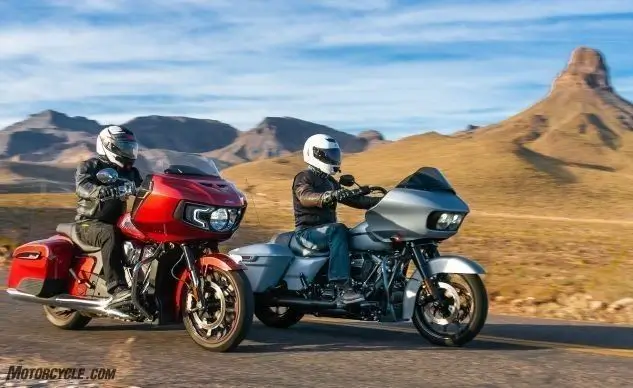

If you are choosing between the Indian Challenger and the Harley Road Glide, chances are you are not comparing horsepower numbers anymore. You are thinking about how the bike feels after hours on the highway, how stable it stays at speed, and whether engine heat becomes a constant distraction in traffic or warm climates.
Both are premium American touring motorcycles built for long-distance riding. Both have loyal followings. Yet riders who test or own them often report very different experiences when it comes to stability and heat management.
This comparison breaks down what actually matters on the road, not on a spec sheet, so you can decide which bike fits your riding style and expectations.
Why Stability and Heat Matter More Than Specs
When touring bikes cross 800 pounds with fuel and luggage, small design choices become big factors. Stability affects confidence during crosswinds, lane changes, and high-speed cruising. Heat affects comfort, fatigue, and how long you enjoy the ride before wanting to get off the bike.
Searches like Indian Challenger stability issues, Road Glide highway wobble, and Harley heat management problems continue to grow because riders are trying to solve real-world discomfort rather than chase peak numbers.
Indian Challenger Stability: Sport Touring Personality
The Indian Challenger was designed with aggressive touring in mind. It uses a frame-mounted fairing, inverted front forks, and a more modern chassis layout compared to most traditional cruisers.
How It Feels at Speed
Riders often describe the Challenger as planted and predictable at highway speeds. The frame-mounted fairing reduces steering input from wind, which helps the bike stay composed when passing trucks or riding in gusty conditions. This design is a big reason why many riders feel confident pushing the Challenger harder through sweeping turns.
Common rider observations include:
- Strong straight-line stability at 70 to 90 mph
- Minimal steering correction in crosswinds
- More sportbike-like front-end feedback for a touring bike
For riders coming from performance cruisers or sport touring backgrounds, the Challenger often feels familiar and reassuring.
Harley Road Glide Stability: Balanced and Proven
The Road Glide has earned its reputation over decades. Its frame-mounted sharknose fairing was introduced specifically to improve high-speed stability compared to fork-mounted designs.

How It Feels at Speed
The Road Glide delivers a calm, balanced ride that feels stable without being aggressive. It does not beg to be pushed hard, but it excels at steady cruising and long-distance comfort.
Typical rider feedback includes:
- Excellent highway stability during long touring days
- Predictable steering with a heavier feel than the Challenger
- Slightly more body movement over rough pavement due to softer stock suspension
Some riders report minor front-end wander at very high speeds or when suspension is worn, which is usually resolved with suspension upgrades rather than being a design flaw.
Heat Management: Where the Differences Become Clear
Heat is where these two bikes start to feel very different, especially in stop-and-go traffic or warm weather riding.
Indian Challenger Heat Experience
The Challenger uses a liquid-cooled PowerPlus engine, which helps manage heat more effectively than traditional air-cooled V-twins.
Rider Experience
Most Challenger owners report:
- Less radiant heat on legs during city riding
- Faster cooldown after traffic stops
- More consistent engine temperature in summer conditions
However, heat is not eliminated entirely. Exhaust routing and rear cylinder proximity can still create warmth during extended low-speed riding, but overall, the Challenger performs better in heat-heavy environments.
Search interest around Indian Challenger heat issues exists, but complaints are generally milder compared to air-cooled touring bikes.
Harley Road Glide Heat Experience
The Road Glide uses Milwaukee-Eight engines that are air-cooled with oil cooling assistance. Harley has made improvements over the years, but heat remains a common rider concern.
Rider Experience
Road Glide owners often mention:
- Noticeable heat on inner thighs in traffic
- Increased discomfort during summer touring
- Heat buildup during long idle periods
That said, many riders adapt with airflow management, heat shields, exhaust upgrades, and riding gear choices. Heat issues are real, but they are also manageable with the right setup.
This is why searches like Harley Road Glide heat problems and Road Glide heat fix continue to rank strongly.
Suspension and Weight Distribution Comparison
Stability and heat are closely tied to suspension and weight distribution.
Indian Challenger
- Inverted front forks offer better feedback
- Stiffer stock suspension improves control
- Slightly higher center of gravity due to engine layout
The Challenger favors riders who want sharper handling and less float at speed.
Harley Road Glide
- Traditional touring suspension prioritizes comfort
- Lower center of gravity helps low-speed balance
- Softer factory setup absorbs road imperfections better
Many Road Glide riders upgrade suspension early to improve stability without sacrificing comfort.
Which Bike Handles Wind Better?
Both bikes use frame-mounted fairings, which dramatically reduce wind-induced steering input.
- The Challenger cuts through wind with a more aggressive feel
- The Road Glide feels heavier but steadier during long highway stretches
Riders who frequently face crosswinds or ride open highways tend to appreciate both designs, but preferences vary based on riding style.

Ownership, Upgrades, and Long-Term Comfort
This is where aftermarket support becomes important.
The Road Glide benefits from massive aftermarket availability. Riders can fine-tune suspension, heat management, braking, and comfort with ease. Reliable Harley parts from trusted suppliers like Aliwheels allow Road Glide owners to address known pain points without guesswork. From heat shields to suspension upgrades, having access to quality components makes a noticeable difference.
The Indian Challenger has a growing aftermarket, but options are still more limited. Some riders appreciate the Challenger feeling dialed-in from the factory, while others miss the ability to customize as deeply.
Which One Is Right for You?
Choose the Indian Challenger if:
- You prioritize modern performance and sharper handling
- Heat management is a top concern
- You enjoy a sport-touring feel in a touring package
Choose the Harley Road Glide if:
- Long-distance comfort matters more than aggressive handling
- You want proven touring stability
- You value deep aftermarket support and customisation options
Neither bike is objectively better. They simply serve different rider personalities.
Final Thoughts
The Indian Challenger vs Harley Road Glide stability and heat comparison comes down to riding style, climate, and expectations. The Challenger feels modern, controlled, and cooler. The Road Glide feels traditional, comfortable, and endlessly customizable.
Understanding how stability and heat affect your daily rides is more important than chasing peak numbers. Riders who match the bike to their real-world needs end up happier and ride longer.
If you choose the Road Glide and plan to refine its ride, sourcing dependable parts from established suppliers like Aliwheels helps ensure upgrades improve comfort and reliability rather than compromise them.
In the end, the best touring bike is the one that keeps you riding when the road gets long, the weather gets hot, and the miles keep coming.