




Every rider has felt that moment: the air turns sharp, mornings get colder, and your motorcycle starts feeling a little more stubborn than usual. Winter isn’t just a season; it’s a slow, mechanical stress test for your bike. If you don’t prepare for it, small issues become big repairs, batteries die quietly, and moisture turns shiny metal into rust. But winterizing your motorcycle doesn’t need a mechanic’s toolbox or a professional workshop. What you really need is a thoughtful routine, the right parts, and an understanding of what cold temperatures do to your motorcycle’s mechanical parts and accessories.
This guide walks you through the entire process like a fellow rider, not a textbook, so your bike sleeps safely through winter and wakes up in spring like it never skipped a beat.
What’s Included in Winterizing Your Motorcycle?
Cold weather isn’t harmful because of the “cold” itself; it’s harmful because:
- oil thickens
- rubber stiffens
- Batteries lose charge
- Fuel attracts moisture
- Metal starts corroding slowly.
- Seals dry out
- Condensation builds inside the tank.
If the bike sits untouched for weeks, it begins to age faster than when you ride it daily. Winter prep is your way of freezing time, keeping everything clean, protected, charged, lubricated, and ready.
Start With the Fluids, They’re Your Bike’s Blood
You can’t winterize a motorcycle properly without thinking about fluids. Cold changes viscosity, and moisture becomes your invisible enemy.
Before storing the bike, replace engine oil if it’s already due. Used oil contains acidic waste that slowly eats engine components during long storage.
Coolant is equally important. If your coolant is old, your engine becomes vulnerable to freezing cycles, which can warp metals or crack housings. A fresh coolant flush keeps the cooling system protected throughout harsh months.
Brake fluid may not freeze, but moisture absorption increases in winter. If it’s been more than a year, fresh fluid ensures clean hydraulic pressure when riding resumes.
Treat Your Fuel System Like an Investment
A motorcycle tank can rust from the inside during winter because temperature changes create condensation. The easiest prevention? A tank filled to the top.
Add a fuel stabilizer as well; it protects injectors, carbs, and fuel lines from varnish buildup. Riders with carbureted bikes especially need this because stagnant fuel gums up jets quickly.
If your motorcycle has a petcock, close it. If it has a carburetor drain screw, empty the bowl. Your bike will thank you in spring.
Battery Care: The Real Secret to a Stress-Free Spring Start
Nothing fails more quietly in winter than a motorcycle battery. Cold weather reduces cranking power, and a sitting bike drains charge naturally.
A smart charger or trickle charger keeps the battery conditioned without overcharging. If the bike sits in an unheated garage, removing the battery and storing it indoors extends life dramatically.
A battery that winters well is a battery that starts instantly when the season returns.
Pay Attention to Rubber, Tires, and Seals
Rubber hates winter. Tires lose pressure quickly, and rubber compounds stiffen.
Inflate them slightly above your regular PSI to counter slow deflation over weeks. If you’re storing the bike long-term, a paddock stand prevents flat-spotting. If that’s not an option, roll the bike forward a few inches every two weeks.
Check rubber hoses and seals for dryness. Applying a silicone protectant keeps them supple through the season.
Give Your Chain the Treatment It Deserves
A dry chain in winter becomes a rusty chain by spring. Clean it thoroughly, remove dirt and salt, and apply a high-quality chain lube. If you want long-term peace of mind, use a chain wax; it clings better during storage.
Don’t Forget the Air Filter, Spark Plugs, and Intake
Winter is the perfect time for small maintenance jobs you normally postpone.
A clogged air filter attracts moisture. Replace or clean it before storage.
Spark plugs don’t need winter-specific care; just make sure they’re not already due. A fresh set ensures crisp ignition when temperatures rise again.
If you’re storing your bike in a dusty area, block the air intake with a breathable cover to keep rodents and debris out.
Protect the Exterior Like It’s a Collectible
Moisture is the enemy. Chrome, aluminum, steel, and paint all suffer in winter conditions.
Give the motorcycle a proper wash before storing it. Dry every crevice. Then apply:
- A paint sealant or wax
- anti-rust spray on chrome
- corrosion inhibitor on engine cases
- silicone spray on plastic panels
A breathable cover, not a cheap plastic one, keeps humidity from getting trapped underneath.
Exhausts Need Protection Too
Exhaust pipes attract condensation inside them. To prevent internal rust, lightly spray fogging oil or place an exhaust plug (or even a clean cloth) in the tip to block moisture entry.
Just remember to remove it before the next ride.
Be Mindful Where You Store It
Winterizing your motorcycle isn’t only about parts; it’s about the environment.
Your bike lives best when:
- The floor is dry
- Airflow is good
- The temperature isn’t fluctuating wildly.
- Sunlight isn’t directly hitting the rubber or the paint
If storing indoors isn’t possible, elevate the bike slightly and cover it with a breathable outdoor motorcycle cover.
When Spring Comes, You’ll Feel the Difference
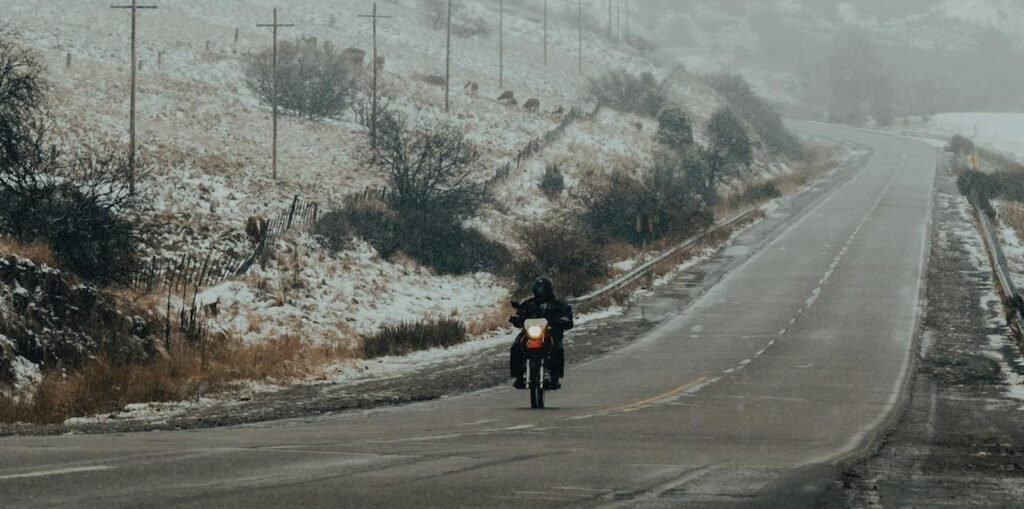
The best part of winter prep isn’t the preparation, it’s the first ride after it.
A properly winterized bike starts with authority, shifts smoothly, rolls effortlessly, and feels like it woke up refreshed. Skip winter prep, and that same bike feels tired, stiff, or worse, refuses to start. Winterizing is not about being overprotective; it’s about preserving performance, safety, and value. Aliwheels has all the motorcycle winter essentials you may need this year to winterize your motorcycle. Check out the fresh stock today.