




If you ride or store a motorcycle near the ocean, rust is not a possibility. It is a certainty unless you actively prevent it. Searches like motorcycle rust prevention, motorcycle rust in coastal climates, and how to stop motorcycle corrosion are rising because coastal riders face a unique combination of salt air, humidity, and temperature swings that accelerate corrosion far faster than inland environments.
Many riders believe rust only affects neglected bikes. In reality, even well-maintained motorcycles can show corrosion within months when exposed to salty air. This guide explains why coastal climates are so aggressive, which parts rust first, and how riders actually prevent motorcycle rust long term.
Coastal Climates Destroy Motorcycles Faster
Salt is the real enemy. Ocean air carries microscopic salt particles that settle on metal surfaces, even if your bike never touches seawater. Combined with high humidity, this creates a constant electrochemical reaction that attacks exposed steel, fasteners, welds, and even aluminum components.
Riders searching why motorcycles rust near the ocean often underestimate how far salt travels inland. Even bikes stored several miles from the coast experience accelerated corrosion.
Heat cycles make the problem worse. Metal expands and contracts, allowing moisture to creep into seams, bolt threads, and electrical connectors. Over time, this causes surface rust, pitting, and eventually structural damage.
Parts That Rust First on Motorcycles
Understanding vulnerable areas is key to effective motorcycle rust prevention. Coastal riders consistently report corrosion starting in the same places.
Fasteners and bolts rust first because they are often untreated steel. Exhaust systems corrode quickly, especially welds and mounting points. Brake rotors develop surface rust overnight. Frames can rust at weld joints, especially where paint coverage is thin.
Electrical connectors are another hidden issue. Salt corrosion causes intermittent electrical problems that riders often misdiagnose as battery or sensor failure.
Washing Alone Is Not Enough
Many riders think frequent washing prevents rust. Washing helps, but it is only part of the solution. Rinsing removes surface salt, but moisture left behind accelerates corrosion if not properly dried.
Riders searching how often should I wash my motorcycle near the ocean usually get incomplete advice. The key is not just washing, but drying and protecting afterward.
After washing, compressed air or a blower helps remove trapped moisture. Riding immediately after washing also helps heat evaporate remaining water from crevices.
Protective Coatings That Actually Work
Long-term rust prevention requires barriers between metal and salt air. This is where many riders fail by choosing the wrong products.
Corrosion inhibitors designed for motorcycles form a thin protective film that repels moisture and salt. These products are widely discussed in best motorcycle rust protection searches for a reason. They work when applied regularly.
Wax-based frame and engine protectants are especially effective in coastal climates. Unlike grease, they do not attract dirt and remain stable under heat.
For chrome and polished metal, protective wax or sealant slows oxidation significantly. Bare aluminum benefits from corrosion-specific sprays rather than standard polish.
The Importance of Proper Storage
Storage plays a huge role in preventing motorcycle rust in coastal climates. Outdoor storage without protection almost guarantees corrosion.
A breathable motorcycle cover is essential. Non-breathable covers trap moisture and worsen rust. Indoor storage is best, but even garages near the coast require ventilation to reduce humidity.
Desiccant packs or dehumidifiers inside storage areas help control moisture levels. Riders searching best way to store motorcycle near ocean often overlook humidity control entirely.
Electrical System Protection
Electrical corrosion causes some of the most frustrating issues for coastal riders. Salt corrodes terminals, connectors, and grounding points.
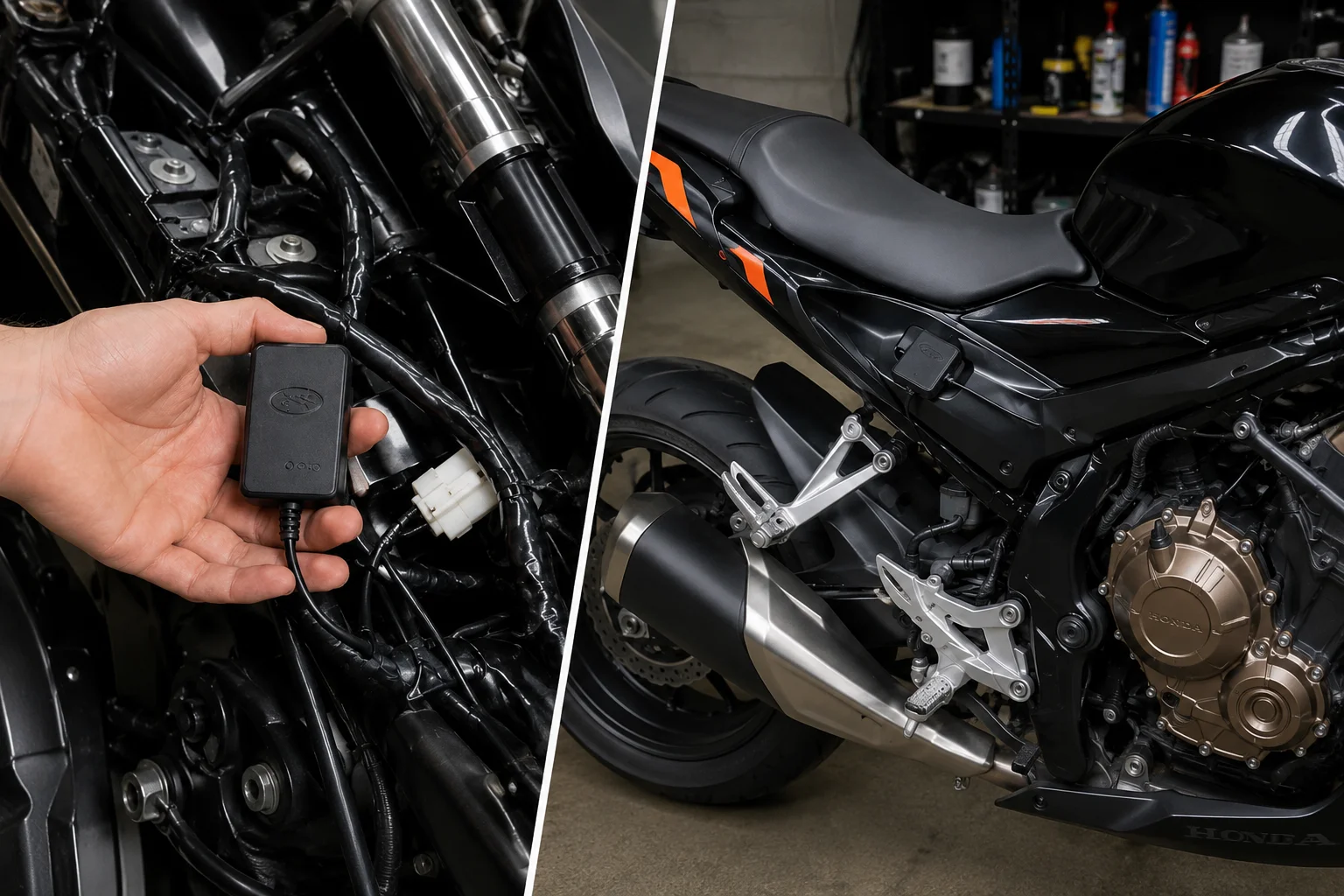
Dielectric grease applied to connectors creates a moisture barrier without affecting conductivity. Battery terminals should be cleaned and protected regularly.
Riders who ignore this step often experience starting issues, sensor errors, and charging problems that appear unrelated to rust at first glance.
Exhaust and Brake Care in Coastal Areas
Exhaust systems are constantly exposed to heat and moisture, making them highly vulnerable. Stainless steel exhausts resist rust better, but welds and fasteners still corrode.
Applying high-temperature anti-corrosion coatings to exhaust components significantly extends their lifespan. Brake rotors benefit from light surface cleaning after washing, followed by a short ride to dry them completely.
Riders searching motorcycle brake rust overnight quickly learn that coastal humidity accelerates surface corrosion dramatically.
Fastener Upgrades That Make a Difference
One of the most effective long-term solutions is replacing vulnerable fasteners with stainless steel or coated hardware. This is especially important for exposed areas like fairings, exhaust mounts, and engine covers.
Reliable parts suppliers such as Aliwheels offer corrosion-resistant motorcycle hardware and replacement components designed to withstand harsh environments. Using quality parts reduces both cosmetic and structural rust issues over time.
Riding Frequency Matters More Than You Think
Motorcycles that sit unused rust faster than those ridden regularly. Riding heats components, evaporates moisture, and reduces salt buildup.
Even short rides help prevent corrosion. Riders searching does riding prevent motorcycle rust are often surprised how effective regular use can be compared to static storage.
Long-Term Rust Prevention Strategy
Preventing rust is not a one-time task. Coastal riders who succeed follow a routine. Regular rinsing to remove salt, thorough drying, protective coating application, and periodic inspection form the foundation.
Ignoring rust early leads to expensive repairs later. Surface corrosion spreads quickly in salty air, turning cosmetic issues into structural problems.
Final Thoughts
Living near the ocean does not mean accepting a rusty motorcycle. With the right approach, motorcycle rust prevention in coastal climates is completely manageable.
The key is understanding that salt exposure is constant, even when your bike looks clean. Protection, not just cleaning, makes the difference. Investing in proper storage, corrosion-resistant parts, and quality maintenance products keeps your motorcycle reliable, safe, and visually clean for years.For riders sourcing durable replacement parts and protective components, Aliwheels remains a reliable option, especially for motorcycles exposed to harsh coastal environments. Rust prevention is not about perfection. It is about consistency and smart choices that protect your bike where it matters most.