



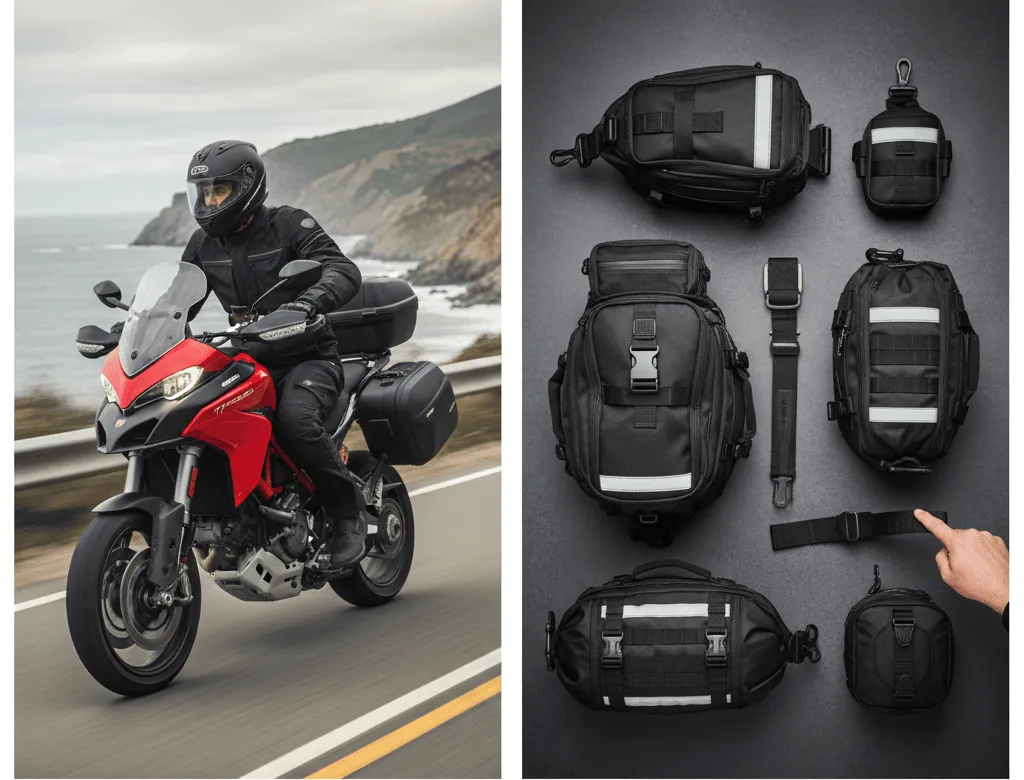

Riding a motorcycle is freedom on two wheels. But anyone who’s packed a bag for a long trip knows the frustration when luggage starts to sag, rub against the bike, or slide around at highway speeds. The right motorcycle luggage setup keeps your gear secure and your ride comfortable. Here’s how to pick bags that actually work for your bike, your gear, and your riding style.
Think What You’ll Carry
Before buying anything, think about what you’ll actually carry. A weekend trip with clothes, toiletries, and a small toolkit is very different from a week-long adventure with camping gear. Overpacking can ruin handling, so choose luggage that fits your typical load.
Motorcycle luggage comes in different sizes: small (5–15 liters) for short rides, medium (15–30 liters) for weekend trips, and large (30+ liters) for long tours. Heavier or bulky items should always be packed carefully to prevent shifting. Even the best bag can sag or rub if the load isn’t balanced.
Hard vs Soft Luggage: What Works for You?
One of the first decisions is choosing between hard and soft luggage.
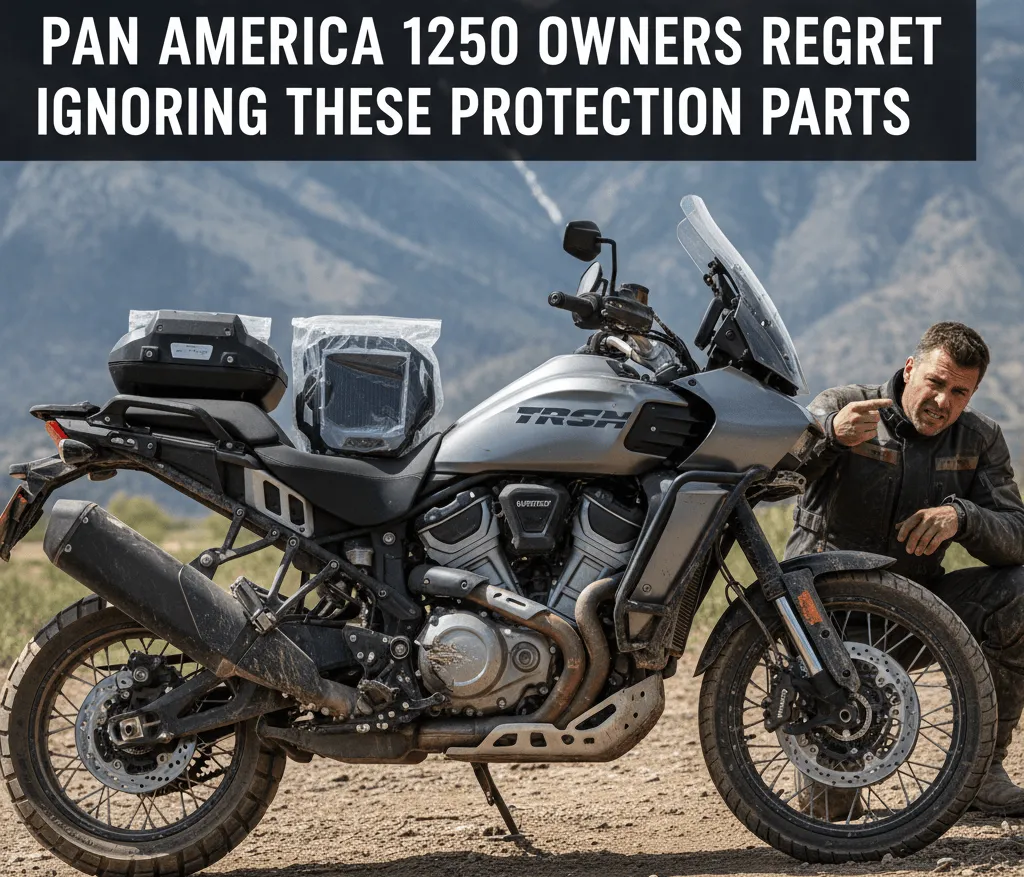
Hard cases like top boxes and panniers lock up tight, protect your gear, and rarely sag. They’re heavier but excellent for touring or commuting in all weather. Hard luggage usually mounts to a frame or rack, so your gear stays in place even at high speeds.
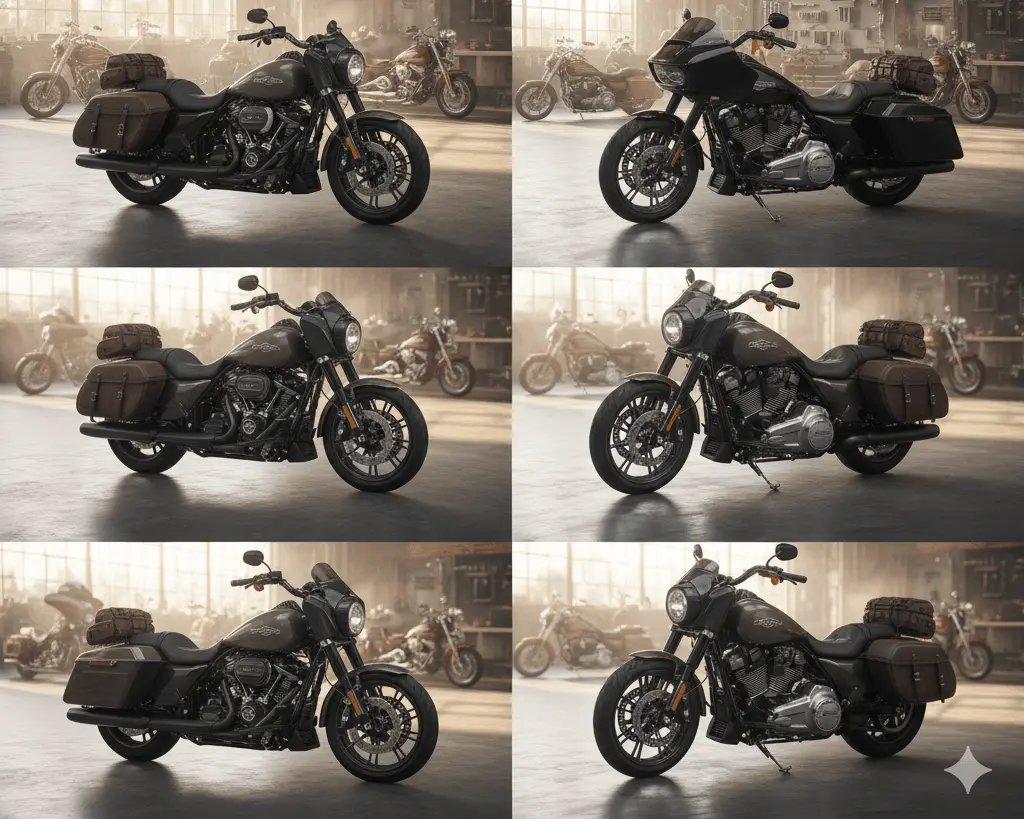
Soft luggage tail bags, saddlebags, and tank bags are lighter and easier to carry off the bike. The key is a solid mounting system. Cheap soft bags can sag, shift, or rub paint and exhaust pipes if they aren’t secured properly.
Many riders mix both: soft bags for day trips or adventure riding, and hard luggage for longer tours. The combination often gives the best balance of flexibility and stability.
Mounting Matters More Than You Think
Even the most expensive bag won’t stay put if it isn’t mounted correctly. Straps that loosen or poor mounting hardware will let your luggage move at speed. Look for secure straps, racks, or dedicated mounting systems designed for your bike. Quick-release mechanisms are convenient but only work if they lock tightly.
Forget using bungee cords for serious trips. They can snap or loosen and allow the bag to slide, rub, or even touch hot parts of the bike. Using tank bags, tail bags, and saddlebags with proper mounts keeps everything in place.
Balance the Load
Packing isn’t just about fitting everything inside a bag; it’s about how it affects your bike. Heavy items should sit low and near the center, and saddlebags should be loaded evenly on both sides. Uneven weight can make corners and turns feel unstable.
Even small differences can affect handling, especially at highway speeds. Proper weight distribution is critical to keeping your ride smooth, safe, and comfortable.
Weather and Durability
Motorcycles face wind, rain, dust, and sun on every ride. Bags that aren’t weather-resistant can sag, leak, or wear out quickly. Look for waterproof materials, weatherproof zippers, and strong fabrics like Cordura or ballistic nylon. Reinforced stitching and metal hardware last longer and keep bags from losing shape.
A durable, waterproof tail bag or tank bag can make the difference between a dry ride and soggy, sliding gear. Even soft luggage benefits from rain covers or internal waterproof compartments.
Organization and Packing Tips
Even if a bag is mounted securely, loose items inside can shift and throw off balance. Organize your gear using compartments or packing cubes. Place heavier items at the bottom and lighter items on top to prevent internal shifting.
For longer trips, saddlebags with multiple compartments or tank bags with clear maps/pockets help keep essentials accessible and balanced. A little thought about packing prevents rubbing, sagging, or sliding at speed.
Test Everything Before You Ride
Before hitting the road, always check:
- Are straps tight and secure?
- Does anything touch the exhaust or moving parts?
- Is the weight balanced left to right?
- Do quick-release mounts click firmly in place?
Even luggage that felt stable on a previous ride can loosen over time. A quick shake and inspection ensures your gear won’t move during the ride.
Maintain Your Motorcycle Luggage
A little care goes a long way. Wipe off dirt, grit, and salt after rides. Check zippers, clips, and straps for wear. Replace frayed straps promptly. Properly maintained luggage performs consistently and lasts for years.
Maintenance matters most for soft luggage, where fabric and stitching can weaken from repeated use. Even hard luggage benefits from regular cleaning and lubrication of locking mechanisms.
Choose What Fits Your Riding Style
There’s no single solution. Touring riders may prefer rigid hard panniers and top boxes for long trips. Adventure riders often lean on soft saddlebags and tail bags for flexibility and lighter weight. Commuters may use small tank bags for essentials. Focus on secure mounting, balanced packing, weather resistance, and durability. With these elements in place, your motorcycle luggage won’t sag, rub, or shift, and your ride will feel smoother and safer. Check out the motorcycle luggage solutions at Aliwheels to ride a more farther.