




The Honda CBR150R from the early 2000s earned a reputation for being lightweight, reliable, and fun to ride. For many riders, especially in Asia and emerging sportbike markets, the 2002–2007 CBR150R became a daily companion for commuting, weekend rides, and even amateur track use. But like every motorcycle, certain parts wear out over time, and clutch plates are high on that list.
If your CBR150R has started slipping under acceleration, feels jerky when releasing the clutch, or struggles to transfer power smoothly, there is a strong chance your clutch plates are nearing the end of their service life. This guide walks through how to recognize clutch plate wear, when replacement is necessary, and what riders should know before changing clutch plates on a Honda CBR150R from 2002 to 2007.
The Clutch System on the CBR150R
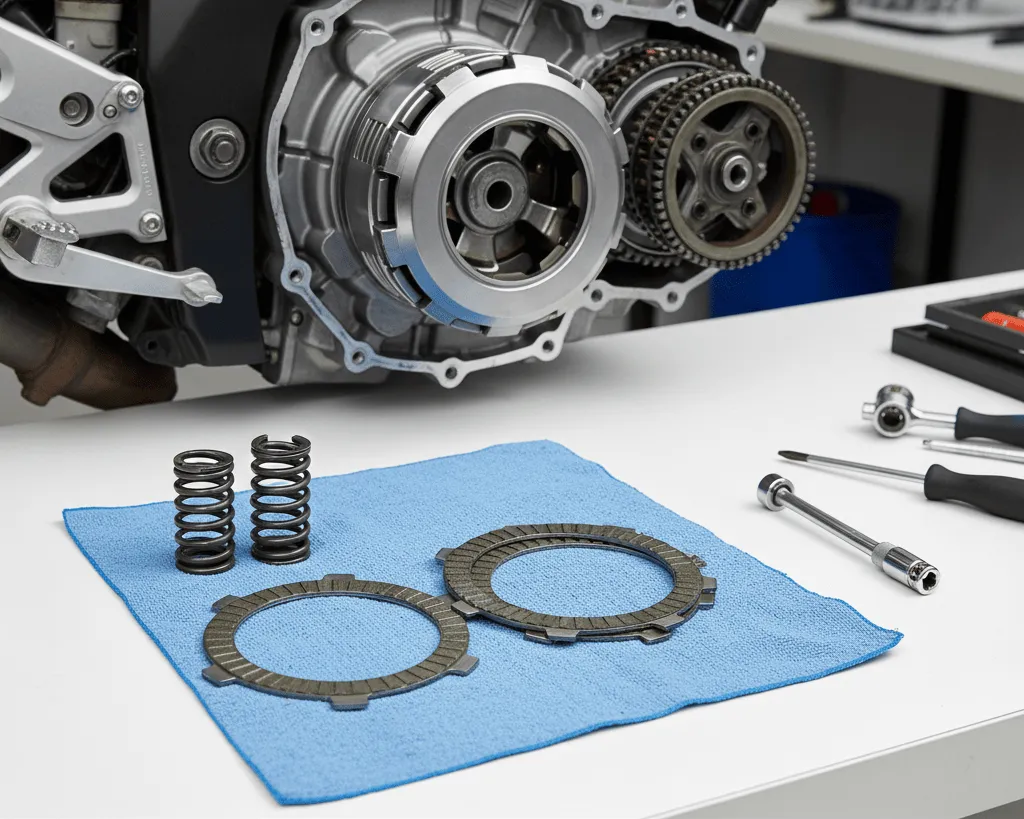
The Honda CBR150R uses a wet multi-plate clutch system. This means the clutch plates run inside the engine oil, helping with cooling and longevity. The system consists of friction plates, steel plates, clutch springs, and a pressure plate, all working together to connect and disconnect engine power from the transmission.

Over time, friction material wears down due to heat, aggressive riding, frequent stop-and-go traffic, or improper clutch use. While Honda designed the clutch system to be durable, it is not a lifetime component. Knowing how the clutch behaves when healthy makes it easier to spot problems early.
Signs Your CBR150R Clutch Plates Need Replacement
Most riders first notice clutch problems gradually rather than suddenly. The most common warning signs include:
Clutch slipping during acceleration, especially in higher gears
Engine revs are rising without a matching increase in speed
Difficulty finding neutral when the engine is hot
A grabby or inconsistent clutch feel
Burnt oil smell after hard riding
Reduced fuel efficiency due to inefficient power transfer
If your CBR150R has crossed higher mileage or has been ridden aggressively, these symptoms are often linked directly to worn clutch plates rather than cable adjustment issues.
Mileage Expectations for Clutch Plate Replacement
There is no exact mileage at which clutch plates fail, but for the Honda CBR150R 2002–2007, riders typically replace clutch plates between 20,000 and 40,000 kilometers, depending on riding style.
Frequent city riding, heavy traffic, hard launches, or track use can shorten clutch life significantly. Riders who use smooth throttle control and avoid excessive clutch slipping often get much longer service life.
If your bike still uses the original clutch plates after many years, replacement is usually overdue, even if symptoms are mild.
What to Replace During a Clutch Plate Service
While some riders replace only friction plates, it is best practice to inspect the entire clutch assembly during replacement.
Friction plates should always be replaced as a set
Steel plates should be inspected for warping or discoloration
Clutch springs should be measured and replaced if weak
Engine oil should be changed after clutch work
Replacing worn clutch springs along with clutch plates often restores a firm lever feel and prevents early slipping after installation.
OEM vs Aftermarket Clutch Plates for CBR150R
Riders replacing Honda CBR150R clutch plates usually choose between OEM-spec replacements and performance-oriented aftermarket options.
OEM-style clutch plates are ideal for daily riding and long-term reliability. They provide smooth engagement, a predictable feel, and compatibility with stock components.
Aftermarket clutch plates may offer higher friction materials designed for aggressive riding, quicker engagement, or improved heat resistance. These can be beneficial for riders who push their bikes harder or ride in demanding conditions.
The key is choosing clutch plates designed specifically for the 2002–2007 CBR150R engine, as dimensions and compatibility matter greatly.
Preparing for Clutch Plate Replacement

Before starting the replacement process, make sure you have:
Correct clutch plates for your model year
Fresh engine oil meeting Honda specifications
Basic hand tools including a socket set and a torque wrench
A clean work area
Service manual or torque reference
Soaking new friction plates in engine oil for several hours before installation is critical. Dry plates can glaze quickly and shorten clutch life.
Basic Overview of the Replacement Process
Replacing clutch plates on the Honda CBR150R is a manageable job for riders with basic mechanical skills. The general process involves:
- Draining the engine oil
- Removing the clutch cover
- Loosening clutch spring bolts evenly
- Removing old friction and steel plates
- Installing new plates in the correct order
- Reinstalling springs and the pressure plate
- Refitting the clutch cover with a new gasket if needed
- Refilling with fresh oil
Correct torque values are important. Over-tightening clutch springs or cover bolts can cause uneven pressure or damage threads.
Post-Replacement Break-In Tips
New clutch plates need a short break-in period. For the first few hundred kilometers:
Avoid aggressive launches
Use smooth throttle input
Shift normally without high-rpm clutch drops
Allow plates to bed in evenly
This helps the friction material seat properly and prevents premature wear.
How Clutch Health Affects Overall Performance?
On a lightweight bike like the CBR150R, clutch performance directly affects acceleration, ride smoothness, and rider confidence. A worn clutch makes the bike feel tired even if the engine is healthy. Fresh clutch plates restore crisp power delivery, smoother gear changes, and predictable control in traffic. Riders often report the bike feeling noticeably more responsive after replacement.
The Honda CBR150R from 2002 to 2007 remains a respected machine, and keeping its drivetrain healthy ensures many more miles of enjoyable riding. Clutch plates are a wear item, not a failure, and replacing them at the right time protects both performance and engine longevity. If your bike shows signs of slipping, rough engagement, or delayed power transfer, addressing the clutch early prevents further damage and restores the riding experience Honda intended.