




Honda CBR motorcycles have earned their reputation the hard way: by being ridden hard, often, and without excuses. From daily commuters to weekend canyon riders and track-day addicts, the CBR lineup attracts people who actually use the throttle. That is also why clutch plate issues show up so frequently in owner discussions. Not because Honda builds weak bikes, but because the clutch is one of the first components to reflect how a CBR is ridden.
Most riders do not wake up one morning thinking about clutch plates. The problem usually sneaks in slowly, disguised as something else. A vague engagement point. A bike that revs a little higher before it moves. A clutch lever that feels fine but no longer translates power the way it used to. By the time riders search for Honda CBR clutch plate issues, the damage is often already in progress.
Why Clutch Plates Wear Faster on Sport Bikes Like the CBR?
CBRs are built to live high in the rev range. Aggressive acceleration, quick shifts, traffic riding, and spirited launches all put heat into the clutch pack. Over time, friction plates glaze, steel plates warp slightly, and the clutch loses its ability to transfer power cleanly.
Many riders mistake early clutch wear for fueling problems or throttle response issues. The engine feels strong, but acceleration feels muted. This is one of the most common Honda CBR clutch slipping symptoms, especially on higher-mileage bikes or those ridden aggressively in city traffic.
Unlike touring bikes, sport bikes demand frequent clutch engagement. Stop-and-go riding, clutch feathering at low speeds, and hard upshifts all add heat. Heat is the real enemy of clutch plates not mileage alone.
The First Signs Riders Usually Ignore
One of the reasons CBR clutch plate replacement is often delayed is that the symptoms are subtle at first. Riders notice the engine revving more freely without a matching surge forward. Others feel the clutch engagement zone shrinking, forcing more precise lever control.
In higher gears, especially under full throttle, the bike may hesitate before accelerating. This is a classic sign of worn clutch plates, but many riders assume it is traction control, fueling, or rider input.
The truth is simpler. The friction material is no longer gripping the steel plates with enough force.
Why Waiting Makes the Problem Worse
Clutch wear does not stay contained. Once plates begin slipping, heat builds rapidly. That heat can discolor steel plates, weaken clutch springs, and contaminate engine oil with friction material. What starts as a simple Honda CBR clutch plate issue can turn into a more expensive repair if ignored.
This is why experienced riders replace clutch plates early rather than trying to ride around the problem. A fresh clutch restores throttle response, reduces drivetrain shock, and makes the bike feel sharp again.
Many riders describe clutch replacement as making their CBR feel “new,” even when the bike has high mileage.
Choosing the Right Clutch Plates Matters Alot
Not all clutch plates are created equal. OEM-style plates preserve factory feel, while performance-oriented options handle heat better for aggressive riding. The mistake many riders make is choosing based solely on price, rather than riding style.
If you commute daily, smooth engagement and longevity matter. If you ride aggressively or track your CBR, heat resistance becomes more important. This is where sourcing quality parts matters. Reliable suppliers like Aliwheels make it easier to find Honda CBR clutch plates that match your riding needs instead of forcing compromises.
Cheap friction plates may work initially, but they often glaze faster, leading riders back to the same problem sooner than expected.
The Replacement Process: What Riders Should Know?
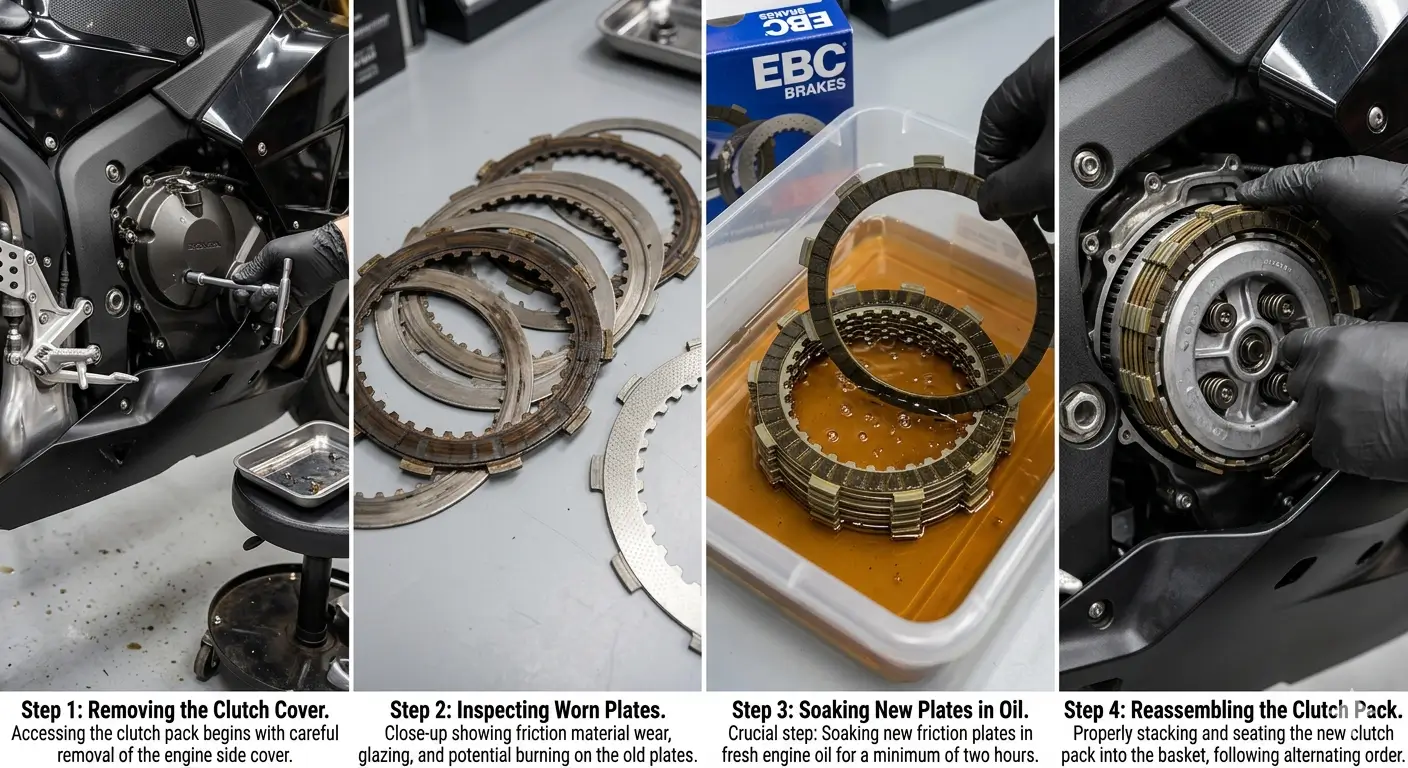
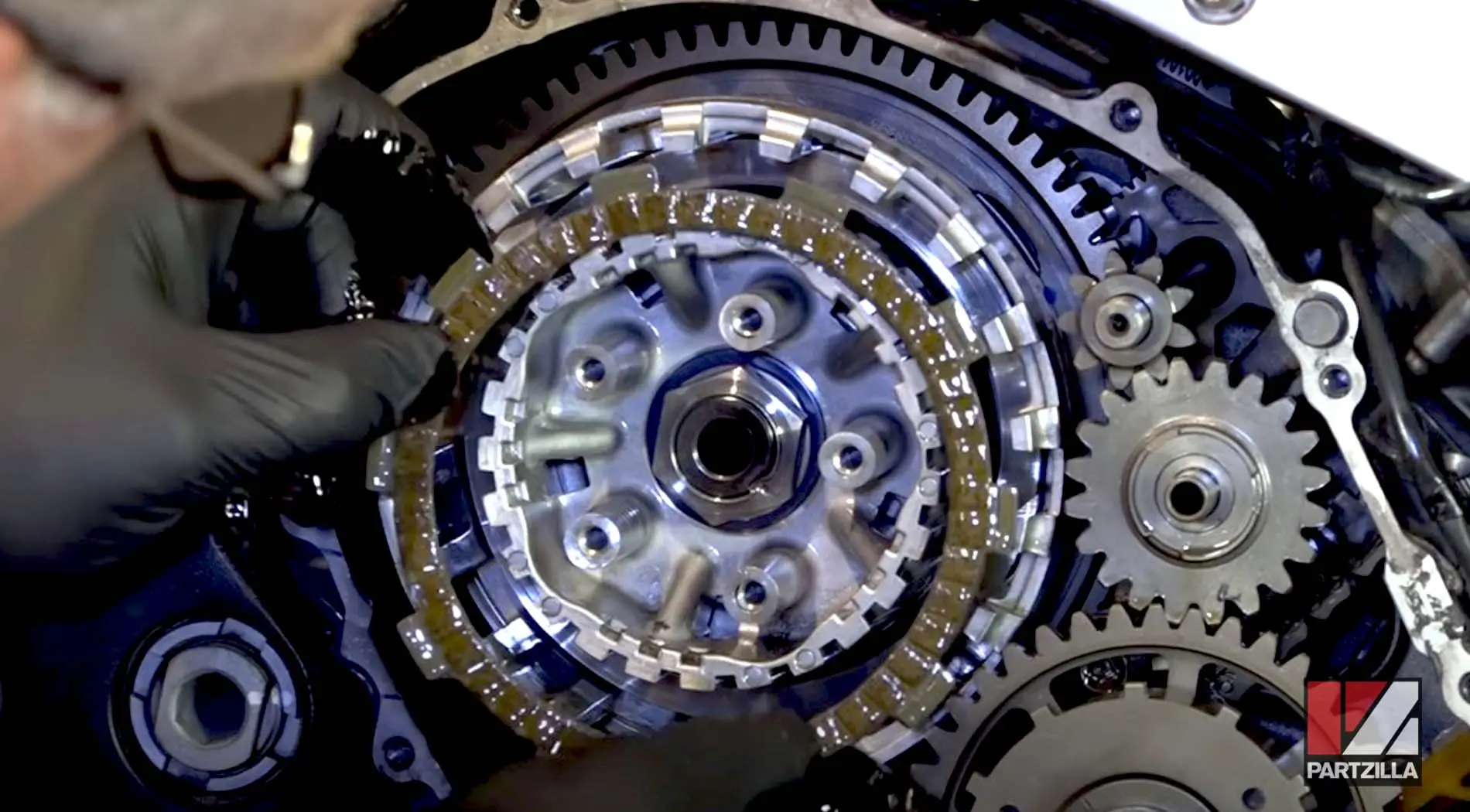
A Honda CBR clutch plate replacement guide usually makes the job sound intimidating. In reality, it is one of the more approachable mechanical jobs for riders with basic tools and patience.
The key is preparation. Fresh oil, a clean work area, and soaking new friction plates before installation make a noticeable difference. Attention to plate order, torque values, and spring condition ensures the clutch performs correctly after installation.
Many riders reuse worn clutch springs without realizing how much pressure they have lost over time. Weak springs allow clutch slip even with new plates. Replacing springs alongside plates restores proper clamping force and prevents premature wear.
Break-In Is Not Optional
One of the most overlooked aspects of clutch replacement is break-in. New clutch plates need time to seat properly. Aggressive riding immediately after installation can glaze fresh friction material and undo the entire repair.
Riders who follow a proper break-in often report smoother engagement and longer clutch life. Those who skip it frequently find themselves searching for Honda CBR clutch problems after replacement within weeks.
How a Fresh Clutch Changes the Ride?
The difference after a proper clutch replacement is immediate. Throttle response feels sharper. Power delivery becomes predictable again. The bike accelerates cleanly without hesitation or surge.
This is why many riders underestimate how much the clutch affects overall performance. A worn clutch masks engine output. A fresh one reveals it.
It is also why riders sometimes chase exhausts, tuning, or intake mods when the real issue is power not reaching the rear wheel efficiently.
Preventing Future Clutch Issues
Clutch longevity comes down to riding habits and maintenance. Avoiding unnecessary clutch slipping, using quality oil, and addressing early symptoms extend clutch life significantly.
Riders who understand how their CBR transmits power tend to get more miles out of their clutch plates. Those who ignore warning signs usually pay for it later.
Final Thoughts
Honda CBR clutch plate issues are not a flaw in the bike. They are a byproduct of how the bike is meant to be ridden. High-revving sport machines demand attention to wear components, and the clutch sits at the center of that system.
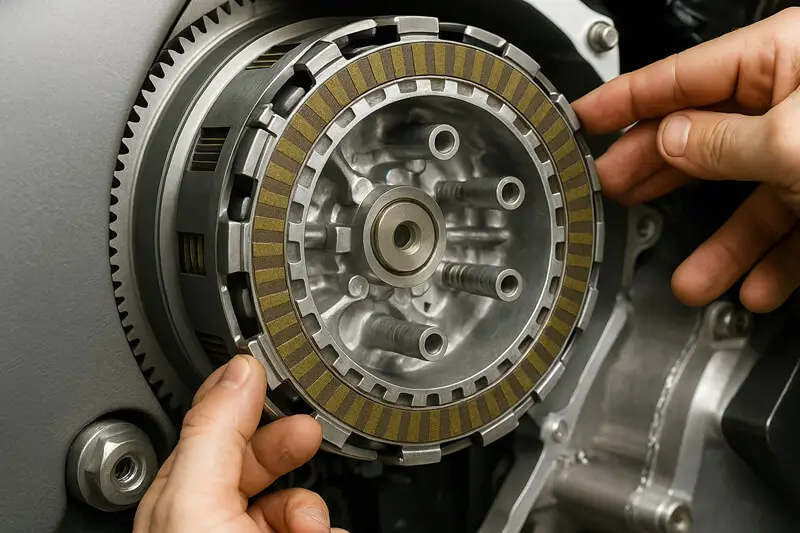
Replacing clutch plates at the right time restores performance, protects other components, and brings back the connection between rider and machine. With quality parts, careful installation, and proper break-in, a clutch replacement is not just a repair. It is a reset.
And for riders who want their CBR to feel sharp, responsive, and reliable again, it is one of the most satisfying upgrades they can make.