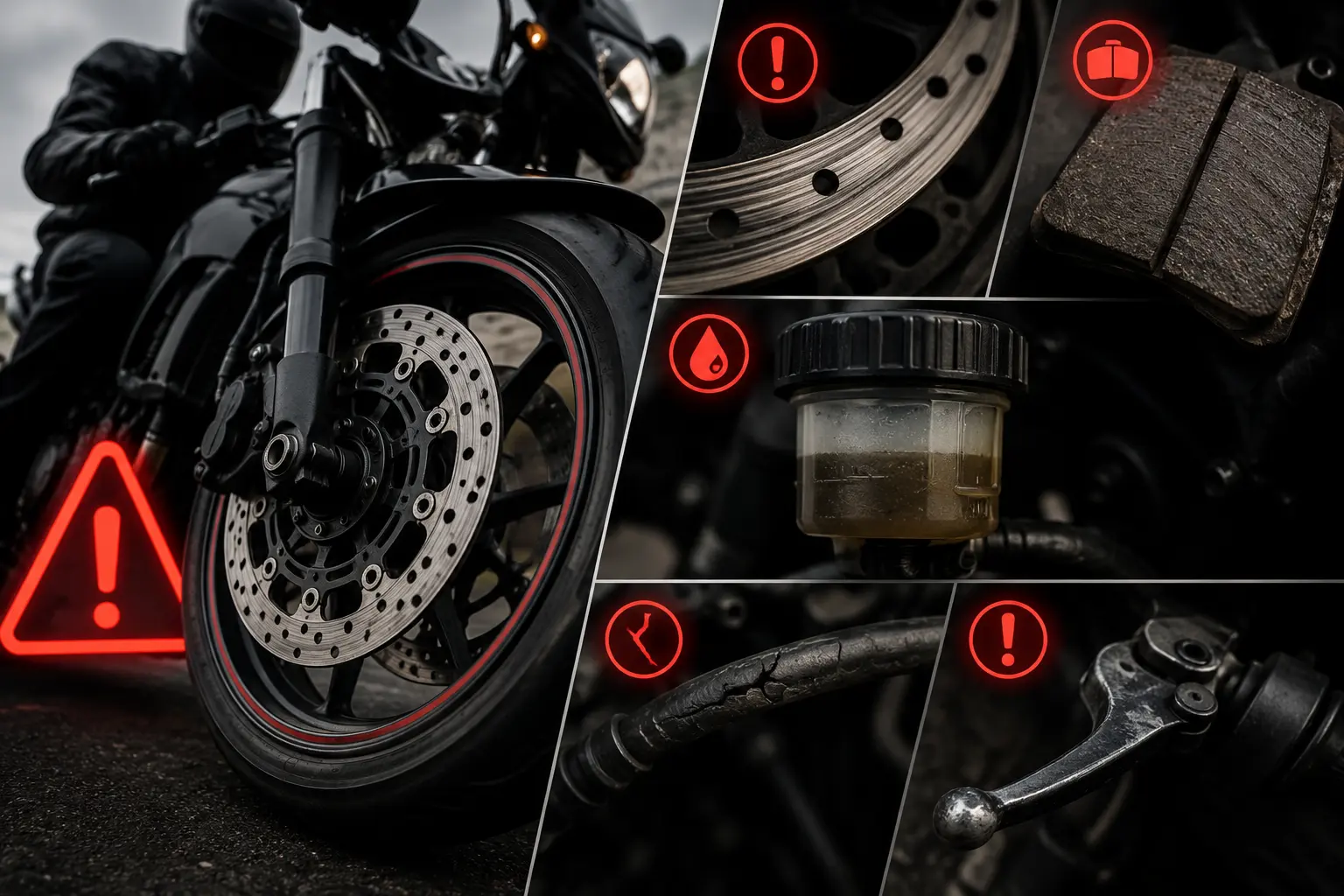






Smelling fuel near the engine after a long ride can be unsettling. Many riders notice it only after parking the bike, especially when the engine is hot. There is no visible leak, the bike runs fine, and yet the smell of petrol lingers around the tank or engine area.
This is a very common motorcycle issue, and in most cases it has logical, fixable causes. A fuel smell after long rides usually means fuel vapors are escaping somewhere due to heat, pressure, or aging components. Ignoring it is risky, not just for safety, but also for long term engine health.
This guide breaks down the most common reasons for fuel smell near the engine, how to identify them, and what actually fixes the problem.
Why Fuel Smell Happens Mostly After Long Rides
Fuel systems behave differently when hot. After riding for 30 to 60 minutes, engine heat raises fuel temperature, increases vapor pressure, and expands rubber components. Problems that are invisible when cold often reveal themselves only after heat soak.
That is why many riders report fuel smell after highway rides, traffic riding, or summer commuting, but not on short trips.
This search intent aligns strongly with queries like fuel smell motorcycle when hot and petrol smell after long ride.
Loose or Aging Fuel Hoses
One of the most common causes of fuel smell near the engine is old or loose fuel hoses. Over time, rubber fuel lines harden, crack, or lose elasticity. When the engine gets hot, these hoses expand slightly and allow fuel vapors to escape.
In some cases, tiny seepage occurs but evaporates instantly on hot surfaces, leaving no visible drip. You smell fuel, but you never see it.
Check all fuel hoses running from the tank to the throttle body or carburetor. Pay special attention to hose ends and clamps. Even a slightly loose clamp can cause fuel smell under heat.
Replacing aging fuel lines is inexpensive and often completely solves the issue.
Evaporative Emission System Problems
Modern motorcycles use an evaporative emission control system, often called an EVAP or charcoal canister system. Its job is to capture fuel vapors and route them back into the engine.
When this system malfunctions, fuel vapors escape directly into the engine bay.
Common issues include saturated charcoal canisters, cracked vacuum lines, or blocked vent hoses. This is especially common in bikes frequently overfilled at the fuel station.
If the fuel smell appears after refueling and long rides, the EVAP system should be inspected first.
High intent keyword naturally covered: motorcycle fuel vapor smell.
Fuel Tank Vent or Cap Issues
A blocked or faulty fuel tank vent can cause pressure buildup inside the tank. As fuel heats up, vapor pressure increases and looks for a way out.
When the vent is clogged, vapors escape through seals around the tank cap or fuel pump flange, creating a strong fuel smell near the engine and tank area.
Listen for a loud hiss when opening the fuel cap after a long ride. This indicates improper venting.
Cleaning or replacing the fuel cap vent often resolves recurring fuel smell complaints.

Fuel Pump Gasket or O Ring Leaks
Many modern motorcycles have internal fuel pumps mounted under the tank. These pumps rely on rubber gaskets or O rings to seal fuel inside the tank.
As these seals age, heat causes them to harden and shrink. During long rides, fuel vapors escape around the pump housing without creating visible leaks.
This problem is commonly misdiagnosed because there is no dripping fuel, only smell.
If the smell is strongest directly under the fuel tank, especially after parking, inspect the fuel pump gasket carefully.
Carburetor Overflow or Float Issues
On carbureted motorcycles, fuel smell after riding is often caused by float valve wear or incorrect float height. Heat causes fuel expansion, and if the float system does not shut off fuel properly, excess fuel vents through overflow hoses.
Sometimes the overflow hose is routed near the engine, intensifying the smell.
Check for fuel residue near carb bowls or overflow lines. Even minor seepage can create strong fuel odors when hot.
Long tail keyword covered naturally: carburetor fuel smell after ride.
Fuel Injectors or Rail Seepage
Fuel injected bikes can develop injector seal leaks over time. Injector O rings harden with heat cycles and allow vapor seepage at operating temperature.
This is not always a visible leak. Instead, fuel evaporates immediately on the hot engine surface, leaving only smell behind.
If your bike has high mileage and still runs smoothly but smells of fuel after riding, injector seals should be checked.
Overfilling the Fuel Tank
Overfilling is one of the most overlooked causes of fuel smell after long rides.
When fuel expands due to heat, excess fuel enters vent lines or EVAP systems. This creates vapor buildup and strong fuel odor around the engine and tank.
Always leave expansion space when refueling, especially in hot weather.
Search aligned phrase included naturally: fuel smell after refuelling motorcycle.
Is Fuel Smell Dangerous
A persistent fuel smell should never be ignored. While many causes are minor, fuel vapors are flammable and can ignite under the right conditions.
Any smell accompanied by rough running, visible leaks, or fuel dripping requires immediate attention. Even vapor leaks reduce fuel efficiency and damage rubber components over time.
Addressing the issue early prevents expensive repairs later.
How to Diagnose Fuel Smell Step by Step
Start by inspecting fuel hoses and clamps. Next, check the fuel cap vent and listen for pressure release. Inspect under the tank for fuel pump or injector seal seepage. On carb bikes, check overflow hoses and float operation.
Do these checks after a long ride when the engine is hot, not when cold.
This approach aligns with common user intent searches like how to fix fuel smell on motorcycle.
Final Thoughts From Real Riding Experience
Fuel smell near the engine after long rides is rarely random. Heat exposes weaknesses in hoses, seals, and venting systems. Most fixes are straightforward once the real cause is identified.
Treat fuel smell as a warning, not an annoyance. A properly sealed fuel system should never smell strongly of petrol, no matter how long you ride.