





Every rider relies on their speedometer more than they realize. It is not just about knowing how fast you are going. It affects safety, legal compliance, fuel efficiency, navigation, and even your confidence when riding unfamiliar roads. As motorcycles become more advanced and riders demand better accuracy and visibility, speedometers have evolved far beyond basic analog dials.
If you are upgrading your bike in 2026 or replacing a faulty gauge, choosing the right motorcycle speedometer matters more than ever. This guide breaks down what riders actually need to know before buying one, based on real riding conditions, common problems, and long-term usability.
Why Speedometer Accuracy Matters on Today’s Roads?
Modern traffic conditions are less forgiving than they used to be. Speed cameras are everywhere, speed limits change quickly, and highway patrol relies heavily on digital enforcement. A speedometer that reads inaccurately by even a small margin can mean unnecessary tickets or unsafe riding decisions.
Older motorcycles often develop speedometer errors due to worn cables, mismatched tire sizes, or aging sensors. Even some stock digital units drift over time. Riders searching for motorcycle speedometer replacement options typically encounter one of three problems: inaccurate readings, unreadable displays, or complete gauge failure.
A good speedometer should provide consistent and precise readings at both low city speeds and highway cruising speeds, without lag or fluctuation.
Analog vs Digital Motorcycle Speedometers
This is usually the first decision riders make.
Analog speedometers are familiar, simple, and visually classic. Many cruiser and retro bike owners prefer them because they match the character of the motorcycle. They are easy to read at a glance and do not rely heavily on electronics. However, cable-driven analog units can wear out and lose accuracy over time.
Digital motorcycle speedometers are now the preferred choice for many riders. They offer higher accuracy, clearer readings at night, and additional features like trip meters, gear indicators, voltage display, and warning lights. For sport, touring, and adventure riders, digital speedometers provide better information without clutter.
In 2026, most riders upgrading their gauges lean toward digital units because of reliability, sensor-based accuracy, and improved visibility in all lighting conditions.
Motorcycle Speedometers You Can Trust | OEM & Performance Options
From OEM-style replacements to modern digital upgrades, riders can choose Aliwheels speedometers that match their bike and riding style.
Harley Davidson Roadster XL1200CX Electronic Speedometer 2016-2020
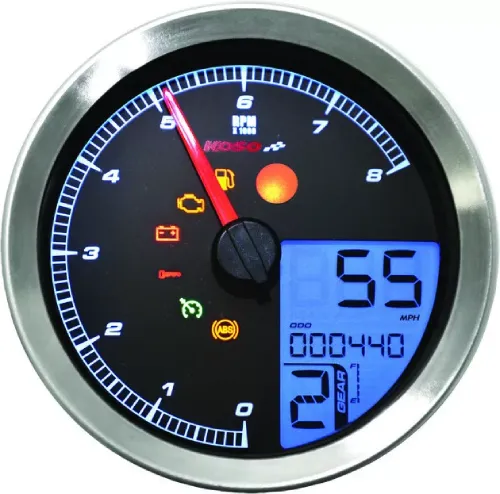
The Harley Davidson Roadster XL1200CX Electronic Speedometer is a key accessory for models produced between 2016 and 2020, receiving a five-star rating. This speedometer features a striking silver color with a classic black face, making it an aesthetic complement to the motorcycle. Its manufacturer’s part number is BA051221, ensuring compatibility with the specified Roadster model. The product is categorized under Harley Davidson, particularly highlighting its association with the Roadster XL1200CX. It is tagged specifically as an Electronic Speedometer designed for this motorcycle variant, further underlining its relevance for enthusiasts and owners looking to enhance their riding experience with precision instrumentation.
Aprilia RS 50 Speedometer 1993-2023
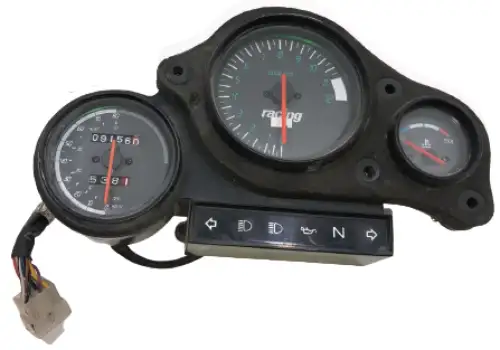
The Aprilia RS 50 Speedometer is a vital component designed for the Aprilia RS 50, applicable from model years 1993 through 2023. This speedometer falls under the category of Dash & Gauges, providing essential speed tracking and performance monitoring for the motorcycle. Its design and functionality cater specifically to the needs of Aprilia RS enthusiasts and riders, ensuring accurate readings and reliability throughout its long production span. The speedometer is integral to the overall instrumentation of the motorcycle, contributing to a seamless riding experience while maintaining the aesthetic and operational integrity of the Aprilia RS 50 model.
Kawasaki KLR 650 Speedometer 2022-2023
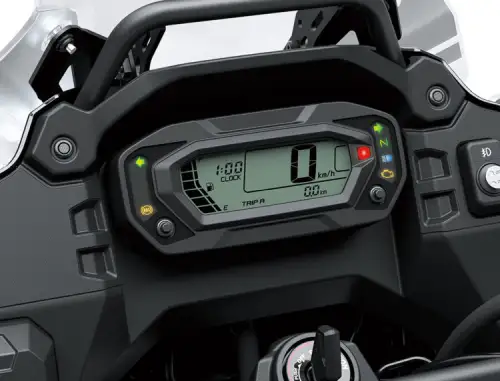
Kawasaki KLR 650 Speedometer (2022-2023) is specifically designed for the Kawasaki KLR 650 model year 2022 and 2023. Constructed from durable plastic, it falls under the categories of Dash & Gauges and is tailored specifically for Kawasaki motorcycles. This speedometer is essential for accurate speed monitoring and integrates seamlessly with the KLR 650’s existing gauge setup, ensuring reliability and performance in various riding conditions.
Suzuki Hayabusa Speedometer GSXR1300 2008-2020
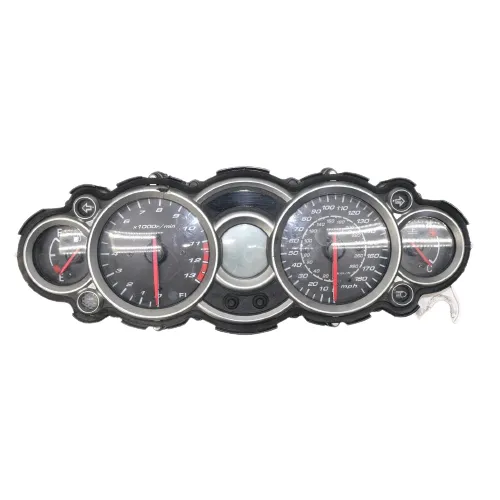
Suzuki Hayabusa Speedometer GSXR1300 is a crucial component for models manufactured between 2008 and 2020. This speedometer falls under the categories of Dash & Gauges, specifically designed for the Suzuki Hayabusa GSXR1300. It serves as an integral part of the motorcycle, providing essential readings for speed and other metrics, ensuring optimal performance and rider safety. Understanding the specifications and fitment of this speedometer is vital for enthusiasts and mechanics working on Suzuki Hayabusa models in this range.
BMW F 800R Speedometer 2015-2016
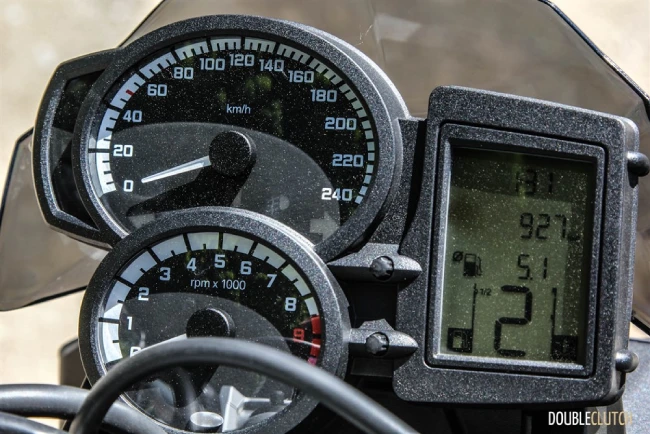
The BMW F 800R Speedometer, designed for the model years 2015-2016, is constructed from high-quality plastic, ensuring durability and reliability for riders. It is specifically tailored to fit the BMW F 800R, enhancing the dashboard experience with essential functions and accuracy in speed measurement. This component falls under the categories of BMW products and is classified within the realm of dash and gauges, reflecting its integral role in motorcycle instrumentation.
Key Features Riders Should Look For
Not all speedometers are built the same. When riders search for the best motorcycle speedometer, they are usually trying to avoid common regrets after installation.
Accuracy is the priority. Look for speedometers that use electronic sensors rather than mechanical cables. These stay consistent even after tire changes when calibrated properly.
Visibility matters more than most riders expect. A speedometer should be readable in direct sunlight, at night, and in the rain. Bright backlighting and anti-glare screens make a noticeable difference on long rides.
Compatibility is critical. Universal motorcycle speedometers exist, but not all bikes are wired the same way. Checking voltage compatibility, sensor type, and mounting options saves time and frustration during installation.
Durability is another factor. Speedometers sit exposed to vibration, heat, rain, and dust. A quality unit should be weather-resistant and vibration-tested, especially for touring and adventure bikes.
Common Problems Riders Face With Stock Speedometers
Many riders only think about replacing their speedometer when something goes wrong.
One common issue is erratic readings where the speed jumps or drops randomly. This is often caused by failing sensors or worn cables.
Another problem is poor night visibility. Older gauges with weak backlighting become hard to read after sunset, especially on highways.
Digital display failure is also becoming more common on aging bikes. Flickering screens or partial display loss usually mean the unit is nearing the end of its life.
These issues are why replacement speedometers are one of the most searched motorcycle electrical parts today.
Motorcycle Speedometers and Tire Size Changes
A detail many riders overlook is how tire size affects speedometer accuracy. Changing tire profiles, wheel sizes, or sprocket ratios can throw off factory calibration.
Modern digital speedometers allow recalibration, which makes them ideal for riders who modify their bikes. If you run aftermarket wheels, custom gearing, or non-stock tire sizes, a programmable speedometer helps restore accurate readings.
This is especially important for touring riders who cover long distances and rely on speed data for fuel planning and time management.
Speedometers for Different Riding Styles
Different bikes demand different speedometer styles.
Sportbike riders usually prefer compact digital units with fast refresh rates and clear RPM integration.
Cruiser riders often want larger displays with bold numbers that match classic styling.
Adventure and touring riders benefit from multifunction speedometers that include trip meters, voltage readouts, and warning indicators.
Commuters value simplicity and reliability. A clean, easy-to-read speedometer that works every day without fuss is often the best choice.
Choosing based on how you actually ride leads to better satisfaction long term.
Installation and Setup Considerations
Installing a motorcycle speedometer is not always plug-and-play. Some bikes require sensor mounting, wiring adjustments, or calibration after installation.
A well-designed speedometer should come with clear instructions and mounting options. Riders who do their own maintenance should look for units known for straightforward installation.
After installation, calibration is essential. Taking the time to properly set wheel circumference or sensor parameters ensures accurate readings from day one.
Are Aftermarket Speedometers Reliable?
High-quality aftermarket speedometers today are often more reliable than older factory units. Advances in electronics and materials have significantly improved durability.
The key is choosing reputable manufacturers and avoiding ultra-cheap units that compromise on internal components. Riders often report better accuracy and longer service life after upgrading to a quality aftermarket speedometer.
Conclusion
A motorcycle speedometer is not just a number display. It is a core riding tool that affects safety, confidence, and overall ride quality. As bikes evolve and riders demand more accurate and readable instrumentation, upgrading your speedometer in 2026 makes practical sense. The right motorcycle speedometer ensures you always know exactly what your bike is doing. Invest in accuracy, clarity, and durability, and your speedometer will quietly support every mile you ride.