


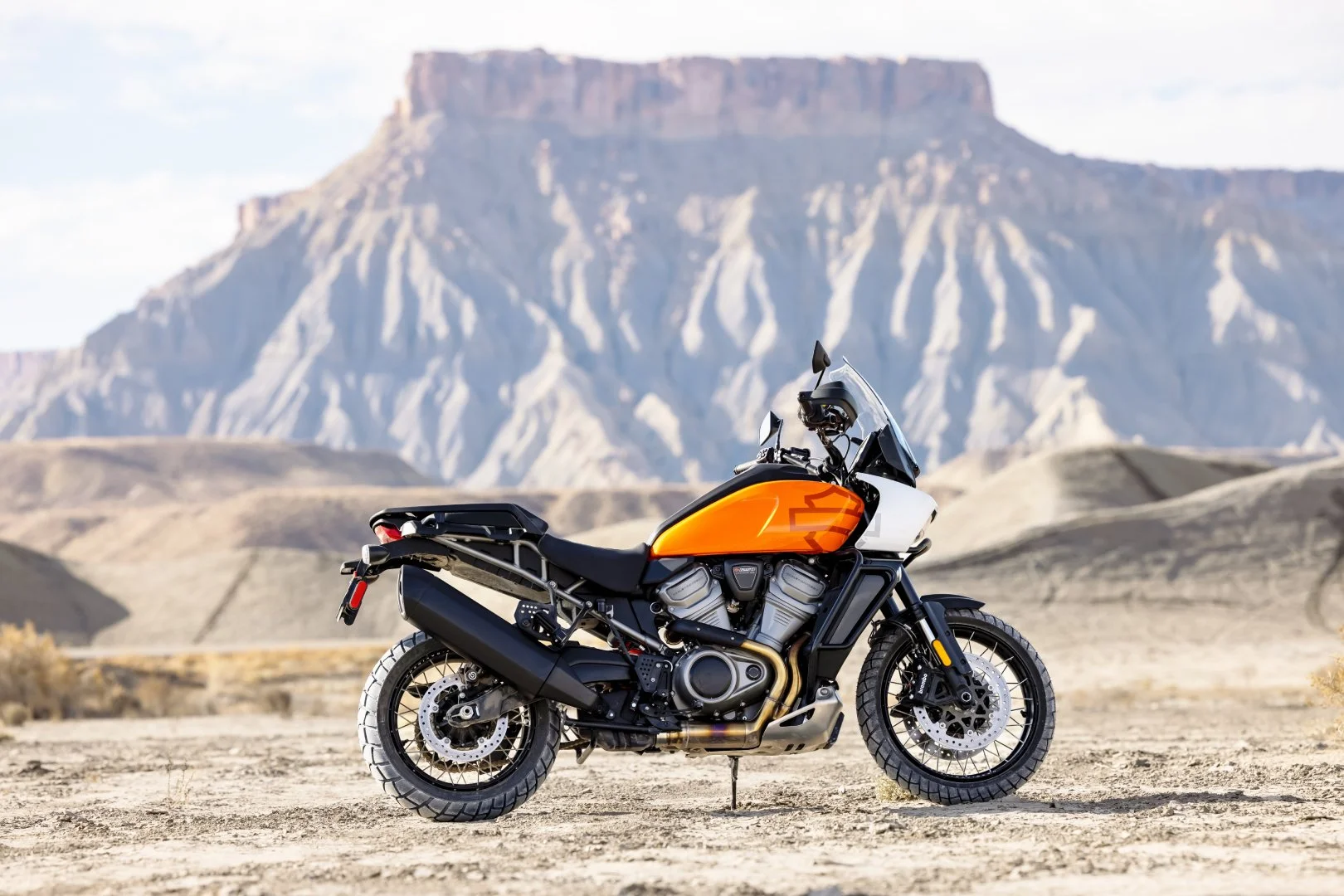

Every longtime Harley rider experiences a familiar shift when first mounting a Pan America. They expect the classic lazy rumble and low, planted weight from their years of riding. Instead, they find an engine that revs eagerly, a much taller stance, and a bike that actively craves gravel roads. That reaction explains exactly why this bike exists and why Harley took so long to build it.
For over a century, the company built its identity around a very specific promise. Chrome, torque you could feel in your chest, and a riding position that kept you low and relaxed. The Harley-Davidson Pan America throws a lot of that out the window, and it does so on purpose. Harley wasn’t sneaking an adventure bike quietly into the lineup. Harley built this machine to compete directly with the BMW GS—the bike that defined adventure touring for two decades. They didn’t hold back either. Whether you plan to buy one or already own it, understanding what lies beneath that familiar tank badge is essential.
The Pan America Engine Doesn’t Behave Like a Harley Engine
Start with the engine, because everything else about this bike flows from what Harley chose to do here. The Revolution Max engine shares almost nothing in spirit with traditional air-cooled, pushrod V-twins. It’s liquid-cooled with dual overhead cams. Because it revs high and responds quickly, Street Glide or Fat Boy riders often find their first ride disorienting. They usually mean that as a compliment, as the power delivery completely defies their expectations.
This isn’t a Sportster wearing knobby tires and off-road styling. It’s a fundamentally different engine with a familiar name, affecting more than just the ride. It completely changes your maintenance routine. Oil changes, coolant checks, and valve services align more with a modern sportbike than traditional Harley schedules. That shift often surprises both owners and independent mechanics.
If a local shop has kept your Softail running for fifteen years, ask about their Revolution Max experience. Never assume the transition will be seamless. Many skilled traditional Harley mechanics are encountering this platform for the first time, and there’s no shame in that. It’s just worth knowing going in, so nobody gets caught off guard standing at the service counter.
Pan America Suspension Setup Takes More Patience Than You’d Expect
Higher trim levels come with semi-active suspension that adjusts itself in real time based on load and riding mode. That sounds almost too good to be true on a spec sheet. When set up correctly, it genuinely is that impressive. However, dealerships rarely explain that getting it right requires extra time and attention. Most new owners simply don’t expect it.
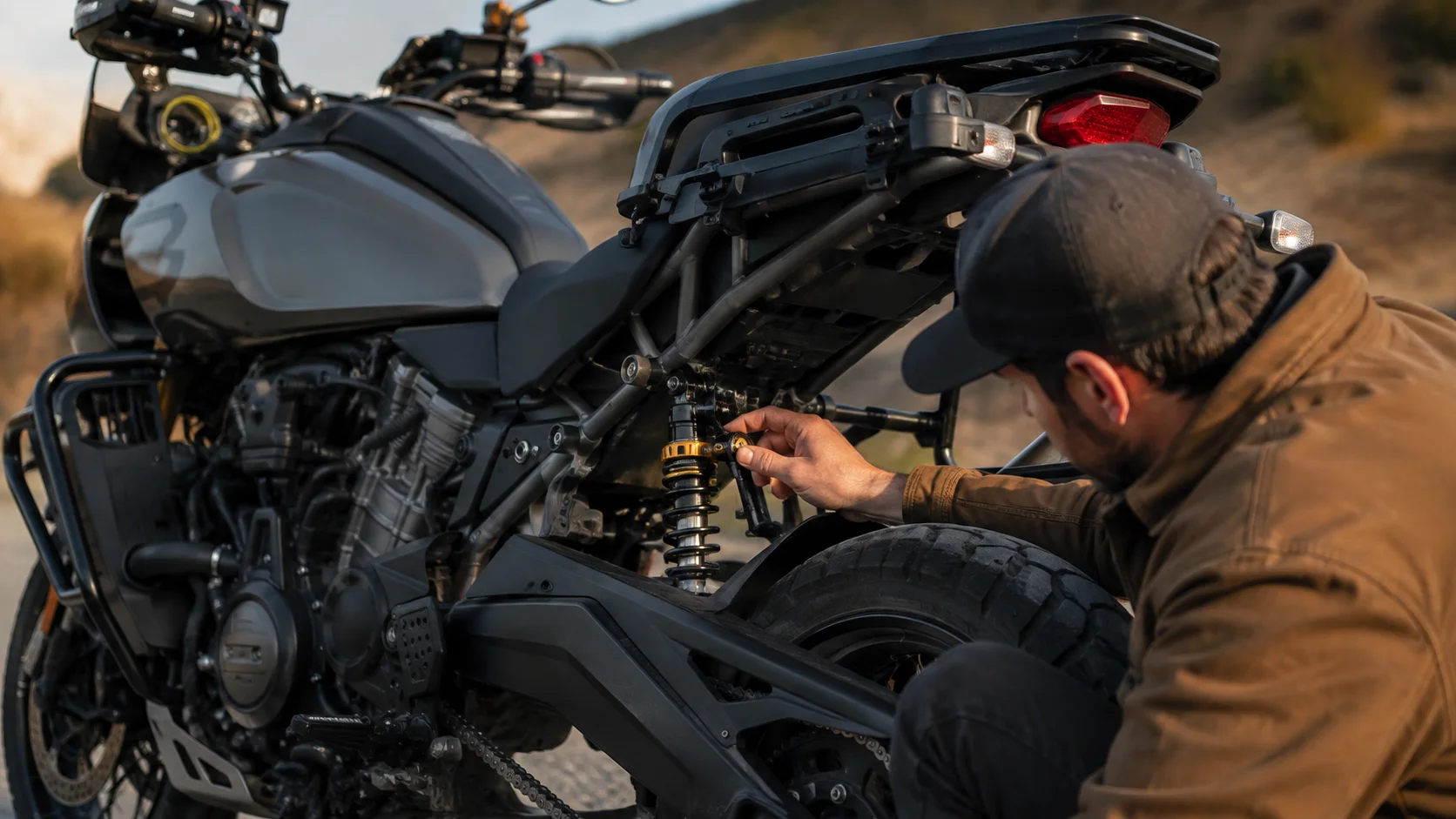
Riders who accept factory default settings often find the ride harsh or vague. They miss out on the promised performance. In almost every case, they skipped setting the preload for their body weight and gear loadout. It feels like a small detail to skip when you’re eager to ride. However, dialing in the suspension completely transforms how the bike behaves. Do this before forming your final opinion.
The Tire Pressure Monitoring System Catches Owners Off Guard
A minor, almost funny issue frequently trips up Pan America owners. It involves the factory tire pressure monitoring system (TPMS). Depending on your model year, swapping wheels or tires requires resetting or recalibrating the system. Since ADV riders often switch to spoked wheels for off-road durability and tire options, this issue pops up frequently.
Nobody expects a warning light after a routine tire swap. Owners then spend an entire afternoon confused about what’s wrong. In reality, the bike is perfectly fine. They just skipped a recalibration step that nobody warned them about ahead of time. If you’re planning any wheel or tire work on your Pan America, it costs almost nothing to ask your shop about TPMS compatibility before you commit to the swap, and doing so saves you that entire confused afternoon down the road.
How Loaded Weight Changes the Way a Pan America Handles
Weight matters more on this bike than a lot of new owners initially appreciate, and it deserves an honest conversation rather than a quick dismissal. At its base curb weight, the Pan America already sits heavier than several of its direct competitors in the adventure touring class. Start adding hard cases for luggage, real camping gear for an actual multi-day trip, and a passenger riding on the back, and that number climbs quickly into territory that changes how the bike feels at low speed, in parking lots, and during tight, technical maneuvers.
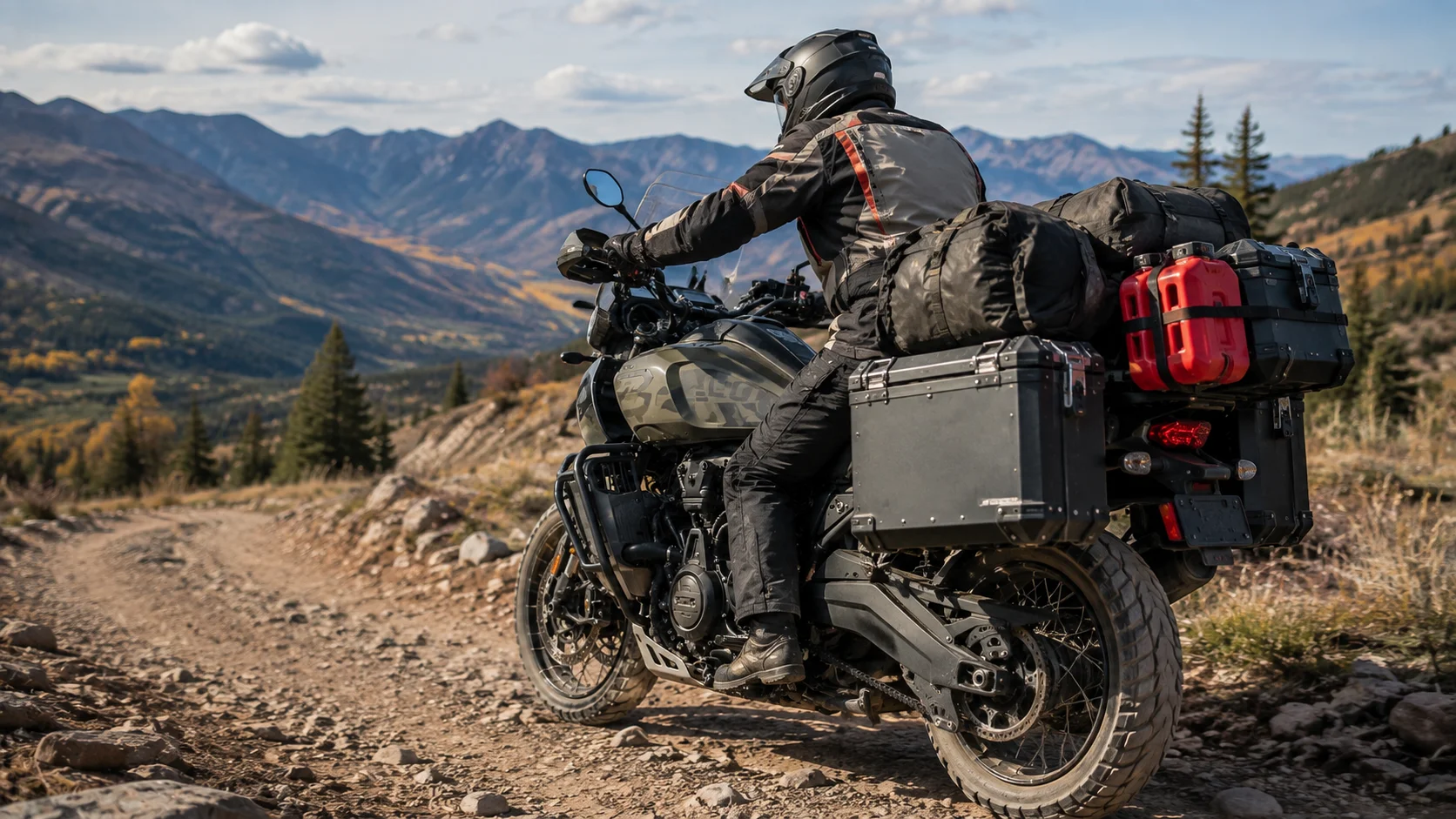
This isn’t really a criticism unique to Harley specifically. Every big adventure bike in this general class deals with the same basic physics once you start loading it up. It matters a bit more here specifically because a large percentage of Pan-American buyers are coming over from Harley’s cruiser and touring lineup, where weight distribution habits developed on a totally different kind of platform, rather than coming from a background of lighter dirt-focused bikes where riders already think carefully about how they pack before every ride.
The fix here isn’t complicated, even though it takes a bit of discipline to actually follow through on every single time you load the bike. Keep your heaviest gear low and centered on the bike rather than piled up high on the back seat or stacked on top of your luggage. This one habit, more than almost any other single change you could make, affects how manageable the bike feels the moment you’re walking it backward out of a parking spot or navigating a loose gravel lot at low speed. It costs you nothing to do this correctly. It just requires thinking about packing a little differently than you might have on a dedicated touring bike, where the whole design already assumes a certain amount of weight sitting high and centered anyway.
For heavy trips, keeping your load properly balanced is key. Check out the Harley-Davidson Pan America 1250 Special Side Case Saddlebag & Mount Kit (2021-2024) on Aliwheels to secure your gear effortlessly.
What Pan America Owners Actually Buy First
Spend any real time in Pan America owner communities, whether that’s online forums, Facebook groups, or just conversations standing around at a rally, and you’ll notice the same handful of upgrades come up again and again as the things people reach for first. Crash bars and skid plates sit right at the top of that list for most owners, and once you understand what this bike is actually built to do, that makes complete sense. Nobody buys an adventure bike with the intention of keeping it pristine and untouched forever. The whole point of owning one is to take it places where a scrape or a low-speed drop becomes a real possibility, and protecting the engine and the surrounding bodywork before that first gravel road adventure just makes sense as a priority rather than something you deal with after the fact.
The second most common feature is auxiliary lighting, and for good reason. The stock lighting set up is perfectly capable for normal street riding, but the second you start doing serious exploring after dark, particularly when you’re on unknown dirt roads or trails, most riders find they want a lot more coverage than the factory headlights can provide alone. Once lit, comfort and touring accessories are typically the next major purchase most new owners will make relatively early into ownership, as the bike doesn’t come from the factory loaded up with serious long-distance touring capacity right out of the box as a dedicated touring model would.
We stock a couple of these popular first upgrades directly. There’s a rear backrest built specifically for the Pan America Special 1250, fitting 2021 and 2022 model years, which is exactly the kind of comfort addition that owners planning real distance riding tend to reach for early. It uses a steel frame with a PVC skin covering, built to hold up under real use rather than just looking good sitting in a showroom.
Fuel System Considerations on the Pan America
Fuel system problems remain rare because this platform is so new compared to the rest of Harley’s lineup. You won’t find the widespread issues typical of older, higher-mileage models in this series. That said, any fuel pump is a wear component eventually, and riders putting serious miles on their Pan America, especially those using it the way Harley actually intended, with real adventure touring and extended trips, will eventually need to think about replacement parts as the bike accumulates mileage.
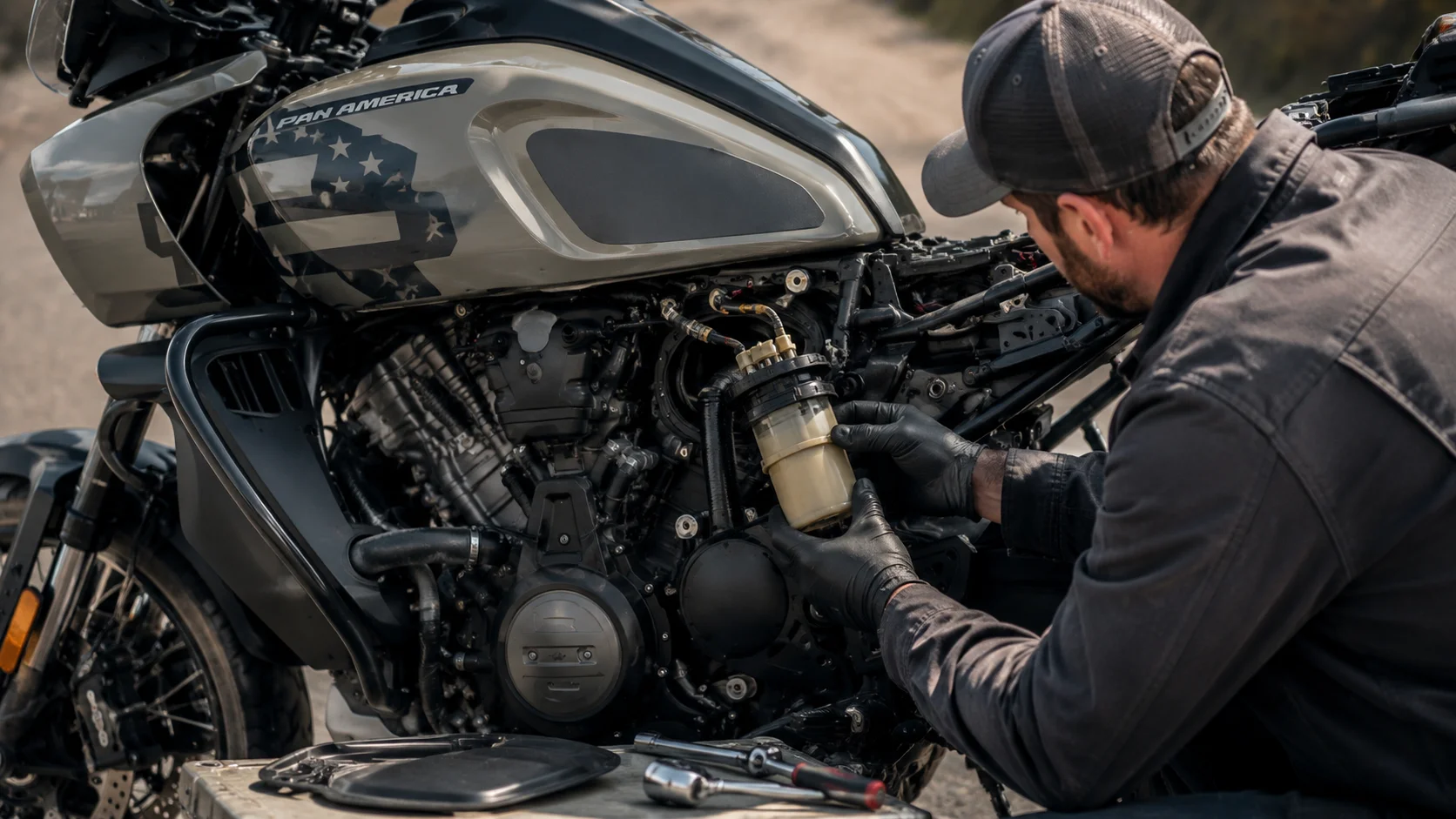
If you do run into fuel delivery problems, hesitation under load, or difficulty starting after the bike has been sitting for a while, we carry a fuel pump built specifically for the Pan America Special 1250, covering 2021 and 2022 model years. Always confirm your exact trim and model year against the listing before ordering, since Harley has already made updates across the Pan America’s relatively short production run, and getting the correct part the first time saves you the hassle of a return.
Is the Harley-Davidson Pan America Actually Worth Buying?
If what you want is a Harley that can genuinely leave the pavement behind and hold its own once it gets there, this bike delivers on that promise in a way that nothing else in the current lineup even attempts. It doesn’t ride like the rest of the family. Depending on what you want from a Harley, that’s either its best feature or a dealbreaker. There’s no wrong answer here, just an honest one that’s worth sitting with before you commit real money to one.
Expect a maintenance routine that differs significantly from older Harley platforms. Budget for protection gear fairly early in your ownership, rather than waiting until after your first real gravel road adventure teaches you the hard way exactly why you needed it. And when you’re ready to start building out your own setup, take a look through our full Harley-Davidson Pan America parts collection to see everything currently available for this platform. Just make sure you confirm your exact trim level and model year before ordering anything, since the Pan America comes in a handful of configurations with real, meaningful differences that affect fitment.