



If you ride a Harley long enough, especially in warm climates or stop-and-go traffic, you eventually hear the term heat soak. Some riders shrug it off as “just how Harleys are.” Others quietly change riding habits, reroute commutes, or start swapping parts until the bike finally feels right again. The truth sits somewhere in between.
Heat soak is real. It affects certain Harley models far more than others. And once you understand why it happens and which bikes are most vulnerable, you stop blaming the engine and start fixing the root causes. This is not a theory. This is based on real rider complaints, dealer service notes, and patterns that show up again and again across Harley communities.
What Heat Soak Really Means on Harley Models?
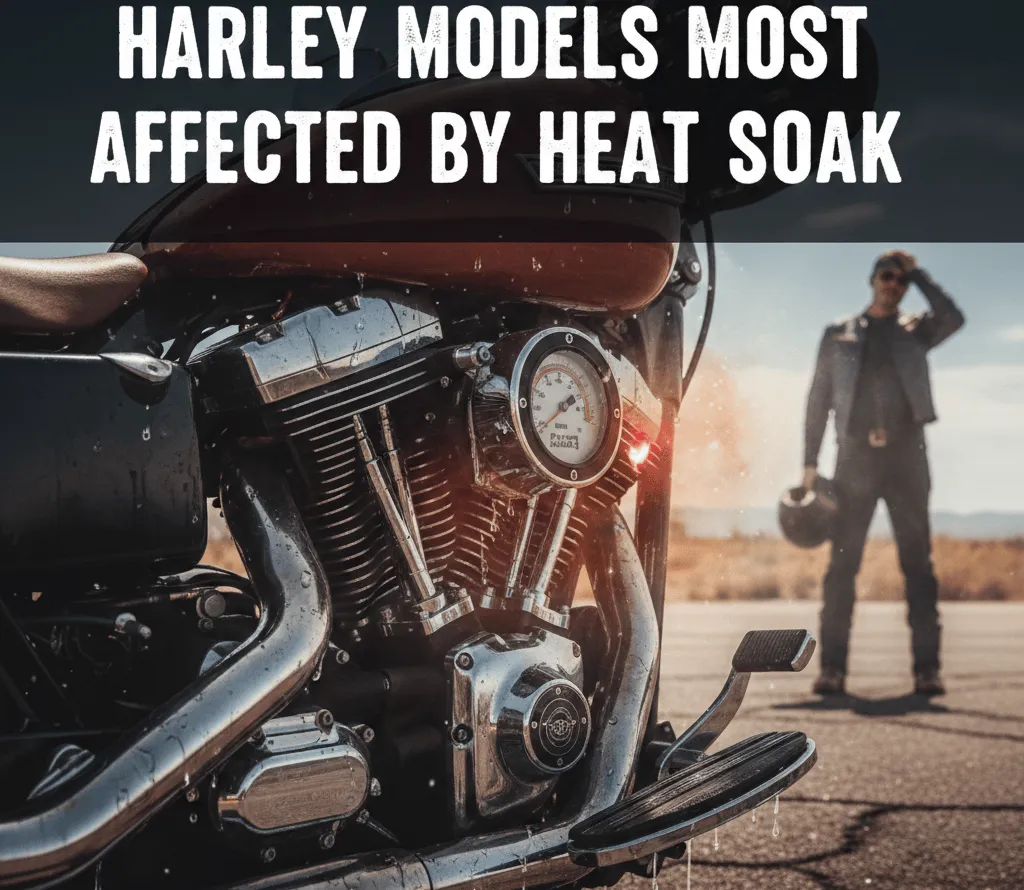
Heat soak happens when engine and exhaust heat build faster than they can escape. After idling, crawling in traffic, or riding slowly on hot days, temperatures rise throughout the motor, intake, fuel system, and surrounding components. Performance drops. Throttle response softens. Sometimes the bike feels rough, lazy, or unwilling to pull cleanly.
Common Harley heat soak symptoms riders report include:
- Sluggish throttle response after stopping
- Engine knocking or hesitation when rolling back on
- Excessive heat felt on thighs or calves
- Rough idle when hot
- Power returns only after airflow increases
Search behavior around terms like Harley heat soak problems, Harley overheating in traffic, and Harley engine heat management continues to climb, especially in urban riding regions.
Harley Models Most Affected by Heat Soak
Not all Harleys suffer equally. Engine layout, exhaust routing, fairings, rider position, and cooling strategy all play a role.
Street Glide and Street Glide Special
Few models show heat complaints as consistently as the Street Glide. The batwing fairing blocks airflow at low speeds, trapping heat around the engine and rider. In traffic, riders often feel heat pooling near the legs, especially on Milwaukee-Eight motors.
Search trends like Street Glide heat soak issues and Street Glide rider heat complaints are driven by owners who love the bike on highways but struggle during daily riding.
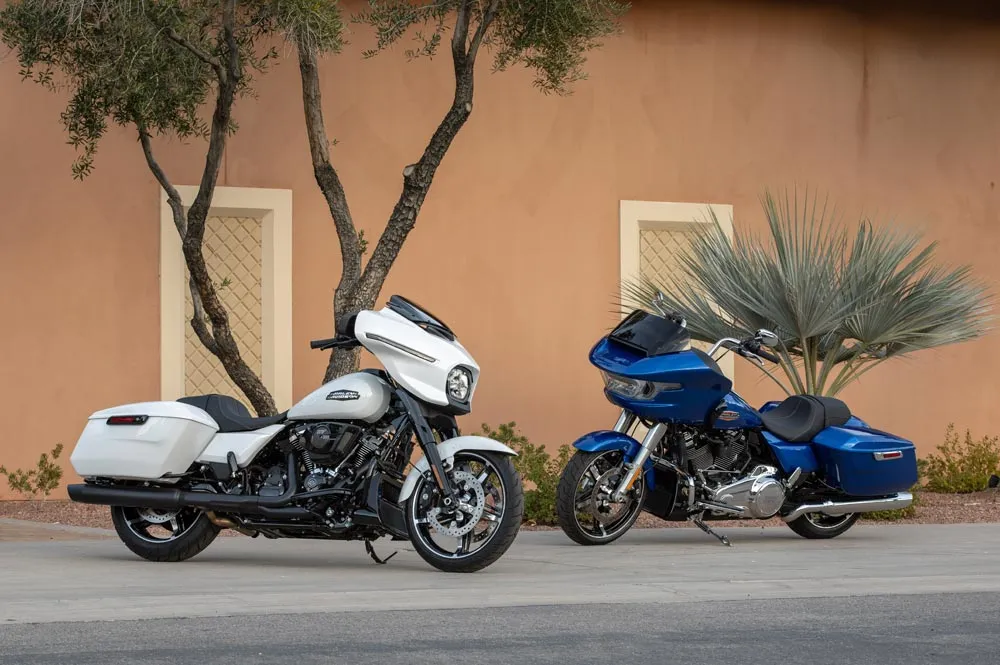
Road Glide and Road Glide Limited
Road Glides fare slightly better at speed thanks to frame-mounted fairings, but heat soak still appears in slow riding conditions. Touring weight plus fairing coverage means heat builds quickly when airflow drops.
Long-tail searches such as Road Glide overheating in traffic and Road Glide engine heat fix show strong buyer intent for cooling and exhaust solutions.
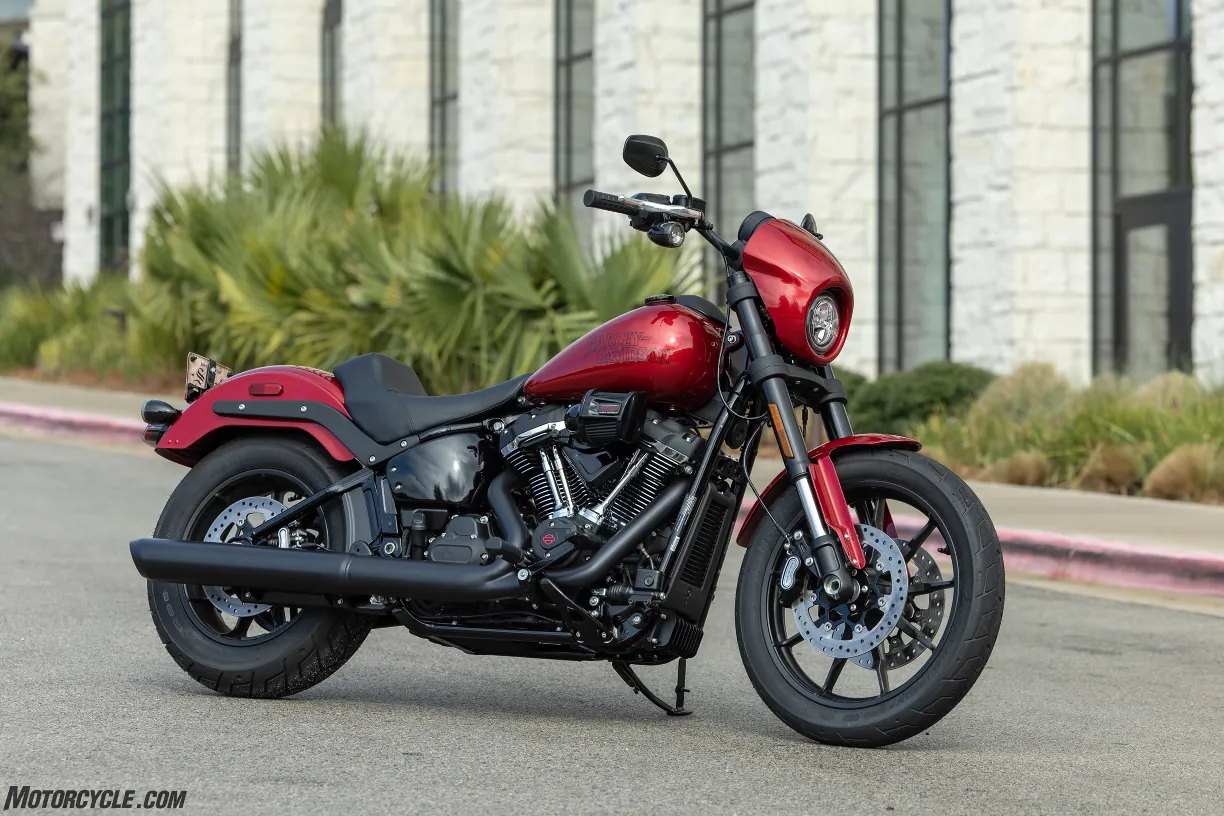
Low Rider ST
The Low Rider ST surprises many owners. Its aggressive fairing design looks performance-oriented, but the combination of compact bodywork and exhaust routing pushes heat directly toward the rider’s lower body.
This model often appears in discussions around Low Rider ST heat issues and Harley ST leg heat problems, especially among riders transitioning from older Softails.
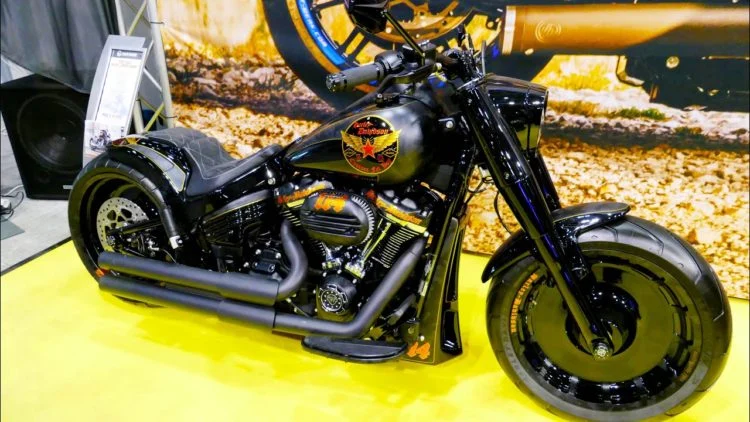
Fat Boy 114
Wide tires, dense mass, and limited airflow around the engine make the Fat Boy particularly susceptible during city riding. While highway cruising is smooth, stop-and-go traffic exposes the heat soak quickly.
Searches for Fat Boy engine heat problems and Fat Boy uncomfortable heat are common among riders who underestimate how much airflow matters.
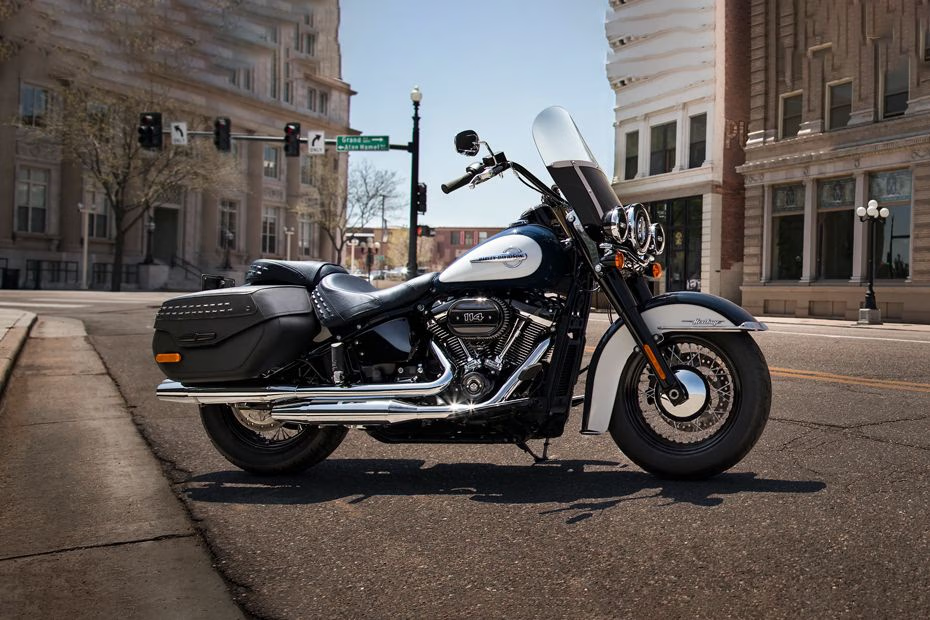
Heritage Classic
Heritage owners rarely complain loudly, but heat soak still shows up during long summer rides with luggage or passengers. The classic styling hides how much air management the bike lacks at low speeds.
Keywords like Heritage Classic, heat management, and Harley touring heat issues continue to grow quietly in search volume.
CVO Touring Models
Ironically, premium CVO models often frustrate riders the most. High compression, performance tuning, and added weight generate more heat, yet riders expect perfection at this price level.
Search behavior around CVO Harley heat soak and CVO overheating complaints reflects that disappointment.
Why do Some Harley Models Heat Soak More Than Others?
Several factors compound heat soak on specific models:
- Airflow restriction from fairings and bodywork
- Exhaust proximity to legs and intake systems
- Higher compression engines generate more heat
- Urban riding patterns with frequent stops
- Lean factory tuning is designed for emissions compliance
This explains why two riders on similar bikes can have completely different experiences depending on where and how they ride.
What Riders Actually Upgrade First?
Experienced Harley owners rarely wait for heat soak to “fix itself.” Instead, they focus on areas that reduce heat buildup or help it escape faster.
Popular solutions include:
- Improved exhaust systems that move heat away from the rider
- Intake upgrades that reduce hot air ingestion
- Heat shields and deflectors
- Engine tuning that smooths throttle response when hot
- Oil coolers or upgraded cooling components on touring models
Search intent around Harley heat reduction upgrades, best exhaust to reduce Harley heat, and Harley cooling upgrades that work remains high because these changes deliver immediate relief.
Many riders source these upgrades from Aliwheels, the top-selling aftermarket store of Harley-Davidson Motorcycles, where Harley-specific parts are easier to compare without dealership pressure or long wait times.
Why Does Heat Soak Get Worse Over Time?
Heat soak is rarely noticeable when a bike is new. It becomes obvious that:
- Exhaust insulation degrades
- Rubber mounts harden
- Seals age and trap heat
- Riding patterns change
- Engines accumulate miles and heat cycles
That is why search queries like Harley heat problems after 10,000 miles and older Harley overheating issues are becoming more common over rider platforms and communities.
Is Heat Soak Normal in Harley Models?
Some heat is expected. Persistent performance loss is not.
When riders search is Harley heat soak normal, what they are really asking is whether discomfort and sluggishness should be tolerated. The answer from seasoned riders is clear: no.
Heat soak is a signal. Ignoring it leads to reduced ride quality, premature wear, and frustration that pushes riders away from bikes they otherwise love.
Choosing the Right Fix Without Guesswork
The mistake many owners make is chasing random upgrades without understanding their bike’s specific heat behavior. Model-specific solutions always outperform generic fixes.
Reliable parts sourcing matters as much as part selection. That is why many riders prefer Aliwheels, the best Harley parts suppliers, where compatibility, rider feedback, and availability reduce the trial-and-error phase.
Heat soak is not a Harley flaw
It is a design tradeoff that affects certain models more than others. Once riders recognize which bikes are most affected and why, the path forward becomes clear. Fix the airflow. Manage the heat. Tune the response. Do that, and the same Harley that felt unbearable in traffic becomes the bike you enjoy riding again, even on the hottest days.