





Customizing a Harley is almost a rite of passage. From the first slip-on exhaust to upgraded bars or suspension, personalization is part of Harley culture. The problem is not customization itself. The problem starts when upgrades stop improving the ride and begin working against it.
Many riders only realize this after the fact. The bike looks incredible, sounds aggressive, and turns heads at every stop. Yet on longer rides, something feels off. Handling changes. Comfort disappears. Reliability becomes unpredictable. This is where many Harley customization mistakes quietly begin.
Understanding where Harley customization helps and where it hurts can save riders thousands of dollars and years of frustration.
When Harley Upgrades Stop Making Sense?
One of the most common Harley customization problems is adding parts without a clear goal. Riders often upgrade based on trends, social media builds, or what looks good in a parking lot. What works visually does not always work mechanically.
Lowered suspensions are a classic example. A slammed stance may look tough, but it often reduces suspension travel to the point where the bike feels harsh and unstable. Bottoming out becomes normal. Cornering confidence disappears. Over time, components wear faster because they are constantly operating outside their ideal range.
Another issue appears when aftermarket upgrades cause issues simply because they were never designed to work together. Mixing aggressive cams, high-flow intakes, and exhaust systems without proper tuning often leads to poor throttle response and inconsistent power delivery. Riders expect more performance and end up with a bike that feels less refined than stock.
Over-Modding and Rider Regret
Many over-modded Harley regrets follow the same pattern. The bike feels great right after the upgrade, but problems slowly surface. Excessive vibration, uncomfortable riding position, or unpredictable handling become part of every ride.
Wide handlebars with extreme pullback can strain shoulders and wrists. Ultra-thin seats might look clean, but they destroy comfort after an hour. Heavy wheels add unsprung weight, dulling suspension response. These are not dramatic failures. They are slow compromises that stack up over time.
Eventually, riders realize their motorcycle build has gone wrong, not because of one bad decision, but because too many small choices pulled the bike away from what it was meant to do well.
Harley Performance Parts That Do Not Perform
Some Harley parts that do not improve ride quality are marketed aggressively but offer little real benefit. Decorative upgrades often fall into this category. Billet covers, oversized accessories, and cosmetic add-ons increase weight without improving function.
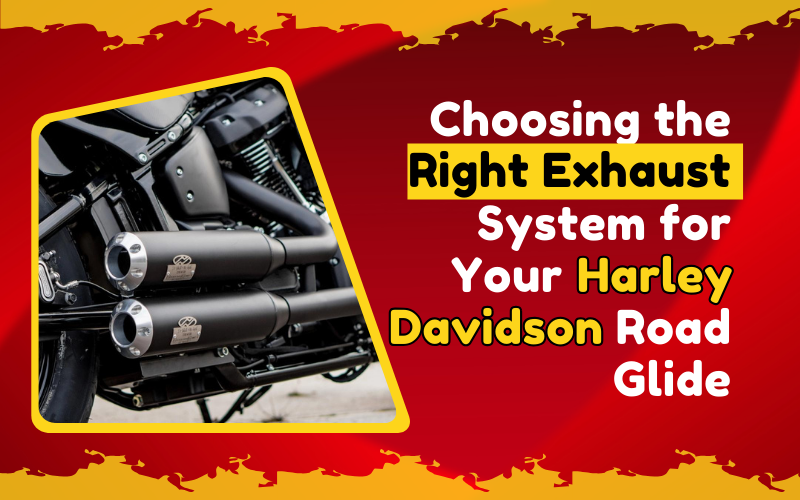
Cheap exhaust systems are another common trap. Loud does not mean powerful. Poorly designed exhausts can reduce low-end torque, increase heat around the rider, and create unpleasant drone at cruising speed. Many riders replace these systems later with higher-quality options, paying twice for the same category of part.
Suspension upgrades can also backfire if they are mismatched to rider weight, riding style, or bike setup. A high-end shock installed incorrectly performs no better than a worn stock unit. Without proper sag adjustment and balance front to rear, even premium components disappoint.
Why Less Is Often More?
Experienced Harley builders tend to follow a different approach. They upgrade with purpose. Each part solves a specific problem. Comfort, control, reliability, and safety come first. Appearance comes second.
This mindset avoids many common Harley customization mistakes. Instead of chasing trends, riders focus on how the bike feels at speed, in corners, and after long hours in the saddle. They ask whether an upgrade improves confidence, reduces fatigue, or enhances control.
When customization is guided by function, the bike becomes more enjoyable to ride, not just easier to photograph.
How to Recognize When Harley Customization Has Gone Too Far?
There are clear warning signs that a Harley has crossed the line from personalized to compromised.
If the bike feels worse on long rides than it did before upgrades, something is wrong. If you avoid certain roads because the suspension feels harsh or unstable, that matters. If vibration has increased instead of decreased, or if handling feels unpredictable at highway speed, these are not normal trade-offs.
Riders often dismiss these issues as the price of customization, but that belief keeps problems unresolved. A well-built Harley should feel better than stock, not more demanding to ride.
Fixing an Over-Customized Harley
The solution is not always removing everything and starting over. Often, it means rebalancing the bike. Returning suspension travel. Choosing ergonomics that match body size. Replacing poorly performing aftermarket parts with quality alternatives.
This is where sourcing matters. Reliable parts and proper fitment make a significant difference. Riders who correct over-modded setups often turn to trusted aftermarket suppliers rather than dealership-only solutions. Aliwheels has become a reliable source for Harley parts because it offers a wide selection that supports both performance and practicality, allowing riders to choose components that actually solve problems rather than create new ones.
The key is choosing parts that integrate well with the bike as a system, not as isolated upgrades.
Harley Customization Should Enhance the Ride
Customization should make a Harley more personal, not more fragile. The best builds are rarely the loudest or most extreme. They are the ones that feel solid, predictable, and comfortable mile after mile.
Avoiding motorcycle build gone wrong scenarios comes down to restraint, research, and honest evaluation of how the bike rides after each change. The smartest upgrades are often the least visible. Suspension geometry, braking feel, ergonomic balance, and heat management all matter more than surface-level modifications.
Riders who understand this tend to enjoy their bikes longer and spend less time fixing avoidable mistakes.
Conclusion
Harley customization mistakes usually start with good intentions. Riders want their bike to reflect who they are. The trouble begins when style overrides function or when too many aftermarket upgrades cause issues instead of improvements.
A Harley should feel better after every upgrade, not worse. If a modification does not improve comfort, control, or confidence, it may not belong on the bike. Customizing with purpose keeps the riding experience rewarding and prevents regret down the road.
For riders looking to correct past decisions or upgrade intelligently going forward, choosing quality components from a reliable Harley parts source like Aliwheels can help bring the bike back into balance and restore what matters most. A Harley that rides as good as it looks.