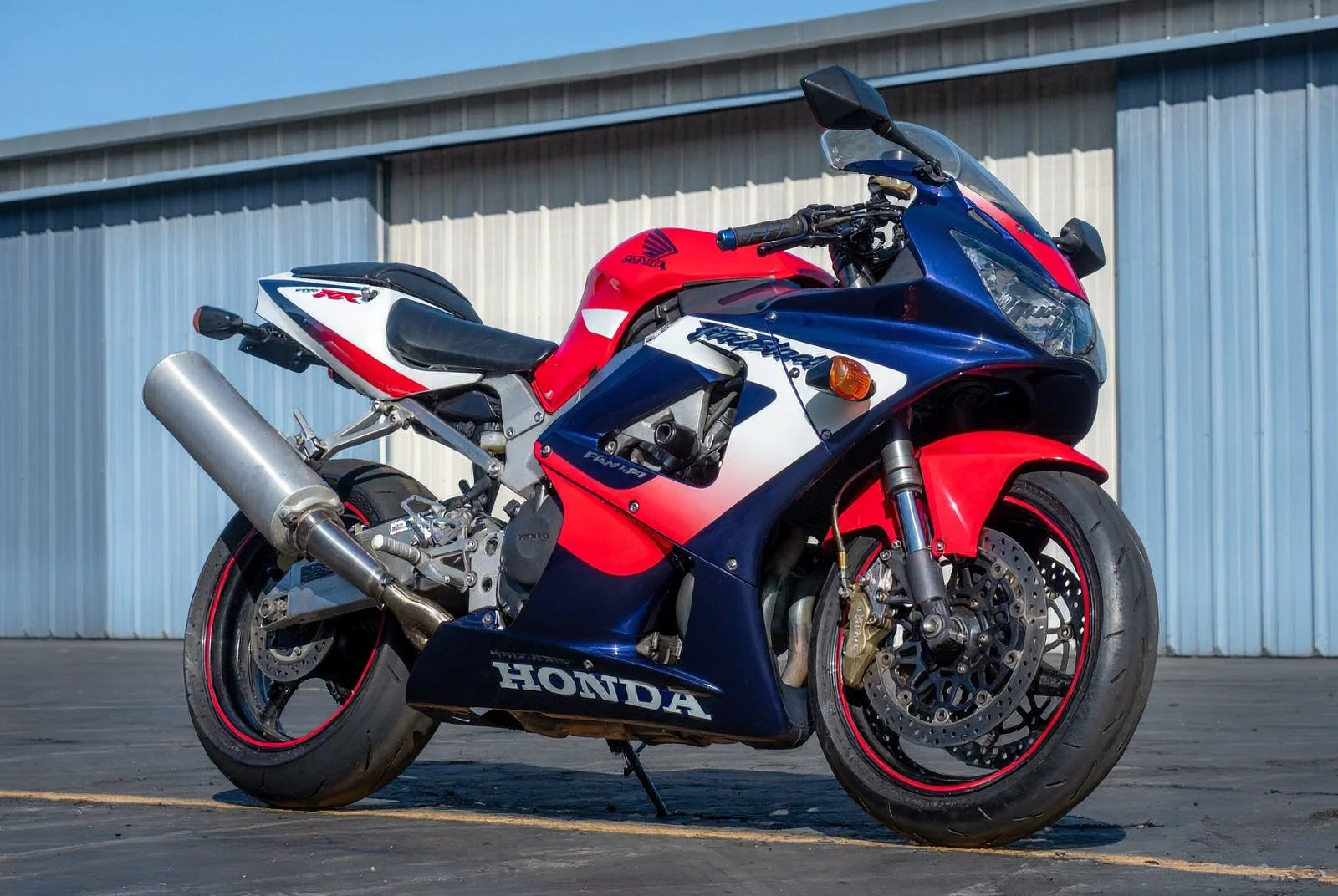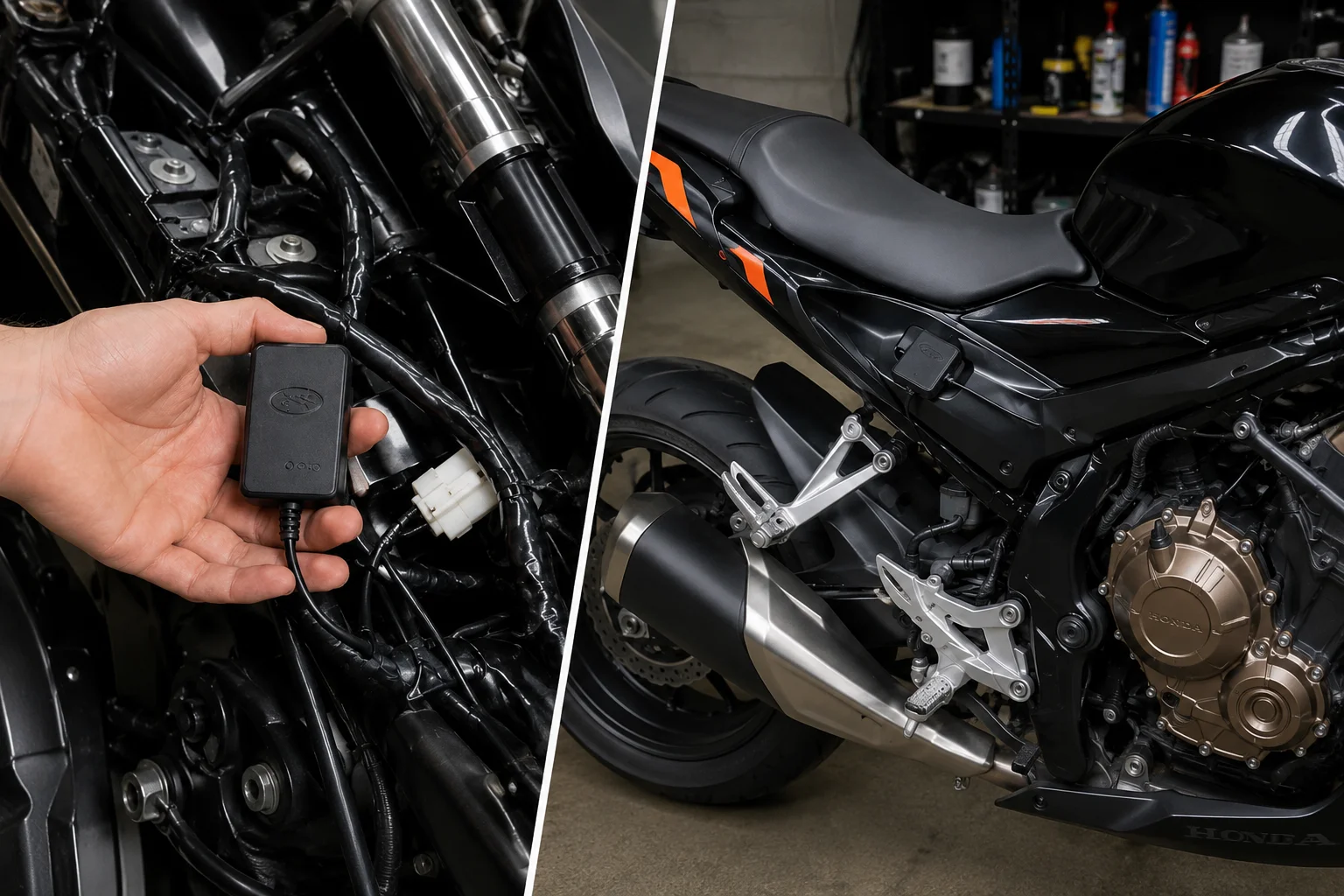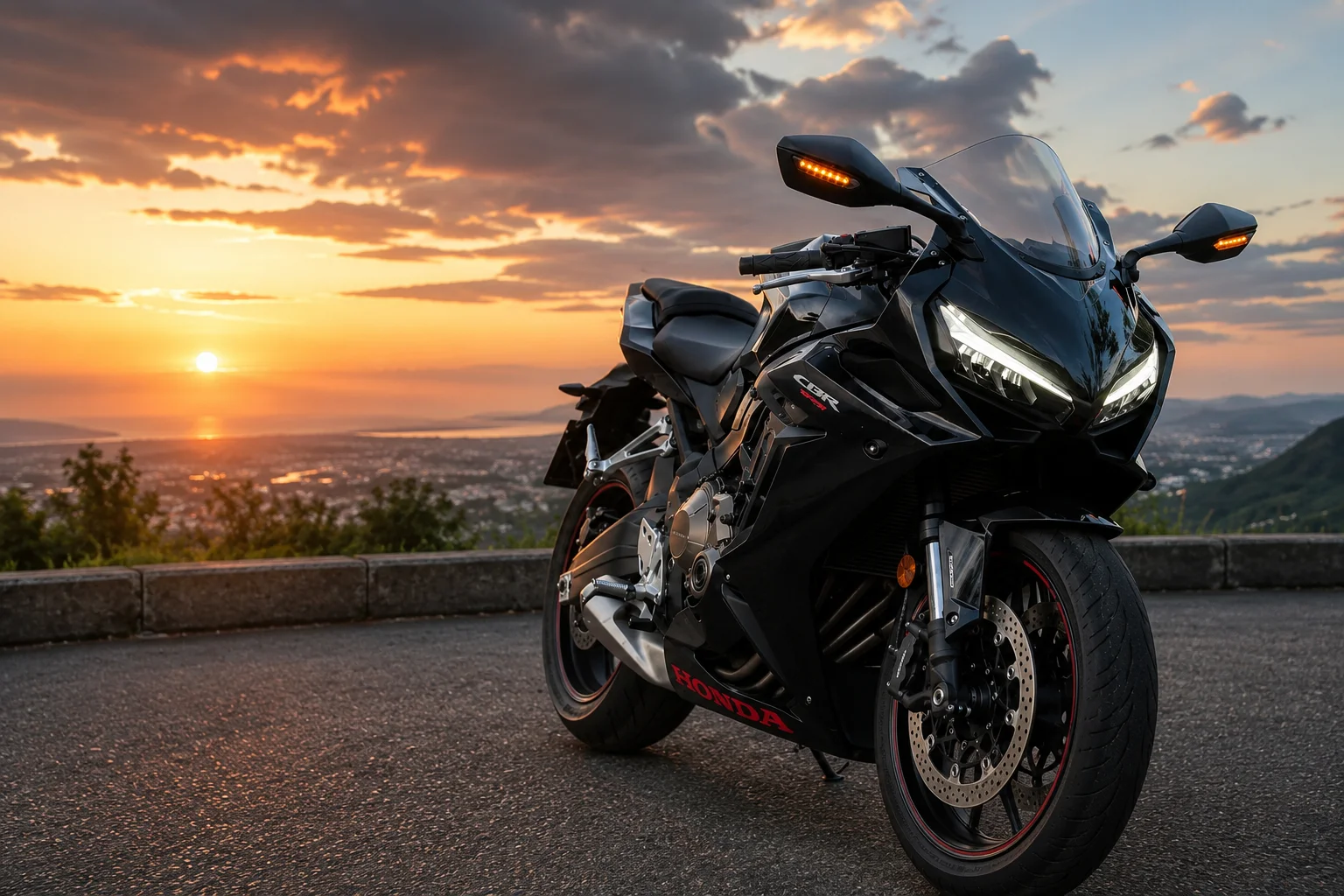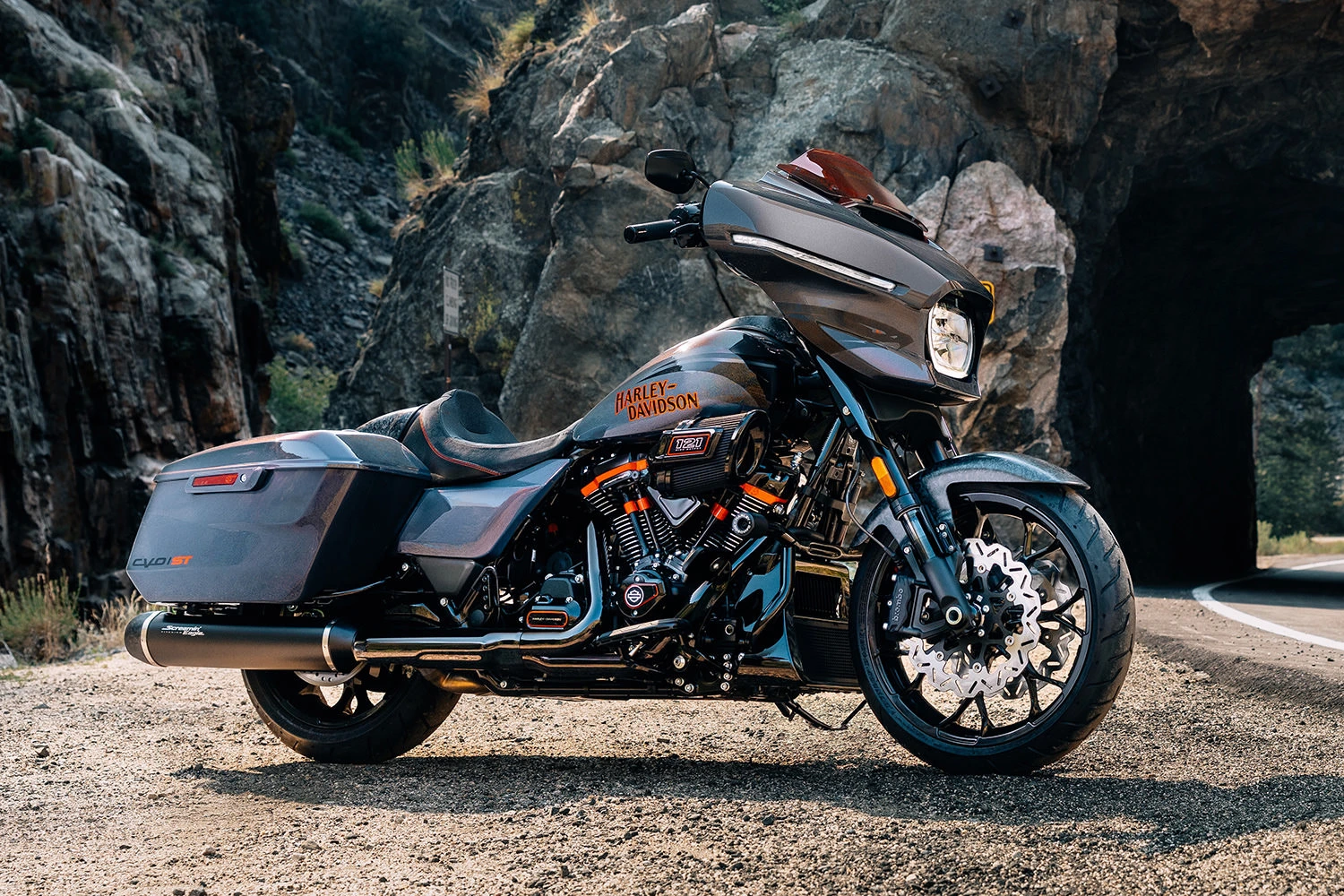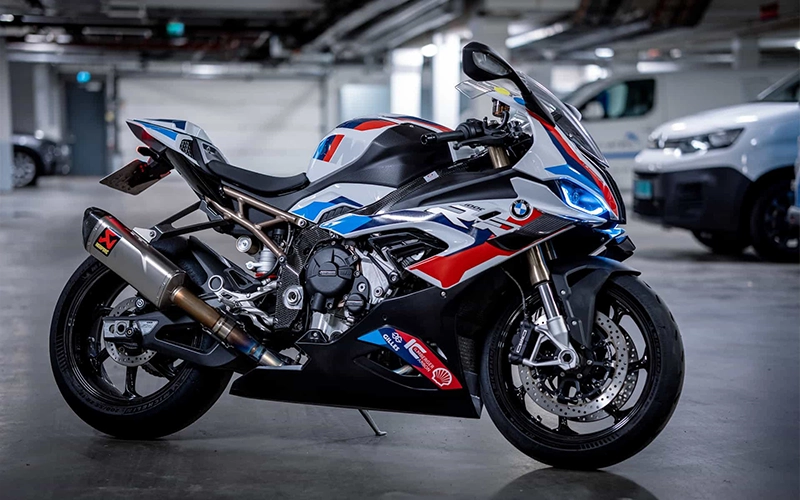





Most riders think of body fairings as cosmetic parts. Something that makes the bike look sharp, aggressive, or race-inspired. In reality, motorcycle fairings and fenders do far more than shape the look of a machine. They play a direct role in how the bike cuts through the air, how the engine manages heat, and how comfortable the rider feels over long miles.
When a fairing cracks, warps, or goes missing, the effects go far beyond appearance. Many handling complaints, overheating issues, and unexpected fatigue on long rides trace back to damaged or poorly fitted body panels. This is especially true for sportbikes, touring motorcycles, and modern naked bikes that rely heavily on airflow management. Understanding what damaged fairings actually do to your ride helps you decide when replacement is necessary and why ignoring them can cost more in the long run.
How Fairings Control Airflow at Speed?
At highway and track speeds, air becomes one of the strongest forces acting on your motorcycle. Motorcycle Fairings are designed to guide that airflow smoothly around the bike and the rider. When fairings are intact, air flows evenly across the front end, around the tank, and past the rider’s torso. This reduces turbulence, stabilizes the bike at speed, and limits how much wind pressure hits your body.
Cracked panels, loose mounts, or missing sections interrupt that airflow. Instead of moving smoothly, the air starts to tumble and swirl. Riders often describe this as instability, buffeting, or a vague feeling in the bars at higher speeds. On sportbikes, damaged front fairings can even change how much air pressure loads the front tire. That subtle change affects steering feedback, especially during fast corner entry. Riders chasing handling upgrades often overlook fairing condition, even though it directly influences aerodynamic balance.
Why Cooling Suffers When Fairings Are Damaged?
Modern motorcycles rely on carefully directed airflow to keep engine temperatures under control. Radiators, oil coolers, and exhaust headers are positioned with airflow paths in mind.
Fairings do not just block air. They guide it.
Air enters through specific intake areas, flows across cooling components, and exits through vents designed to pull hot air away. If panels are cracked, warped, or replaced with poorly fitting aftermarket pieces, that airflow path breaks down.
The result can be higher operating temperatures, especially in traffic or warm climates. Some riders notice their fans running more often. Others see fluctuating temperature readings that never quite settle.
This problem is common after low-speed tip-overs where fairings crack but remain partially attached. Even a slight misalignment can redirect airflow enough to reduce cooling efficiency.
On performance bikes, heat management is critical. Excess heat shortens the life of hoses, wiring, sensors, and even engine internals over time.
Rider Comfort Takes a Bigger Hit Than Expected
One of the first things riders notice after fairing damage is increased fatigue.
Wind pressure that used to be deflected now hits the chest, shoulders, or helmet directly. Turbulence around the helmet increases noise, which leads to faster mental fatigue on long rides. On touring motorcycles, even small cracks near windscreen mounts can change airflow enough to cause helmet buffeting.
Damaged lower fairings also expose legs to more wind and engine heat. This becomes especially noticeable on long highway rides or during colder seasons when wind chill increases.
On naked and streetfighter style bikes, side fairings and shrouds still play a role in directing heat away from the rider. When those panels are missing or damaged, riders often complain about excessive heat around the thighs and knees.
Comfort issues may seem minor at first, but over hundreds of miles, they add up. Riders arrive more tired, less focused, and more prone to mistakes.
Structural Integrity and Vibration Problems
Fairings are not load-bearing in the traditional sense, but they do add rigidity to mounting points and distribute vibration.
When mounting tabs crack or bolts loosen, fairings begin to vibrate. That vibration transfers into the bars, mirrors, and footpegs. Over time, this can loosen additional fasteners and create rattles that are difficult to track down.
Worse, loose panels can rub against wiring harnesses, brake lines, or coolant hoses. These issues often go unnoticed until a real failure occurs.
A missing inner fender or damaged belly pan can also expose components to debris, water, and road grime. This accelerates wear and corrosion, especially in wet or dusty environments.
Aerodynamics and Fuel Efficiency
It might surprise some riders, but damaged fairings can even affect fuel consumption.
When airflow becomes turbulent, the bike requires more energy to maintain speed. On long highway rides, that added drag can reduce fuel efficiency. Touring riders may notice fewer miles per tank without changing riding habits.
On smaller displacement motorcycles, where aerodynamic efficiency matters more, the effect becomes even more noticeable. While the difference may not be dramatic on a short ride, over time it adds to operating costs.
When Cosmetic Damage Becomes a Real Problem?
Not every scratch requires immediate replacement. Light surface scuffs and paint damage are mostly cosmetic.
The real issues begin when you see:
- Cracks near mounting points
- Panels pulling away from the frame
- Warped fairings that no longer align
- Missing inner fenders or heat shields
- Broken tabs secured with zip ties or glue
These signs indicate that the fairing is no longer doing its job properly. Riders often delay replacement because the bike still runs fine. But the hidden effects on cooling, comfort, and stability quietly continue.
Replacing vs Repairing Body Fairings
In some cases, minor cracks can be repaired professionally. Plastic welding or fiberglass reinforcement can restore strength if done correctly. However, repairs that alter panel shape or block airflow vents can cause more harm than good. Fitment matters as much as material.
Quality replacement fairings and fenders are designed to match factory airflow paths and mounting points. Poorly molded panels may look similar but fail to deliver the same performance benefits. When replacing, always check alignment before fully tightening bolts. A properly fitted fairing should sit naturally without being forced into position.
Why Body Panels Are Part of Performance Maintenance?
Riders invest heavily in suspension, brakes, and tires, yet overlook bodywork condition. Fairings are part of the system that makes a motorcycle ride the way it was designed to ride.
Healthy body panels mean predictable airflow, stable handling, controlled temperatures, and reduced fatigue. That combination keeps you riding longer, safer, and with more confidence.
Ignoring damaged fairings does not usually cause an immediate failure. Instead, it slowly degrades the riding experience until small problems become expensive ones.
Conclusion
Motorcycle body fairings and fenders are not just about looks. They shape how your bike interacts with air, heat, and your own body. Damage that seems minor can quietly affect aerodynamics, cooling efficiency, and long ride comfort. Check out the collection of Motorcycle body fairings and fenders available at Aliwheels Now!
If your bike feels hotter than it used to, less stable at speed, or more tiring to ride, take a closer look at the condition and fitment of your fairings. Restoring proper bodywork often fixes issues riders mistakenly blame on suspension or engine performance. A well-maintained motorcycle is not just one that runs. It manages airflow, heat, and comfort the way its engineers intended.