



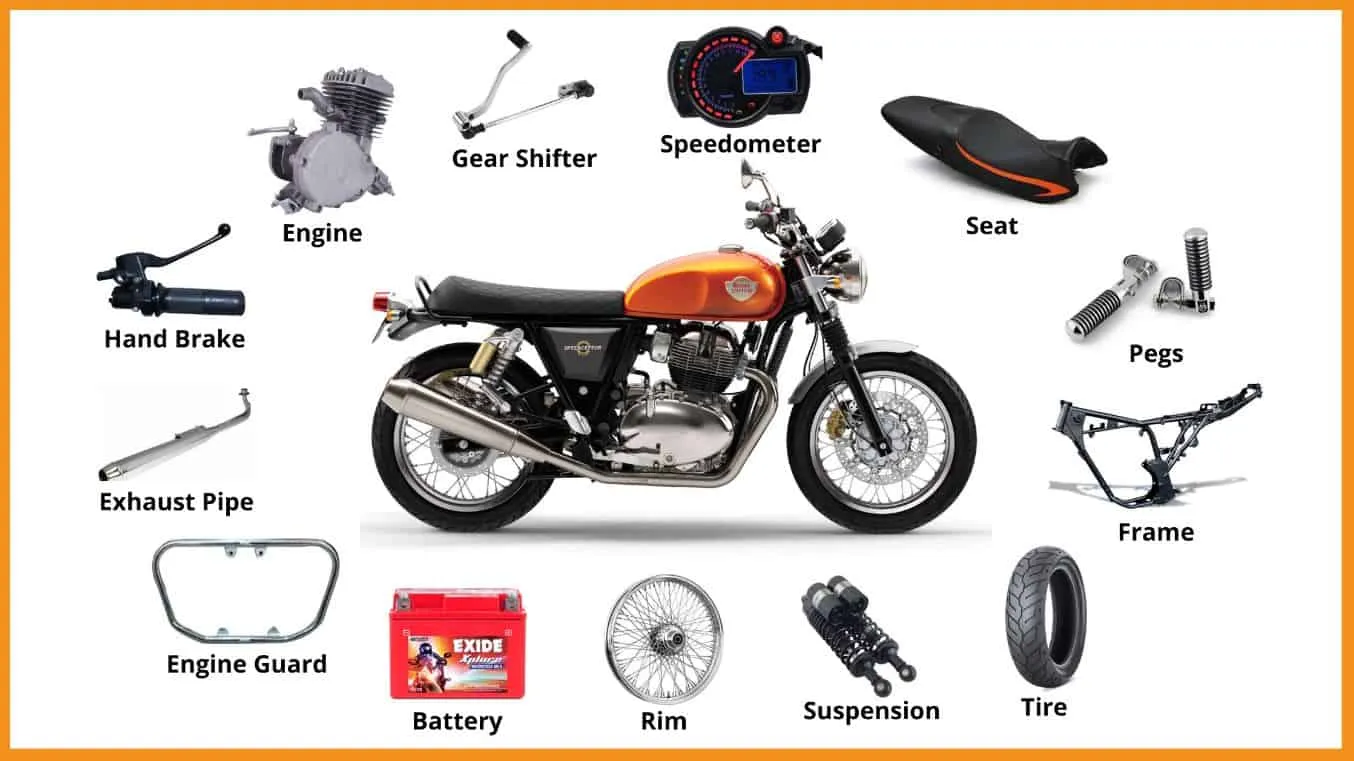

If you’ve ever wondered why some motorcycles feel faster than others even with similar horsepower, the secret often lies in weight. Shedding grams here and there isn’t just for aesthetics; it directly affects acceleration, handling, and overall performance. The good news is you don’t need a full rebuild to feel the difference. Swapping a few key components for Lightweight Motorcycle Parts can make your bike noticeably quicker, more responsive, and more fun to ride.
How Weight Reduction Actually Works?
Acceleration isn’t solely about how much power your engine produces. Physics plays a huge role. Every kilogram you remove from your bike reduces inertia, letting the engine put power to the ground more efficiently.
Some areas matter more than others:
- Rotating weight: Wheels, sprockets, and brake rotors. Lighter parts here spin faster with less effort from the engine.
- Suspension and frame components: Reducing weight in forks, triple clamps, and handlebars improves responsiveness.
- Top-heavy or unsprung weight: Components like batteries and exhausts influence handling and quick acceleration.
In short, it’s not just about dropping total weight; it’s about removing it strategically where it counts.
Key Lightweight Motorcycle Parts That Make a Real Difference
1. Lightweight Wheels and Rims
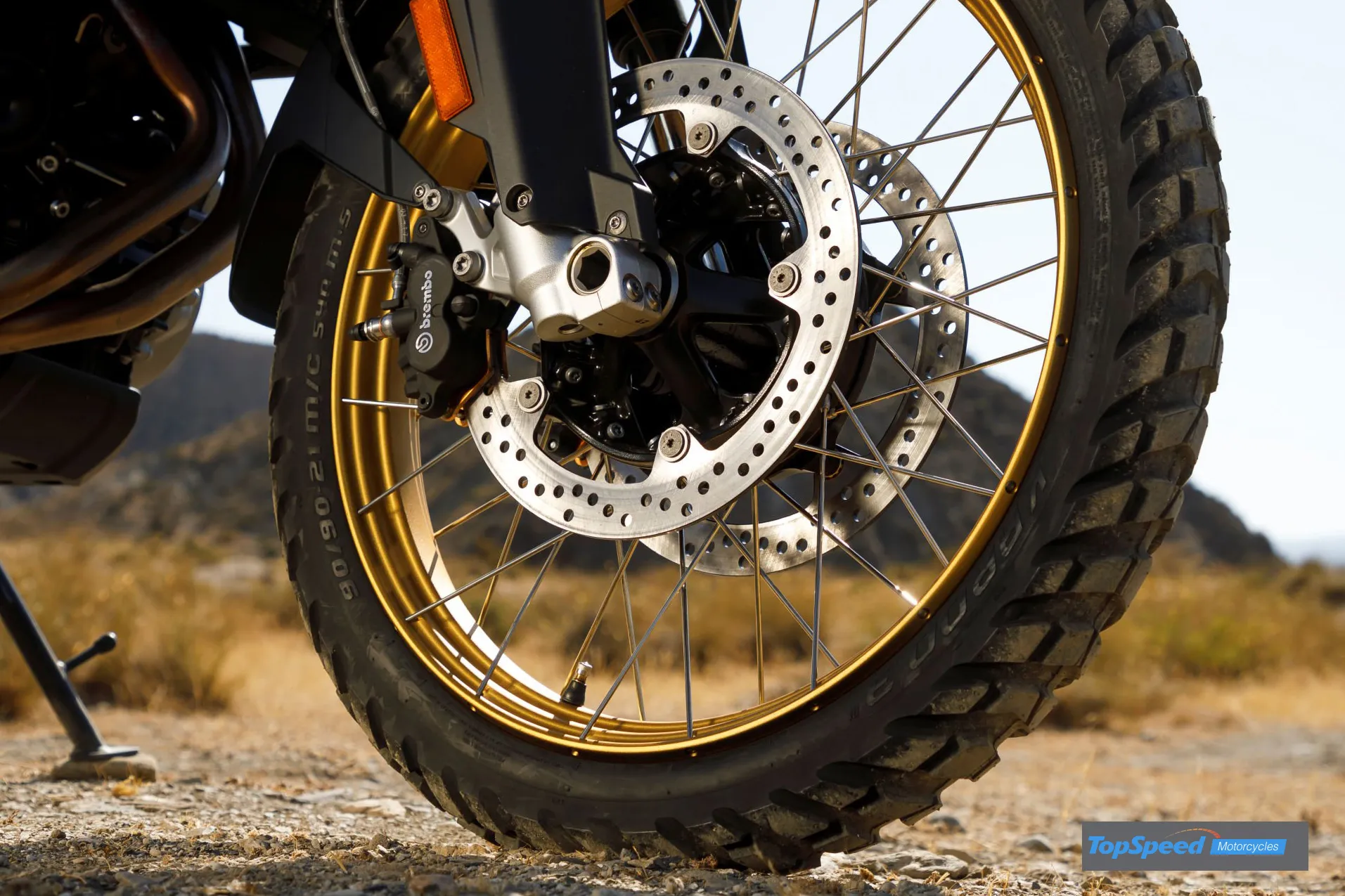
Swapping stock wheels for lighter aluminum or forged rims is one of the most effective upgrades. Lighter wheels reduce rotational mass, making the engine spin them faster.
- Benefits: Faster throttle response, better cornering, and easier lean transitions.
- Pro Tip: Forged wheels are pricier but stronger than cast versions, making them ideal for aggressive riders.
2. Lightweight Exhaust Systems
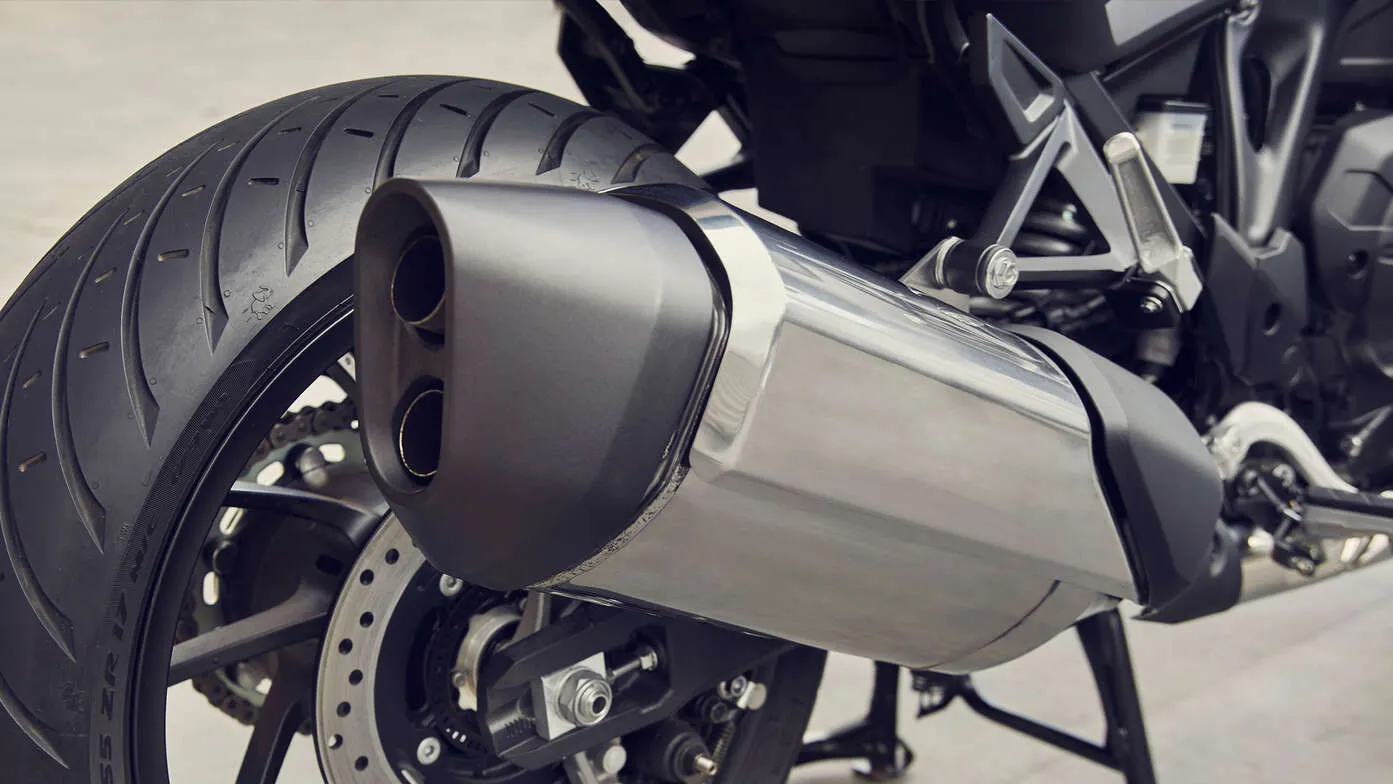
Aftermarket exhausts made from titanium or carbon fiber can shave several kilograms off your bike. Beyond the weight savings, some systems improve airflow slightly, giving a small power boost.
- Benefits: Quicker acceleration, reduced rear-end weight, and sharper throttle feel.
- Pro Tip: Ensure compatibility with your bike and check noise regulations before swapping.
3. Lightweight Sprockets and Chain
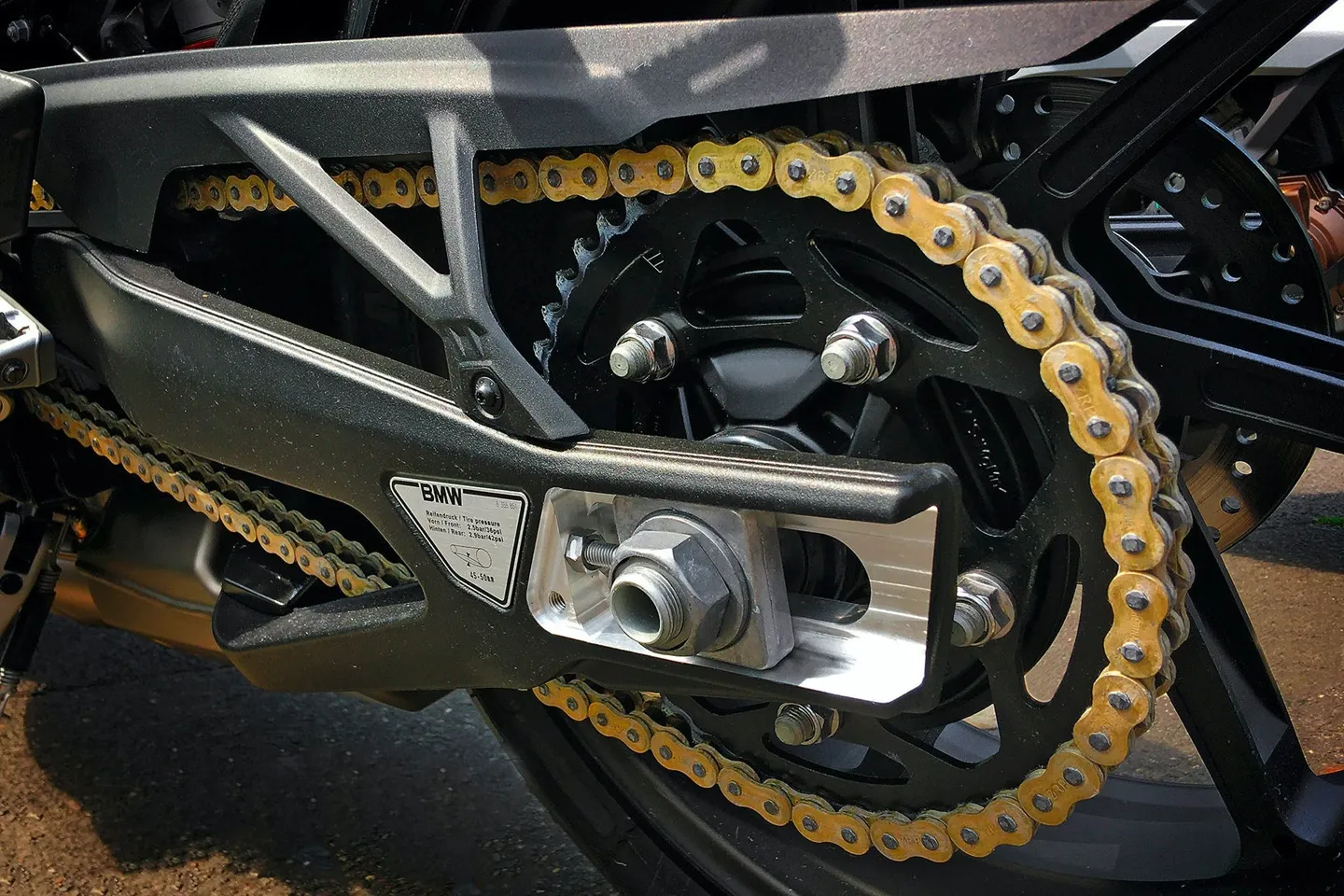
Upgrading to lightweight aluminum sprockets and a high-quality chain reduces rotating mass in the drivetrain. Even small reductions here improve acceleration because less engine effort is wasted spinning heavy components.
- Benefits: Faster gear changes and smoother power delivery.
- Pro Tip: Don’t compromise on quality; cheap sprockets wear faster and can damage the chain.
4. Lightweight Brake Components
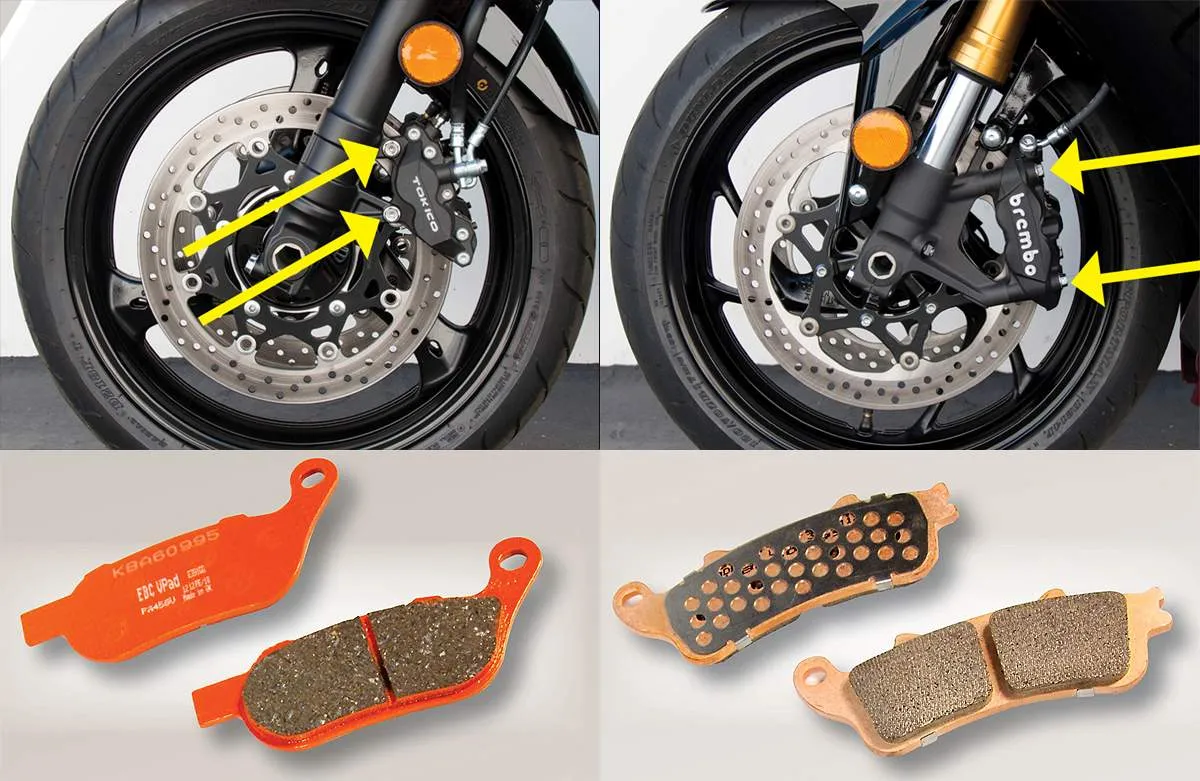
Brake discs, calipers, and master cylinders made from lighter alloys or composites reduce rotational and unsprung weight. While primarily improving braking, they also slightly enhance acceleration by reducing resistance when rolling.
- Benefits: Improved braking response, better cornering feel, and reduced weight.
- Pro Tip: Pair lightweight brakes with compatible pads and lines to avoid performance issues.
5. Lightweight Batteries
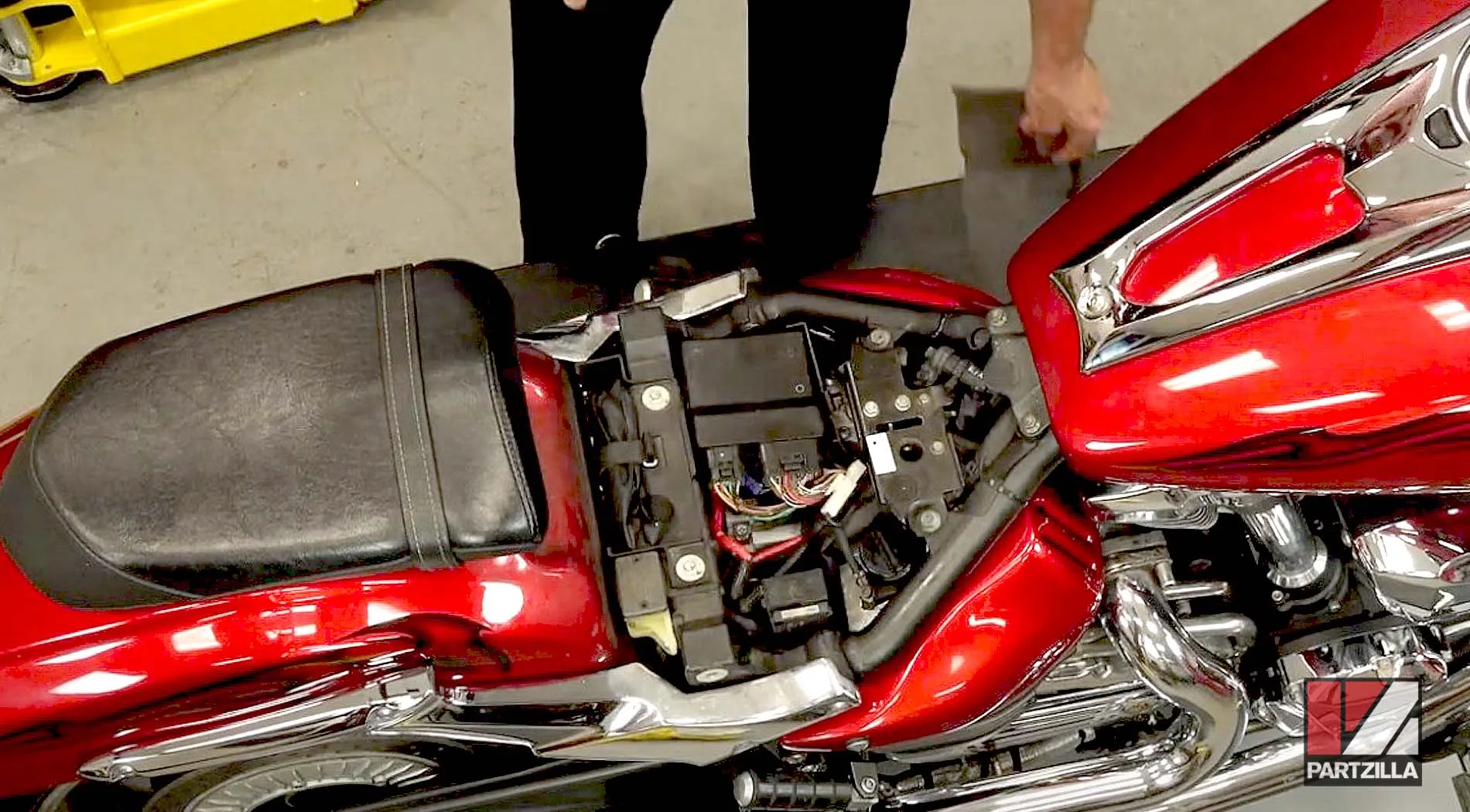
Switching from a conventional lead-acid battery to a lithium-ion alternative can cut several kilograms, particularly from the top and rear of the bike. This improves overall weight distribution and throttle response.
- Benefits: Faster starts, lighter overall mass, and longer battery lifespan.
- Pro Tip: Check your bike’s charging system compatibility before making the switch.
6. Lightweight Carbon Fiber or Lightweight Body Panels
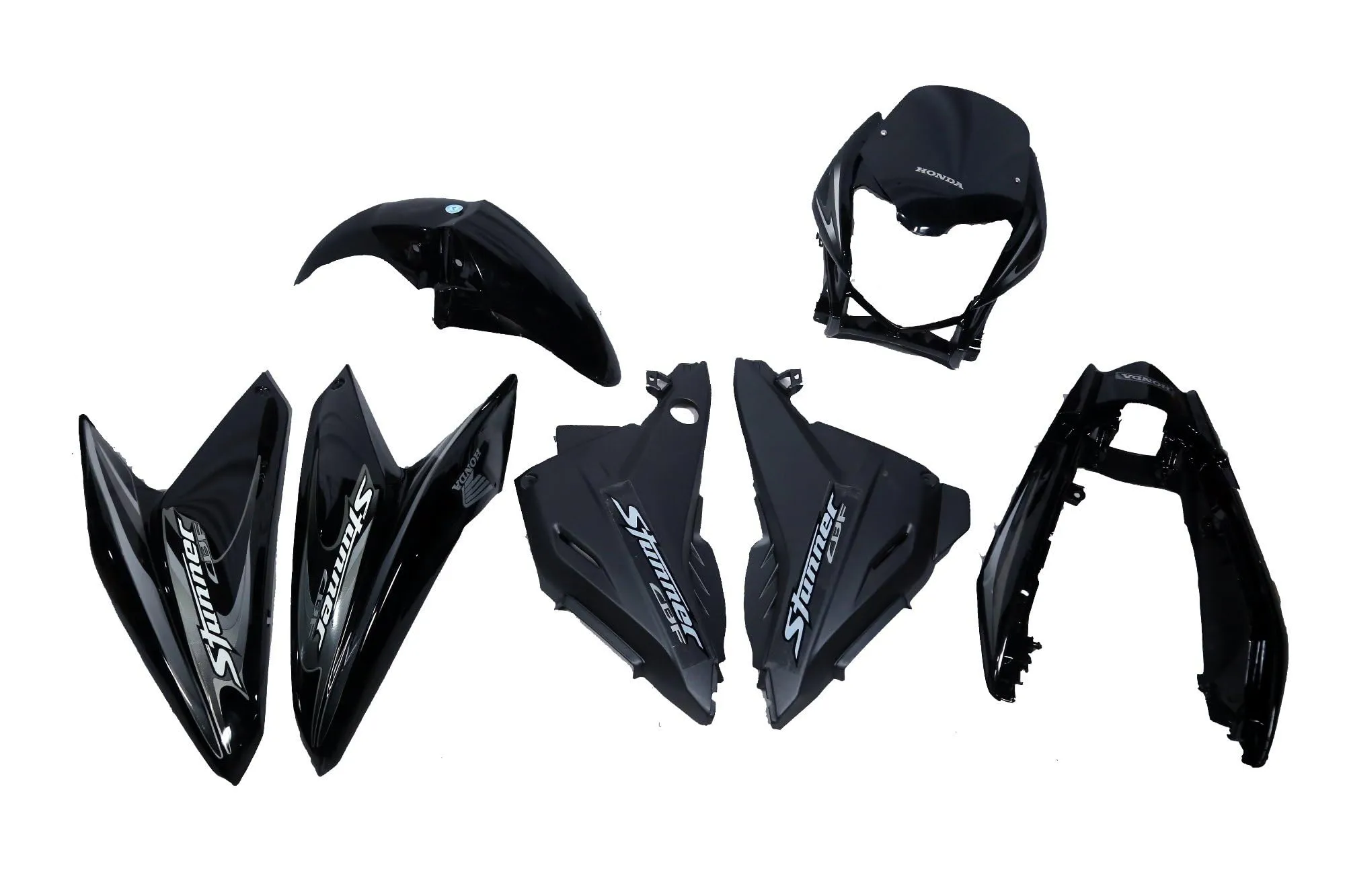
Replacing heavy stock panels with carbon fiber or lighter plastics reduces overall weight while maintaining durability. Even a few kilograms saved here contribute to better acceleration and handling.
- Benefits: Better power-to-weight ratio, improved aesthetics, and easier handling.
- Pro Tip: Invest in quality panels; cheap imitations may crack easily and reduce safety.
7. Lightweight Handlebars, Levers, and Footpegs
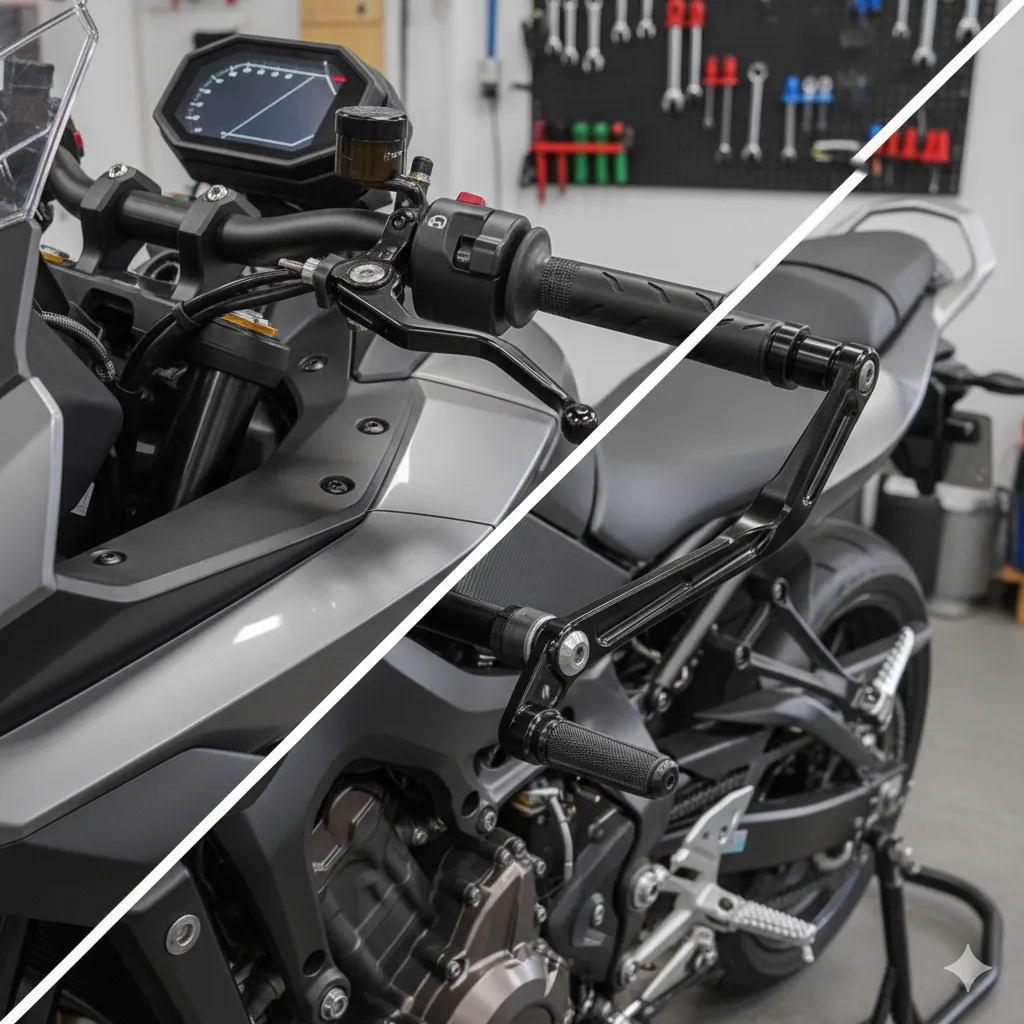
Small changes like aluminum or titanium handlebars, adjustable levers, and lighter footpegs reduce both unsprung and top-heavy weight. These upgrades improve rider control and acceleration responsiveness.
- Benefits: Sharper input response, reduced fatigue on long rides, and better maneuverability.
How Much Difference Can You Actually Feel?
Weight reduction might seem minor, but real-world tests show measurable results:
- Sportbikes: Swapping wheels, exhausts, and sprockets can drop 8–12 kg, shaving 0.2–0.5 seconds off 0–100 km/h times.
- Commuter bikes: Even small savings like lithium batteries and lighter footpegs improve city responsiveness.
- Touring bikes: Lighter components reduce fatigue, improve agility, and make long rides feel effortless.
The key is that you feel the difference immediately in throttle response, cornering, and handling, not just in specs.
Smart Motorcycle Weight Reduction Strategies
- Prioritize Rotating Components: Wheels, sprockets, and rotors make the biggest difference in acceleration.
- Balance Weight and Durability: Lighter parts are only useful if they last. Avoid cheap components that compromise safety.
- Upgrade Gradually: Swap one or two key components at a time to notice real differences and manage costs.
- Complement With Tires: Lightweight tires combined with lighter wheels enhance handling and acceleration.
- Check Regulations: Some aftermarket parts affect street legality. Always verify local rules.
Conclusion
Acceleration isn’t just horsepower; it’s about how efficiently that power reaches the wheels. By replacing heavy components with lightweight alternatives in strategic areas, you can boost acceleration, improve handling, and make your rides more responsive and enjoyable. Focus on wheels, exhausts, sprockets, batteries, and key body panels first, and your bike will feel lighter, faster, and more agile without a full rebuild.
Making smart weight reductions is a simple yet highly effective way to upgrade performance. With careful choices and quality components, your bike will not only accelerate quickly but also handle better, giving you a more satisfying ride every time you twist the throttle.